Wildlife Removal in Fort Worth for Homes and Emergency Calls

Scratching sounds in your attic at 2 AM or a raccoon tearing through your trash isn't just annoying—it's a sign of a problem that gets worse the longer you wait. Fort Worth homeowners face wildlife intrusions year-round, and while sealing up one obvious hole might seem like a quick fix, animals often have multiple entry points you'll never spot without professional training. Wildlife removal Fort Worth services like Wildlife X Team at 11833 Katy Rd in Keller handle everything from emergency situations to long-term prevention, using humane methods that actually keep critters out for good instead of just moving them to your neighbor's yard.
Table of Contents
Fort Worth's Wildlife Problem
Fort Worth sits right where the Texas prairie meets urban development, creating a perfect storm for wildlife encounters. The city's rapid expansion has pushed into natural habitats, forcing animals to adapt and find new homes in attics, crawl spaces, and commercial buildings. With over 900,000 residents and growing suburbs spreading into previously wild areas, conflicts between people and animals happen more often than most homeowners expect. The Trinity River and numerous creeks running through the area provide water sources that attract even more wildlife into neighborhoods.
Why Wildlife Loves Fort Worth
The geography around Fort Worth makes it a wildlife magnet. Several factors work together to bring animals into residential and commercial areas:
- Abundant food sources from trash bins, pet food, bird feeders, and fruit trees in yards
- Natural water access from the Trinity River, Lake Worth, and Eagle Mountain Lake
- Mix of wooded areas and open spaces that different species prefer
- Warm climate that allows year-round activity for most animals
- Older neighborhoods with mature trees and established structures that provide shelter
Wildlife X Team handles hundreds of cases each year across the Fort Worth area, and the patterns are clear. Animals don't just wander into homes by accident - they're actively seeking shelter and resources.
Common Intruders and Their Entry Points
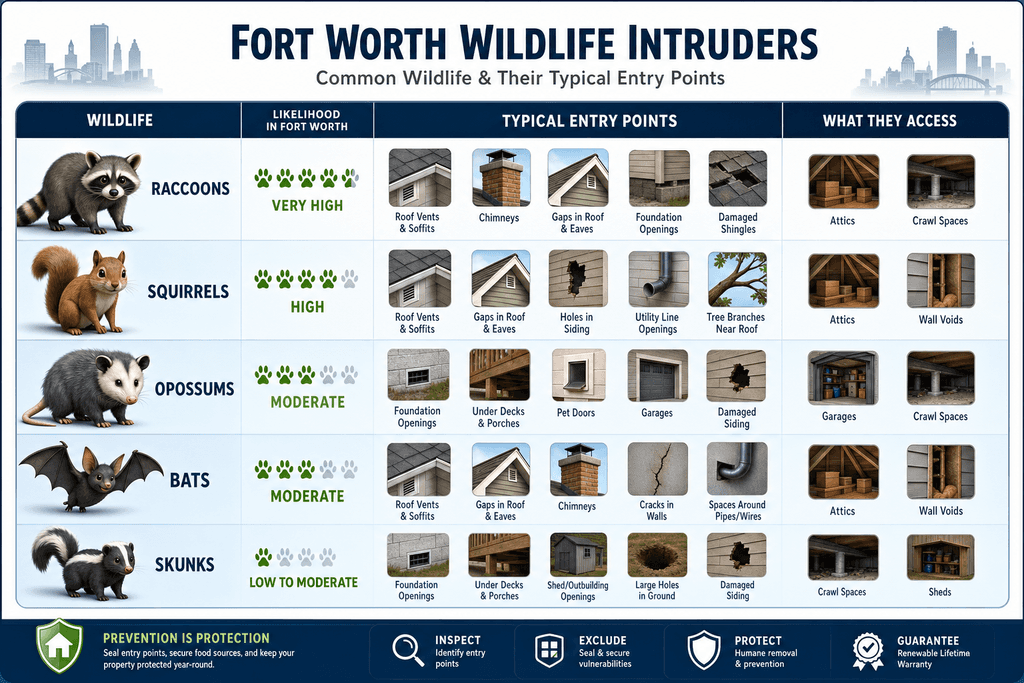
Different animals target different parts of your property. Knowing which critters cause what problems helps homeowners understand the scope of wildlife removal fort worth services they might need.
Common Fort Worth Wildlife and Where They Get In
Raccoons: Roof vents, chimneys, attic vents, damaged soffits - They can tear through weak spots with their strong paws
Squirrels: Roof edges, fascia boards, construction gaps, dryer vents - They chew through wood and plastic to create openings
Opossums: Foundation gaps, crawl space vents, deck openings - They squeeze through surprisingly small spaces
Rats and Mice: Pipe penetrations, AC line entry points, garage door gaps - Any hole larger than a quarter works for mice
Bats: Ridge vents, gable vents, gaps under roof tiles - They only need a 3/8 inch opening to enter
Skunks: Deck undersides, shed foundations, porch areas - They dig shallow burrows in accessible spots
Seasonal Patterns and Risks
Wildlife activity in Fort Worth follows predictable patterns throughout the year. Spring brings the busiest season as animals search for nesting sites to raise their young. Squirrels and raccoons become especially aggressive about finding attic space from March through June.
- Spring (March-May): Peak breeding season means animals need secure nesting areas
- Summer (June-August): Young animals explore and sometimes get trapped in homes
- Fall (September-November): Animals stockpile food and seek winter shelter
- Winter (December-February): Cold snaps drive animals indoors for warmth
The health risks from wildlife intrusions go beyond just property damage. Animal droppings carry diseases like histoplasmosis and leptospirosis. Raccoon feces can contain roundworm eggs that remain infectious for years. Companies offering emergency wildlife removal fort worth services understand that some situations can't wait.
Property damage adds up quickly too. Squirrels chew through electrical wiring, creating fire hazards. Raccoons tear apart insulation and ductwork. A single family of raccoons can cause thousands of dollars in damage within weeks. That's why Wildlife X Team focuses on both removal and prevention - getting animals out is only half the solution.
Signs You Need Emergency Wildlife Removal
A scratching sound in your attic at 2 AM isn't just annoying. It could mean you have unwanted guests that need immediate attention. Most homeowners in Fort Worth and surrounding areas like Keller, Southlake, and Grapevine don't realize that certain wildlife situations require emergency response rather than waiting for a scheduled appointment. The difference between the two can mean the gap between minor repairs and thousands of dollars in damage.
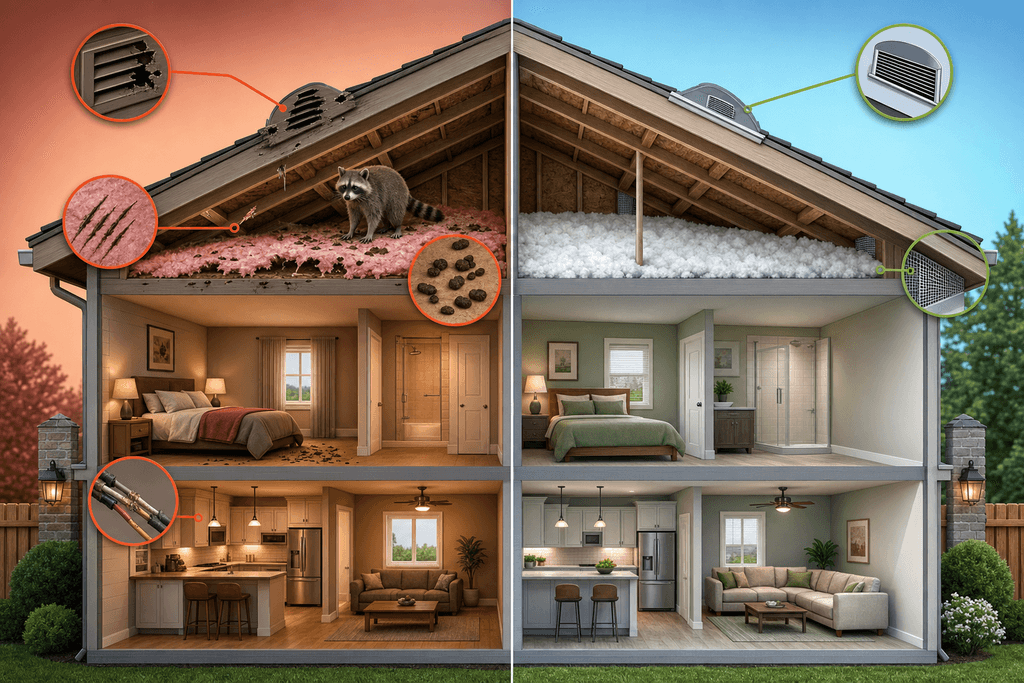
Strange sounds are usually the first warning sign. Scratching, thumping, or scurrying noises in your walls or ceiling often indicate animals have already moved in. But it's the smells that really tell the story. A strong ammonia odor or musty smell coming from your attic or crawl space means wildlife has been there long enough to leave droppings and urine behind.
- Aggressive animals near entry points or inside living spaces
- Visible structural damage to roofing, siding, or foundation
- Strong odors indicating animal waste or a deceased animal
- Chewed electrical wiring creating fire hazards
- Signs of a nest with baby animals present
- Multiple entry points suggesting an active infestation
Health hazards require immediate attention. If you see droppings in areas where your family spends time, or if anyone in your home develops unexplained respiratory issues, you need professional help right away. Wildlife droppings can carry diseases like histoplasmosis and hantavirus that spread through the air when disturbed.
When Wildlife X Team responds to emergencies in the Fort Worth area, they assess the immediate threat first. Their emergency response includes securing the property to prevent further animal entry, safely removing any animals present, and identifying health risks that need addressing before full remediation begins.
The Complete Wildlife Removal Process
The Wildlife Inspection Report® is where everything starts. This isn't just someone walking around your property for five minutes. A trained specialist examines every potential entry point, from your foundation to your roof line, documenting vulnerabilities you probably didn't know existed. They check areas most homeowners never think about, like where utility lines enter the home or gaps in soffit vents that look too small for an animal but aren't.
Humane removal techniques vary depending on what animal has taken up residence. Raccoons require different approaches than squirrels or possums. The team uses one-way doors that let animals exit but not re-enter, or live traps when necessary. No poison, no harm to the animals. Just safe relocation away from your property.
After removal comes the part that separates temporary fixes from permanent solutions. Animal proofing and exclusion work involves installing barriers at every entry point found during inspection. This means foundation repairs where gaps exist, chimney caps to keep raccoons out, and vent guards that still allow airflow but block animal access.
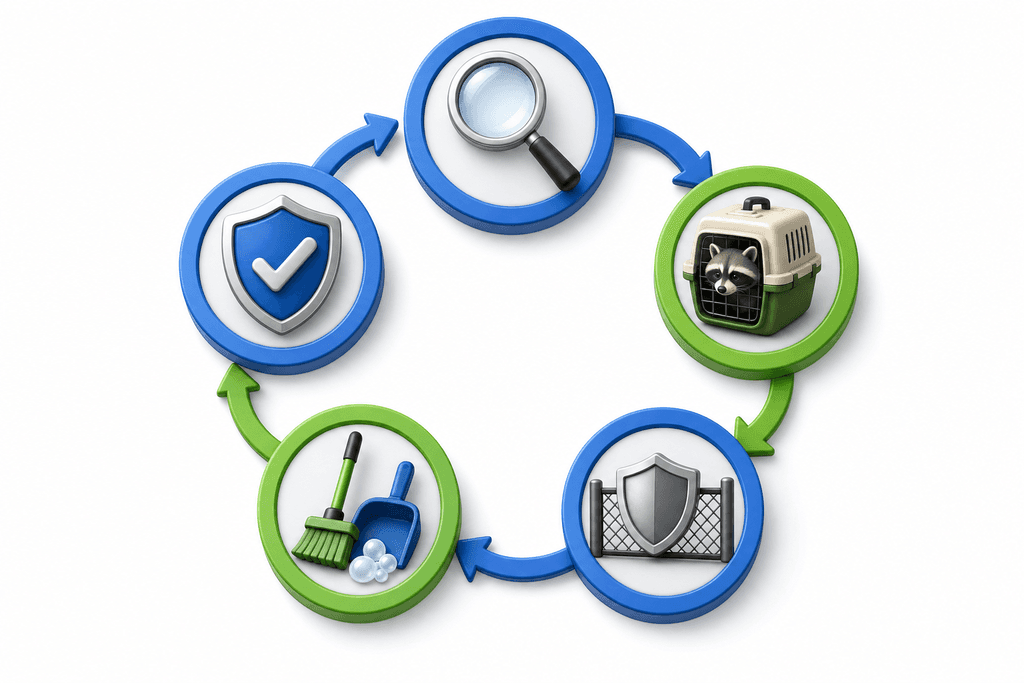
- Complete property inspection and vulnerability assessment
- Humane animal removal using species-specific techniques
- Installation of exclusion barriers and repairs
- Attic cleanup, disinfection, and insulation replacement
- Final inspection and warranty activation
Attic cleanup and restoration is where you really see the value. Contaminated insulation gets removed and replaced. All surfaces get disinfected to eliminate disease risks and odors that might attract new animals. The Renewable Lifetime Warranty covers the work for as long as you own your home, which is something most competitors in the Fort Worth wildlife removal market don't offer.
Prevention That Actually Works
Here's what most people don't understand about wildlife removal. Getting the animals out is only half the job. If you don't fix what let them in, you're just waiting for the next family of raccoons or squirrels to move in. Foundation repair and sealing techniques address the root cause. Small cracks in your foundation that you barely notice are highways for rodents and other small animals looking for a warm place to nest.
Chimney caps and vent guard installation prevent the most common entry points. Raccoons love chimneys because they're dark, protected, and remind them of hollow trees. Roof vents without proper guards are open invitations for squirrels and birds.
Real Success Story: Jesse Bernard had what he called a "squirrel party" in his attic. Wildlife X Team found multiple entry points he never would have discovered on his own. Months later, still no squirrels. That's the difference between DIY attempts and professional exclusion work.
Entry point identification requires knowing animal behavior. A hole that seems too small for a raccoon might be perfect for them to enlarge. Gaps where tree branches touch your roof create bridges for squirrels. The team serving areas from Denton to Granbury knows exactly where to look based on years of experience with local wildlife patterns.
Long-term monitoring and maintenance keeps your property protected. The warranty isn't just a piece of paper. If an animal finds a way in after the work is done, they come back and fix it. Prevention costs less than repeated emergency removal calls, and it protects your home's value and your family's health.
Wildlife removal Fort Worth TX doesn't have to be a recurring nightmare. When you address both removal and prevention together, you solve the problem once instead of dealing with it every season. That's what Wildlife X Team at 11833 Katy Rd in Keller focuses on for homeowners throughout the Fort Worth area.
Why Humane Removal Matters for Fort Worth Homeowners
Texas law actually requires licensed wildlife operators to follow specific guidelines when handling native animals, and violating these rules can result in serious fines. When you're dealing with raccoons or squirrels in your attic, the approach you choose matters more than most homeowners realize. The difference between humane wildlife removal fort worth services and traditional methods isn't just about being nice to animals. It's about following the law, protecting your property long-term, and avoiding problems that can cost you thousands down the road.
Legal Requirements You Need to Know
Fort worth wildlife removal isn't something you can just handle however you want. The Texas Parks and Wildlife Department sets clear rules about what's allowed and what isn't.
- Relocating certain wildlife species without proper permits is illegal in Texas
- Using poison or inhumane traps can result in fines up to $500 per violation
- Only licensed professionals can legally handle protected species like bats
- Improper disposal of wildlife can lead to health code violations
Comparing Removal Approaches
The methods used for emergency wildlife removal fort worth make a huge difference in results. Some companies still use outdated techniques that create more problems than they solve.
Humane Methods
- Prevents animals from returning by addressing why they came in the first place
- Complies with all Texas wildlife regulations and licensing requirements
- Protects your home's structure from damage during removal process
- Reduces risk of disease transmission to your family and pets
DIY or Harmful Approaches
- Often illegal and can result in fines or legal trouble
- Animals frequently return because root causes weren't addressed
- Can cause injury to homeowners unfamiliar with wildlife behavior
- May damage your property more than the original wildlife problem
The Zoologist Advantage
Wildlife X Team employs zoologists who understand animal behavior at a scientific level. This expertise means they know exactly how different species think and act, which makes removal faster and more effective. When you understand why a raccoon chose your chimney or how squirrels navigate your roof, you can prevent future problems instead of just reacting to current ones.
The long-term savings add up quickly too. Humane wildlife removal fort worth tx services might cost more upfront than a DIY approach, but you're paying once instead of dealing with the same animals coming back every few months.
Getting Started with Wildlife Removal in Fort Worth
Dealing with wildlife in your home doesn't have to be complicated. The main thing to remember is that emergency situations like aggressive animals, animals in living spaces, or health hazards need immediate attention. For things like noises in your attic or signs of wildlife activity, you can schedule a regular inspection without the rush. Wildlife X Team handles both types of calls from their location at 11833 Katy Rd, Keller, TX, serving Fort Worth, Denton, Granbury, and the surrounding areas.
When you call for wildlife removal fort worth tx services, the first visit usually includes a full inspection of your property. The team looks for entry points you might not even know exist, just like Jesse Bernard discovered when they found multiple access points he never would have spotted on his own.
The service area covers a pretty wide range of cities including:
- Fort Worth and Keller
- Denton and Granbury
- Southlake, Grapevine, and Colleyville
- North Richland Hills, Roanoke, and Trophy Club
- Flower Mound, Azle, Saginaw, Haslet, Watauga, and Argyle
- Glen Rose, Weatherford, and Possum Kingdom Lake
You can reach the team at (817) 799-8686 whether you're dealing with an emergency or just want to get ahead of a potential problem. The sooner you address wildlife issues, the less damage and cleanup you'll face down the road.
Most people have questions about what happens during the removal process, how long it takes, and what the warranty actually covers. That's completely normal when you're dealing with something you've probably never handled before.
Common Questions About Fort Worth Wildlife Removal
When you hear scratching in your attic at 2 AM, you probably have a lot of questions running through your mind. Dealing with unwanted wildlife in your home can be stressful, especially when you're not sure what to expect from the removal process. Most homeowners in Fort Worth face similar concerns about safety, timing, and whether the problem will actually stay fixed. Here are the answers to the most common questions we hear about wildlife removal Fort Worth services.
How quickly can emergency service respond?
Wildlife X Team typically responds to emergency calls within a few hours, and in many cases, they can start work the same day you contact them. Unlike some competitors like Critter Control or Terminix that may require scheduling days in advance, emergency wildlife removal Fort Worth services prioritize urgent situations where animals pose immediate risks to your family or property. The team understands that a raccoon in your living space or bats in your bedroom can't wait until next week.
What animals does Wildlife X Team remove?
The team handles removal of most common Fort Worth wildlife including raccoons, squirrels, opossums, bats, birds, snakes, and rodents. They also deal with less common intruders like armadillos and skunks that sometimes find their way into local properties. Each animal requires different removal techniques, which is why having experienced professionals matters more than trying DIY solutions.
Is wildlife removal safe for pets and children?
Yes, Wildlife X Team uses humane and safe methods that don't put your family or pets at risk. The removal process doesn't involve harmful chemicals or dangerous traps that could accidentally injure household members. Fort worth wildlife removal professionals are trained to handle animals in ways that protect everyone involved, including the wildlife itself.
How long does the removal process take?
Simple removals can be completed in a single visit, while more complex infestations might take several days to fully resolve. The timeline depends on factors like how many animals are present, where they're located, and what exclusion work needs to happen. Most customers see their wildlife problem resolved within a week, including the prevention measures that keep animals from returning.
What areas does Wildlife X Team serve?
Wildlife X Team covers Fort Worth, Denton, Granbury, and the surrounding Dallas-Fort Worth metropolitan area. This broader service area means they're familiar with the specific wildlife challenges that affect different neighborhoods and property types throughout the region. Whether you're in downtown Fort Worth or a rural area outside the city, they can reach you quickly.
Does the warranty really cover future invasions?
The Renewable Lifetime Warranty covers the specific entry points that were sealed during your service, giving you long-term protection against animals getting back in through those areas. If wildlife finds a way through a repaired section, the team returns to fix it at no additional cost. This warranty sets wildlife removal fort worth tx services apart from competitors who only offer short-term guarantees or charge for every follow-up visit.