
Wildlife Exclusion Techniques: Preventing Re-Entry After Removal
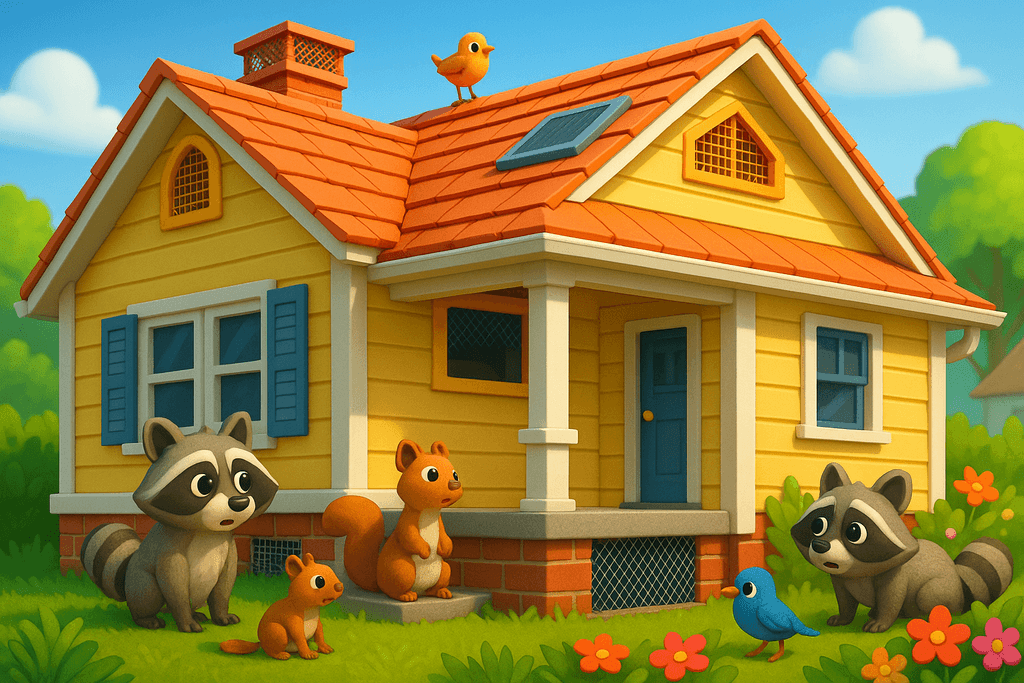
You finally got rid of those raccoons in your attic, but here's the hard truth: they'll be back within weeks unless you seal up how they got in. Wildlife have incredible homing instincts and can squeeze through gaps as small as a quarter, which means removal without exclusion is just a temporary fix. Wildlife X Team has seen countless homeowners spend thousands on repeated removals when proper sealing and barriers would have solved the problem permanently the first time.
Table of Contents
Understanding Wildlife Behavior and Entry Points
A raccoon can squeeze through a hole the size of a softball, which means that small gap in your roof line is basically an open invitation. Wildlife in the Fort Worth and North Texas area are experts at finding weak spots in homes, and they're always looking for warm, safe places to nest. Once they find a way in, they rarely leave on their own, and the damage they cause can cost thousands of dollars to repair. Understanding how these animals think and operate is the first step to keeping them out for good.
How Animals Find Their Way Inside
Wildlife doesn't need a wide-open door to get into your home. They're incredibly persistent and can detect even the smallest vulnerabilities in your property's defenses. Squirrels can chew through wood, plastic, and even some metals when they're determined to get inside.
Common entry points that animals exploit include:
- Roof vents and exhaust fans that aren't properly screened
- Gaps where the roof meets the walls or around chimney flashing
- Damaged or missing soffit panels under the eaves
- Foundation cracks and gaps around utility lines
- Attic vents without secure screening
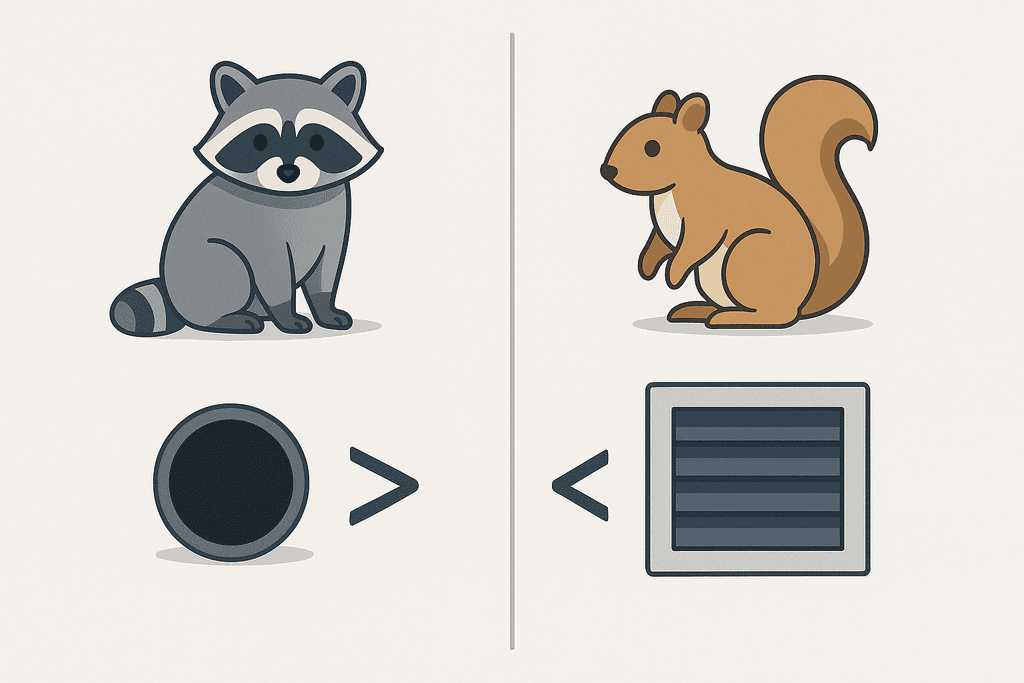
The size of opening an animal needs might surprise you. Here's what different Texas wildlife can fit through:
Minimum Entry Point Sizes by Animal
- Raccoons: 4-inch diameter opening (about the size of a softball)
- Squirrels: 1.5-inch diameter opening (roughly the size of a golf ball)
- Rats and Mice: 0.5-inch gap (about the width of a pencil)
- Opossums: 3-inch diameter opening (similar to a tennis ball)
- Bats: 0.375-inch gap (smaller than a dime's thickness)
Seasonal Patterns in North Texas
Wildlife intrusions follow predictable patterns throughout the year in the Fort Worth and Denton areas. Spring and fall are the busiest seasons for animal invasions, but each season brings its own challenges. Knowing when animals are most active helps explain why exclusion work needs to be thorough and permanent.
Many homeowners don't realize the extent of wildlife activity until it's too late. This video shows what can happen when wildlife removal isn't done properly the first time:
Spring brings the biggest surge in wildlife activity as animals search for nesting sites to raise their young. Raccoons, squirrels, and birds all prefer warm, dry attics for their babies. Summer heat drives animals to seek cooler spaces, which often means they'll dig deeper into your home's structure.
Fall activity picks up again as animals prepare for winter by:
- Stockpiling food in attics and wall cavities
- Seeking insulated spaces to wait out cold snaps
- Expanding existing entry points to accommodate winter nesting
- Moving into homes after natural food sources become scarce
Temporary Fixes Versus Permanent Solutions
The difference between a quick patch job and proper exclusion work is the difference between solving a problem for a few weeks versus solving it forever. Many homeowners try DIY solutions like stuffing steel wool in holes or nailing boards over entry points, but wildlife are smart and persistent. They'll find new ways in or simply remove whatever's blocking their preferred entrance.
Temporary fixes often fail because they don't address the full scope of the problem. You might seal one obvious hole while missing three others that aren't as visible. Wildlife X Team's approach includes a complete Wildlife Inspection Report that identifies every potential vulnerability, not just the active entry points.
Professional exclusion work involves:
- Identifying all current and potential entry points through detailed inspection
- Using materials that animals cannot chew through or remove
- Installing barriers that work with your home's structure rather than against it
- Sealing gaps in ways that prevent future deterioration
The reality is that proper exclusion requires understanding both animal behavior and building construction. A gap that seems too small to matter might be exactly what a determined squirrel needs to gain access. Companies like Critter Control and Terminix offer removal services, but the quality of exclusion work varies widely across the industry, which is why choosing an experienced team matters so much for long-term results.
Physical Barriers That Actually Work
Most homeowners don't realize that a raccoon can tear through chicken wire like it's tissue paper. The difference between a barrier that lasts a few months and one that protects your home for years comes down to the materials you use and how they're installed. When we talk about keeping wildlife out after removal, we're really talking about creating obstacles that animals simply can't overcome, no matter how determined they are.
Physical Barriers That Actually Work
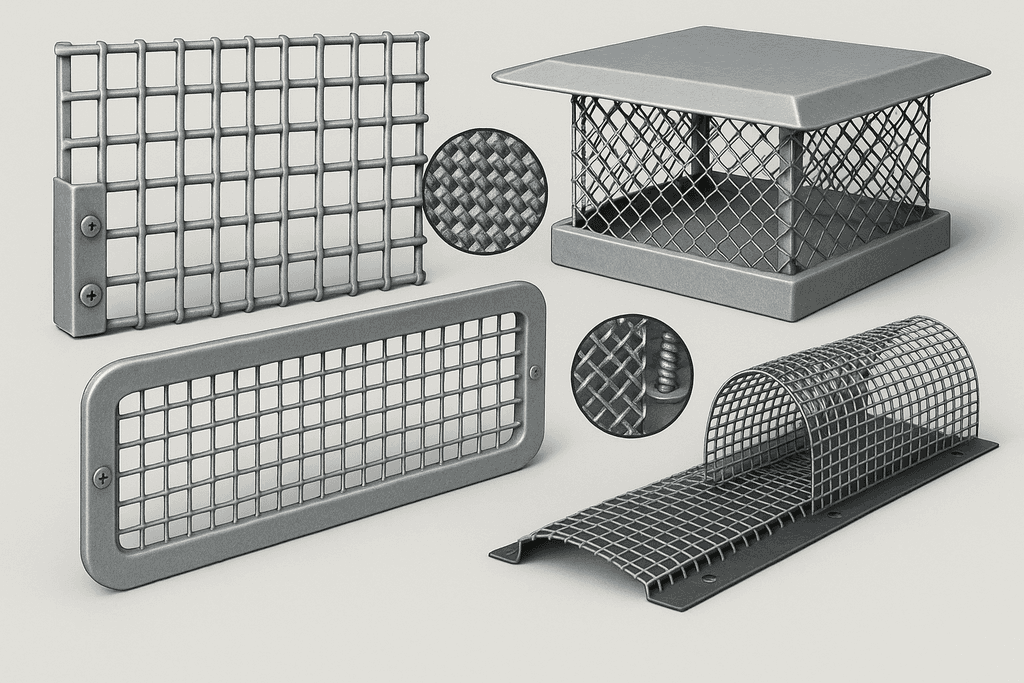
Heavy-duty steel mesh is the gold standard for vent protection because it can withstand the gnawing of squirrels and the prying of raccoons. The mesh needs to be at least 16-gauge steel, anything lighter won't hold up. Chicken wire might look similar and cost less, but it's designed to keep chickens in, not wildlife out.
- Chimney caps prevent raccoons from nesting in your flue
- Foundation sealing blocks access to crawl spaces where animals love to hide
- Ridge vent guards keep squirrels from chewing through roof ventilation
- Soffit screens protect the vulnerable underside of your roof overhang
The installation process matters just as much as the materials themselves. A chimney cap that's loosely fitted will get knocked off by the first raccoon that tries to get in. Professional-grade installations use multiple attachment points and weather-resistant fasteners that won't rust or loosen over time. Wildlife X Team's approach includes securing every barrier with commercial-grade hardware that's built to last.
Here's something most people miss: the quality of materials directly affects how long your exclusion work will protect your home. Cheap materials might save you money upfront, but you'll end up paying more when animals break through and you need the whole job done again.
Sealing and Reinforcement Strategies
There's a reason why one of our customers mentioned finding entry points they never would have discovered on their own. Animals are incredibly good at finding the smallest gaps and turning them into doorways. A squirrel only needs a hole the size of a golf ball to get into your attic, and they're experts at spotting these openings from the ground. The inspection process is where professional wildlife control really separates itself from DIY attempts.

Sealing and Reinforcement Strategies
Wildlife X Team's Wildlife Inspection Report identifies every potential entry point on your property, including the ones hidden behind gutters, under siding, and in areas you can't easily see from a ladder. This detailed assessment covers everything from obvious holes to hairline cracks that could become problems down the road.
Understanding the legal side of wildlife removal helps explain why professional services matter so much. Different materials require different sealing techniques, and using the wrong approach can actually make things worse. Caulking works great for small gaps in wood and vinyl, but foundation cracks need hydraulic cement or polyurethane foam designed for exterior use.
Rooflines and eaves are particularly tricky because they're constantly expanding and contracting with temperature changes. The sealant needs to be flexible enough to move with the building without cracking. We reinforce these areas with a combination of metal flashing and elastomeric sealants that maintain their integrity through hot summers and cold winters.
- Foundation cracks get filled with hydraulic cement that expands as it dries
- Gaps around utility lines need foam sealant that won't interfere with the lines
- One-way doors allow animals to leave but not return during active exclusion
- Timing matters because sealing too early can trap animals inside
One-way doors are essential when you're dealing with an active infestation because they let animals exit safely without giving them a way back in. Sealing entry points while animals are still inside creates a whole new set of problems, including desperate animals causing even more damage trying to escape or get back to their young.
Long-Term Protection and Maintenance
Getting wildlife out is only half the battle. The real test comes six months or a year later when weather has beaten down on your exclusion work and new vulnerabilities might have appeared. Most wildlife control companies will remove the animals and patch the obvious holes, but then you're on your own. That's where long-term protection strategies and warranties make all the difference between a temporary fix and permanent peace of mind.
Regular inspections catch problems before they become infestations. We recommend checking your exclusion barriers at least twice a year, ideally in spring and fall when animals are most active looking for nesting sites. These seasonal checks let you spot wear and tear early.
Weather takes a serious toll on exclusion materials over time. Winter freeze-thaw cycles can crack sealants, summer heat can warp metal screens, and storms can loosen fasteners. Even the best materials need occasional attention to maintain their effectiveness. Wildlife X Team's Renewable Lifetime Warranty covers these situations, providing ongoing protection against wildlife invasions without the worry of unexpected repair costs.
- Spring inspections before baby season starts
- Fall checks before animals seek winter shelter
- Storm damage assessments after severe weather
- Annual professional evaluations of barrier integrity
The warranty includes repairs and reinforcement if animals find a way back in, which gives you actual long-term security instead of just hoping your exclusion work holds up. Some signs that your barriers need professional attention include fresh gnaw marks around sealed areas, new droppings in previously clean spaces, or scratching sounds that suggest animals are testing your defenses.
Professional monitoring catches issues that homeowners typically miss until they become full-blown problems. A trained eye can spot the early signs of barrier failure, like slight gaps forming around a vent or sealant starting to separate from the surface. The DIY approach often means you don't notice anything wrong until you hear animals in your attic again, and by then they've already moved back in and potentially caused new damage.
DIY vs Professional Exclusion Results
Most homeowners who try to seal up wildlife entry points themselves end up calling professionals within six months. The problem isn't lack of effort or intelligence. It's that animals are incredibly good at finding weaknesses in amateur repairs, and most people simply don't know where to look for all the entry points. A squirrel only needs a hole the size of a golf ball to get into your attic, and raccoons can tear through materials that seem sturdy to the average person.
Where DIY Efforts Fall Short
The biggest mistakes happen before the first nail gets hammered. Homeowners typically spot one obvious entry point and fix it, missing the three or four other access routes that aren't as visible.
- Missing secondary entry points in soffits, roof vents, and foundation gaps
- Using materials that wildlife can chew through or tear apart within weeks
- Sealing animals inside the structure, creating worse problems
- Failing to address the attractants that brought wildlife in the first place
- Not understanding seasonal patterns of wildlife behavior
Wildlife X Team's inspection process finds an average of 3-4 entry points per property that homeowners didn't know existed. That's why their Wildlife Inspection Report® includes a detailed assessment of vulnerabilities most people would never spot.
The Real Cost Breakdown
A typical DIY exclusion attempt costs around $150-300 in materials from the hardware store. Sounds reasonable until you factor in what happens next.
DIY Exclusion Approach
Pros:
- Lower upfront cost ($150-300 initially)
- Immediate action without scheduling delays
- Sense of accomplishment when it works
Cons:
- Re-entry rates of 60-70% within first year
- Multiple repair attempts add up quickly
- No warranty or guarantee on work
- Risk of trapping animals inside walls
- Potential for additional damage during learning curve
Professional Exclusion Services
Pros:
- Re-entry rates under 5% with proper service
- Comprehensive inspection finds all entry points
- Warranty-backed work provides long-term protection
- Professional-grade materials last years longer
- Saves time and reduces stress
Cons:
- Higher initial investment
- Requires scheduling and coordination
- Must allow professionals access to property
Hidden Costs Nobody Talks About
The real expense of incomplete exclusion work shows up in places you don't expect. Damaged insulation from repeated intrusions can cost $2,000-4,000 to replace. Contamination from animal waste creates health hazards that require professional cleanup anyway.
- Insulation damage and energy loss from ongoing intrusions
- Structural repairs from animals chewing through wood and wiring
- Health risks from accumulated droppings and parasites
- Lost time from multiple repair attempts
Over five years, homeowners who go the DIY route typically spend $1,500-3,000 on repeated attempts and related damage. Professional exclusion with a renewable warranty costs less in the long run and actually solves the problem the first time.
Why Warranties Matter More Than Price
The peace of mind factor is hard to put a price on. When you wake up at 2 AM to scratching sounds in your attic again, that $200 you saved on DIY doesn't feel worth it. Wildlife X Team's renewable lifetime warranty means if animals find a way back in, they come back out to fix it at no additional cost.
Professional inspections use thermal imaging and years of experience to spot vulnerabilities that aren't visible to the untrained eye. Companies like Critter Control and Terminix offer similar services, but the combination of thorough inspection, quality materials, and warranty backing makes the difference between a temporary fix and a permanent solution.
Your Next Steps for Permanent Protection
Getting rid of wildlife is only half the battle, and the real work starts after they're gone. You can trap every raccoon or squirrel on your property, but if you don't seal up the entry points, new animals will just move right in. Think of it like fixing a leaky roof - you wouldn't just catch the water in buckets forever, you'd patch the holes.
Professional exclusion work isn't just another expense to worry about. It's actually an investment that saves you money over time because you won't be dealing with the same problem every few months. Most homeowners who try DIY solutions end up calling professionals anyway after they realize how many hidden entry points exist around their property.
Our approach at Wildlife X Team covers everything from the initial inspection to long-term protection. We start with a Wildlife Inspection Report that finds every vulnerability in your home, then we handle the removal, seal everything up properly, and back it all with a renewable lifetime warranty. The inspection alone usually reveals entry points that homeowners never knew existed, like gaps in foundation vents or damaged soffit areas.
If you're tired of hearing scratching sounds in your attic or worried about the next animal that might move in, scheduling an inspection is the smartest first step. You'll get a clear picture of what needs to be done and how to keep your home protected for good. The questions below cover some common concerns people have about the exclusion process.
Common Questions About Wildlife Exclusion
Getting animals out of your home is only half the battle. The real question is whether they'll stay out for good. Most homeowners have similar concerns when it comes to exclusion work, and understanding what to expect can help you make better decisions about protecting your property.
How long does professional exclusion take?
Most exclusion projects take between one to three days depending on the size of your home and how many entry points need sealing. Simple jobs like closing a few gaps around vents might only take a few hours, while comprehensive attic sealing and foundation work can take longer. Wildlife X Team typically completes the inspection and exclusion work within the same week to minimize the risk of animals returning.
Can wildlife chew through exclusion barriers?
Not if the right materials are used. Raccoons and squirrels can chew through wood, plastic, and even some metals, which is why professional exclusion uses heavy-gauge steel mesh, metal flashing, and concrete for vulnerable areas. Cheap materials from hardware stores often fail within months, but professional-grade barriers are designed to withstand determined animals. Some companies like Terminix and Critter Control use standard materials that may need replacement, but quality exclusion work should last for years.
What happens if an animal gets trapped inside during exclusion?
This is why inspection matters so much before sealing anything. Professional wildlife removal includes checking for babies during nesting season and using one-way doors that let animals exit but not re-enter. If an animal does get trapped, it will die inside your walls or attic, creating terrible odors and attracting insects. A proper Wildlife Inspection Report identifies all animals present before exclusion begins.
How soon after removal should exclusion work begin?
Immediately. Animals can return to a familiar den site within 24 to 48 hours, and other wildlife will move into vacant spaces just as quickly. The best approach is having exclusion work done the same day as removal or within a few days at most. Waiting even a week gives other animals time to discover the same entry points your previous visitors used.
Does exclusion work for all types of wildlife?
Yes, but the techniques vary by animal. Squirrels need different barriers than raccoons, and bats require specialized exclusion methods that comply with protected species laws. Mice and rats need much smaller gaps sealed since they can squeeze through openings the size of a quarter. A comprehensive exclusion plan addresses the specific animals in your area and their unique entry methods.
What does a lifetime warranty actually cover?
Most lifetime warranties cover the specific areas that were sealed and repaired, not your entire property. If animals find a completely different entry point that wasn't part of the original work, that's typically not covered. Wildlife X Team's Renewable Lifetime Warranty protects against animals re-entering through any sealed areas, and they'll come back to fix it at no charge if the exclusion fails. Always read the warranty details since some competitors only offer one or two-year guarantees that leave you vulnerable after they expire.