When to Call Animal Control for Raccoons at Your Property
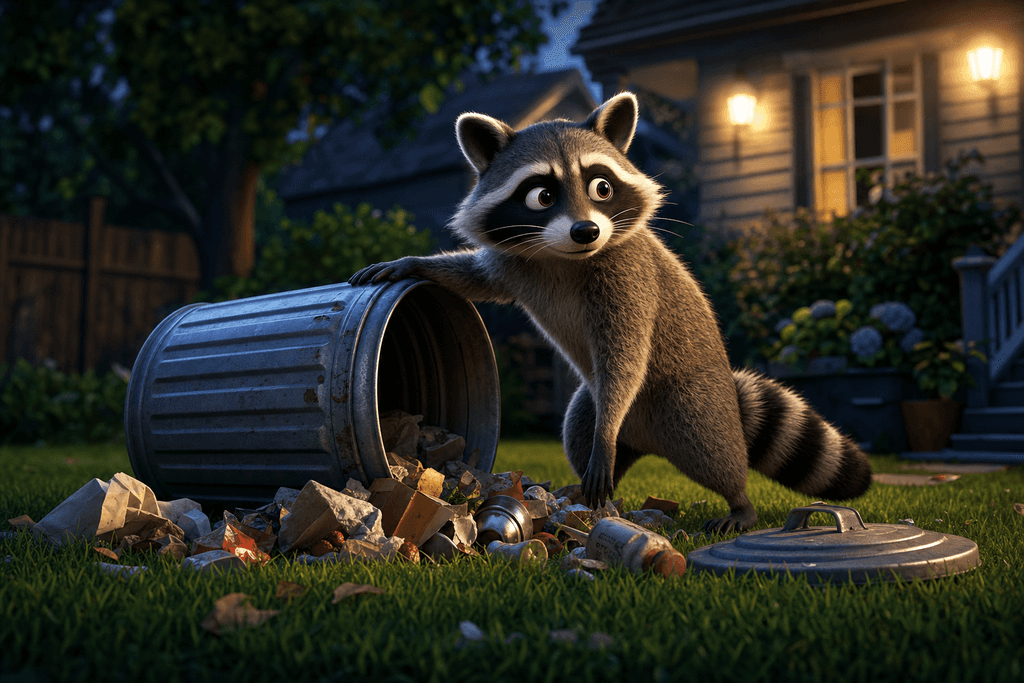
A single raccoon can cause over $3,000 in property damage in just one week, tearing through insulation, chewing electrical wires, and contaminating your attic with waste. When you hear scratching sounds at 2 AM or spot masked bandits rummaging through your trash, the big question hits: should you call animal control or a wildlife removal company? Understanding when to reach out for help can save you thousands of dollars and protect your family from the health risks these clever critters bring with them.
Table of Contents
- Understanding Animal Control vs. Wildlife Removal Services
- Situations That Require Immediate Animal Control
- When Professional Wildlife Removal Is Your Best Option
- Signs You Need Help Right Now
- What Happens After You Make the Call
- The Real Cost of Waiting
- Getting the Right Help for Your Raccoon Problem
- Common Questions About Raccoon Removal
Understanding Animal Control vs. Wildlife Removal Services
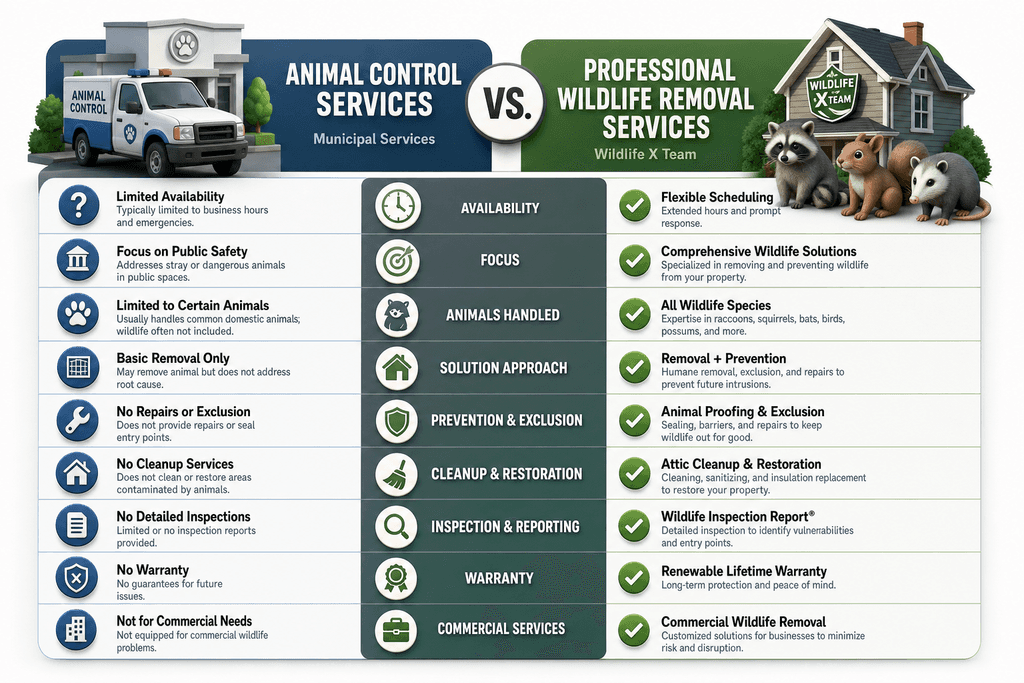
Most people think animal control and wildlife removal are the same thing, but they're actually quite different services. When you spot a raccoon on your property, knowing who to call can save you time, money, and a lot of frustration. Animal control is a government service that focuses mainly on domestic animals like stray dogs and cats, while wildlife removal companies like Wildlife X Team specialize in dealing with wild animals that have invaded your space. The difference matters because calling the wrong service might leave you waiting days for help or getting no help at all.
What Animal Control Actually Does
Animal control officers work for your city or county and handle specific types of situations. Their main job is keeping the public safe from dangerous or sick animals, not removing wildlife from your attic. Here's what they typically cover:
- Picking up stray dogs and cats wandering neighborhoods
- Responding to aggressive animals that pose immediate threats to people
- Handling rabies cases or animals showing signs of serious illness
- Enforcing local pet laws and licensing requirements
- Investigating animal cruelty or neglect cases
Most animal control departments won't come out for raccoons unless the animal is acting strangely or appears sick. They're usually understaffed and focused on emergencies involving domestic animals.
How Wildlife Removal Companies Work Differently
Professional wildlife removal services take a completely different approach to raccoons and other wild animals. These companies understand animal behavior and use humane methods to solve your problem for good. Wildlife X Team, for example, doesn't just remove the raccoon and leave.
Here's what professional wildlife removal typically includes:
- Complete property inspection to find all entry points
- Safe and humane animal removal using proper equipment
- Repairs and exclusion work to prevent future invasions
- Cleanup and sanitization of contaminated areas
- Warranties that protect your home long-term
Comparing Your Options
When you're dealing with raccoons, understanding the practical differences between these services helps you make the right call. Response time is usually the first thing you'll notice since animal control might take days to respond while wildlife companies often come out the same day.
Cost is another big factor. Animal control services are typically free or low-cost because they're tax-funded, but they offer limited help with wildlife. Professional wildlife removal costs money upfront but includes everything you need to actually solve the problem. Companies like Wildlife X Team provide detailed inspections, complete removal, repairs, and prevention work that animal control simply doesn't offer.
The scope of service matters too. Animal control might remove a raccoon if they have time, but they won't fix the hole it used to get in. That means the next raccoon will use the same entrance. Wildlife removal companies handle the whole situation from start to finish, which is why they offer warranties on their work.
When Each Service Makes Sense
Knowing when to call which service saves you hassle. Call animal control for raccoons in these specific situations:
- The raccoon is acting aggressively toward people or pets
- You see a raccoon stumbling around during daytime looking sick
- Someone has been bitten or scratched by the animal
- The raccoon appears injured and needs immediate help
For pretty much everything else, a wildlife removal company is your better option. If raccoons are in your attic, walls, or chimney, or if you keep seeing them around your property at night, professional wildlife removal gives you a real solution. Wildlife X Team handles these everyday situations with proper equipment and expertise that animal control doesn't have.
Some situations need both services. If a raccoon bites someone, call animal control first for the public health response, then call a wildlife company to handle the removal and prevention work. The key is understanding that animal control handles emergencies while wildlife removal solves ongoing problems.
Situations That Require Immediate Animal Control
Raccoons might look cute in nature documentaries, but they can become dangerous fast. Most of the time, you'll want to call a wildlife removal service instead of animal control. But there are specific situations where animal control should be your first call, especially when public safety is at risk. Knowing the difference could protect you, your family, and your neighbors from serious harm. Animal control handles immediate threats, while wildlife removal companies focus on long-term solutions.
Aggressive behavior is the biggest red flag. If a raccoon is acting strangely during daylight hours, hissing, charging at people, or showing no fear of humans, something is seriously wrong. This could indicate rabies or distemper, both of which are deadly diseases that can spread to humans and pets.
- Raccoons attacking pets or threatening people in your yard or neighborhood
- Injured raccoons in public areas that could bite if approached
- Raccoons displaying rabid behavior like stumbling, excessive drooling, or unprovoked aggression
- Dead raccoons on your property that need safe removal to prevent disease spread
- Legal requirements in your area that mandate reporting certain wildlife encounters
Some cities and counties require you to report potentially rabid animals by law. In the Fort Worth, Denton, and Granbury areas, animal control services are available for these emergency situations. They're equipped to handle dangerous animals and can test for diseases that pose public health risks.
Emergency Signs Checklist:
- Raccoon is active during daytime without obvious reason
- Animal shows aggression toward people or pets
- Visible signs of injury or illness
- Raccoon appears disoriented or unable to walk straight
- Animal is foaming at the mouth or drooling excessively
When Professional Wildlife Removal Is Your Best Option
Here's where things get interesting. Most raccoon problems don't actually require animal control at all. If raccoons have moved into your attic, walls, or crawl spaces, you're dealing with a property issue, not a public safety emergency. Animal control typically won't help with raccoons living in your home because that's not their job. They focus on immediate threats in public spaces, not long-term wildlife management on private property.
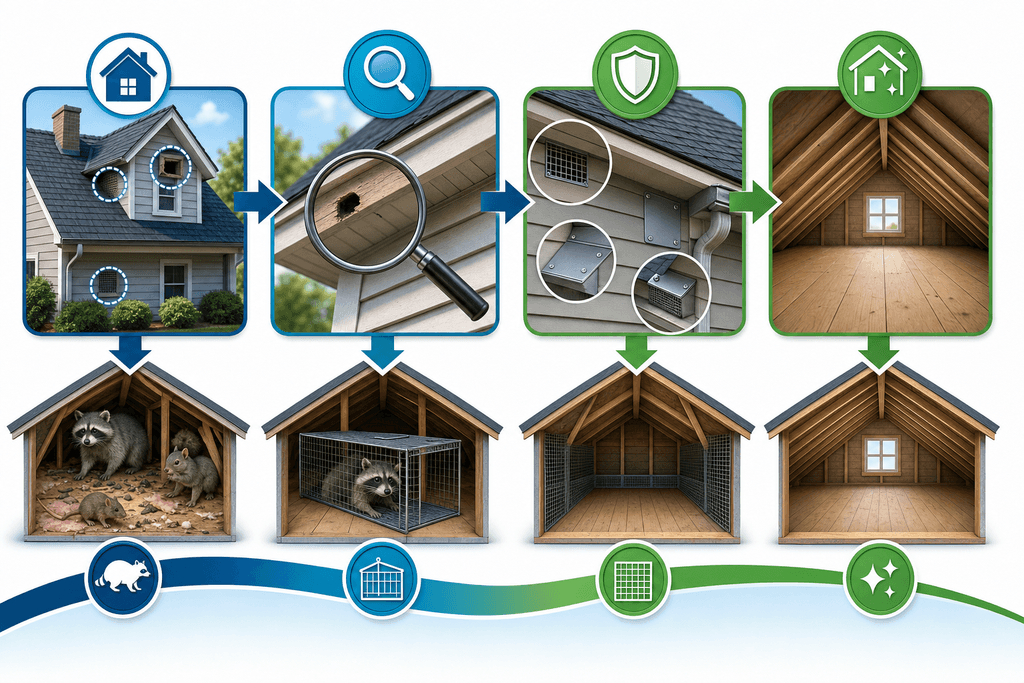
Professional wildlife removal services handle the situations that animal control won't. When raccoons tear up your insulation, damage electrical wiring, or leave contaminated waste throughout your attic, you need more than just removal. You need someone who can fix the damage and make sure it never happens again.
Wildlife X Team's approach covers everything from initial inspection to long-term prevention. The Wildlife Inspection Report identifies every vulnerability in your property, not just the obvious entry points. This matters because raccoons are smart enough to find new ways in if you only fix one hole.
- Complete removal of raccoons from attics, walls, and crawl spaces
- Repair of property damage including torn screens, damaged vents, and compromised roofing
- Installation of barriers and exclusion devices to prevent future intrusions
- Thorough cleanup and disinfection of contaminated areas
- Replacement of damaged insulation and sealing of all entry points
- Renewable Lifetime Warranty for ongoing protection
The cost difference between temporary fixes and permanent solutions adds up fast. Property damage from raccoons averages between $2,000 and $5,000 per incident, and that doesn't include health risks from contaminated waste. Professional services might seem more expensive upfront, but they save money by preventing repeat invasions.
Signs You Need Help Right Now
You don't always see the raccoons themselves before the damage becomes serious. Most homeowners first notice strange sounds coming from above their bedroom ceiling around midnight. Those scratching, thumping, and chattering noises mean raccoons are already settled in and probably raising babies. The longer you wait, the worse the problem gets because raccoons can cause significant structural damage in just a few weeks.
Visible damage to your roof or vents is a clear warning sign. Raccoons have incredibly strong paws and can tear through wood, shingles, and even some metals. If you see bent vent covers, missing shingles, or holes in your soffits, raccoons have likely found their way inside.
Warning Signs Assessment:
- Scratching or thumping sounds in attic, especially between dusk and dawn
- Foul odors from ceiling or walls indicating waste accumulation
- Visible raccoon droppings around property perimeter
- Damaged roof vents, soffits, or fascia boards
- Torn or compressed insulation visible in attic spaces
- Chewed electrical wiring (fire hazard)
- Multiple raccoons or baby raccoons spotted on property
Foul odors are another major indicator that shouldn't be ignored. Raccoon urine and feces create a strong ammonia smell that gets worse over time. This waste carries diseases like raccoon roundworm, which can be transmitted to humans through airborne particles. Professional cleanup isn't optional when dealing with contaminated areas.
The Wildlife Inspection Report that Wildlife X Team provides goes beyond surface-level checks. It identifies hidden vulnerabilities that raccoons might exploit in the future, even if they're not using them now. This comprehensive approach is what separates professional wildlife management from basic animal removal.
What Happens After You Make the Call
The response you get depends entirely on who you call. Animal control services typically operate during business hours and prioritize emergency situations involving public safety threats. If you call about raccoons in your attic, you might wait days for a response, or they might refer you to a private wildlife removal company anyway. Response times matter when raccoons are actively damaging your property every night.
Professional wildlife removal services like Wildlife X Team offer faster response times and comprehensive solutions. The process starts with a detailed inspection of your entire property, not just the obvious problem areas. This inspection identifies how raccoons got in, where they're nesting, and what damage has already occurred.
- Initial phone consultation to assess the situation and schedule inspection
- Thorough property inspection using the Wildlife Inspection Report system
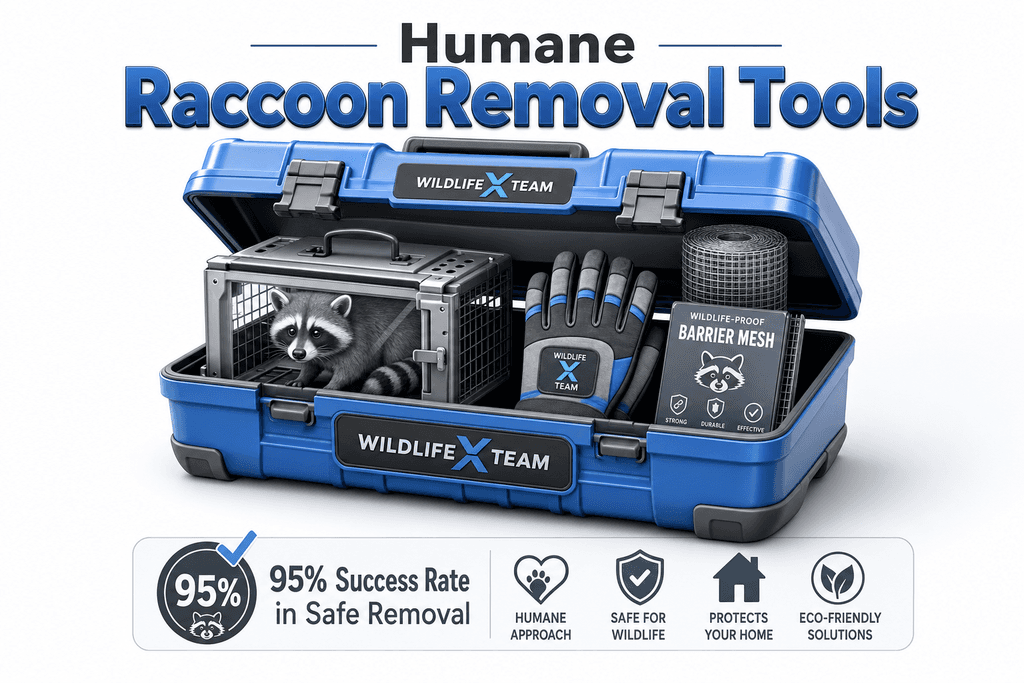
- Humane removal using one-way doors and exclusion devices
- Complete sealing of all entry points with durable materials
- Cleanup and disinfection of contaminated areas
- Insulation replacement if needed
- Installation of preventive barriers and guards
The humane removal methods used by professionals ensure raccoons leave safely without causing additional damage. One-way doors let raccoons exit but prevent them from getting back in. This approach works better than trapping because it doesn't separate mother raccoons from their babies, which can lead to desperate animals causing even more destruction trying to reunite.
Real Customer Experience:
"Top notch service! They effectively removed the raccoons and secured my attic against future invasions." - Mark Thompson
Prevention matters just as much as removal. Wildlife X Team's Renewable Lifetime Warranty covers future wildlife intrusions, which means if raccoons find another way in, they come back to fix it at no additional cost. This warranty only works because of the thorough exclusion work done during the initial service, including foundation repair, chimney protection, and installation of vent guards.
The cleanup and restoration phase addresses health risks that animal control doesn't handle. Contaminated insulation gets removed and replaced, all waste gets properly disposed of, and affected areas get disinfected with professional-grade products. This step protects your family from diseases and eliminates the odors that might attract more wildlife to your property.
The Real Cost of Waiting
Most homeowners in the Fort Worth area don't realize that raccoon damage can cost anywhere from $2,000 to $8,000 in repairs when left unchecked. What starts as a few scratching sounds in your attic can quickly turn into a financial nightmare that keeps getting worse with each passing week. The longer raccoons stay in your home, the more they treat it like their personal bathroom and nursery. Insurance companies often deny claims for wildlife damage because they consider it a maintenance issue that should have been addressed sooner.
Damage Costs Add Up Fast
Raccoons don't just move in and sit quietly. They actively destroy your property every single day they're there. The average raccoon produces about a pound of waste daily, and a family of raccoons can contaminate an entire attic in just a few weeks.
- Insulation replacement typically runs $1,500 to $4,000 for an average-sized attic
- Electrical wire damage can cost $500 to $2,000 to repair and creates serious fire hazards
- Structural wood damage from urine saturation often exceeds $3,000 in repair costs
- HVAC duct contamination requires professional cleaning at $800 to $1,500
- Ceiling and drywall replacement from waste seepage averages $1,200 to $3,500
$5,200 - Average total cost of raccoon damage after 3 months of infestation in Fort Worth homes
Health Risks Grow With Time
Raccoon waste carries serious health threats that multiply as the contamination spreads. Raccoon roundworm eggs can survive in your attic for years and cause severe neurological damage if accidentally inhaled or ingested.
- Raccoon roundworm (Baylisascaris) affects the central nervous system and can be fatal
- Leptospirosis bacteria from urine causes kidney and liver damage in humans
- Histoplasmosis fungus grows in accumulated droppings and attacks the lungs
- Rabies exposure risk increases with every encounter or bite incident
Early Action Saves Thousands
Getting professional help within the first two weeks of noticing raccoons can save you serious money. Wildlife X Team's comprehensive approach includes removal, cleanup, and prevention, which costs far less than dealing with months of accumulated damage. While some Fort Worth homeowners try DIY solutions or wait for raccoons to leave on their own, this delay typically doubles or triples the final repair bill.
67% - Percentage of homeowners who spend more on repairs than removal because they waited too long to call professionals
The difference between a $1,200 removal service and a $6,000 repair nightmare often comes down to just a few weeks of waiting. Professional services like those offered by Wildlife X Team include warranties that protect against future invasions, making early intervention the smartest financial decision you can make.
Getting the Right Help for Your Raccoon Problem
Knowing when to call animal control versus a wildlife removal service can save you time and money. Animal control handles sick, injured, or dangerous animals in public spaces, but they usually can't help with raccoons living in your attic or causing property damage. That's where professional wildlife removal comes in, and the difference matters more than most people realize.
Quick fixes might get a raccoon out today, but they often come back tomorrow. The real solution involves finding every entry point, removing the animals safely, and making sure they can't return. Wildlife X Team handles all of this through our comprehensive approach that includes removal, exclusion, and cleanup services.
We serve the Fort Worth, Denton, Granbury, and surrounding areas, which means we understand the specific raccoon behaviors in North Texas. Our team knows where these animals hide, how they get in, and what it takes to keep them out for good.
The choice between calling raccoons animal control or a wildlife removal specialist depends on your situation. But if those raccoons are on your property, in your home, or causing damage, you need someone who can do more than just remove them. You need a team that prevents the problem from happening again.
If you're dealing with raccoons at your property, give us a call at (817) 799-8686. Our Wildlife Inspection Report will show you exactly what's going on and what needs to happen next.
Common Questions About Raccoon Removal
Dealing with raccoons on your property brings up a lot of questions, especially when you're trying to figure out who to call and what to expect. Most homeowners aren't sure whether they need animal control, a wildlife removal company, or if they can handle the problem themselves. The answers depend on your specific situation, but knowing what to expect can help you make the right choice and avoid costly mistakes down the road.
Does animal control remove raccoons from attics?
Most animal control departments only handle raccoons that pose an immediate public safety threat, like aggressive animals in public spaces. They typically don't remove raccoons from private property like attics, crawl spaces, or chimneys. For these situations, you'll need a professional wildlife removal service like Wildlife X Team that specializes in humane removal and prevention strategies to keep them from returning.
How much does professional raccoon removal cost?
Professional raccoon removal costs vary based on the severity of the infestation, how many entry points need sealing, and whether you need attic cleanup services. While some companies charge separately for inspection, removal, and exclusion work, Wildlife X Team provides comprehensive solutions that address the entire problem. Getting multiple quotes helps, but the cheapest option often leads to recurring problems if the company doesn't properly seal entry points or address what attracted the raccoons in the first place.
Are raccoons dangerous to pets and children?
Raccoons can be dangerous, especially when cornered or protecting their young. They carry diseases like rabies and raccoon roundworm, which can spread to humans and pets through bites, scratches, or contact with their droppings. Even seemingly friendly raccoons should never be approached, as they're wild animals with unpredictable behavior. Keep pets and children away from any areas where you've seen raccoon activity until professionals can safely remove them.
How long does raccoon removal take?
The removal process usually takes a few days to a couple of weeks, depending on whether you have a single raccoon or a mother with babies. Humane removal requires setting up one-way doors or traps that allow raccoons to leave but not return. If babies are present, professionals need to locate and remove them first before the mother will leave, which adds time but ensures no animals are trapped inside your home.
What prevents raccoons from coming back?
Proper exclusion work is what keeps raccoons from returning after removal. This includes sealing all entry points with durable materials, installing chimney caps and vent guards, and repairing foundation gaps. Wildlife X Team offers a Renewable Lifetime Warranty on their exclusion work, which means if raccoons find a way back in through a sealed area, they'll fix it at no additional cost. Without professional exclusion, raccoons often return within weeks because they remember where they found shelter before.
Do I need attic cleanup after raccoon removal?
Yes, attic cleanup is essential after raccoon removal because their droppings contain harmful parasites and bacteria that can make you sick. Raccoons also damage insulation, tear up ductwork, and leave urine-soaked materials that create health hazards and terrible odors. Professional cleanup involves removing contaminated insulation, disinfecting all surfaces, and replacing damaged materials to restore your attic to a safe condition.