What to Expect During a Wildlife Removal Consultation in Denton

Strange scratching sounds in your attic at night usually mean you have uninvited guests, and they rarely leave on their own. A professional wildlife removal consultation is the first step to identifying exactly what's living in your home and how they got in. Wildlife X Team's inspection process uncovers hidden entry points and damage that most homeowners miss, setting the stage for a complete solution that keeps animals out for good.
Table of Contents
Why Professional Wildlife Consultations Matter
North Texas homeowners deal with over 40,000 wildlife intrusion cases every year, and most of them start the same way. Someone hears scratching in the attic, spots a raccoon near the trash, or notices a weird smell coming from the walls. The first instinct is usually to grab some chicken wire from the hardware store and patch up the obvious hole. But here's the thing: what you can see is almost never the whole problem.
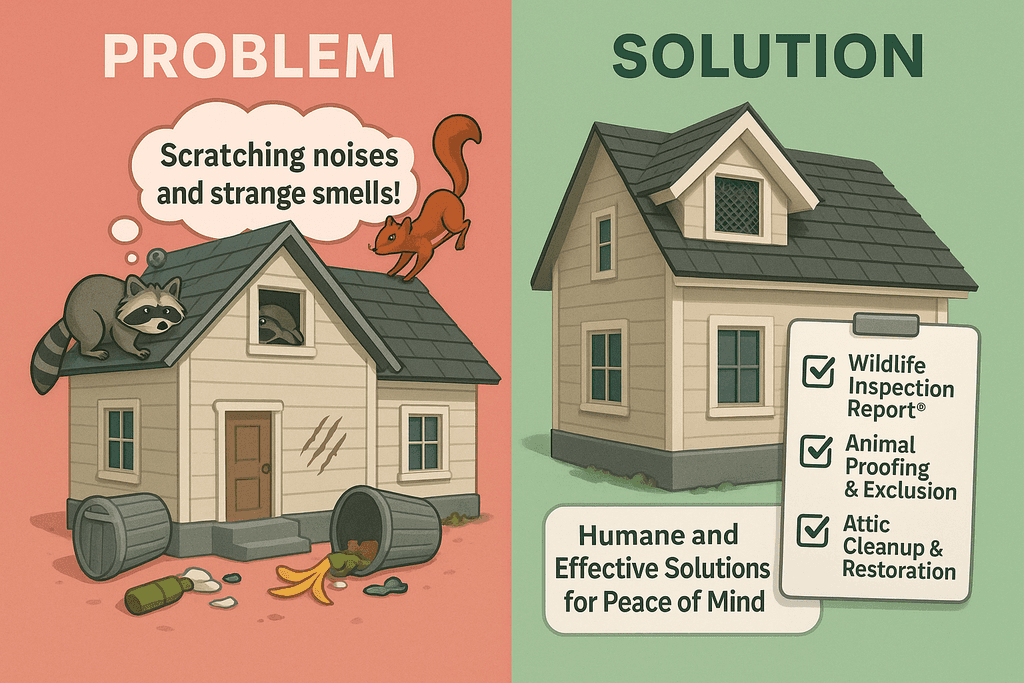
Wildlife doesn't just pick one spot to get into your home. Raccoons, squirrels, and possums are smart enough to create backup entry points. They'll test your roof vents, chew through fascia boards, and squeeze through gaps you didn't even know existed.
The Real Cost of DIY Wildlife Removal
When you try to handle wildlife removal yourself, you're basically playing a guessing game with your house. Most people seal up the obvious entry point and call it a day. Then three weeks later, the scratching starts again because the animals found another way in.
$2,500 - Average cost of wildlife damage repairs in North Texas homes
The problems with DIY approaches include:
- Missing hidden entry points that animals use as backup routes
- Sealing animals inside your home, which creates worse damage and smells
- Not addressing contamination from droppings and urine
- Failing to identify structural damage that needs repair
Common Wildlife Problems in Denton and Surrounding Areas
The Dallas-Fort Worth area has a specific set of wildlife challenges that homeowners face throughout the year. Raccoons are the most destructive, often tearing through roof shingles and creating multiple entry points. Squirrels are the most persistent, chewing through wood and even some metals to get back into spaces they've claimed as territory.
73% - Percentage of North Texas homes with at least one wildlife entry point
The most common issues we see include:
- Raccoons nesting in attics during spring breeding season
- Squirrels chewing through electrical wiring and insulation
- Possums living in crawl spaces and under decks
- Multiple species using the same entry points at different times
Health Risks and Property Damage
Wildlife in your home isn't just annoying. It's actually dangerous. Animal droppings carry diseases like histoplasmosis and leptospirosis. Raccoon feces can contain roundworm eggs that stay infectious in your attic for years. Squirrels chew through electrical wiring, which causes about 25,000 house fires in the US every year.
Professional consultations catch these problems early. Wildlife X Team's inspection process identifies not just where animals are getting in, but what damage they've already caused. Our Wildlife Inspection Report® maps out every vulnerability in your property, which is something you can't do with a flashlight and a YouTube video.
$800-$4,000 - Cost range for recurring wildlife problems vs one-time professional removal
The risks of ignoring professional help include:
- Contaminated insulation that spreads airborne pathogens through your HVAC system
- Structural damage to roof decking, fascia, and support beams
- Recurring infestations that cost more money each time
- Decreased home value if damage isn't properly documented and repaired
Companies like Critter Control and Terminix offer wildlife services, but many focus on quick removal without the detailed inspection and prevention work. The difference between a consultation and just showing up to trap an animal is whether the problem actually gets solved or just paused for a few months.
The Initial Property Inspection Process
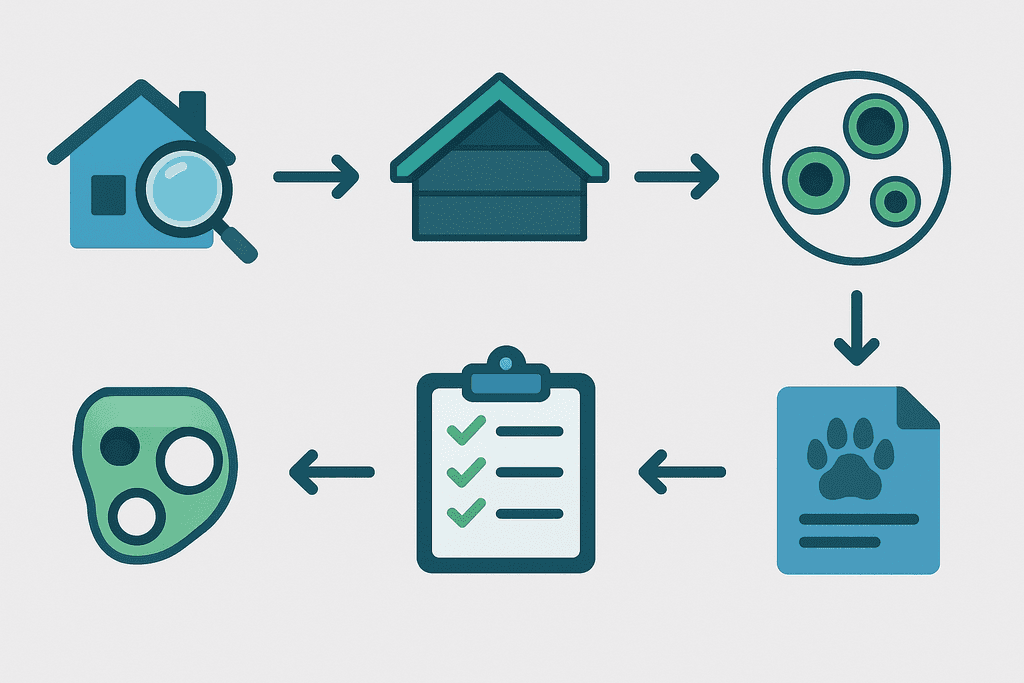
Most homeowners don't realize that wildlife can squeeze through openings as small as a quarter. When you schedule a consultation with Wildlife X Team, the first thing that happens is a thorough inspection of your property. This isn't just a quick walk around your house. The technician will spend time examining every potential entry point, from your roofline down to your foundation, looking for signs that animals have already found their way inside or might soon.
The Initial Property Inspection Process
The inspection starts outside where most problems begin. Technicians check your roof edges, soffits, vents, and chimney for gaps or damage that could let wildlife in. They look at your foundation for cracks and examine areas where different building materials meet, since these spots often create small openings. You might think your home is sealed tight, but animals are surprisingly good at finding weaknesses you'd never notice.
What Gets Checked During Your Consultation
- Roof vents, ridge caps, and shingle damage
- Soffit and fascia boards for gaps or rot
- Chimney caps and flue openings
- Foundation cracks and crawl space vents
- Attic spaces for active wildlife presence
- Wall cavities accessible through inspection
- Droppings, tracks, nesting materials, and chewed wires
- Insulation damage and contamination
Inside your home, the technician focuses on spaces where animals typically hide. Attics, crawl spaces, and wall cavities get special attention because these are where wildlife problems usually show up first. The specialist knows what to look for, from raccoon latrines to squirrel nesting materials to the distinctive smell of animal urine in insulation.
Every finding gets documented with photos and detailed notes. The Wildlife Inspection Report® you receive isn't just a list of problems. It's a complete assessment of your property's vulnerabilities, showing you exactly where animals are getting in and where they might try next. This report becomes the foundation for everything that comes after.
Understanding Your Customized Action Plan
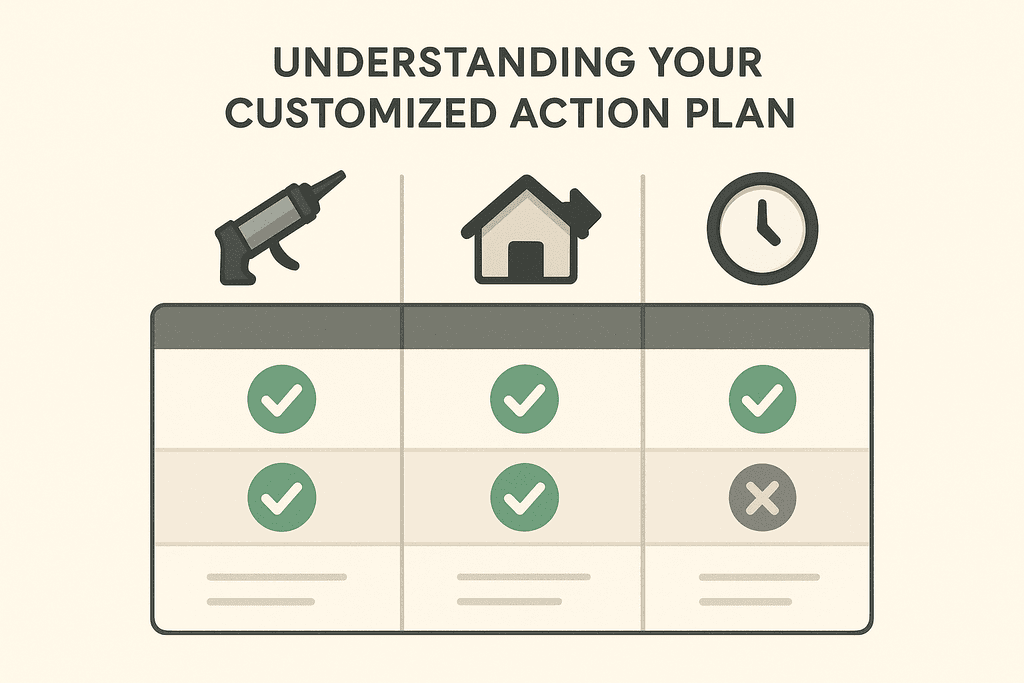
Once the inspection wraps up, the technician sits down with you to explain what they found. This is where things get specific to your situation. A squirrel problem requires different solutions than a raccoon issue, and a small entry point needs different repairs than a damaged soffit. The action plan gets built around your exact wildlife species and property conditions, not some cookie-cutter approach that might work for someone else's house.
Understanding Your Customized Action Plan
The removal methods always prioritize keeping animals safe while solving your problem. Some companies use traps that can harm wildlife, but humane removal means using one-way doors and exclusion devices that let animals leave but not return. The technician explains which method works best for your situation and why.
Here's what most people want to know: how long will this take? The timeline depends on whether animals are currently inside and how many entry points need sealing. Sometimes the work starts the same day if it's urgent. Other times, it makes sense to wait until baby animals are old enough to leave with their mother, which is actually more humane than separating families.
Exclusion strategies are really where long-term protection happens. It's not enough to just remove the animals currently in your attic. Wildlife X Team identifies every potential entry point and explains how each one gets sealed. This might include installing vent guards, repairing foundation cracks, adding chimney caps, or replacing damaged wood. The goal is making sure no other animals can get in after the current ones leave.
If your attic insulation got contaminated or your wiring got chewed, that gets added to the plan too. The technician walks you through what repairs are needed and why they matter for your home's safety and value. Everything gets explained in plain language, not technical jargon that leaves you confused about what you're actually paying for.
Cost Factors and Next Steps After Your Consultation
Nobody likes surprises when it comes to pricing, which is why the consultation includes a detailed estimate. The cost depends on several factors that make sense once you think about them. A single squirrel with one entry point costs less to handle than a family of raccoons with multiple access points. The size of your property matters too, since a larger home takes more time to inspect and seal properly.
What you're paying for isn't just the removal itself. The estimate covers the humane removal process, all the exclusion work to seal entry points, and prevention services to keep wildlife out long-term. Some situations need attic cleanup and insulation replacement if contamination is severe. The Renewable Lifetime Warranty means you get long-term protection, not just a temporary fix that fails in six months.
What Happens After the Consultation
Jesse Bernard had squirrels throwing what he called a "party" in his attic. The team came out for an estimate and started work immediately. He'd spotted one obvious entry point and considered sealing it himself, but the technicians found several others he never would have noticed. Months later, his attic remains squirrel-free.
Mark Thompson dealt with raccoons and needed his attic secured. The team removed the raccoons effectively and made sure future invasions couldn't happen. David Lee had a similar experience with squirrels, noting how responsive the team was and how quickly they resolved his problem.
Many consultations lead to same-day service when the situation is urgent. If animals are in your walls or attic right now, waiting doesn't make sense. The technician can often start the removal process immediately after you approve the plan. For less urgent situations, you can schedule the work for whatever time works best for your schedule.
You're never obligated to move forward after a consultation. Some homeowners want time to think about it or get other opinions. But most people choose to proceed right away because the problem isn't going to fix itself. Wildlife damage gets worse over time, and animals can cause serious issues with wiring, insulation, and structural components if left alone. The technician answers all your questions and makes sure you understand exactly what happens next before any work begins.
Taking Action Protects Your Home
A wildlife removal consultation gives you something most homeowners don't have when they hear scratching in their walls: a clear picture of what's actually happening and how to fix it. You'll know exactly which animals are causing problems, where they're getting in, and what damage they've already done. More importantly, you'll understand what needs to happen next instead of just guessing or trying random solutions that might not work.
The truth is, most people miss the real entry points when they inspect their own property. That tiny gap under your roof line or the loose vent cover might look fine to you, but it's an open door to wildlife. During a consultation, Wildlife X Team's trained specialists catch these hidden vulnerabilities that lead to repeat invasions down the road.
Here's what makes early action worth it:
- You stop small problems before they turn into expensive repairs
- You protect your family from health risks like contaminated insulation
- You get a plan that actually prevents animals from coming back
- You avoid the stress of dealing with wildlife on your own
The longer wildlife stays in your home, the more damage they cause and the harder they are to remove. Animals don't just leave on their own, and temporary fixes usually fail within weeks or months.
Wildlife X Team's approach covers everything from the initial inspection to long-term prevention with their Renewable Lifetime Warranty. That means you're not just paying someone to chase animals out and hope for the best.
You probably still have questions about how the process works and what it costs. That's normal, and there are some common concerns that come up during almost every consultation.
Common Questions About Wildlife Consultations
Most homeowners have never dealt with a wildlife intrusion before, so it's normal to have questions about what happens during a consultation. The process is pretty straightforward, but knowing what to expect can help you feel more prepared. Wildlife X Team has handled thousands of consultations across the Dallas-Fort Worth area, and these are the questions that come up most often. Getting answers ahead of time means you can focus on solving your wildlife problem instead of worrying about the details.
How long does a consultation take?
A typical wildlife consultation takes between 45 minutes to an hour and a half, depending on the size of your property and the extent of the problem. The technician needs time to inspect your attic, crawl spaces, foundation, and exterior for entry points and signs of wildlife activity. If you have a larger property or multiple problem areas, it might take a bit longer to complete a thorough inspection.
Do I need to be home during the inspection?
Yes, it's best if you're home during the consultation so the technician can ask questions about what you've seen or heard and show you exactly what they find. You'll get to see the entry points, damage, and droppings firsthand, which helps you understand the scope of the problem. Plus, the technician can answer your questions on the spot and explain the recommended solutions in detail.
What should I prepare before the technician arrives?
You don't need to do much preparation, but clearing a path to your attic access point and any crawl spaces makes the inspection go smoother. If you have pets, it's helpful to secure them in another room so the technician can move freely around your property. Make a mental note of when you first noticed the problem, what sounds you've heard, and where you've seen signs of wildlife activity.
Is there a fee for the consultation?
Many wildlife removal companies charge for consultations, though some offer free estimates. Wildlife X Team provides detailed Wildlife Inspection Reports that identify all vulnerabilities in your property, which gives you a complete picture of what needs to be addressed. It's worth asking about consultation fees when you call to schedule, as policies can vary.
How quickly can removal start after the consultation?
In many cases, removal can start the same day if the situation is urgent and the technician has the necessary equipment. One customer mentioned that Wildlife X Team gave an estimate and got to work on the spot when they discovered a squirrel problem. For more complex situations requiring custom exclusion work, the team will schedule a follow-up appointment within a few days.
What if wildlife returns after service?
This is where choosing the right company matters. Wildlife X Team offers a Renewable Lifetime Warranty on their work, which means if animals find a way back in through the areas they've sealed, they'll come back and fix it. Unlike some competitors who only offer short-term guarantees, this long-term protection gives you peace of mind that your wildlife problem is solved for good, not just temporarily patched up.