
Weatherford Raccoon Removal for Attics, Garages, and Rooflines

Raccoons can squeeze through openings as small as four inches, which means that gap in your roofline or damaged soffit is an open invitation to these masked intruders. Weatherford homeowners often discover they're hosting unwanted guests only after hearing scratching sounds at night or noticing torn insulation in their attic. Understanding why raccoons target certain homes in our area is the first step toward protecting your property from these surprisingly destructive animals.
Why Weatherford Homes Attract Raccoons
Weatherford sits in a unique position where rural farmland meets growing suburban neighborhoods, creating what wildlife experts call an "edge habitat" that raccoons absolutely love. These adaptable animals thrive in areas where they can access both natural food sources and human structures for shelter. Your home offers everything a raccoon family needs: protection from predators, consistent temperatures, and easy access to food from nearby trash cans or pet bowls. The blend of open spaces and residential development in Weatherford means raccoons don't have to choose between wilderness and comfort—they get both.
Attics become prime real estate for raccoons because they mimic the hollow trees these animals naturally seek out in the wild. The insulation provides soft nesting material, the enclosed space offers security, and the elevation keeps them safe from ground predators. Rooflines and soffits are particularly vulnerable because raccoons are excellent climbers with nimble paws that can tear through weakened wood or pry open loose vents. Once a female raccoon identifies your attic as a safe den site, she'll often return year after year to raise her young there.
Spring and fall mark the busiest seasons for raccoon removal Weatherford TX services, and there are clear biological reasons why. In spring, female raccoons search for secure denning sites to give birth and raise their kits, typically between March and May. Fall brings a second wave of activity as raccoons fatten up for winter and seek warm shelter before temperatures drop. During these peak seasons, Wildlife X Team at 11833 Katy Rd in Keller responds to increased calls from Weatherford residents who've discovered raccoon families have moved into their homes.
The specific features of many Weatherford properties make them especially attractive to raccoons looking for entry points. Older homes with wooden soffits, properties surrounded by mature trees that provide "bridges" to rooflines, and houses with attached garages or outbuildings all present easy access opportunities. Even newer construction isn't immune—builder-grade vent covers and improperly sealed roof penetrations give determined raccoons the opening they need to establish residence in your attic.
Table of Contents
Understanding Raccoon Behavior in Weatherford
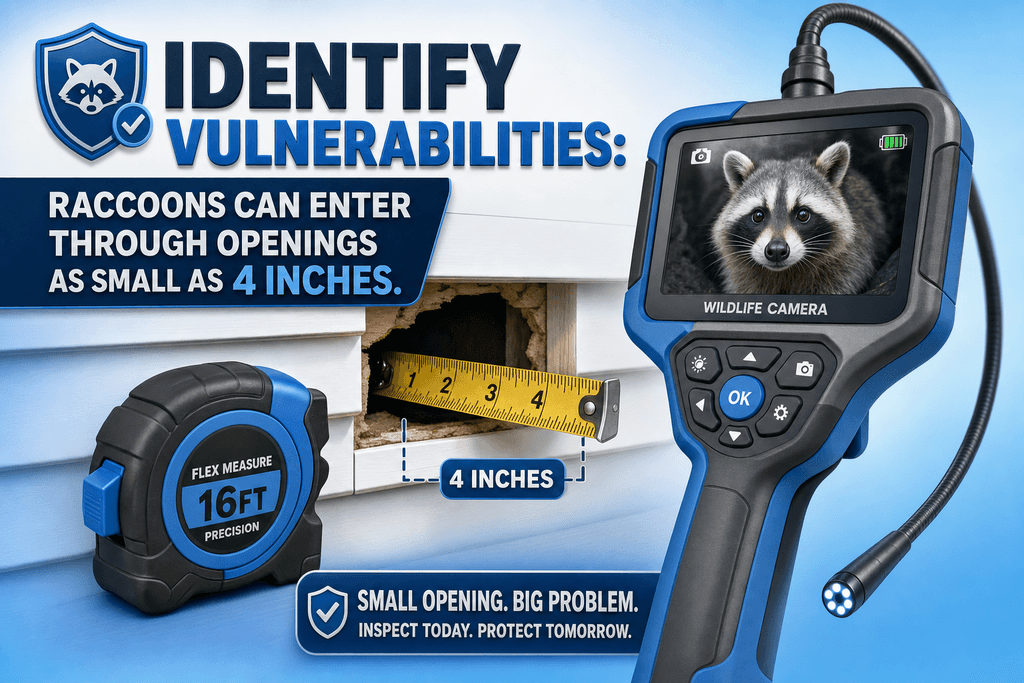
Raccoons can squeeze through openings as small as four inches, which means your roof has dozens of potential entry points you've probably never noticed. These masked bandits aren't just passing through Weatherford - they're actively looking for places to call home, and your attic checks all their boxes. The combination of shelter, warmth, and nearby food sources makes residential properties in Weatherford prime real estate for raccoon families. Understanding why raccoons choose certain spots helps homeowners protect their properties before damage occurs.
Why Raccoons Target Attics and Rooflines
Raccoons are nocturnal creatures that spend their days sleeping in dark, quiet spaces away from predators and people. Your attic provides exactly what they need - insulation for warmth, protection from weather, and minimal disturbance during daylight hours. These animals have excellent climbing abilities and can scale brick walls, trees, and downspouts to reach your roof with ease.
The elevated position of attics also appeals to their natural instincts. In the wild, raccoons den in hollow trees and elevated spaces where they feel safe from ground predators.
North Texas raccoon populations have increased by 35% over the past decade, with urban and suburban areas seeing the highest concentration of wildlife conflicts.
Breeding Season Brings Desperate Mothers
Female raccoons become especially aggressive about finding den sites between February and May during breeding season. A pregnant raccoon will tear through roof materials, rip apart vents, and pry open soffits to create a safe space for her babies. Once she's inside, she'll have a litter of 3-5 kits that stay in your attic for 8-10 weeks before they're mobile enough to leave.
During this time, the damage multiplies quickly. Here's what typically happens:
- Mother raccoons shred insulation to create nesting material
- Urine and feces accumulate in specific latrine areas
- Baby raccoons make chirping sounds that attract more wildlife
- The family creates multiple entry and exit points for safety
A single raccoon family can cause $3,000-$8,000 in attic damage within just one breeding season through contamination and structural destruction.
Weatherford Climate Supports Year Round Activity
Unlike northern states where raccoons enter a dormant state during winter, Weatherford's mild climate keeps raccoons active throughout the year. The area's mix of residential neighborhoods, creeks, and wooded areas creates perfect habitat conditions. Raccoons find plenty of food sources including pet food left outside, unsecured garbage cans, and fruit trees common in local yards.
The most vulnerable entry points on Weatherford homes include:
- Roof vents with damaged or missing screens
- Soffits and fascia boards weakened by weather
- Chimney caps that are broken or absent
- Gaps where different roofing materials meet
- Attic fans with loose or deteriorated covers
Wildlife X Team's inspection process identifies these weak spots before raccoons do. The company's Wildlife Inspection Report® examines every potential entry point on your property, giving you a clear picture of where your home is vulnerable to raccoon removal weatherford tx situations.
Signs You Have Raccoons in Your Attic or Roofline
Raccoons can cause thousands of dollars in damage before most Weatherford homeowners even realize they're there. These masked bandits are surprisingly strong and can tear through roof materials like they're made of paper. The first clue usually comes at night when you're trying to sleep. You might hear scratching, thumping, or even vocal sounds coming from your ceiling or walls that sound way too loud to be mice.
During daylight hours, take a walk around your property and look up. Damaged roof shingles, torn vents, or broken soffits often mark where raccoons have forced their way inside. These entry points might look small from the ground, but raccoons only need about four inches of space to squeeze through.
- Nighttime noises that sound like heavy footsteps or wrestling matches
- Visible damage to your roofline, especially around vents and soffits
- Droppings that resemble dog feces but contain seeds, berries, or other undigested food
- Torn insulation scattered across your attic floor
- Chewed electrical wiring that creates serious fire hazards
- A strong musky smell that gets worse over time
If you venture into your attic, you'll likely find more evidence. Raccoon droppings look similar to dog feces but usually contain visible bits of undigested food like seeds or berries. The insulation might be shredded and pushed aside to create nesting areas. Even more concerning, you might spot damaged ductwork or chewed electrical wiring, both of which create serious safety issues for your home.
One telltale sign many people miss is the grease marks along entry points. Raccoons have oily fur that leaves dark smudges where they repeatedly enter and exit. These marks appear along roof edges, around vents, and on siding near access points. The smell is another dead giveaway, though by the time the odor becomes noticeable inside your living space, you've probably had raccoons for a while.
Professional Raccoon Removal Process
Getting raccoons out of your Weatherford home takes more than just setting a trap and hoping for the best. The process starts with a thorough inspection to find every single entry point, not just the obvious ones. Wildlife X Team provides a detailed Wildlife Inspection Report that maps out all the vulnerabilities in your property. This matters because raccoons are smart enough to find alternative routes if you only seal the main entrance.
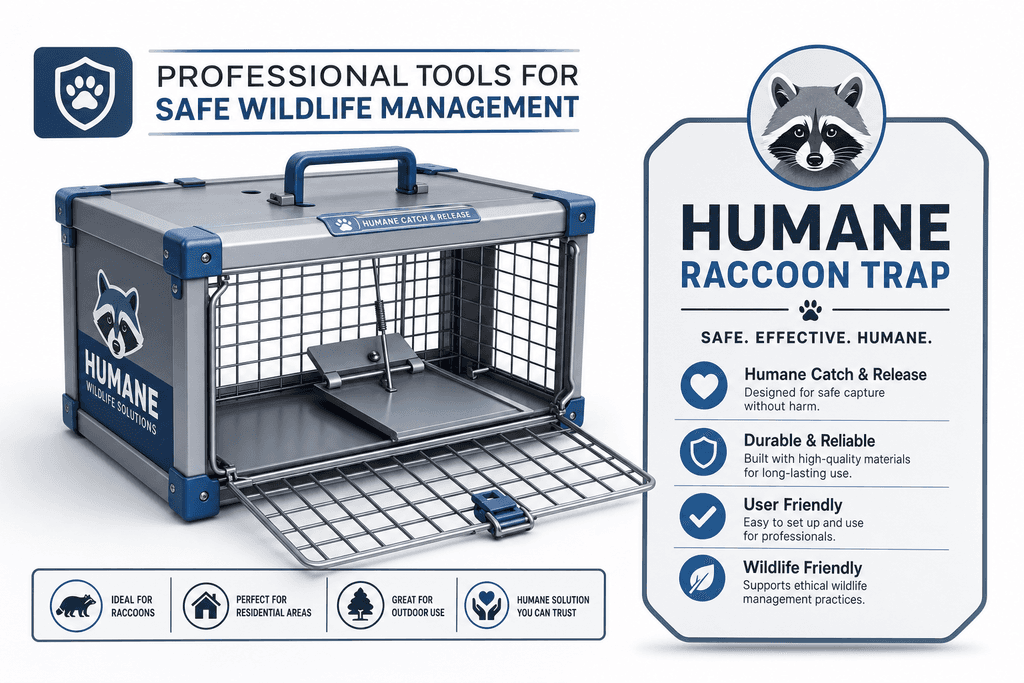
Humane trapping uses specialized equipment that captures raccoons without causing injury. The timing of removal makes a huge difference too. During breeding season, which runs from late winter through early summer, mother raccoons might have babies hidden in your attic. Separating mothers from their young creates a whole new set of problems, so professionals know how to handle family units together.
The exclusion work is where most DIY attempts fall short. After the raccoons are removed, every potential entry point needs to be sealed permanently. This includes:
- Installing one-way doors that let raccoons exit but prevent re-entry
- Reinforcing weak spots in your roofline with durable materials
- Sealing gaps around pipes, vents, and utility lines
- Repairing damaged soffits and fascia boards
Mark Thompson, a local homeowner, shared his experience: "Top notch service! They effectively removed the raccoons and secured my attic against future invasions." His situation involved multiple entry points that he hadn't noticed from ground level. The team at Wildlife X Team found damage along his roofline that would have let more raccoons in within weeks if left unsealed.
One-way doors are particularly effective because they work with raccoon behavior instead of against it. The animals can push their way out to forage for food but can't figure out how to get back in. This method avoids the stress of trapping while ensuring complete removal of all raccoons using your attic.
Protecting Your Weatherford Home After Removal
Removing the raccoons solves the immediate problem, but keeping them out requires a different approach entirely. Weatherford homes face unique challenges because the area provides perfect raccoon habitat with plenty of trees, water sources, and food. Your roof might as well have a welcome mat if the right prevention measures aren't in place. Roof vent guards are essential because standard builder-grade vents offer almost no resistance to a determined raccoon.
Chimney caps serve double duty by blocking raccoon access while maintaining proper ventilation for your fireplace. Without a cap, your chimney becomes a perfect den site with protection from weather and predators. Fascia and soffit repairs eliminate the gaps where rooflines meet walls, which are among the most common entry points we see in the Fort Worth area.
- Professional-grade vent guards that raccoons can't tear through
- Chimney caps designed to withstand animal attempts at removal
- Complete fascia and soffit restoration using raccoon-proof materials
- Strategic tree trimming to remove branches within jumping distance of your roof
- Foundation sealing to prevent ground-level access
Tree trimming often gets overlooked, but it matters more than most people realize. Raccoons can jump several feet horizontally and use overhanging branches like highways to your roofline. Keeping branches at least eight feet away from your house removes their easiest access route.
Wildlife X Team backs their exclusion work with a Renewable Lifetime Warranty, which means if raccoons find a way back in through the areas they've sealed, they'll come back and fix it. This warranty only works because the exclusion methods actually prevent re-entry when done correctly. The team serving Weatherford from their Keller location at 11833 Katy Rd has seen just about every raccoon entry method possible across Fort Worth, Denton, and surrounding areas.
Attic Cleanup and Restoration Services
The mess raccoons leave behind creates health risks that last long after the animals are gone. Raccoon feces can carry raccoon roundworm, a parasite that's dangerous to humans, especially children. The urine soaks into insulation and wood, creating conditions for mold growth and attracting other pests. Simply removing the raccoons and sealing entry points leaves your family exposed to these hazards every time your HVAC system pulls air through the contaminated attic space.
Contaminated insulation loses its effectiveness too. The R-value drops significantly when insulation gets compressed, soiled, or torn apart for nesting material. Your energy bills go up while your home comfort goes down. Professional disinfection eliminates pathogens that regular cleaning can't touch, using products specifically designed for wildlife contamination.
The restoration process involves several critical steps:
- Complete removal of contaminated insulation and nesting materials
- Thorough disinfection of all affected surfaces
- Repair of damaged ductwork that could spread contaminants
- Replacement of chewed electrical wiring to eliminate fire hazards
- Installation of new insulation to restore energy efficiency
Damaged ductwork and wiring require immediate attention because they create ongoing problems even after the raccoons are gone. Holes in ductwork waste conditioned air and reduce your HVAC system's efficiency. Exposed wiring can spark and cause fires, especially in attics where temperatures get extreme during Texas summers.
Complete restoration does more than just clean up the mess. It removes the scent markers that raccoons use to identify good den sites. Without proper odor elimination, your attic continues to smell like a raccoon home to other raccoons in the area. They'll keep trying to get back in because the scent tells them it's a proven shelter location. The cleanup and restoration services ensure your Weatherford home doesn't become a repeat target for the next raccoon looking for a place to raise babies.
Why Professional Removal Beats DIY Approaches
Most homeowners who try DIY raccoon removal weatherford tx end up spending more money fixing their mistakes than they would have paid a professional in the first place. The internet makes it look easy with a few YouTube videos and some hardware store traps, but raccoons are nothing like the squirrels or mice you might have dealt with before. These animals weigh up to 40 pounds, have sharp claws and teeth, and will absolutely defend themselves when they feel threatened. What starts as a weekend project often turns into a trip to urgent care and an emergency call to wildlife removal anyway.
The biggest problem with going the DIY route is that you're essentially guessing. You might see one obvious hole in your roofline, but raccoons typically create multiple entry points as backup routes.
What DIY Attempts Usually Miss
- Secondary entry points hidden under soffits or behind gutters that let raccoons right back in
- Baby raccoons tucked away in insulation that the mother will tear your house apart trying to reach
- Structural damage to roof decking and support beams that gets worse over time
- Contaminated insulation that spreads disease-carrying parasites throughout your HVAC system
- Texas wildlife regulations that make certain trapping methods illegal without proper licensing
Professional services like Wildlife X Team bring zoologist-trained staff who actually understand raccoon behavior patterns. They know where to look for hidden damage and how to handle mothers with babies without causing the animal to panic and create more destruction. When Jesse Bernard had squirrels in his attic, he almost sealed up the obvious entry point himself but the team found several others he never would have spotted.
The Real Cost Comparison
Here's what most people don't consider when weighing professional raccoon removal weatherford tx against DIY methods. The trap from the hardware store might cost $60, but that's just the beginning.
- DIY traps often catch neighborhood cats or possums instead of your target raccoon
- You're legally responsible for any animal you trap, including proper relocation or euthanasia
- Missing entry points means paying for removal multiple times as new raccoons move in
- Hidden damage continues spreading while you're focused on just getting the animal out
The professionals find problems you didn't know existed. That's actually the valuable part of their Wildlife Inspection Report, not just the removal itself. They're looking at your entire property's vulnerabilities while you're just trying to get rid of one annoying raccoon.
Getting Started with Raccoon Removal in Weatherford
Dealing with raccoons in your attic or roofline doesn't have to turn into a nightmare. The key is catching the problem early before those masked bandits cause serious damage to your insulation, wiring, or structural components. Most homeowners don't realize how quickly a small raccoon problem can turn into thousands of dollars in repairs, which is why acting fast matters more than you might think.
Wildlife X Team serves Weatherford from our Keller location at 11833 Katy Rd, and we start every job with a free inspection. This inspection helps identify exactly where raccoons are getting in and what damage they've already caused. Some entry points are obvious, but others are hidden in places most people would never check.
The removal process itself focuses on humane methods that protect both your family and the animals. Once the raccoons are safely removed, the real work begins with complete exclusion services that seal every possible entry point. This isn't just about fixing the obvious holes.
What sets professional raccoon removal in Weatherford TX apart from DIY attempts is the warranty and long-term protection. Our complete exclusion work comes with a renewable lifetime warranty, which means if raccoons find another way in, we come back to fix it. That peace of mind is hard to put a price on when you're lying awake at night wondering if those scratching sounds will return.
If you're hearing noises in your attic or seeing raccoons on your roof at night, waiting usually makes things worse. You can reach us at (817) 799-8686 to schedule that free inspection and find out exactly what you're dealing with.
Common Questions About Raccoon Removal
Homeowners in Weatherford dealing with raccoons usually have similar concerns about the removal process. These questions come up almost every time we talk to someone who's found evidence of raccoons in their attic or along their roofline. Getting clear answers helps you know what to expect and makes the whole situation less stressful. Here's what most people want to know before they schedule a removal service.
How much does raccoon removal cost in Weatherford?
The cost varies based on how many raccoons you have, where they're living, and how much damage they've caused. Most Weatherford homeowners pay between a few hundred to over a thousand dollars depending on whether you need just removal or also repairs and cleanup. Wildlife X Team provides detailed inspections through their Wildlife Inspection Report® so you know exactly what you're dealing with before any work starts.
How long does the removal process take?
Simple removals can happen in a single visit if there's just one or two raccoons without babies. More complex situations, especially during baby season from spring through early summer, might take several days to ensure all animals are safely removed. The exclusion and repair work usually happens right after removal to prevent new raccoons from moving in.
What happens to the raccoons after removal?
Reputable companies use humane methods that relocate raccoons away from residential areas. The animals are trapped safely and released in appropriate habitats where they won't cause problems for homeowners. Baby raccoons are always kept with their mothers during this process.
Can raccoons come back after removal?
They can try, which is why exclusion work matters so much. Once the entry points are sealed and repaired properly, raccoons can't get back inside. Wildlife X Team offers a Renewable Lifetime Warranty on their work, meaning if raccoons do find a way back in through their repairs, they'll fix it.
Is raccoon removal safe for pets and children?
Professional raccoon removal weatherford tx services use methods that are safe for everyone in your home. Technicians work in attics and exterior areas where pets and kids don't go, and any traps used are designed to capture only the target animal. You might need to keep pets inside during certain parts of the process, but your removal team will give you specific instructions.
Does homeowners insurance cover raccoon damage?
Sometimes, but it depends on your specific policy. Many insurance companies cover sudden damage caused by wildlife but won't cover damage that happened over time due to neglect. It's worth calling your insurance company to ask before you start repairs, and keep all documentation from your wildlife removal service for your claim.