Trophy Club TX Wildlife Removal for Roofs, Yards, and Attics

When Wildlife Moves Into Your Trophy Club Home
Scratching sounds in your attic at 2 AM or discovering chewed wires in your roof aren't just annoying—they're signs that wildlife has turned your Trophy Club home into their personal shelter. The natural beauty that makes Trophy Club such a desirable place to live also creates the perfect environment for raccoons, squirrels, and other animals to seek refuge in your roof, yard, or attic. While some homeowners attempt DIY removal with traps from the hardware store, professional wildlife removal in Trophy Club TX addresses not just the animals you see, but the entry points and damage you might miss—which is exactly what Wildlife X Team provides from their nearby Keller location at 11833 Katy Rd.
Table of Contents
- When Wildlife Moves Into Your Trophy Club Home
- Why Trophy Club Attracts Wildlife to Your Property
- Roof Wildlife Problems and Solutions
- Signs of Wildlife Activity on Your Roof
- Common Yard Attractants
- Real Results from Trophy Club
- Protecting Your Trophy Club Home from Wildlife
- Common Questions About Wildlife Removal in Trophy Club
Why Trophy Club Attracts Wildlife to Your Property
Trophy Club sits right between Lake Grapevine and several wooded conservation areas, creating a perfect storm for wildlife encounters. The town's location means animals have easy access to water, food, and shelter all within a few miles of your home. As more neighborhoods pop up in areas that used to be wild spaces, raccoons, squirrels, and other critters find themselves looking for new places to live. Your attic or crawl space starts looking pretty good to them when their natural habitat gets smaller.
How Location Creates Wildlife Problems
The geography around Trophy Club makes it a wildlife hotspot. Lake Grapevine provides a constant water source that draws animals from miles around. When you combine that with the mature trees in older neighborhoods and the wooded areas along Timber Creek, you've got animals living closer to homes than most people realize.
Here's what makes Trophy Club homes especially attractive to wildlife:
- Direct access to Lake Grapevine shoreline and tributaries
- Wooded corridors connecting natural areas to residential streets
- Mature oak and pecan trees that provide food and nesting spots
- Golf courses and green spaces that create wildlife highways
- Storm drains and creeks that animals use as travel routes
Seasonal Patterns That Bring Animals Inside
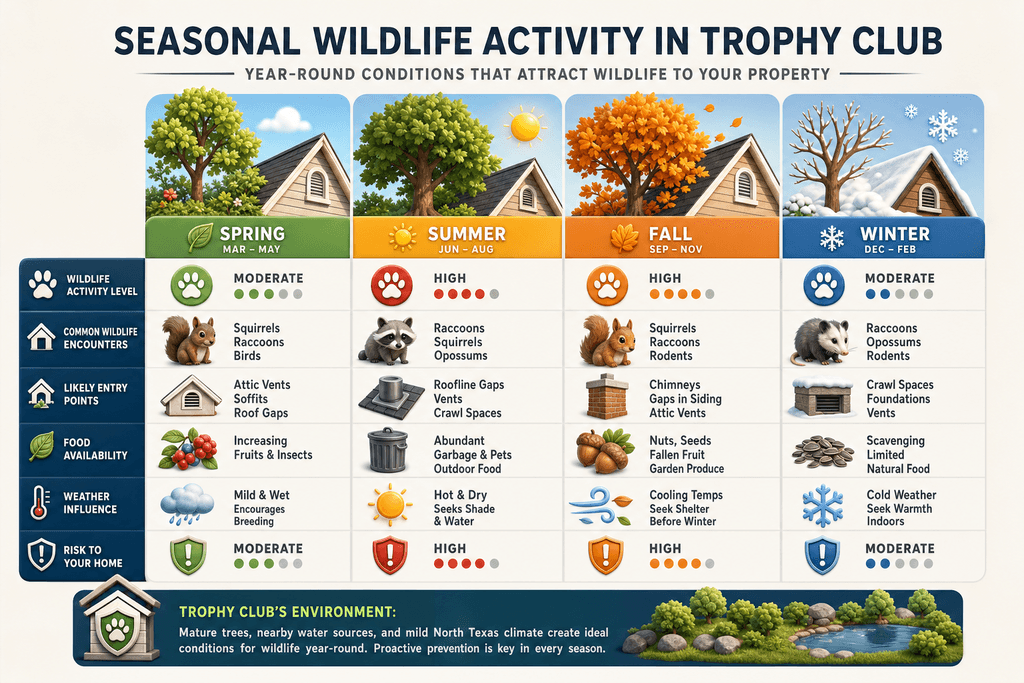
Wildlife doesn't invade homes randomly. Different seasons create different pressures that push animals to seek shelter in attics, walls, and crawl spaces. Understanding these patterns helps explain why you might suddenly hear scratching sounds in your ceiling during certain months.
Spring brings pregnant females looking for safe nesting spots. Summer heat drives animals to seek cooler spaces inside your home. Fall means animals are storing food and finding winter shelter. Winter cold pushes even more wildlife indoors as they search for warmth and protection from harsh weather.
| Season | Peak Wildlife Activity | Common Animals | Why They Enter Homes |
|---|---|---|---|
| Spring (March-May) | High | Squirrels, Raccoons, Birds | Nesting and raising babies |
| Summer (June-August) | Medium | Bats, Squirrels | Escaping heat, seeking water |
| Fall (September-November) | Very High | Squirrels, Mice, Rats | Storing food, preparing for winter |
| Winter (December-February) | High | Raccoons, Opossums, Rodents | Warmth and shelter from cold |
Common Entry Points in Trophy Club Homes
Most Trophy Club homes were built between the 1990s and 2010s, and they share similar construction features that wildlife loves to exploit. Roof vents, soffit gaps, and chimney openings are like welcome signs for animals. Even small holes the size of a quarter can let in mice and rats.
Wildlife X Team's inspection process identifies these vulnerable spots before they become major problems. The most common entry points we find include:
- Roof-to-wall junctions where different materials meet
- Attic vents without proper screening or guards
- Gaps around plumbing and electrical penetrations
- Damaged or missing soffit panels under roof overhangs
Older homes in Trophy Club often have additional issues. Foundation cracks develop over time in the shifting North Texas clay soil. Chimney caps fall off or rust through. Weather stripping around garage doors deteriorates and creates perfect entry points for opossums and raccoons.
How Development Changes Animal Behavior
As Trophy Club continues growing, wildlife doesn't just disappear. Animals adapt by moving into the spaces we create. Your neighborhood might have been a raccoon's territory long before houses showed up. Now that same raccoon sees your attic as the new version of a hollow tree.
The problem gets worse because neighborhoods provide better food sources than the wild. Garbage cans, pet food left outside, bird feeders, and fruit trees create an all-you-can-eat buffet. Once animals figure out that homes offer both food and shelter, they're not leaving without professional wildlife removal trophy club tx services to encourage them.
Roof Wildlife Problems and Solutions
A single overhanging tree branch can turn your roof into a highway for unwanted guests. Raccoons and squirrels are surprisingly athletic climbers, and they'll use any nearby vegetation as a bridge to access your home's highest points. Once they're up there, these animals don't just pass through. They actively search for weak spots where they can create entry points into your attic or wall cavities. The damage starts small but can quickly become a serious problem that affects your home's structural integrity.
Most homeowners don't realize how much destruction wildlife can cause to roofing materials. Raccoons have incredibly strong paws that can tear away shingles, rip open vents, and pry apart soffits to create openings large enough to squeeze through. Squirrels use their sharp teeth to gnaw through wood, plastic, and even some metals when they're determined to get inside.
Signs of Wildlife Activity on Your Roof
- Scratching or scurrying sounds coming from above, especially at dawn or dusk
- Visible damage to roof edges, vents, or chimney caps
- Droppings or tracks on the roof surface
- Displaced or damaged shingles
- Nesting materials visible near roof openings
Professional inspection techniques go far beyond what most people can spot from the ground. Wildlife X Team technicians examine every potential vulnerability during their Wildlife Inspection Report® process, checking areas that homeowners typically miss. This includes inspecting the condition of roof-to-wall connections, examining all ventilation points, and identifying tree branches that provide access routes.
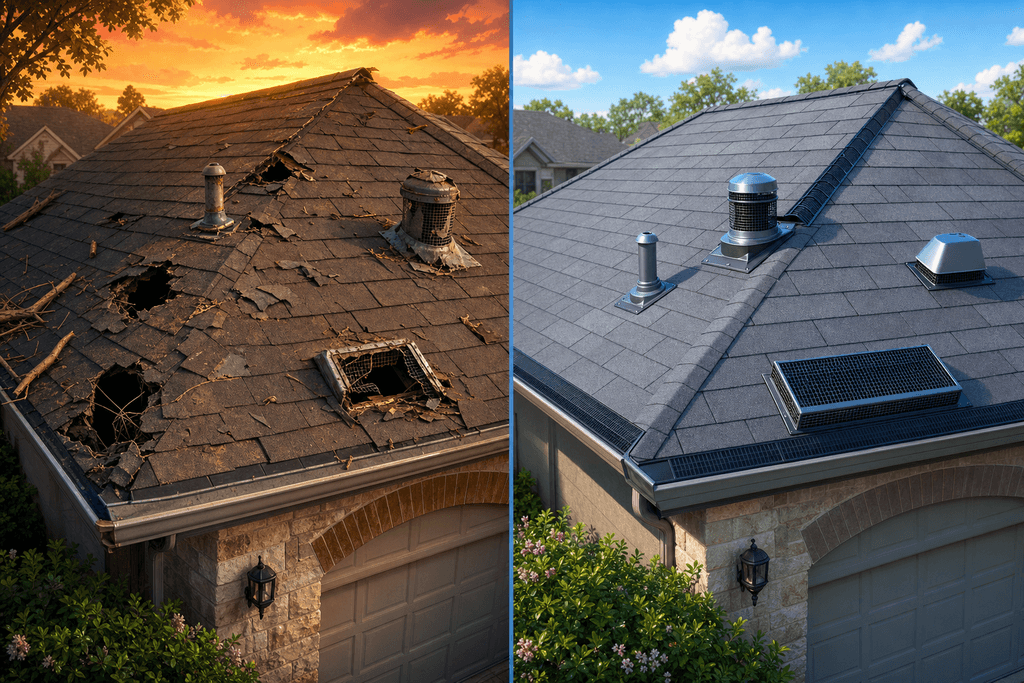
The removal process for roof-dwelling wildlife requires specialized knowledge of animal behavior. Simply patching holes won't work if animals are already inside or if you haven't addressed what attracted them in the first place. Exclusion methods for roof protection include installing chimney caps, securing all vents with heavy-gauge screening, and repairing damaged soffits with materials animals can't chew through. The team at 11833 Katy Rd in Keller handles these situations regularly for homes throughout Trophy Club and surrounding areas.
Yard Wildlife Management and Prevention
Your yard might look peaceful, but it could be hosting a lot more activity than you realize. Trophy Club properties often attract opossums, armadillos, and various other wildlife species that see residential landscapes as perfect feeding and nesting grounds. These animals don't mean any harm, but they can cause significant damage to your property while searching for food or creating burrows. The key to managing yard wildlife isn't about eliminating every creature, but understanding what draws them to your space and how to discourage them humanely.
Landscaping damage shows up in different ways depending on which animals have moved in. Armadillos dig cone-shaped holes throughout lawns while searching for insects, creating tripping hazards and destroying grass roots. Opossums knock over garbage cans and raid gardens for vegetables and fallen fruit. Some homeowners wake up to find entire flower beds dug up or vegetable gardens stripped overnight.
Common Yard Attractants
- Unsecured garbage bins and compost piles
- Pet food left outside overnight
- Bird feeders that spill seeds on the ground
- Dense brush piles or wood stacks near the home
- Standing water sources
- Fruit trees with fallen produce
Humane removal from outdoor spaces requires a different approach than dealing with animals inside your home. Wildlife X Team uses methods that safely relocate animals without causing them stress or harm, while also identifying why they chose your property in the first place. This matters because removing one animal won't solve the problem if your yard still offers everything the next one needs.
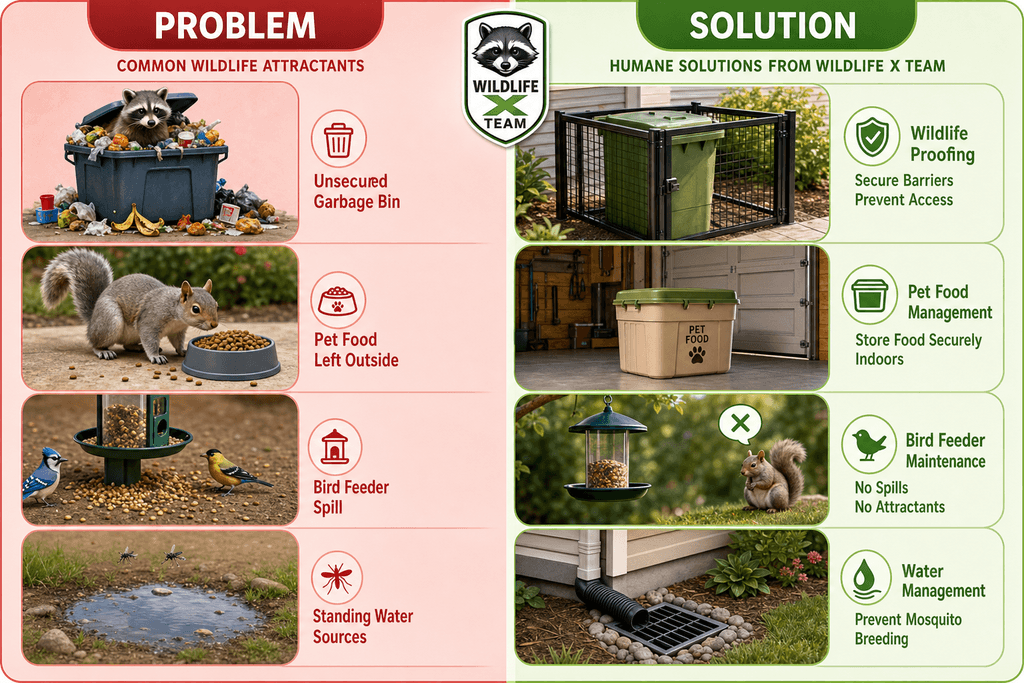
Long-term prevention through habitat modification sounds complicated, but it's really about making your yard less appealing to wildlife. This might mean trimming back vegetation that provides cover near your foundation, securing potential food sources, or installing barriers around vulnerable areas like gardens. The team serving Fort Worth, Denton, and Trophy Club can assess your specific situation and recommend changes that fit your landscape while discouraging wildlife from settling in.
Attic Intrusions and Complete Restoration
Attics check every box on a wild animal's wish list for the perfect home. They're warm, dry, protected from predators, and usually undisturbed by humans for long periods. Raccoons and squirrels particularly love attic spaces because they mimic the hollow trees these animals would naturally seek out in the wild. The problem is that what works perfectly for wildlife creates serious issues for homeowners. Once animals move into your attic, they don't just take up space. They contaminate insulation with urine and droppings, damage electrical wiring, and can create health hazards that linger long after the animals are gone.
The health risks from contaminated insulation and droppings are more serious than most people realize. Animal waste can contain parasites, bacteria, and pathogens that become airborne when disturbed, potentially affecting your home's air quality. Raccoon feces can carry roundworm eggs that remain infectious for years, while accumulated urine destroys insulation's effectiveness and creates persistent odors.
Real Results from Trophy Club
Jesse Bernard experienced exactly this situation when squirrels turned his attic into what he called a "squirrel party." The Wildlife X Team came out to assess the damage and found multiple entry points he never would have discovered on his own. They handled the removal and sealed everything up the same day, and months later, he still hasn't had any issues. That's the difference between a quick patch job and a comprehensive solution.
The Wildlife Inspection Report® process gives you a complete picture of your attic's condition and vulnerabilities. Technicians document every entry point, assess the extent of contamination, photograph damage, and create a detailed plan for restoration. This isn't just about getting animals out. It's about understanding how they got in and what needs to happen to keep them out permanently.
Complete attic cleanup and decontamination involves removing all contaminated materials, treating affected areas with professional-grade disinfectants, and ensuring no health hazards remain. Damaged insulation gets replaced with new material that restores your home's energy efficiency. Every entry point gets sealed with materials specifically chosen to resist future intrusion attempts.
The Renewable Lifetime Warranty that Wildlife X Team offers shows they stand behind their work. This isn't a one-time fix that might fail in a few months. When you call (817) 799-8686, you're getting a team that serves Trophy Club, Flower Mound, and the entire surrounding area with solutions designed to last. They've seen every type of wildlife intrusion scenario and know exactly what it takes to solve the problem completely.
Protecting Your Trophy Club Home from Wildlife
Dealing with wildlife in your roof, yard, or attic isn't something that gets easier if you ignore it. The scratching sounds get louder, the damage spreads, and what started as one raccoon can turn into a whole family making themselves at home. Most Trophy Club homeowners try the DIY route first, but sealing one obvious hole while missing three others just means you're playing catch-up with animals that are better at finding entry points than most people realize.
The real value in professional wildlife removal isn't just getting the animals out. It's the prevention work that keeps them from coming back next season. Wildlife X Team handles both the removal and the exclusion work, which means finding every potential entry point and securing it properly. That includes spots most people would never think to check.
Our team serves Trophy Club from the Keller location at 11833 Katy Rd, and we've seen just about every wildlife situation you can imagine. The difference between a quick fix and long-term protection usually comes down to whether someone did a proper inspection and addressed all the vulnerabilities, not just the obvious ones.
If you're hearing noises in your attic or seeing signs of wildlife activity around your property, waiting usually makes things worse. You can reach the Keller office at (817) 799-8686 to schedule an inspection. The Wildlife Inspection Report will show you exactly what you're dealing with and what it takes to solve it for good.
Still have questions about how the process works or what to expect? Let's cover some of the most common things Trophy Club residents ask about wildlife removal.
Common Questions About Wildlife Removal in Trophy Club
Most Trophy Club homeowners have similar concerns when they discover wildlife in their attic or yard. The questions usually revolve around timing, safety, and cost. Wildlife X Team has helped hundreds of local families deal with these exact situations, so we've heard just about every question you can imagine. Here are the answers to what people ask us most often.
How quickly can wildlife be removed from my property?
Most wildlife removal trophy club tx situations can be addressed within 24 to 48 hours of your initial call. Wildlife X Team often starts work the same day for urgent cases, especially when animals pose immediate risks to your family or property. The complete removal process typically takes a few days to a week, depending on the type of animal and the extent of the infestation.
Is the wildlife removal process humane?
Yes, all removal methods prioritize the safety and wellbeing of the animals. Wildlife X Team uses ethical trapping and relocation techniques that comply with Texas wildlife regulations. Unlike some companies that use harmful methods, the focus is on safely removing animals and preventing their return through exclusion work rather than extermination.
What does the renewable lifetime warranty cover?
The warranty protects against future wildlife invasions at the specific entry points that were sealed during your service. If animals find their way back through repaired areas, Wildlife X Team returns to fix the problem at no additional cost. This gives you long-term peace of mind that the work will hold up over time.
How much does wildlife removal cost in Trophy Club?
Costs vary based on the type of animal, the severity of the infestation, and the amount of exclusion work needed. A basic inspection and removal might start around a few hundred dollars, while extensive attic restoration and animal proofing can run higher. Wildlife X Team provides free estimates so you know exactly what to expect before any work begins.
Do you specifically serve Trophy Club, Texas?
Absolutely. Trophy Club falls within the service area that includes Fort Worth, Denton, and surrounding communities. The team is familiar with the specific wildlife issues common to Trophy Club neighborhoods and responds quickly to calls from the area.
What happens after the animals are removed?
Removal is just the first step. The team then identifies and seals all entry points to prevent new animals from moving in. If your attic or crawl space was contaminated, they also offer cleanup and restoration services to remove droppings, replace insulation, and disinfect affected areas. This complete approach ensures your home stays wildlife-free for the long haul.