
Texas Copperhead Snakes Where They Live and How to Spot Them

A copperhead snake could be resting under your porch right now, and you'd probably walk right past it. These masters of camouflage are the most common venomous snakes in Texas, responsible for more bites than rattlesnakes and cottonmouths combined. If you live in Fort Worth or the surrounding areas, understanding where copperhead snakes in Texas hide and how to recognize them could protect your family and pets from a painful encounter.
Table of Contents
Understanding Texas Copperheads
Copperhead snakes in Texas are some of the most commonly encountered venomous snakes in the state, yet they're also among the most misunderstood. These pit vipers belong to the scientific family Viperidae and go by the name Agkistrodon contortrix. While many people fear them, copperheads are actually pretty shy and would rather hide than fight. They play an important role in controlling rodent populations, which is why companies like Wildlife X Team often deal with both snake and rodent issues on the same property.
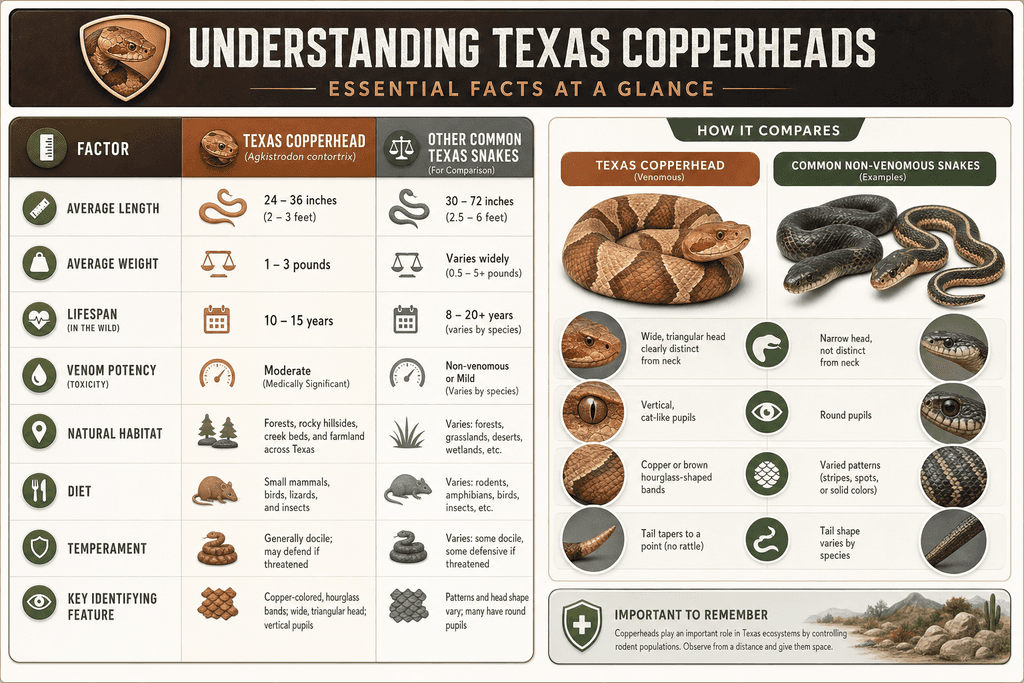
What Makes Copperheads Unique
The copperhead gets its name from the distinctive copper or reddish-brown color on its head. Adult copperheads typically measure between 2 to 3 feet long, though some can reach up to 4 feet. They're not the heaviest snakes around, usually weighing less than a pound even when fully grown.
Here are some key physical traits that set copperheads apart:
- Thick, muscular body with a triangular-shaped head
- Hourglass-shaped crossbands that are darker than the base color
- Elliptical pupils like a cat's eye, not round like non-venomous snakes
- Heat-sensing pits between their eyes and nostrils
- Tan, copper, or pinkish-brown base color that helps them blend into leaf litter
Life Cycle and Behavior
Copperheads can live between 18 to 25 years in the wild, though most don't make it that long due to predators and human encounters. Female copperheads give birth to live young rather than laying eggs, usually producing 3 to 10 babies in late summer. Baby copperheads are born with venom and are just as dangerous as adults, despite being only 8 to 10 inches long.
Understanding their reproduction patterns helps explain why you might see more copperheads during certain times of year:
- Mating season occurs in spring and fall
- Females give birth every other year
- Young snakes are born between August and October
- Newborns have bright yellow or greenish tail tips they use to lure prey
Quick Facts About Texas Copperheads
Here's a simple breakdown of important copperhead characteristics that every Texas homeowner should know. These facts can help you identify whether that snake in your yard is actually a copperhead or just a harmless look-alike.
Characteristic: Average Length
Details: 24-36 inches (2-3 feet)
Characteristic: Maximum Length
Details: Up to 48 inches (4 feet)
Characteristic: Average Weight
Details: 4-12 ounces
Characteristic: Lifespan
Details: 18-25 years in wild
Characteristic: Venom Potency
Details: Mild compared to other pit vipers
Characteristic: Litter Size
Details: 3-10 live young
Characteristic: Active Season
Details: April through October
The venom of copperhead snakes in Texas is the least potent among North American pit vipers. Most bites happen when people accidentally step on them or try to handle them. While their bites are painful and require medical attention, they're rarely fatal to healthy adults.
Where Copperheads Live in Texas
Copperhead snakes call most of Texas home, but they're especially common in the northern and eastern parts of the state. If you live in the Fort Worth, Denton, or Granbury areas, you're right in the heart of prime copperhead territory. These snakes aren't picky about where they set up camp, but they do have some favorite spots that might surprise you. Understanding where they like to hang out can help you avoid an unwanted encounter in your own backyard.
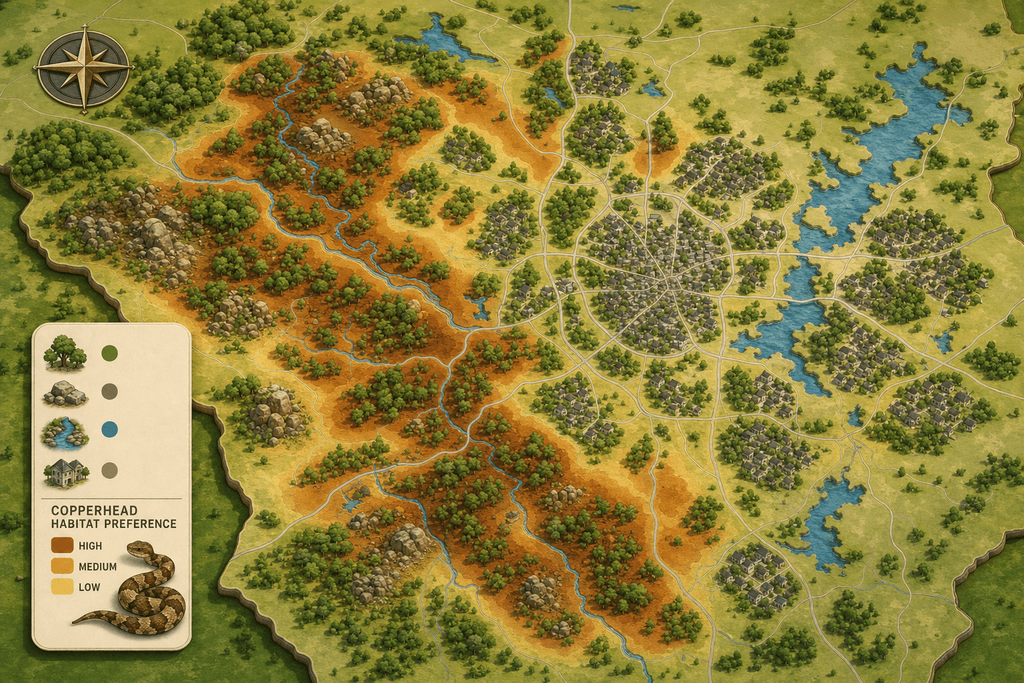
The wooded areas and creek beds throughout North Texas provide perfect hunting grounds for copperheads. They love places with plenty of cover where they can ambush their prey, which mostly consists of mice, rats, and other small rodents.
- Rocky outcrops and limestone ledges common in the Fort Worth area
- Dense vegetation along creeks and streams
- Wooded hillsides with leaf litter
- Abandoned buildings and old structures
- Areas near water sources during hot summer months
Around your home, copperheads find plenty of attractive hiding spots that you might not even think about. Woodpiles, stone walls, and overgrown gardens are like five-star hotels for these snakes. They'll also squeeze into gaps under sheds, porches, and concrete slabs where the temperature stays cool during the day.
Seasonal patterns play a big role in when you're most likely to spot a copperhead. Spring and fall are peak activity times when temperatures hover between 70 and 90 degrees. During the scorching Texas summers, they become more nocturnal to avoid the heat. Winter sends them into brumation, which is similar to hibernation, often in communal dens with other snakes.
Properties in the Fort Worth area are particularly attractive to copperheads because of the mix of urban development and natural habitat. The rocky terrain, abundant prey, and numerous hiding spots create ideal conditions. Many neighborhoods back up to wooded areas or creeks, giving snakes easy access to residential yards.
How to Identify a Copperhead Snake
The most obvious feature of a copperhead is right there in the name. Their copper-colored head stands out distinctly from their body, almost like they're wearing a penny-colored helmet. This coppery-red or orange-brown head is usually unmarked and provides the easiest way to identify these snakes from a safe distance. But the head color alone isn't enough to make a positive identification, especially since some harmless snakes can have similar coloring.
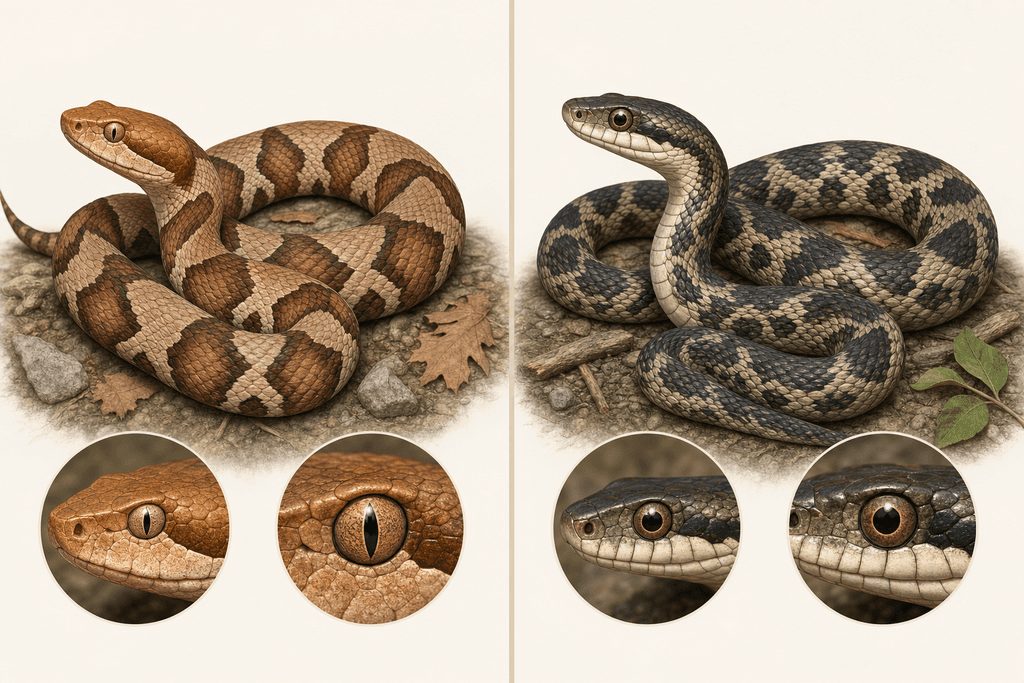
The real giveaway is the pattern on their body. Copperheads sport distinctive hourglass-shaped crossbands that are darker than their base color. These bands are wider on the sides and narrower on top of the back, creating that classic hourglass look.
This video breaks down the key identification features that separate copperheads from harmless look-alikes you might find in your yard.
Body color can vary quite a bit depending on the individual snake and the region. Most copperheads in North Texas range from tan to pinkish-brown or pale gray. The crossbands are usually darker shades of brown, copper, or reddish-brown. Young copperheads have a bright yellow or greenish tail tip that they use to lure prey, but this fades as they mature.
- Vertical elliptical pupils like a cat's eye (venomous trait)
- Heat-sensing pits between the eye and nostril
- Thick, heavy body that tapers to a thin tail
- Adults typically measure 2 to 3 feet long
- Triangular-shaped head wider than the neck
Several harmless snakes get mistaken for copperheads all the time. Juvenile rat snakes, corn snakes, and water snakes often have similar patterns that confuse people. The key difference is that harmless snakes have round pupils and lack the distinctive hourglass pattern. Their bands usually go all the way around the body instead of being wider on the sides.
Behavioral clues can also help with identification. When threatened, copperheads often freeze in place rather than slither away quickly. They may vibrate their tail against leaves, creating a sound similar to a rattlesnake. This defensive posturing, combined with their camouflage, makes them easy to step on accidentally if you're not watching where you walk.
Keeping Copperheads Away from Your Property
The best defense against copperheads is making your property as uninviting as possible. These snakes don't just show up randomly. They're looking for food, shelter, and the right temperature conditions. When you eliminate these attractions, you dramatically reduce the chances of finding a copperhead coiled up in your flower bed. Simple yard maintenance goes a long way toward keeping these venomous visitors at bay.
Regular mowing and trimming removes the cover that copperheads need to feel safe. Keep grass short, especially near the house and in areas where kids and pets play. Trim back bushes and shrubs so there's at least a foot of clearance from the ground.
- Remove brush piles, leaf litter, and yard debris
- Stack firewood at least 20 feet from the house on elevated racks
- Clear out rock piles and old construction materials
- Fill in gaps under concrete slabs and porches
- Keep compost bins sealed and away from the house
Here's something most people don't think about. Copperheads follow the food, and their favorite food is rodents. If you have mice or rats around your property, you're basically rolling out the welcome mat for snakes. Managing rodent populations means securing trash cans, removing bird feeders that spill seed on the ground, and storing pet food in sealed containers.
Sealing entry points to your home is critical because copperheads can squeeze through surprisingly small gaps. Check your foundation for cracks, inspect areas where utilities enter the house, and make sure door sweeps are in good condition. Wildlife X Team's exclusion services handle this type of work professionally, identifying vulnerabilities you might miss and installing barriers that actually work long-term.
Landscaping choices matter more than you'd think. Avoid using large decorative rocks, thick mulch, and dense ground covers near your foundation. Instead, create a gravel or rock barrier around the perimeter of your home. Copperheads don't like crossing open, rough surfaces where they're exposed.
Sometimes prevention isn't enough, especially if you're dealing with an established snake problem or live in an area with high copperhead populations. That's when calling professional wildlife removal services makes sense. Our team at Wildlife X Team handles snake issues throughout the Fort Worth, Denton, and Granbury areas with humane removal methods and comprehensive exclusion strategies.
We don't just remove the snake you saw. We inspect your entire property to find out why snakes are showing up in the first place. Then we seal entry points, remove attractants, and install barriers to prevent future problems. The approach works because it addresses the root cause instead of just treating symptoms. Plus, our renewable lifetime warranty means you're protected long after we finish the initial work.
What to Do If You Encounter a Copperhead
Most people freeze when they spot a copperhead snake on their property, and that's actually not a bad first move. The real problems start when panic sets in and someone tries to kill or capture the snake themselves. Understanding how to respond to a copperhead encounter can mean the difference between a close call and a trip to the emergency room.
Keeping Your Distance Safely
Copperhead snakes in Texas won't chase you down, but they will defend themselves if cornered. The key is giving them space to retreat on their own terms.
- Maintain at least 6 feet of distance from any copperhead you spot
- Never attempt to touch, poke, or move the snake with tools or sticks
- Keep children and pets indoors until the snake leaves or professionals arrive
- Watch the snake from a safe distance to monitor its location
If the snake is in your yard, it will usually move along within a few hours. But if it's near your home's foundation or in a high-traffic area, that's when you need backup.
Why DIY Snake Removal Backfires
Most copperhead bites happen when someone tries to remove or kill the snake themselves. The snake's camouflage makes it hard to track every movement, and one wrong step puts you in striking range. Garden tools, brooms, and homemade snake catchers give people false confidence that usually ends badly.
- Copperheads can strike up to half their body length in any direction
- Their bites are lightning-fast and often happen before you realize you're too close
- Killing one snake doesn't address why it came to your property in the first place
- Dead snakes can still deliver venomous bites through reflex action for up to an hour
Emergency Response Checklist
If someone gets bitten despite taking precautions, every minute counts. Here's what you need to do right away.
- Call 911 immediately and get the victim to a hospital
- Keep the bitten area below heart level and remove jewelry near the bite
- Wash the bite gently with soap and water if possible
- Mark the edge of swelling with a pen every 15 minutes to track progression
- Do NOT apply ice, tourniquets, or attempt to suck out venom
- Try to remember the snake's appearance for medical staff, but don't attempt to capture it
The good news is that copperhead bites are rarely fatal with proper medical treatment. The bad news is that treatment is expensive and painful, which is why prevention matters so much.
How Professional Removal Actually Works
Professional wildlife removal teams have the tools and training to handle venomous snakes without putting anyone at risk. When you call Wildlife X Team for a copperhead on your property, trained specialists arrive with proper snake handling equipment and protective gear. They safely capture and relocate the snake away from residential areas, following all Texas wildlife regulations.
But here's what sets professional services apart from just removing one snake. The inspection process identifies why copperheads are attracted to your property in the first place. Maybe you have rodent activity that's drawing snakes in for food, or gaps in your foundation that provide perfect hiding spots.
- Comprehensive property inspection to find entry points and attractants
- Safe removal and relocation of current snake problems
- Exclusion services that seal gaps, cracks, and potential den sites
- Habitat modification advice to make your property less appealing to snakes
- Follow-up monitoring to ensure the problem doesn't return
Long-Term Prevention Through Exclusion
Removing one copperhead doesn't solve the underlying issue. If your property has the right conditions, more snakes will show up. Wildlife X Team's approach focuses on making your property unwelcoming to copperhead snakes in Texas through proven exclusion methods. This includes sealing foundation cracks, installing barriers around crawl spaces, and addressing the food sources that attract snakes.
The company's renewable lifetime warranty backs up their exclusion work, which means if snakes find a way back in, they'll return to fix the problem. That kind of guarantee only works when the initial prevention is done right the first time.
Staying Safe from Texas Copperheads
Now you know what to look for when it comes to copperhead snakes in Texas. Those hourglass patterns, the triangular head, and that coppery color are your main clues. Remember that these snakes like to hang out in rocky areas, woodpiles, and overgrown spots around your property. The more you know about where they hide, the better you can avoid a surprise encounter.
Keeping your yard clean makes a huge difference. Trim back those bushes, move firewood away from your house, and get rid of debris piles where copperheads might want to set up camp. But sometimes even the cleanest yard can attract snakes if there are entry points around your foundation or crawl spaces.
That's where professional help comes in handy. Wildlife X Team handles snake issues around Fort Worth, Denton, and Granbury with humane removal methods that actually work. We also seal up those hidden entry points you might not even know about, kind of like what we do with squirrels and raccoons but tailored for snake prevention.
The thing about copperheads is they're not going anywhere. They've been in Texas longer than any of us, and they'll keep showing up in areas where conditions are right. Your best bet is staying alert and making your property less appealing to them in the first place.
Still have questions about identifying copperheads or keeping them away from your home? Let's cover some of the most common concerns people have about these snakes.
Common Questions About Copperhead Snakes in Texas
Copperhead snakes in Texas raise a lot of questions for homeowners who spot them near their property. These venomous snakes are common throughout the Fort Worth and Denton areas, which means knowing the facts can help you stay safe. Most people worry about whether these snakes are deadly, when they're most active, and what to do if they find one on their property. Here are the answers to the most common questions we hear from homeowners dealing with copperheads.
Are copperhead bites deadly?
Copperhead bites are rarely fatal to healthy adults, but they're still serious and require immediate medical attention. The venom can cause severe pain, swelling, and tissue damage at the bite site. Children, elderly individuals, and people with compromised immune systems face higher risks from copperhead bites, so getting to a hospital quickly is important for anyone who gets bitten.
What time of year are copperheads most active?
Copperheads are most active during spring and fall in Texas when temperatures are moderate. During hot summer months, they become nocturnal to avoid the heat and hunt at night. You'll see them basking in sunny spots during cooler months, but they hibernate during the coldest parts of winter, usually from late November through February.
Do copperheads travel in pairs?
This is a common myth, but copperheads are solitary snakes that don't travel in pairs or groups. You might see multiple copperheads in the same area because they're attracted to the same food sources or shelter spots. During mating season in spring, you could find males and females together temporarily, but they go their separate ways afterward.
Will copperheads chase you?
Copperheads won't chase people and would much rather escape than fight. These snakes rely on camouflage as their first defense and will freeze when they sense danger. If you get too close, they might strike defensively, but they're not aggressive hunters of humans and will slither away when given the chance.
How much does professional snake removal cost?
Professional snake removal costs vary depending on the situation and whether you need ongoing prevention services. A single snake removal typically costs less than dealing with a snake problem around your property that requires exclusion work. Wildlife X Team offers inspections to identify why snakes are attracted to your property and can provide solutions to keep them away long-term, which saves money compared to repeated emergency calls.
Can copperheads climb?
Yes, copperheads can climb, though they don't do it as often as some other snake species. They're capable of climbing trees, bushes, and even rough exterior walls if they're hunting or looking for shelter. Most of the time you'll find them on the ground near woodpiles, rock formations, or in tall grass where they hunt for mice and other small prey.