
Squirrel Removal in Denton TX for Attics, Walls, and Roofs
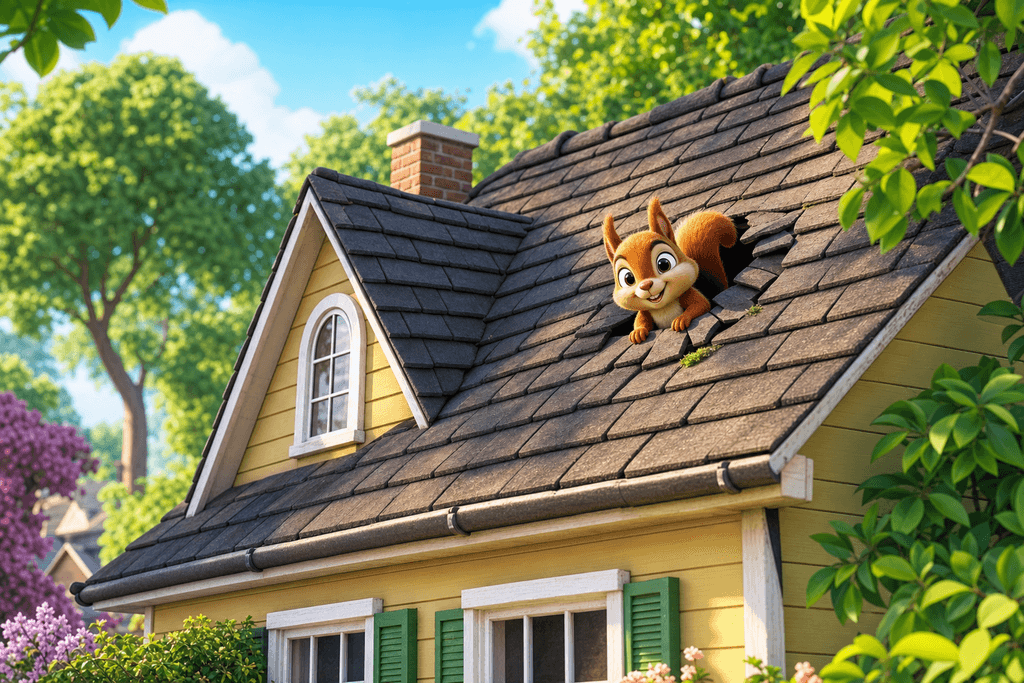
Squirrels can gnaw through your roof vents and fascia boards in less than a day, turning a small gap into a major entry point before you even notice the problem. Once inside Denton attics, these persistent rodents don't just make noise—they chew wiring, shred insulation, and create health hazards that can cost thousands to repair. If you're hearing scratching sounds above your ceiling or spotting squirrels on your roof, understanding why these animals target homes in our area is the first step toward protecting your property.
Why Squirrels Love Denton Attics
Denton's abundance of mature oak and pecan trees creates the perfect habitat for squirrels, but when temperatures drop or nesting season arrives, your attic becomes far more appealing than any tree hollow. These agile rodents view your home as a climate-controlled sanctuary with protection from predators and harsh weather. The same features that make Denton a great place to live—tree-lined neighborhoods and older homes with character—also make it prime squirrel territory. A single squirrel family can cause between $3,000 and $5,000 in attic damage within just a few months, making early detection critical for homeowners throughout Fort Worth, Denton, and surrounding areas.
Squirrels don't need much of an opening to invade your home. They can squeeze through gaps as small as two inches and will actively chew and expand smaller openings until they fit. Roof vents, fascia boards, soffits, and chimney caps are common entry points that squirrels exploit with surprising speed. Once they identify a vulnerable spot, they can create a full-sized entry hole in under 24 hours, which is why that small gap you've been meaning to fix can turn into a major infestation overnight.
Fall and spring represent peak seasons for squirrel home invasions in the Denton area. During fall, squirrels frantically search for warm nesting sites and food storage areas to prepare for winter. In spring, pregnant females seek safe, protected spaces to raise their young, and your insulated attic provides the ideal nursery. These seasonal patterns mean that squirrel removal in Denton TX services see the highest demand during September through November and March through May, though squirrels can invade homes year-round.
The damage squirrels cause goes beyond the initial entry point. They compress and contaminate insulation with urine and droppings, reducing your home's energy efficiency and creating potential health hazards. Squirrels also have a biological need to gnaw constantly to keep their ever-growing teeth trimmed, which means they'll chew on wooden beams, plastic pipes, and most dangerously, electrical wiring. This chewing behavior creates fire hazards that put your entire property at risk. Wildlife X Team, located at 11833 Katy Rd in Keller, TX, specializes in humane squirrel removal and prevention services that address both the immediate infestation and the underlying vulnerabilities that allowed squirrels to enter in the first place.
The longer squirrels remain in your attic, the more extensive and expensive the damage becomes. What starts as a few chewed boards and some scattered droppings can escalate into destroyed insulation, compromised structural elements, and contaminated living spaces. Squirrels also tend to use the same entry and exit routes repeatedly, wearing down materials and creating larger openings that allow other wildlife to enter. Understanding these behavior patterns helps explain why professional intervention is often necessary rather than attempting DIY solutions that rarely address the full scope of the problem.
Table of Contents
- Why Squirrels Love Denton Attics
- Understanding Squirrel Problems in North Texas
- Signs You Have Squirrels in Your Attic or Walls
- The Professional Squirrel Removal Process
- Preventing Future Squirrel Invasions
- Attic Restoration After Squirrel Damage
- Why DIY Squirrel Removal Usually Fails
- Get Professional Help for Denton Squirrel Problems
- Common Questions About Squirrel Removal in Denton
Understanding Squirrel Problems in North Texas
Squirrels can chew through a half-inch of wood in just a few hours, which explains why so many Denton homeowners wake up to scratching sounds in their attics. If you live in Denton, TX, you're sharing your neighborhood with two main types of squirrels that love making homes out of attics and walls. These furry critters aren't just passing through - they're actively looking for warm, safe places to raise their babies and escape the Texas weather. Understanding which squirrels you're dealing with and why they picked your house makes all the difference when it comes to getting rid of them for good.
The Two Squirrel Species Causing Problems
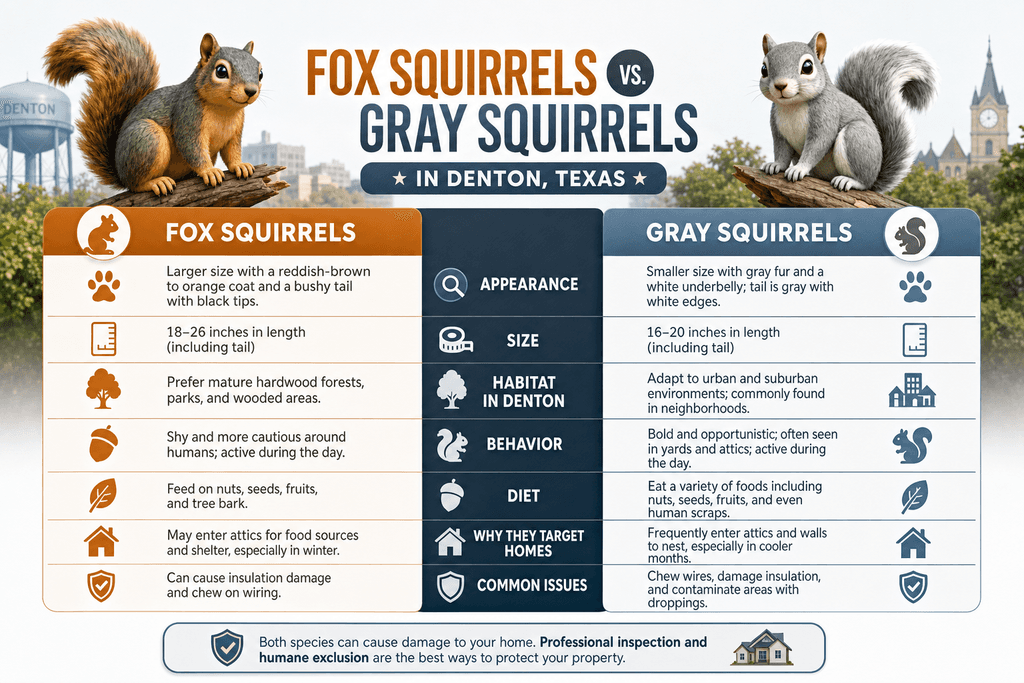
Denton sits right in the habitat zone for both fox squirrels and gray squirrels. Fox squirrels are the bigger ones you'll see - they can weigh up to two pounds and have that rusty orange belly that makes them easy to spot. Gray squirrels are smaller and quicker, usually staying closer to trees and wooded areas.
Here's what makes each species different when they invade your home:
- Fox squirrels prefer open suburban areas with scattered trees and are more likely to nest in attics during winter months
- Gray squirrels stick to areas with dense tree cover but will move into walls and soffits when their natural habitat gets disturbed
- Fox squirrels are active earlier in the morning, while gray squirrels might make noise throughout the day
- Both species can have two breeding seasons per year - late winter and mid-summer - which is when they desperately search for nesting spots
Why Denton Homes Attract Squirrels
Denton's growth over the past decade has pushed squirrels out of their natural wooded areas and right into residential neighborhoods. When developers clear land for new subdivisions, squirrels don't just disappear - they adapt. Your attic looks pretty similar to a hollow tree to a pregnant squirrel looking for a safe place to have babies.
The timing of squirrel invasions isn't random either. Spring and fall are peak breeding seasons, which means March through May and August through October are when most Denton homeowners discover they have unwanted guests. During these months, female squirrels become aggressive about finding shelter, and they're not picky about how they get in.
How Squirrels Get Inside Your Home
Squirrels have front teeth that never stop growing, which means they need to chew constantly to keep them filed down. This biological fact turns your home's weak spots into easy entry points. A small gap that looks harmless to you is an invitation to a squirrel with sharp teeth and strong jaw muscles.
The most common entry points for squirrel removal Denton TX specialists find include:
- Roof vents with damaged or missing screens
- Soffit intersections where two roof lines meet
- Chimney caps that are broken or missing entirely
- Fascia boards that have rotted from water damage
- Gable vents with decorative openings
Once a squirrel finds a weak spot, they can create an entry hole in less than a day. Wildlife X Team often finds multiple entry points during inspections because squirrels like having backup escape routes. They're smart enough to know that one exit isn't safe enough when predators come around.
The damage doesn't stop at the entry point either. Inside your attic, squirrels will chew on electrical wiring, tear up insulation for nesting material, and leave droppings everywhere. A single squirrel family can contaminate an entire attic space in just a few weeks, which is why professional squirrel removal Denton TX services focus on both getting them out and cleaning up the mess they leave behind.
Signs You Have Squirrels in Your Attic or Walls
Squirrels can squeeze through openings as small as a golf ball, which means your Denton home might have unwanted guests without you even realizing it at first. The first clue most homeowners notice is the sound. If you're hearing scratching and scurrying noises in your ceiling or walls, especially right around dawn or dusk, that's when squirrels are most active. These sounds are different from mice because squirrels are bigger and make louder, more deliberate movements. You might even hear what sounds like rolling or tumbling as young squirrels play in your attic space.

Walking around the outside of your house can reveal even more evidence. Look up at your roofline and you might spot chewed holes in your soffits, fascia, or roof vents where squirrels have gnawed their way inside.
- Small dark droppings in the attic that look like large rice grains
- Torn or matted insulation where squirrels have built nests
- Chewed electrical wiring with exposed copper
- Damaged cardboard boxes or stored items
- Foul smells from urine-soaked insulation or dead animals in walls
- Squirrels running across your roof during daylight hours
The smell is something you won't forget once you've experienced it. Squirrel urine and droppings create a distinct odor that gets worse over time, and if a squirrel dies inside your wall, the smell becomes unbearable. Many homeowners in the Denton area don't realize they have a problem until they go into their attic and see the damage firsthand.
The Professional Squirrel Removal Process
When you call Wildlife X Team at their Keller location serving Denton and surrounding areas, the process starts with a thorough inspection. This isn't just a quick look around. The team conducts a complete Wildlife Inspection Report® that identifies every possible entry point, assesses the extent of damage, and determines how many squirrels you're dealing with. Some homeowners think they have one squirrel when they actually have a whole family living up there.
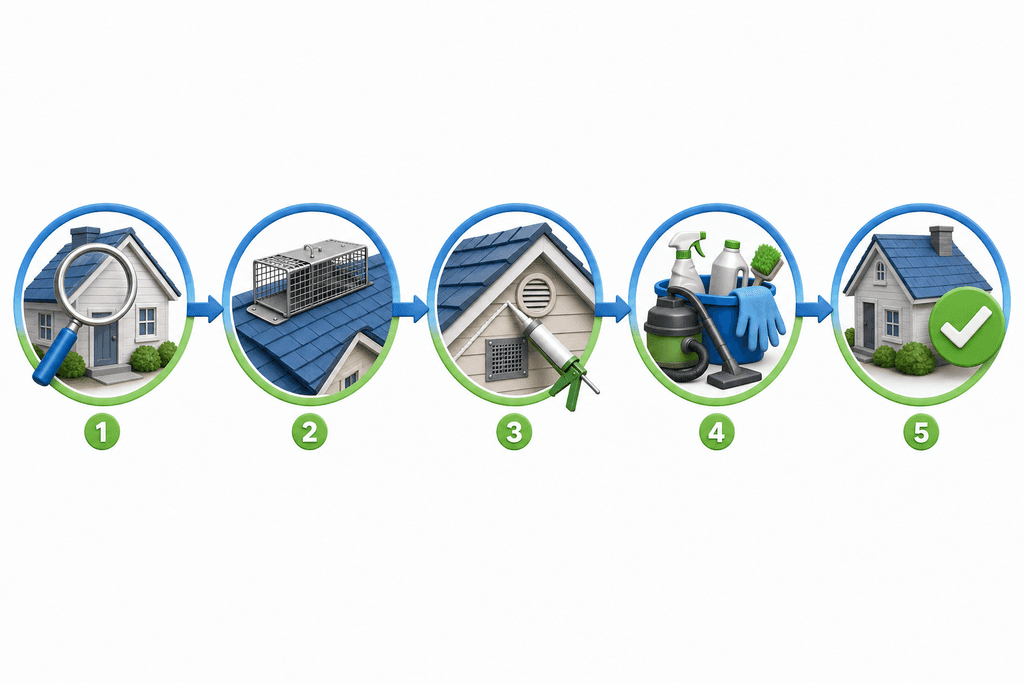
This video shows exactly what professionals look for when inspecting homes in the Denton area. The removal itself uses humane one-way door traps that let squirrels exit but prevent them from getting back inside. This method works because squirrels need to leave for food and water, and once they're out, they can't return.
The exclusion work happens next, and this is where experience really matters. Wildlife X Team seals every potential entry point with materials squirrels can't chew through. One homeowner, Jesse Bernard, mentioned how the team found multiple entry points he never would have discovered on his own. That's the difference between a temporary fix and a permanent solution.
- Complete property inspection and damage assessment
- Installation of one-way exclusion devices at active entry points
- Removal of all nesting materials and contaminated insulation
- Sealing of all entry points with chew-proof materials
- Sanitization and deodorization of affected spaces
- Final inspection to ensure complete removal
Most squirrel removal projects in Denton take between 3 to 7 days depending on how severe the infestation is and how many entry points need sealing. The timeline also depends on whether you have babies in the nest, which requires extra care to ensure humane removal of the entire family.
Preventing Future Squirrel Invasions
Getting squirrels out is only half the battle. Without proper prevention, new squirrels will find those same entry points within weeks or months. The exclusion work uses heavy-gauge steel mesh over all roof vents and openings because squirrels can chew through plastic, wood, and even thin aluminum. This isn't the kind of material you'll find at a regular hardware store. Professional-grade barriers make all the difference between a fix that lasts and one that fails.
Chimney caps are another critical component that many Denton homeowners overlook. An open chimney is like an invitation for squirrels, raccoons, and birds. The caps allow smoke to escape while keeping wildlife out.
- Steel mesh covers installed on all roof vents and gable vents
- Chimney caps with spark arrestor screens
- Fascia and soffit repairs using squirrel-proof materials
- Foundation vent guards with heavy-duty screening
- Tree trimming recommendations to eliminate roof access routes
Trees are often the highway squirrels use to reach your roof. Any branches within 8 feet of your roofline give squirrels an easy jumping point. Wildlife X Team provides specific recommendations about which branches to trim, though the actual tree work isn't part of the wildlife service.
The Renewable Lifetime Warranty that Wildlife X Team offers covers the exclusion work, which means if squirrels find a way back in through a sealed area, they'll come back and fix it. That kind of guarantee only makes sense when a company is confident in their work quality.
Attic Restoration After Squirrel Damage
Once the squirrels are gone, you're left with the mess they created. Squirrel urine and droppings don't just smell bad, they carry health risks including parasites, bacteria, and diseases that can affect your family. Contaminated insulation removal is necessary because once insulation is soaked with urine, it loses its effectiveness and becomes a health hazard. You can't just spray some cleaner on it and call it good. The contaminated material needs to come out completely.
Professional sanitization goes beyond what household cleaners can do. The process eliminates parasites like fleas and mites that squirrels leave behind, plus the bacteria that grows in their waste. This step protects your family's health and removes the scent markers that might attract other wildlife to your attic.
- Complete removal of urine-soaked and feces-contaminated insulation
- Professional-grade sanitization that kills parasites and bacteria
- Electrical wiring inspection and repair to prevent fire hazards
- New insulation installation to restore energy efficiency
- Odor elimination treatment to remove animal scent markers
- Structural repairs to damaged wood and drywall
Squirrels chew on electrical wiring because their teeth never stop growing and they need to gnaw constantly. This creates a serious fire risk that many homeowners don't think about until an electrician points it out. Wildlife X Team handles the wildlife side, but they'll let you know if you need an electrician for extensive wiring damage.
The restoration process returns your attic to the condition it was in before squirrels moved in. New insulation improves your energy bills, the sanitization protects your health, and the odor elimination ensures other animals won't be attracted to the space. Some companies just do removal, but Wildlife X Team in Keller handles everything from the initial inspection through final restoration for homes throughout Denton, Fort Worth, and the surrounding areas.
Trying to clean up squirrel damage yourself might seem like a way to save money, but without proper protective equipment and sanitization products, you're exposing yourself to health risks. Plus, if you don't remove all the contaminated material and odors, you haven't really solved the problem. Professional restoration costs more upfront but delivers results that actually last.
Why DIY Squirrel Removal Usually Fails
Most homeowners who try squirrel removal in Denton TX end up spending more money and time than if they'd called professionals from the start. The problem isn't that people are lazy or incompetent. It's that squirrels are surprisingly clever animals with backup plans homeowners never see coming. When you seal up what looks like the main entry hole, you might not realize there are two or three other spots those squirrels have been using all along.
The DIY approach creates a cycle of failure that costs more with each attempt. Here's what typically happens when people go it alone:
- They buy expensive ultrasonic devices and chemical repellents that squirrels completely ignore
- They seal obvious holes without checking if squirrels or babies are still inside
- They miss hidden entry points in soffits, vents, and roof intersections
- They use materials squirrels can chew through within days
The Hidden Costs of Going Solo
Studies show that over 70% of DIY wildlife removal attempts fail within the first month, leading to repeated purchases of ineffective products. A homeowner might spend $200 on store-bought solutions, then another $300 on materials to seal entry points, only to hear scratching sounds again two weeks later.
The worst mistake happens when someone seals holes without confirming all squirrels are out. Baby squirrels left behind will die in your walls, creating an unbearable smell that can last for weeks. Dead animals also attract other pests and require expensive wall removal to locate and extract.
What Professionals See That You Don't
Wildlife X Team's inspection process reveals problems most homeowners never notice. Their trained specialists know exactly where squirrels create secondary entrances and how to identify active versus abandoned entry points.
- They check areas homeowners can't safely access without proper equipment
- They understand squirrel behavior patterns and seasonal nesting habits
- They use exclusion materials specifically designed to resist gnawing
- They guarantee their work with warranties that DIY attempts can't match
Professional squirrel removal in Denton TX actually costs less than multiple failed DIY attempts plus the damage repair bills that follow. The average professional removal runs $400-600, while homeowners who try it themselves first often spend over $1,200 total when you add up all the products, materials, and eventual professional help they need anyway.
Get Professional Help for Denton Squirrel Problems
Squirrels in your attic or walls aren't going to leave on their own, and waiting just gives them more time to cause damage. Every day they're up there, they're chewing wires, tearing up insulation, and leaving droppings that can make your family sick. The longer you wait, the more expensive the repairs become. What starts as a few hundred dollars in damage can quickly turn into thousands if squirrels keep breeding and expanding their territory in your home.
Professional squirrel removal in Denton TX handles the problem the right way. Wildlife X Team serves Denton from their location at 11833 Katy Rd in Keller, and they don't just trap the squirrels and leave. They find every entry point, seal them up properly, clean the mess, and make sure new squirrels can't get back in.
The process includes humane removal, complete exclusion work, attic restoration if needed, and a Renewable Lifetime Warranty that protects your home long-term. Most companies will trap a few squirrels and call it done, but that doesn't solve the real problem.
If you're hearing scratching sounds in your walls or ceiling, don't put it off. Call (817) 799-8686 to get someone out to your property who knows how to handle squirrel problems permanently. The inspection will show you exactly what's going on and what needs to happen to fix it.
You probably have some questions about how the whole process works, what it costs, and how long it takes. Let's cover those next.
Common Questions About Squirrel Removal in Denton
Squirrels can cause thousands of dollars in damage to your home, but most homeowners have similar questions when they first discover these furry intruders. Getting clear answers helps you make the right decision for your property and your wallet. Here are the most common questions we hear from Denton homeowners dealing with squirrel problems, along with straightforward answers that actually help.
How much does squirrel removal cost in Denton?
The cost varies based on how many squirrels you have, where they're getting in, and how much damage they've caused. Most Denton homeowners pay between a few hundred to a couple thousand dollars for complete removal and exclusion work. Wildlife X Team provides free inspections and detailed estimates before any work begins, so you'll know exactly what to expect without surprises.
How long does the removal process take?
Most squirrel removal jobs in Denton take 1-3 days for the initial removal and sealing of entry points. The timeline depends on how many access points need to be sealed and whether babies are present, which requires waiting for them to mature enough to leave safely. Our Wildlife Inspection Report® identifies all the problem areas upfront so we can give you an accurate timeframe.
Will the squirrels come back after removal?
Not if the job is done right. The key is sealing every possible entry point, not just the obvious ones. We've seen homeowners try DIY fixes only to have squirrels return through spots they missed. Wildlife X Team includes animal proofing and exclusion services with every removal, and we back it up with a renewable lifetime warranty so you're protected long-term.
Is squirrel removal humane?
Yes, when done by professionals who prioritize ethical methods. We use humane removal techniques that don't harm the animals while still protecting your home. This includes one-way doors that let squirrels exit but not re-enter, and careful timing to avoid separating mothers from babies.
Do you service Denton and surrounding areas?
Absolutely. Wildlife X Team covers Denton and the entire surrounding area, including Fort Worth, Granbury, and nearby communities. We're local to North Texas and understand the specific squirrel problems that affect homes in this region.
What's included in the Wildlife Inspection Report?
The Wildlife Inspection Report® is a detailed assessment of your property that identifies every vulnerability where squirrels could enter. This includes checking your roof line, vents, soffits, chimneys, and foundation for current damage and potential weak spots. You get a written report with photos showing exactly what needs attention, which helps you understand the full scope before any work starts.