
Snake Removal Experts: Seasonal Snake Activity in Granbury, Texas

A snake slithering across your patio in February might catch you off guard, but Granbury homeowners know that snake encounters aren't just a summer problem. Understanding when snakes are most active throughout the year can help you protect your property before these unwelcome visitors show up at your doorstep. While many wildlife removal companies in the area offer reactive solutions, Wildlife X Team focuses on prevention strategies that align with Granbury's unique seasonal snake patterns.
Table of Contents
Understanding Granbury's Snake Population
Granbury sits right in the heart of North Central Texas, where the climate creates a perfect home for more than 15 different snake species. The area's mix of lakes, creeks, wooded areas, and open grasslands gives snakes everything they need to thrive year-round. Most homeowners in the area will encounter at least one snake on their property at some point, which is why knowing what you're dealing with makes all the difference. The good news is that most snakes you'll see around Granbury are harmless, but there are a few venomous species that require extra caution and professional handling from services like Wildlife X Team.
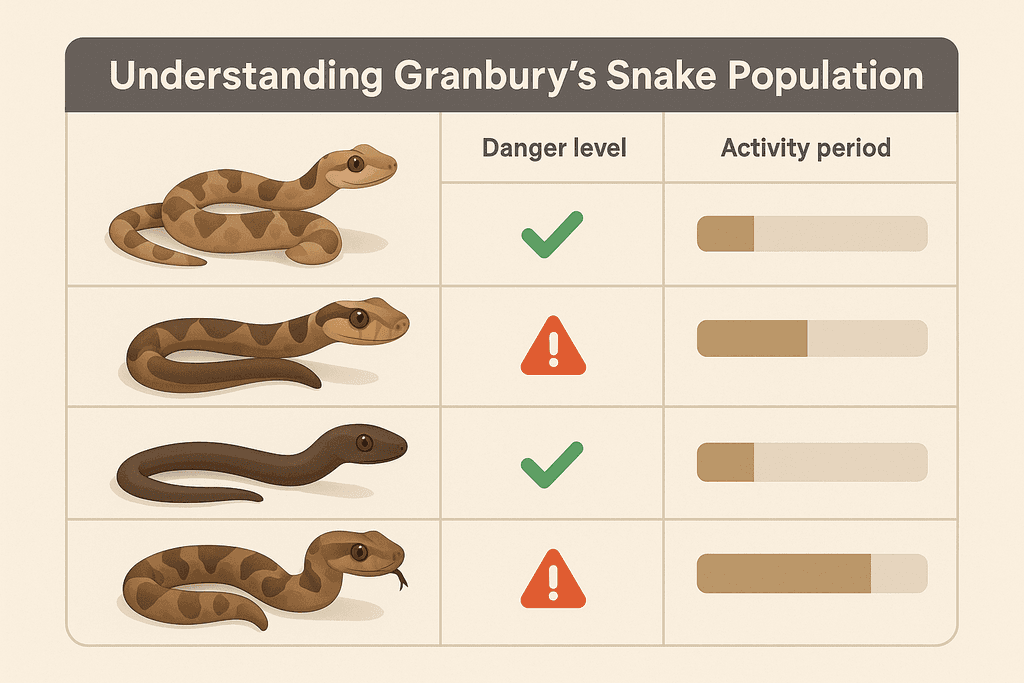
Common Snake Species in Granbury
The snakes you'll find slithering around Granbury fall into two main groups. Understanding which ones pose real danger helps you react the right way when you spot one near your home or business.
Non-venomous snakes make up the majority of what you'll encounter. These helpful creatures actually keep rodent populations under control, though most people still don't want them in their attic or garage. Here are the most common harmless species:
- Texas Rat Snake - grows up to 6 feet long and loves attics and barns
- Western Coachwhip - fast-moving snake that prefers open areas
- Rough Green Snake - small, bright green, and lives in trees and bushes
- Texas Brown Snake - tiny snake often found in gardens and flower beds
- Garter Snake - recognizable by its stripes, commonly seen near water
This video shows how Texas professionals safely handle snake removal situations. The techniques used by experts ensure both human safety and humane treatment of the animals.
Venomous snakes require immediate professional attention. Never try to catch or kill these species yourself. The four venomous snakes found in the Granbury area include:
- Western Diamondback Rattlesnake - the most common venomous snake in the area
- Copperhead - tan and copper-colored with hourglass patterns
- Cottonmouth (Water Moccasin) - found near Lake Granbury and creeks
- Texas Coral Snake - rare but extremely venomous with red, yellow, and black bands
Why Snakes Love Granbury
The geography and weather patterns in Granbury create ideal conditions for snake activity almost year-round. Lake Granbury provides water sources that attract both snakes and their prey, while the surrounding limestone hills offer perfect hiding spots in rock crevices and caves.
Temperature plays the biggest role in snake behavior. Granbury's mild winters mean snakes don't hibernate as deeply or as long as they do in northern states. Some species stay active during warm winter days, which catches many homeowners off guard.
- Average summer temperatures between 85-95°F create peak snake activity
- Mild winters with occasional 60-70°F days bring snakes out of hiding
- Spring and fall temperatures in the 70s-80s trigger breeding and feeding behaviors
The area's abundant food supply keeps snakes well-fed and reproducing. Rodents, frogs, lizards, and insects thrive in Granbury's ecosystem, which means snakes have plenty of reasons to stick around residential areas where these prey animals gather.
Snake Behavior Patterns
Snakes follow predictable patterns based on temperature and breeding cycles. Understanding these patterns helps property owners know when to be extra vigilant and when to schedule preventive services.
Most snake activity happens during specific temperature ranges. When it's too hot or too cold, snakes seek shelter, which often means they end up in attics, crawl spaces, or garages. This is where Wildlife X Team's inspection services help identify vulnerable entry points before snakes find them.
| Snake Species | Danger Level | Peak Activity Period | Common Locations |
|---|---|---|---|
| Western Diamondback Rattlesnake | High - Venomous | April-October | Rocky areas, woodpiles, foundations |
| Copperhead | High - Venomous | March-November | Leaf piles, gardens, stone walls |
| Cottonmouth | High - Venomous | April-September | Near water, drainage areas |
| Texas Rat Snake | Low - Non-venomous | Year-round | Attics, barns, trees |
| Western Coachwhip | Low - Non-venomous | May-September | Open fields, yards |
| Rough Green Snake | Low - Non-venomous | April-October | Shrubs, vines, trees |
Snakes become more active during dawn and dusk hours when temperatures are moderate. During the hottest summer months, many species switch to nocturnal behavior to avoid the intense midday heat. This means you might encounter them on evening walks or early morning yard work.
Breeding season brings increased snake movement and aggression. Male snakes travel longer distances searching for mates, which explains why you might suddenly see snakes in areas where they weren't present before. Female snakes also seek protected areas to lay eggs or give birth, making your home's crawl spaces and storage areas attractive nesting sites.
Spring Snake Season: Peak Activity Begins
Snakes in Granbury start waking up when soil temperatures hit around 50-60 degrees, which usually happens between March and early May. After spending months tucked away in underground dens or beneath rocks, these reptiles emerge hungry and ready to move. The warming weather doesn't just wake them up though. It triggers something that makes them even more active and sometimes aggressive than usual.

Spring Snake Season: Peak Activity Begins
Mating season kicks in during spring, and that's when you'll see snakes traveling much farther than normal. Male snakes especially will cover a lot of ground searching for females, which means they end up in places they wouldn't normally go. Your backyard might suddenly become part of their route.
Common spring snake hiding spots around Granbury homes include:- Woodpiles and stacked lumber
- Garden beds with thick mulch
- Foundation cracks and gaps
- Overgrown vegetation near the house
- Rock piles and decorative stone features
The temperature sweet spot for peak snake activity sits between 70-85 degrees. When Granbury hits these temps consistently, that's when encounters jump. Homeowners should watch for snake tracks in dusty areas, shed skins near foundations, and unusual movements in garden areas during spring months.
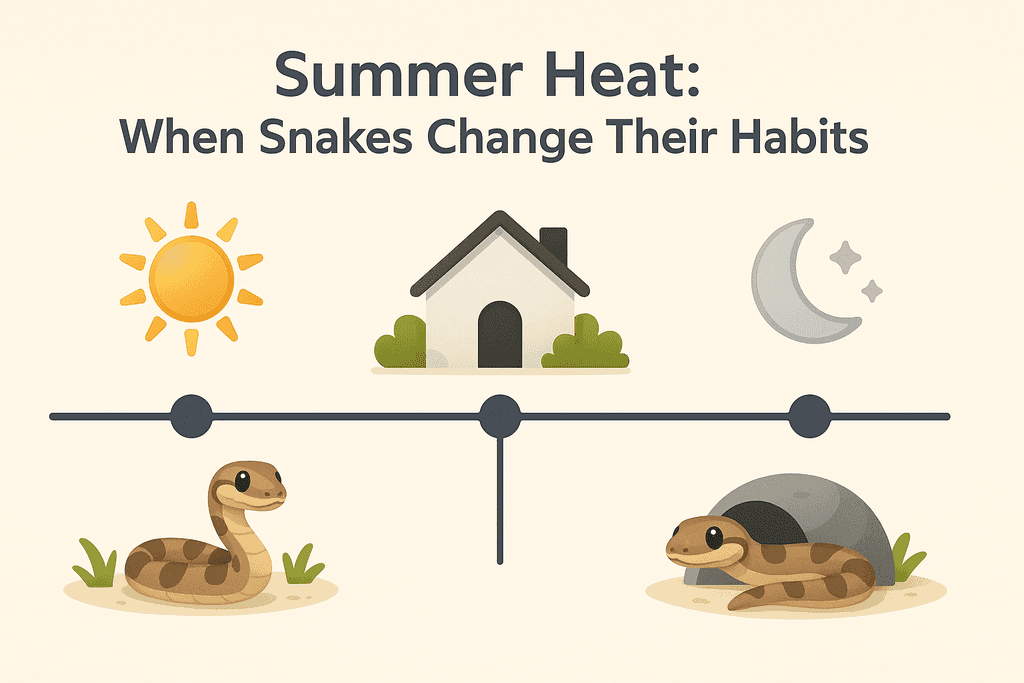
Summer Heat: When Snakes Change Their Habits
Texas summers can push temperatures well above 95 degrees, and snakes don't handle extreme heat any better than we do. When the thermometer climbs that high, snakes completely flip their schedules. What was active during morning and evening in spring becomes strictly a nighttime operation by June.
Summer Heat: When Snakes Change Their Habits
Nocturnal behavior during summer means snakes are moving around when you're least likely to see them coming. They hunt at night, travel at night, and only come out during daylight if they absolutely have to. This shift actually increases the chance of surprise encounters near your home.
Snakes seek out the coolest spots they can find during brutal summer days. Crawl spaces under homes stay significantly cooler than outside air, making them perfect snake refuges. Air conditioning vents, gaps in foundations, and spaces beneath porches all provide that temperature relief snakes desperately need. This is exactly when Wildlife X Team's detailed inspection becomes valuable, since we identify these entry points before snakes find them.
Water sources also attract more snakes during summer. If you have a pond, birdbath, or even just a leaky outdoor faucet, snakes will find it. They need to stay hydrated just like any animal, and your property's water features become snake magnets when natural sources dry up.
Fall Activity: Preparing for Winter
September through November brings a second wave of snake activity that catches many Granbury homeowners off guard. Just when you thought snake season was winding down, encounters actually spike again. The reason is simple but concerning for anyone with a home that has potential entry points.
Snakes are actively house hunting in fall, looking for warm spots to spend the winter. Unlike true hibernation, snakes in Texas enter a state called brumation where they're less active but still need shelter. Your attic, walls, or crawl space might be exactly what they're searching for.
Most common fall entry points include:- Gaps around pipe penetrations
- Damaged foundation vents
- Unsealed crawl space doors
- Cracks in brick mortar
- Gaps beneath garage doors
The exclusion services we provide at Wildlife X Team focus heavily on sealing these vulnerabilities before snakes settle in. Once a snake finds a good winter spot in your home, it'll often return to that same location year after year. Fall is your critical prevention window because once they're inside and dormant, removal becomes much more complicated.
Property owners who wait until they hear something moving in their walls have already missed the best opportunity to prevent the problem. The work we do in October and November saves homeowners from much bigger headaches come spring.
Winter Dormancy: The Quiet Season
Granbury's winters are mild compared to northern Texas, and that matters more than you might think when it comes to snakes. While December through February sees the least snake activity of any season, our relatively warm winter days can bring surprises. A sunny 65-degree day in January might feel nice to you, but it also wakes up snakes temporarily.
Snakes don't fully hibernate here like they would in colder climates. They slow down significantly, but warm spells can trigger short periods of activity. This is especially true for snakes that found their way into temperature-controlled spaces like your home's interior walls or attic.
Indoor snake encounters during winter often shock homeowners because they assume snakes are completely inactive. But a snake that's been living in your crawl space since fall is in a much warmer environment than one outside. It might move around more than you'd expect, especially if it's near heating ducts or in insulated areas.
Winter is actually the best time to schedule prevention services because:- Snakes are least active and easier to exclude
- Repairs and sealing work happens before spring activity resumes
- You're ready when mating season starts in March
- Weather conditions are ideal for exterior work
The year-round protection Wildlife X Team offers includes regular inspections that catch problems before seasons change. Our renewable lifetime warranty means we're committed to keeping your property snake-free through every season, not just the obvious busy months. Getting ahead of the cycle makes a lot more sense than reacting to it.
Staying Ahead of Snake Season
Understanding when snakes are most active in Granbury gives you a real advantage. Spring and fall are your peak times to watch for, with warm afternoons bringing the most activity. Summer heat pushes them into early morning and evening hours, while winter sends most species underground. The pattern repeats every year, which means you can actually plan ahead instead of dealing with surprises.
Here's the thing most people miss. Waiting until you see a snake to take action means they've already found a way onto your property. Prevention before peak seasons works way better than scrambling for removal during them. Sealing up entry points in late winter or early summer stops problems before they start.
Our Wildlife Inspection Report identifies the exact spots where snakes might enter your property, from foundation cracks to gaps under doors. The inspection covers areas you probably wouldn't think to check. Once we know where the vulnerabilities are, our animal proofing and exclusion services seal them up properly.
The best part about addressing snake activity before it becomes a problem is peace of mind. You won't wonder if that woodpile is harboring copperheads or if your kids can play safely in the yard. Year-round protection beats seasonal panic every time.
If you're in Granbury or the surrounding areas, getting an inspection before spring hits makes sense. The snakes are coming out either way, but whether they end up on your property is something you can actually control.
Common Questions About Snakes in Granbury
Dealing with snakes around your property can be stressful, especially if you're not sure what species you're dealing with or how to handle the situation safely. Granbury homeowners often have similar concerns when it comes to snake activity throughout the year. Here are the most common questions we hear from property owners in the area, along with straightforward answers to help you stay informed and prepared.
What month do snakes come out in Granbury?
Snakes typically emerge from winter dormancy in late March or early April when temperatures consistently reach above 60 degrees. You'll see the most activity from April through October, with peak encounters happening in May and June during their breeding season. Some species remain active into November if the weather stays warm enough.
Are the snakes in Granbury dangerous?
Most snakes in Granbury are harmless, but we do have four venomous species to watch for: copperheads, cottonmouths, rattlesnakes, and coral snakes. Copperheads are the most commonly encountered venomous snake in residential areas around Granbury. If you can't identify a snake with certainty, it's always best to keep your distance and call a professional.
How do I keep snakes away from my house?
The best prevention starts with removing what attracts them in the first place. Keep your grass cut short, eliminate brush piles and debris, seal gaps in foundations and walls, and control rodent populations since they're a primary food source. Installing snake-proof fencing around vulnerable areas can also help, though it needs to be done correctly to be effective.
What should I do if I find a snake in my home?
Stay calm and keep people and pets away from the area. Never attempt to catch or kill a snake yourself, as this is when most bite incidents occur. Contact a wildlife removal service immediately for safe, humane removal. Wildlife X Team responds quickly to snake calls in Granbury and can typically arrive within hours to handle the situation.
Does Wildlife X Team remove snakes humanely?
Yes, we use humane capture methods that don't harm the snake. Our trained specialists safely remove the animal and relocate it to an appropriate habitat away from residential areas. We follow all local wildlife regulations and prioritize the safety of both the homeowner and the snake during the removal process.
Can you prevent snakes from coming back?
Absolutely. After removal, we conduct a thorough property inspection to identify entry points and attractants. Our exclusion services seal gaps and cracks where snakes might enter, and we provide recommendations for habitat modifications that make your property less appealing to snakes. We also offer our Renewable Lifetime Warranty on exclusion work, giving you long-term peace of mind against future snake problems.