
Snake Feces Identification and When to Call for Help
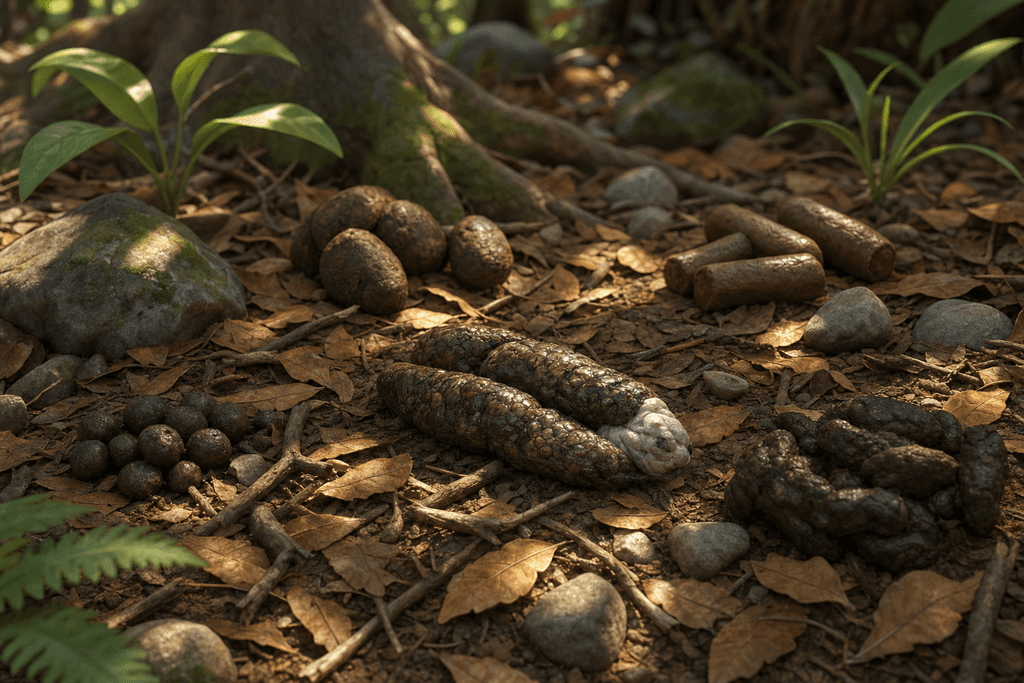
A pile of dark, smeared droppings with a chalky white tip is one of the clearest signs a snake has been moving through your yard, garage, or attic. Most homeowners walk right past snake feces thinking it's from a lizard or mouse, which means the snake sticks around a lot longer than anyone realizes. By the end of this guide, you'll know exactly what to look for and when it's time to call in a team like Wildlife X Team instead of guessing. Let's break down what makes snake droppings different from everything else you might find on your property.
Table of Contents
What Snake Droppings Actually Look Like
A snake dropping looks a lot different from what most people picture. It's usually log-shaped or smeared, with a paste-like texture that's kind of runny compared to other animal scat.
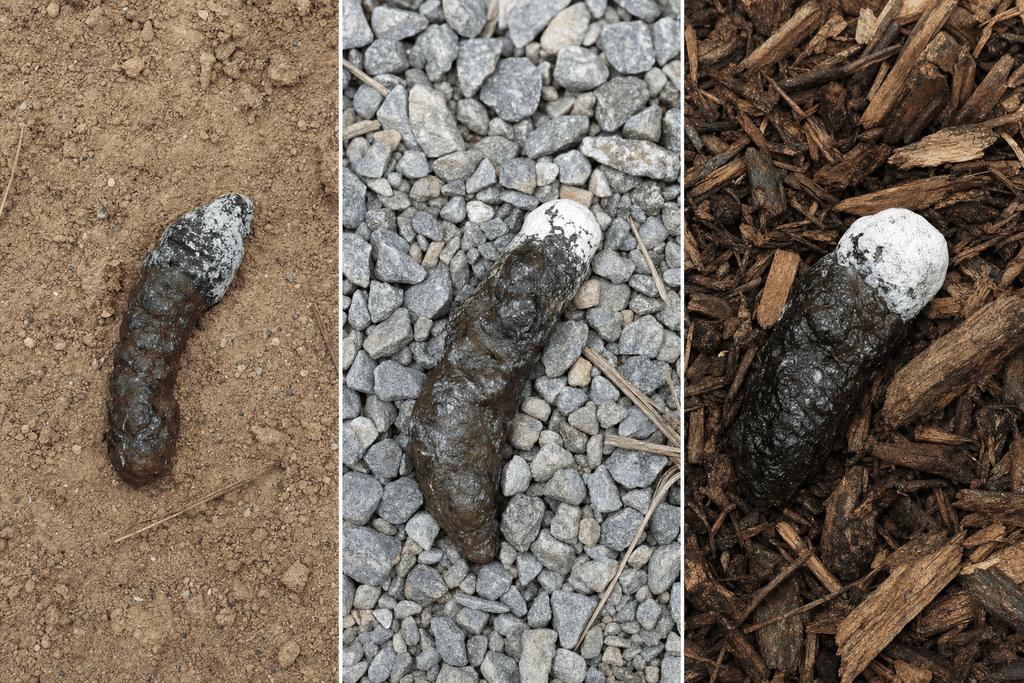
Color is another clue. Most snake feces is brown to black, and you'll almost always see a chalky white section mixed in or capping the end.
- Shape: Log-like or smeared, rarely holds a firm pellet form
- Color: Brown to black base with a white urate section
- Size: Ranges from pencil-thin (small snakes) to thumb-sized (larger species)
Size really depends on what kind of snake you're dealing with. A garter snake leaves something thin and small, while a larger snake like a rat snake or copperhead can leave droppings closer to the width of your thumb.
This video walks through real samples so you can see the texture and color differences up close instead of just reading about them.
Key Features That Identify Snake Feces
The white cap is the biggest giveaway. That's actually uric acid, left over because snakes only have one opening for both waste types, unlike mammals.
Another thing worth checking for is what's inside the dropping. Since snakes swallow prey whole, you'll sometimes spot fur, tiny bones, or scale fragments mixed into the feces.
- White or chalky cap present (uric acid)
- Fur, bone, or scale bits visible inside
- No segmented pellet shape like rodents leave behind
- No seeds or plant material like you'd find in bird droppings
If you're seeing all of these together in one sample, you're probably looking at snake feces and not something else that snuck into your attic or crawl space. That's usually the point where it makes sense to figure out how the snake got in to begin with, and our Wildlife Inspection Report is built for exactly that kind of situation.
Snake Feces Vs Lookalike Animal Droppings
Snake feces gets mixed up with other animal droppings more often than you'd think. Lizard droppings are the closest match since they also have a white cap, but they're smaller and drier, almost crumbly compared to the paste-like snake version.
Rodent droppings are easier to rule out once you know what to look for. They come as small, segmented pellets with zero white capping, nothing like the smeared look of snake scat.
- Lizard: Small, dry, white cap present but crumbly texture
- Rodent: Tiny segmented pellets, no white cap at all
- Bird: Runny, splattered, often white and green mixed together
- Cat: Large, segmented, similar to dog feces in size and shape
Bird droppings are usually pretty obvious since they're splattered and runny, not formed into any real shape. Cat feces is on the opposite end, larger and segmented almost like a small dog's, so it's not something you'd confuse with a thin snake dropping.
If you've compared all this and you're still not sure, or if you're finding a lot of droppings in one spot, that's usually a sign there's an actual snake living somewhere on the property. Wildlife X Team serves Fort Worth, Denton, Granbury, and the surrounding areas, and you can reach the team at (817) 799-8686 to get someone out to take a real look before the situation gets bigger than a few droppings in the yard.
Spotting Snake Feces Early Saves Trouble
Snake feces isn't hard to spot once you know what you're looking for. The smeared shape, white cap, and bits of fur or bone are your best clues, and they'll set it apart from lizard, rodent, bird, or cat droppings almost every time.
Still, some droppings look close enough that guessing feels risky. That's when it makes sense to have someone take a look before you decide it's nothing.
Wildlife X Team runs inspections across Fort Worth, Denton, Granbury, and nearby towns like Southlake, Flower Mound, and Weatherford for exactly this reason. If you found something in the yard or attic that you can't confidently ID, a quick call beats a guessing game with a snake you never see coming.
Snake Feces FAQs
Is snake feces dangerous to touch or breathe in
Yes, it can carry salmonella and other bacteria that make people sick. Never touch it with bare hands and avoid stirring up dust around it. Wear gloves and a mask if you have to clean it up, and wash your hands well after.
How can you tell fresh droppings from old ones
Fresh droppings look dark, moist, and shiny with a strong smell. Old ones are dried out, crumbly, and lighter in color with almost no odor. Fresh droppings mean a snake has been around recently, which is your cue to act fast.
What should you do after finding snake feces in your home
Don't touch it. Take a photo, note where you found it, and close off the area if you can. Then call a pro to inspect the space, since a trained team can find entry points and confirm if a snake is still hiding nearby, something Wildlife X Team handles with a full Wildlife Inspection Report®.