Safe Animal Relocation: How Wildlife X Team Protects Animals and People

Strange scratching sounds in your attic at 2 AM usually mean one thing: you've got uninvited wildlife guests making themselves at home. Every year, thousands of North Texas homeowners face this exact problem, and many make the mistake of trying quick fixes that either harm the animals or land them in legal trouble. The truth is, safe animal relocation protects both your property and the wildlife, and companies like Wildlife X Team have perfected humane methods that actually solve the problem for good.
Table of Contents
Understanding Wildlife Intrusions in North Texas
Every year, thousands of North Texas homeowners wake up to strange scratching sounds in their attics or discover unwelcome guests have moved into their walls. The Dallas-Fort Worth area sits right in the middle of prime wildlife habitat, which means raccoons, squirrels, and other critters see our homes as perfect places to nest, especially when the weather changes. These animals aren't trying to cause trouble, they're just looking for warm, safe spots to raise their families or escape harsh conditions. But what seems like a cozy den to them can quickly become a nightmare for property owners.
Common Wildlife Intruders in the DFW Area
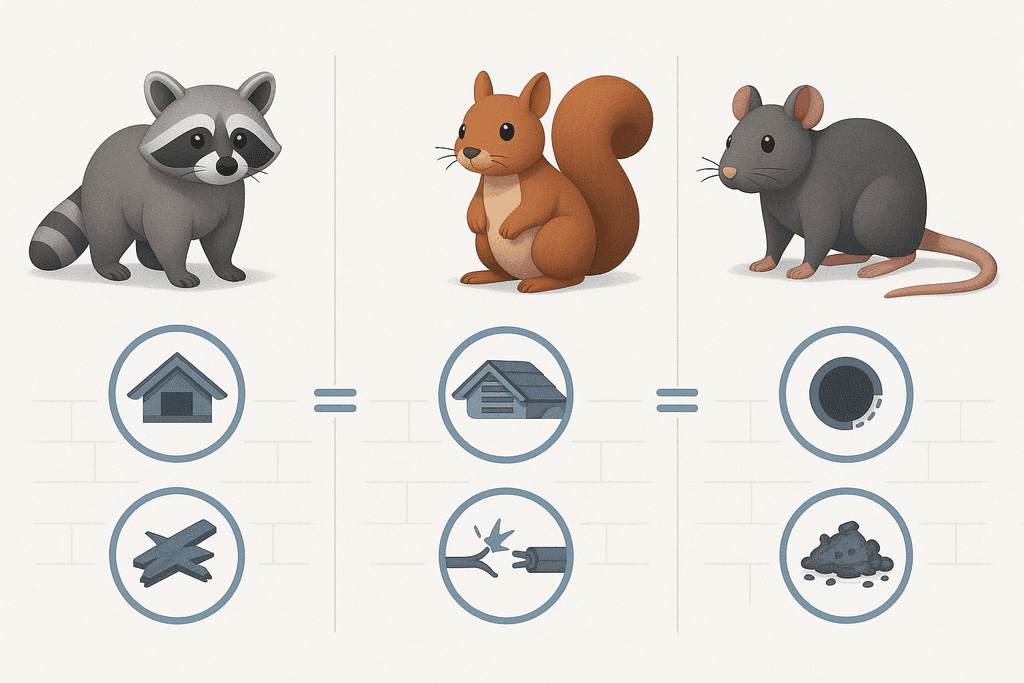
The Fort Worth and Denton regions deal with a specific group of wildlife troublemakers throughout the year. Raccoons top the list as the most destructive visitors, often tearing through roof vents and soffits to access attics. Squirrels come in a close second, with their constant gnawing causing serious damage to electrical wiring and wooden structures. Opossums, skunks, and bats also make regular appearances, each bringing their own set of problems.
Here's what makes each animal particularly problematic:
- Raccoons can rip apart roof shingles and create entry holes the size of basketballs
- Squirrels chew through electrical wires, creating serious fire hazards
- Opossums leave behind strong odors and contaminated insulation
- Bats create health risks through their droppings, which can contain harmful fungi
- Skunks spray defensive chemicals that can linger for months
When Wildlife Problems Peak
Wildlife intrusions follow predictable patterns throughout the year in North Texas. Spring brings the biggest surge as animals search for nesting sites to raise their young, typically from March through June. Fall creates a second wave of activity as creatures look for warm winter shelters, usually starting in September and lasting through November. Even winter months see activity as animals that didn't find homes earlier become desperate for protection from cold snaps.
Understanding how wildlife crossings and humane relocation work helps us see why professional removal matters so much. Wildlife X Team uses similar principles to safely relocate animals while protecting your property from future invasions.
What Attracts Animals to Your Home
Animals don't randomly choose houses to invade. They look for specific features that signal easy access and good living conditions. Homes with overhanging tree branches provide natural highways directly to your roof, making it simple for squirrels and raccoons to reach vulnerable entry points. Unsealed vents, damaged soffits, and gaps in rooflines act like welcome signs to wildlife.
Common attractants include:
- Trash cans without secure lids that offer easy meals
- Pet food left outside overnight
- Bird feeders that spill seeds on the ground
- Woodpiles stacked against the house providing shelter
- Standing water in gutters or containers
Comparing Common Wildlife Intruders
Different animals cause different types of damage and prefer specific entry points. Here's how the most common North Texas wildlife intruders compare:
Raccoons - Entry Points: Roof vents, chimneys, soffits | Typical Damage: Torn insulation, destroyed ductwork, contaminated areas with feces | Peak Season: Spring and Fall | Health Risks: Rabies, roundworm parasites
Squirrels - Entry Points: Roof edges, attic vents, gaps in siding | Typical Damage: Chewed wires, gnawed wood beams, shredded insulation | Peak Season: Spring and Late Summer | Health Risks: Fire hazards from damaged wiring, disease transmission
Opossums - Entry Points: Foundation gaps, crawl spaces, deck openings | Typical Damage: Soiled insulation, strong odors, disturbed ductwork | Peak Season: Fall and Winter | Health Risks: Leptospirosis, salmonella
Bats - Entry Points: Tiny gaps (3/8 inch), attic louvers, ridge vents | Typical Damage: Guano accumulation, staining, strong ammonia smell | Peak Season: Spring through Fall | Health Risks: Histoplasmosis from droppings, rabies
Skunks - Entry Points: Foundation openings, porch areas, sheds | Typical Damage: Dug-up lawns, spray odor, disturbed gardens | Peak Season: Spring | Health Risks: Rabies, spray-related respiratory issues
The Real Risks of Wildlife in Your Home
Having animals living in your attic or walls isn't just annoying, it's genuinely dangerous. Wildlife droppings and urine create serious health hazards, especially in enclosed spaces where spores and bacteria can become airborne. Raccoon feces can carry roundworm eggs that remain infectious for years, while bat guano may contain fungi that cause respiratory infections. The smell alone can make parts of your home unlivable.
Property damage adds up fast too. A single squirrel can cause thousands of dollars in damage by chewing through electrical wires, creating both fire hazards and expensive repair bills. Raccoons tear apart insulation, destroy air ducts, and can even damage structural wood. The longer animals stay, the worse the damage becomes.
- Contaminated insulation loses its effectiveness and must be completely replaced
- Chewed wiring creates fire risks that insurance companies take very seriously
- Animal waste seeps into drywall and wooden structures, requiring extensive repairs
- Entry holes allow water intrusion, leading to mold and rot problems
Why DIY Removal Usually Backfires
Many homeowners try to handle wildlife problems themselves, but this approach rarely works and often makes things worse. Animals are surprisingly smart and will simply find another way back in if you don't seal every possible entry point. Plus, trapping and relocating wildlife without proper permits is illegal in Texas, and doing it wrong can result in hefty fines.
The bigger issue is safety. Cornered animals become aggressive and can inflict serious bites or scratches that require medical treatment. Raccoons and bats can carry rabies, while their waste contains parasites and bacteria that cause illness. Climbing around on roofs to seal entry points puts you at risk of falls, and working in contaminated attics exposes you to harmful pathogens without proper protective equipment.
Companies like Wildlife X Team handle these situations daily with proper equipment, training, and legal permits. Their Wildlife Inspection Report® identifies all entry points, not just the obvious ones, which is why professional removal actually solves the problem instead of just postponing it. The approach focuses on humane removal followed by complete exclusion, so animals can't return even if they try.
The Humane Removal Process That Works
Most people don't realize that wildlife removal isn't just about getting animals out of your home. It's about doing it in a way that doesn't harm the creatures or put your family at risk. When you hear scratching in your attic at 2 AM, your first instinct might be to grab a broom and handle it yourself. But that approach usually makes things worse for everyone involved. The animals get stressed, you might get injured, and the problem often comes right back because you haven't addressed the real issue.
The Humane Removal Process That Works
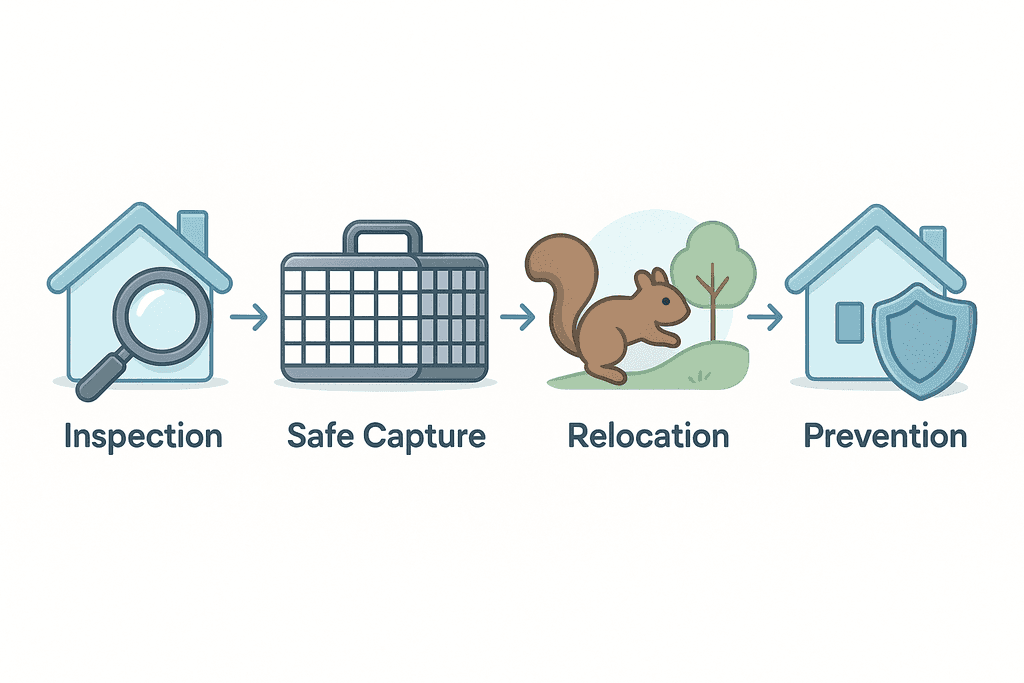
Wildlife X Team starts every job with a Wildlife Inspection Report® that maps out exactly what's happening in your home. This isn't a quick walk-through where someone pokes their head in the attic and calls it a day. Our team checks every possible entry point, identifies what animals you're dealing with, and figures out how they got in.
- Complete property assessment to find all entry points, not just the obvious ones
- Species identification to determine the best removal approach for each animal
- Activity monitoring to understand movement patterns and nesting locations
- Damage evaluation to assess what repairs will be needed after removal
The actual capture process uses methods designed by zoologists who understand animal behavior. One of our team members, Jason, is a zoologist who knows exactly how to handle each species without causing unnecessary stress. Animals are relocated to suitable habitats away from residential areas where they can thrive without bothering anyone.
This video shows how our approach protects both the animals and your property throughout the entire process. Unlike some companies that focus only on getting animals out quickly, we make sure the relocation is done right.
Prevention Strategies That Keep Animals Out
Getting the animals out is only half the battle. If you don't seal up the entry points properly, you're just inviting the next family of raccoons or squirrels to move in. We've seen homeowners try to patch holes themselves with chicken wire or wood scraps, only to call us back a few weeks later when new animals chewed right through. The difference between a temporary fix and a permanent solution comes down to knowing exactly what materials work and where to use them.
Prevention Strategies That Keep Animals Out
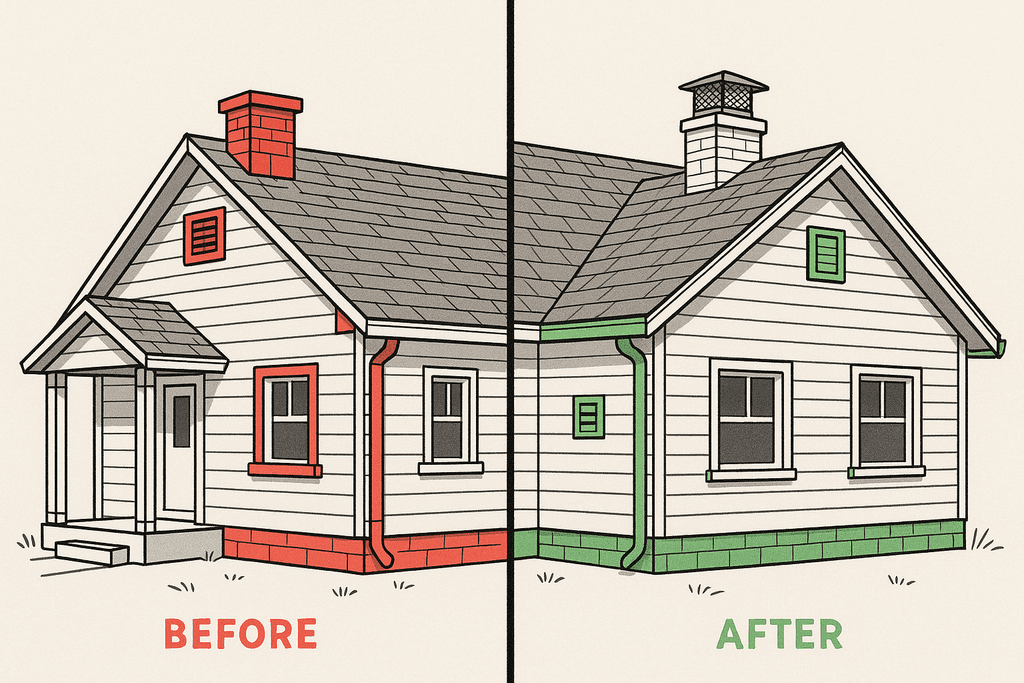
Foundation repairs are one of the most overlooked aspects of wildlife prevention. Small cracks and gaps around your foundation might look harmless, but they're like welcome mats for rodents and other small animals. We use professional-grade sealants and barriers that actually hold up over time.
- Chimney caps that allow smoke to escape while blocking animal entry
- Vent guards designed to maintain proper airflow without creating access points
- Strategic caulking around pipes, wires, and other penetration points
- Reinforced screening for larger openings that need ventilation
Jesse Bernard found this out firsthand when he had what he called a "squirrel party" in his attic. He'd spotted one obvious entry point and thought about sealing it himself. When our team came out, we found several other entry points he never would have discovered on his own. Months later, he still hasn't had any issues because we addressed every vulnerability.
The Renewable Lifetime Warranty backs up all this work. It's not just a piece of paper. It means if wildlife finds a way back in through our repairs, we come back and fix it at no additional cost. That kind of guarantee only works when you're confident in the quality of your prevention work.
Attic Restoration After Wildlife Damage
Here's what most people don't think about until it's too late. Once the animals are gone, you're left with contaminated insulation, droppings, urine stains, and sometimes even dead animals in hard-to-reach places. This isn't just gross, it's actually dangerous. Animal waste carries diseases and parasites that can affect your family's health through the air you breathe inside your home. The smell alone can be unbearable, but the health risks are what really matter.
Professional disinfection goes way beyond spraying some cleaner and calling it done. We remove contaminated insulation completely because you can't just clean it once it's been soiled. The decontamination process eliminates bacteria, viruses, and parasites that animals leave behind.
Signs You Need Attic Restoration
- Strong ammonia smell coming from your attic or walls
- Visible stains on ceilings or walls from animal urine
- Compressed or damaged insulation in certain areas
- Droppings scattered throughout the space
- Increased energy bills from damaged insulation
Insulation replacement restores your home's energy efficiency while getting rid of contaminated materials. We don't just throw new insulation on top of the old stuff. Everything gets pulled out, the space gets properly cleaned and sealed, and then fresh insulation goes in. The final step involves sealing every potential re-entry point we found during the initial inspection.
For businesses dealing with wildlife intrusions, the stakes are even higher. A restaurant with rats or a warehouse with raccoons can face health code violations, lost inventory, and damage to their reputation. Our commercial wildlife removal solutions address these issues quickly and discreetly. We work around your business hours when possible and make sure the problem gets solved without disrupting your operations more than necessary.
Franklin helped one customer keep possums out with repairs that actually lasted. Mark Thompson had raccoons removed and his attic secured against future invasions. These aren't just one-time fixes. They're comprehensive solutions that address the root cause of wildlife intrusions, not just the symptoms.
Your Next Steps for Wildlife Free Living
Dealing with wildlife in your home doesn't have to mean choosing between your safety and the animals' wellbeing. The right approach protects both your property and the creatures that accidentally wandered in. Professional removal makes sure animals get relocated safely while your home gets the repairs and protection it needs to stay wildlife-free. It's not just about getting rid of the problem today, but making sure it doesn't come back next month or next year.
Many homeowners in the Dallas-Fort Worth area try DIY solutions first, only to find the same animals returning through entry points they didn't know existed. Wildlife X Team handles everything from the initial inspection to long-term prevention, including their Wildlife Inspection Report that identifies vulnerabilities you might miss on your own.
The difference between a temporary fix and lasting protection often comes down to understanding animal behavior and building science. Squirrels don't just use one entry point, and raccoons can tear through materials that seem sturdy to us. That's where professional animal proofing and exclusion services make the biggest impact.
For businesses and homeowners across Ft. Worth, Denton, and Granbury, the peace of mind from knowing your property is truly protected matters just as much as solving the immediate problem. The renewable lifetime warranty backs up that protection with a real guarantee.
You probably have questions about how the process works, what to expect during an inspection, or how long everything takes. Let's address some of the most common concerns people have when dealing with wildlife issues.
Common Questions About Wildlife Removal
Most homeowners have similar concerns when they discover unwanted animals in their attic or walls. The good news is that humane wildlife removal has come a long way, and the process is usually simpler than people expect. Understanding what to expect can help you make better decisions when wildlife shows up uninvited. Here are the most common questions we hear from property owners dealing with raccoons, squirrels, and other critters.
How long does the removal process take?
The timeline depends on the type of animal and how many entry points need to be sealed. Most residential jobs take between 1-3 days from initial inspection to complete removal and exclusion. Wildlife X Team typically starts work the same day as the estimate for urgent situations, and the animals are usually gone within 24-48 hours once traps or exclusion devices are in place.
Is humane removal more expensive than traditional methods?
Not really, and it often saves money in the long run. Humane removal focuses on prevention and exclusion, which means you're less likely to have repeat problems compared to companies that just trap and leave entry points open. While some competitors like Terminix or local pest control services might offer lower initial quotes, they often don't include the comprehensive sealing and prevention work that stops animals from coming back.
What happens to the animals after removal?
Animals are relocated according to Texas wildlife regulations, which vary by species. Squirrels and raccoons are typically released in suitable habitats away from residential areas. The focus is always on humane treatment while ensuring they don't return to your property or become a problem for nearby neighbors.
How can I prevent wildlife from returning?
Prevention comes down to eliminating entry points and removing attractants. Wildlife X Team's approach includes sealing all potential access areas with durable materials, installing vent guards and chimney caps, and repairing foundation gaps. They also provide a Wildlife Inspection Report® that identifies vulnerabilities you might not notice. Their renewable lifetime warranty backs up the exclusion work, which gives you protection other companies don't offer.
Do you offer emergency wildlife removal services?
Yes, same-day service is available for urgent situations. If you're hearing animals in your walls at night or notice a raccoon has gotten into your living space, Wildlife X Team responds quickly to assess the situation and begin removal work immediately when possible.
What areas does Wildlife X Team serve?
The service area covers Fort Worth, Denton, Granbury, and the surrounding Dallas-Fort Worth region. This local focus means faster response times compared to national chains, and the team understands the specific wildlife challenges that Texas homeowners face throughout the year.