
Rodent Removal in Keller TX for Rats, Mice, and Entry Points
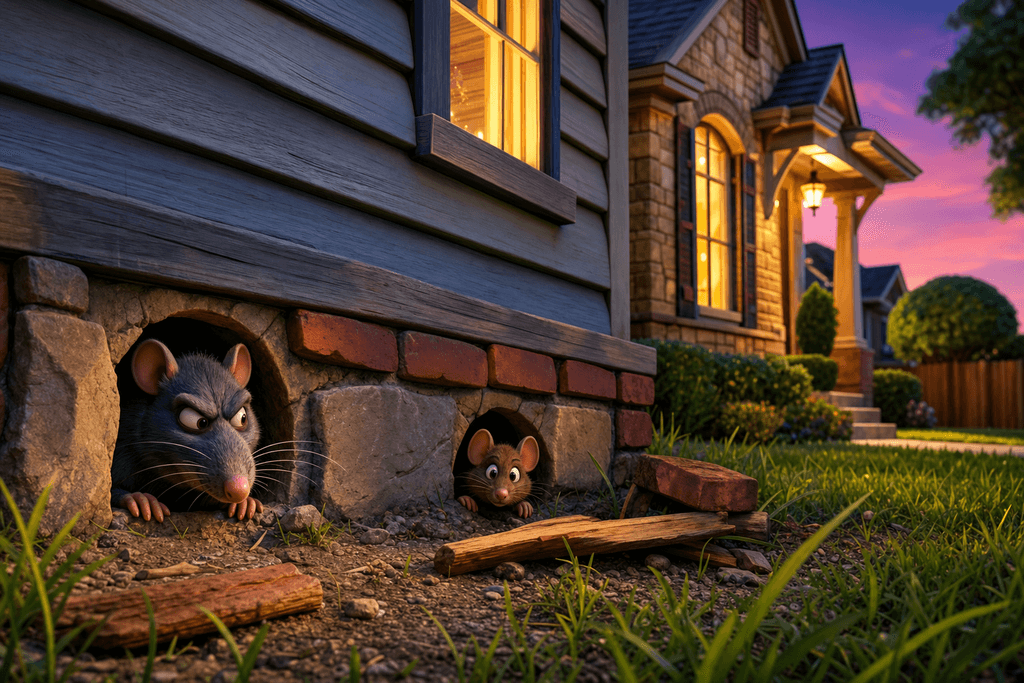
A single mouse can squeeze through a hole the size of a dime, which means your Keller home likely has dozens of potential entry points you've never noticed. Keller's tree-lined neighborhoods and suburban setting create the perfect habitat for rats and mice year-round, giving them easy access to food, water, and shelter. Most homeowners try DIY traps and store-bought solutions, but these approaches rarely work because they miss the hidden entry points that keep bringing rodents back.
Table of Contents
- Understanding Rodent Behavior in North Texas
- Signs You Have a Rodent Problem in Your Keller Home
- How Professional Rodent Removal Works
- Sealing Entry Points for Permanent Protection
- Attic Cleanup and Damage Restoration
- Why DIY Rodent Control Usually Fails
- Getting Started with Rodent Removal in Keller
- Common Questions About Rodent Removal in Keller
Understanding Rodent Behavior in North Texas
A single mouse can squeeze through a hole the size of a dime, which explains why so many Keller homeowners wake up to scratching sounds in their walls. The Dallas-Fort Worth area, including Keller, creates the perfect environment for rodents to thrive year-round. Our mild winters mean these pests never really go away, and the mix of suburban homes near natural areas gives them plenty of opportunities to move between outdoor habitats and your cozy attic. Understanding what brings rodents to your property is the first step in keeping them out for good.
Common Rodent Species in Keller
Three main types of rodents cause problems for Keller residents, and each one behaves a bit differently. Norway rats prefer ground-level spaces like crawl spaces and basements, while roof rats live up to their name by climbing into attics and upper floors. House mice are the smallest but often the most common, and they can fit through openings you'd never expect.
Here's what makes each species unique in our area:
- Norway rats are heavy-bodied, brownish rodents that burrow along foundations and enter through gaps near the ground
- Roof rats have sleek black or dark brown bodies and excellent climbing skills that let them access second-story entry points
- House mice are tan to gray, weigh less than an ounce, and can establish large colonies inside wall voids within weeks
- All three species reproduce quickly, with a single pair potentially leading to dozens of offspring in just a few months
When Rodent Problems Peak in Keller
Rodent activity in Keller follows predictable patterns throughout the year, though you can encounter these pests any time. Fall brings the biggest surge as temperatures drop and rodents search for warm places to nest. Spring sees another spike when breeding season kicks into high gear and food sources become more abundant outdoors, pushing populations higher.
This expert advice shows exactly how rodents find their way into homes, which helps explain why professional rodent removal in Keller TX focuses so heavily on identifying and sealing entry points.
The seasonal patterns break down like this:
- September through November sees the highest number of initial infestations as rodents seek shelter
- December through February keeps activity high as established colonies stay put in warm spaces
- March through May brings breeding activity and expanding populations
- Summer months show slightly lower indoor activity but outdoor populations grow near homes
How Rodents Find Entry Points
Rodents don't just randomly stumble into your home. They actively search for entry points by following air currents, food smells, and warm drafts coming from inside. Their whiskers help them detect even tiny openings, and their flexible bodies let them exploit gaps you might not notice during a casual inspection.
Common entry points around Keller homes include:
- Gaps around utility lines where pipes, cables, or wires enter the structure
- Damaged or missing vent screens on crawl spaces, attics, and foundation vents
- Cracks in foundation walls or gaps where the foundation meets the siding
- Worn weatherstripping around garage doors and entry doors
- Roof intersections, damaged soffits, and gaps around chimney flashing
Wildlife X Team's inspection process identifies these vulnerabilities before they become major problems. The company's Wildlife Inspection Report® examines every potential entry point, which is why their approach to rodent removal in Keller TX goes beyond just trapping the animals you can see.
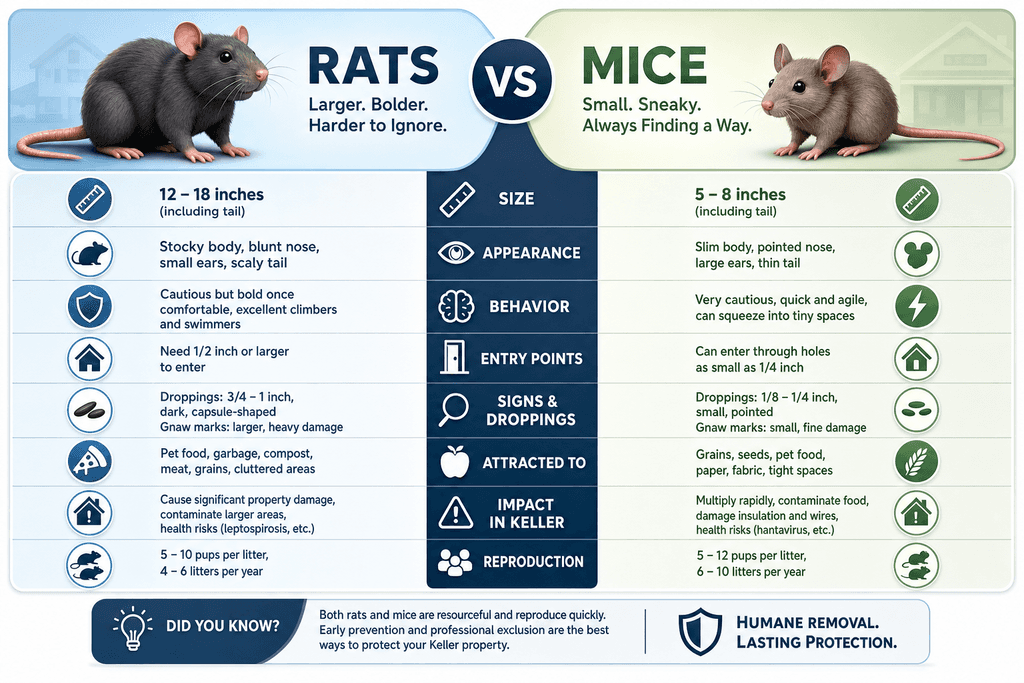
Rats vs Mice What Keller Homeowners Need to Know
While both rats and mice cause similar problems, knowing the differences helps you understand what you're dealing with. The size difference is obvious, but their behavior patterns and the damage they cause vary quite a bit.
Comparison of Rats and Mice in Keller Homes
Rats:
- Size: 7-10 inches long (body only)
- Droppings: 3/4 inch long, blunt ends
- Entry Size: Quarter-sized holes or larger
- Nesting: Burrows, insulation, stored items
- Activity: Cautious, avoid new objects
Mice:
- Size: 2-4 inches long (body only)
- Droppings: 1/4 inch long, pointed ends
- Entry Size: Dime-sized holes or larger
- Nesting: Wall voids, cabinets, small spaces
- Activity: Curious, explore readily
Health Risks and Property Damage
The problems rodents cause go way beyond the creepy factor of knowing they're in your walls. These pests carry diseases that can affect your family, and the structural damage they cause can cost thousands to repair if left unchecked. Their constant gnawing isn't just annoying, it's actually necessary for them because their teeth never stop growing.
Health concerns from rodent infestations include:
- Hantavirus, salmonella, and other diseases spread through droppings and urine
- Allergens from dander and waste that trigger asthma and respiratory issues
- Parasites like fleas, ticks, and mites that rodents bring into your home
- Contamination of food storage areas and kitchen surfaces
Property damage adds up fast when rodents move in. They chew through electrical wiring, which creates fire hazards that many homeowners don't discover until it's too late. Insulation gets contaminated with urine and droppings, losing its effectiveness and creating odor problems. Wood framing, drywall, and stored belongings all become targets for their gnawing behavior.
The combination of health risks and property damage makes quick action essential when you spot signs of rodents. Companies like Wildlife X Team offer comprehensive solutions that address both the immediate infestation and the underlying vulnerabilities that let rodents in. Their attic cleanup and restoration services handle the contamination issues while their exclusion work prevents future problems, giving Keller homeowners complete protection against these persistent pests.
Signs You Have a Rodent Problem in Your Keller Home
A single mouse can leave behind 50 to 75 droppings every day, which means if you spot a few pellets in your pantry, you're looking at evidence of a much bigger problem. Most homeowners in Keller don't realize they have rodents until the infestation has already spread through their walls and attic. The tricky part is that rats and mice are nocturnal, so they do most of their damage while you're asleep. By the time you notice the signs, they've likely been living rent-free in your home for weeks.
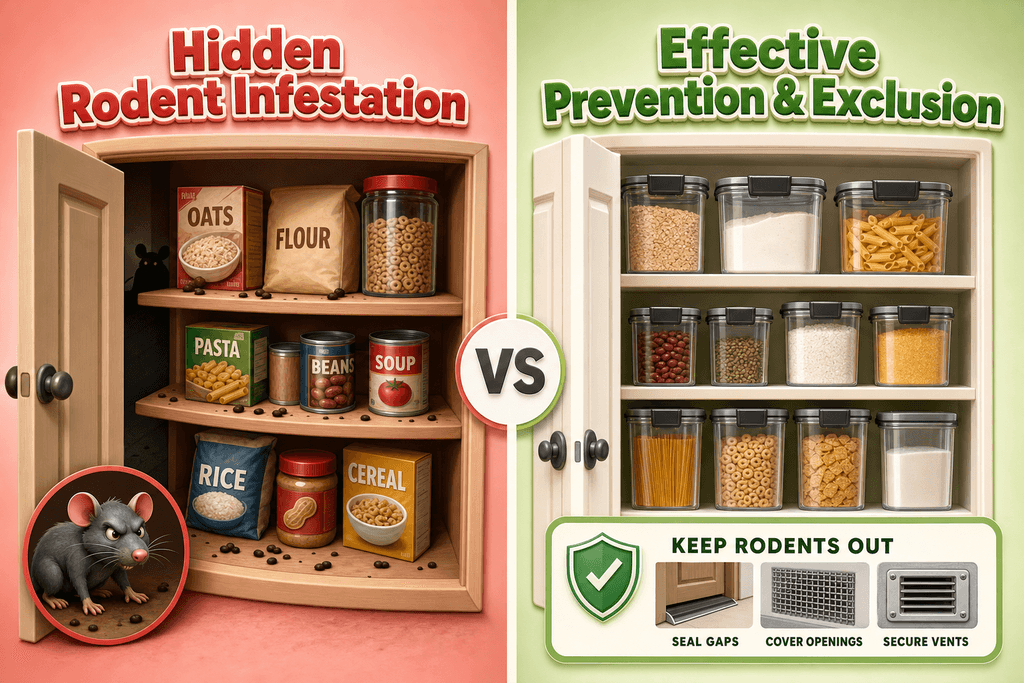
Visual evidence is usually the first clue that something's wrong. You might find small, dark droppings near food sources, along baseboards, or in the back of cabinets. Gnaw marks on food packaging, furniture, or even electrical wiring are another dead giveaway. Rodents need to constantly chew to keep their teeth from growing too long, so they'll gnaw on just about anything they can find.
- Small, pellet-shaped droppings near food or along walls
- Gnaw marks on boxes, wires, and wooden surfaces
- Greasy rub marks along walls where rodents travel repeatedly
- Shredded paper, fabric, or insulation used for nesting
- Footprints or tail marks in dusty areas
The sounds are what usually get people's attention though. If you hear scratching, scurrying, or squeaking sounds coming from your walls or ceiling at night, that's rodents moving around. These noises typically happen between dusk and dawn when rats and mice are most active. Some folks describe it as hearing something running back and forth in the attic, which is exactly what's happening.
The smell is harder to ignore once it gets bad. Rodent urine has a strong, musky odor that builds up over time, especially in enclosed spaces like attics and crawl spaces. If you notice a persistent smell you can't identify, it might be coming from rodent activity or even a dead rodent stuck somewhere in your walls.
Rodent Activity Inspection Checklist
- Check kitchen cabinets and pantry for droppings or chewed packaging
- Inspect attic insulation for nesting materials or tunneling
- Look for gnaw marks on electrical wires (a serious fire hazard)
- Examine foundation vents and crawl spaces for entry points
- Listen for sounds in walls during evening hours
- Check garage and storage areas for signs of activity
Here's the thing about DIY solutions: they rarely work for active infestations. You might catch one or two mice with store-bought traps, but if you're seeing multiple signs of activity, you're dealing with a breeding population. That's when it's time to call professionals who can assess the full scope of the problem and actually solve it.
How Professional Rodent Removal Works
Most rodent removal companies will set a few traps and call it a day, but that approach misses the bigger picture. The team at Wildlife X Team starts with their Wildlife Inspection Report®, which is basically a full examination of your property to find every possible entry point and assess the extent of the infestation. This inspection covers everything from your foundation to your roofline, because rodents can squeeze through openings as small as a quarter inch.
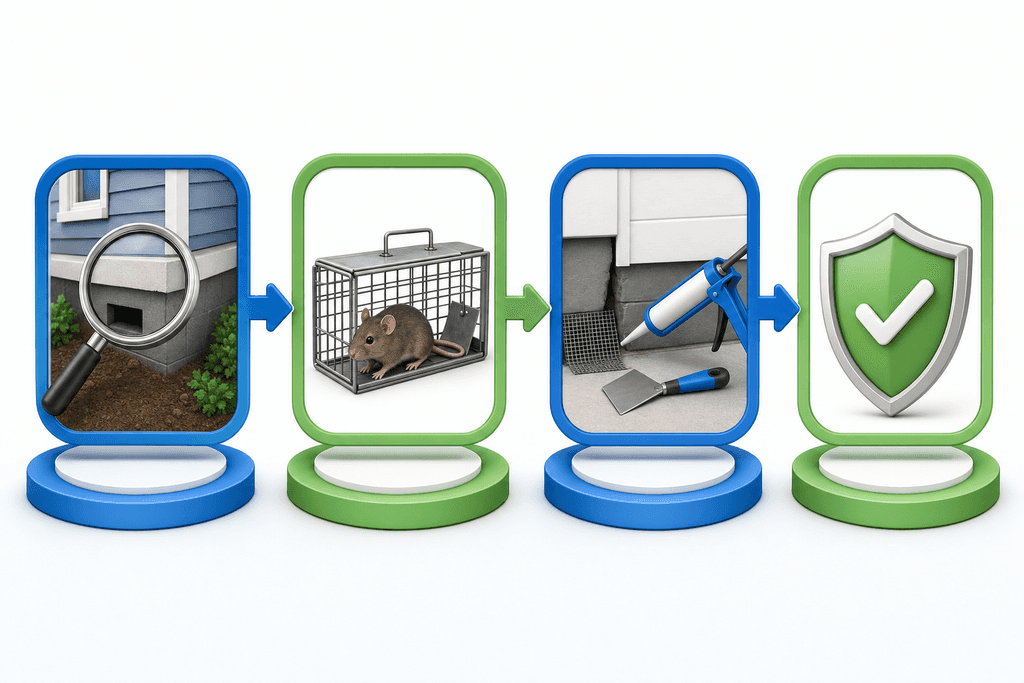
During the inspection, technicians look for the stuff most homeowners miss. They check roof vents, pipe penetrations, foundation cracks, and gaps around utility lines where rodents commonly enter. They also assess the damage already done inside your attic or walls, which helps determine the scope of cleanup needed later.
- Complete property assessment from foundation to roof
- Identification of all current and potential entry points
- Documentation of existing damage and contamination
- Customized removal and exclusion plan
The actual removal process uses humane trapping methods that don't rely on poison. Poison might seem like a quick fix, but it creates new problems when rodents die inside your walls where you can't reach them. Humane traps allow for safe removal without the risk of decomposing animals creating odor issues throughout your home.
What separates professional removal from DIY attempts is the focus on prevention alongside removal. You can trap rodents all day long, but if you don't seal the entry points, new ones will just move in to replace them. The approach used at the Keller location at 11833 Katy Rd combines removal with comprehensive exclusion work, which is why it actually works long-term instead of just temporarily reducing the population.
Sealing Entry Points for Permanent Protection
Trapping rodents without sealing entry points is like bailing water out of a boat without plugging the hole. You might make temporary progress, but the problem keeps coming back. Homes in Keller have common vulnerabilities that rodents exploit, and most homeowners have no idea these entry points even exist. Foundation cracks, roof-to-wall junctions, plumbing penetrations, and attic vents are all prime access points for rats and mice looking for shelter.
The foundation is often the weakest link in rodent prevention. Small cracks or gaps where utilities enter the home create perfect entry points. Rodents can flatten their bodies and squeeze through openings that look way too small for them to fit through.
This video shows professional techniques for sealing common entry points that rodents use to access homes. The methods shown are similar to what Wildlife X Team uses during exclusion work.
- Foundation cracks and gaps around utility penetrations
- Roof vents without proper screening or damaged covers
- Gaps where pipes enter walls or under sinks
- Chimney openings without caps or damaged flashing
- Damaged soffit and fascia boards
- Gaps around garage doors and weather stripping
Professional exclusion uses materials that rodents can't chew through. Steel wool, copper mesh, and metal flashing are common materials for permanent sealing. Regular caulk or spray foam alone won't cut it because rodents can gnaw right through those materials. The exclusion work includes foundation repair where needed, chimney protection with proper caps, and installation of vent guards that allow airflow while blocking access.
This is where Wildlife X Team's Renewable Lifetime Warranty comes into play. Because the exclusion work uses professional-grade materials and techniques, they can stand behind it with a warranty that covers future intrusions. The service area includes Fort Worth, Southlake, Grapevine, and Colleyville, so homeowners throughout the region can get this level of protection.
Attic Cleanup and Damage Restoration
Rodent droppings and urine carry diseases that can become airborne when disturbed, which is why attic cleanup isn't something you want to tackle yourself. Hantavirus, leptospirosis, and salmonella are just a few of the health risks associated with rodent waste. When rodents live in your attic for weeks or months, they contaminate insulation with urine and feces, creating a health hazard that lingers even after the rodents are gone. The contamination also attracts new rodents through scent markers, which is why thorough cleanup is essential for preventing future infestations.
Damaged insulation loses its effectiveness and needs replacement. Rodents tunnel through insulation, compress it, and saturate it with waste. This reduces your home's energy efficiency and creates an environment where bacteria and pathogens thrive.
- Removal of contaminated insulation materials
- Professional disinfection of all affected surfaces
- Replacement with new insulation to restore R-value
- Sealing of entry points to prevent recontamination
- Odor neutralization treatment
The disinfection process uses commercial-grade products that eliminate pathogens and neutralize odors. Regular household cleaners won't cut it for this level of contamination. Professional cleanup includes removing all contaminated materials, treating surfaces with disinfectant, and ensuring proper ventilation during the process to prevent exposure to airborne particles.
Not every rodent situation requires full attic restoration, but if you've had an active infestation for more than a few weeks, cleanup is usually necessary rather than optional. The odor alone is enough reason to do it, but the health risks and energy efficiency losses make it a smart investment. Plus, proper cleanup removes the scent trails that would otherwise attract new rodents to your home, making it a key part of long-term prevention.
Why DIY Rodent Control Usually Fails
Most homeowners in Keller spend around $200 to $400 on repeated DIY rodent removal attempts before finally calling a professional. The problem isn't that store-bought traps don't work at all, it's that they only address the symptoms while the real issue keeps getting worse. You might catch one or two mice, but if there's a quarter-sized hole in your foundation, you're just playing an endless game of catch and release. The root cause of rodent infestations is always about access points, not just the animals you can see running across your kitchen floor.
Common DIY Mistakes That Backfire
The biggest errors happen when people think they've solved the problem after catching a few rodents. What they don't realize is that rats and mice leave scent trails that attract more of their friends and family.
- Setting traps in obvious locations while rodents use hidden pathways in walls and attics
- Using poison without considering where the rodent will die and decompose
- Sealing one visible entry point while missing five others that require crawling through insulation to find
- Cleaning up droppings without proper protective equipment or disinfection methods
- Assuming the problem is solved after a few days of no activity
The Hidden Costs of Going It Alone
Poison creates a whole new set of problems that most people don't think about until it's too late. Dead rodents inside your walls smell terrible for weeks, and if you have pets or kids, the risk of secondary poisoning is real.
DIY vs Professional Rodent Removal
DIY Approach Limitations:
- Traps only catch visible rodents, missing the colony
- No thermal imaging or inspection cameras to find hidden entry points
- Poison risks secondary contamination and inaccessible dead rodents
- Average cost of $200-400 in repeated attempts over several months
- No guarantee against re-infestation
Professional Service Advantages:
- Complete property inspection identifies all entry points and vulnerabilities
- Humane removal methods that address the entire colony
- Professional-grade exclusion materials that rodents cannot chew through
- Attic cleanup and sanitation to remove contamination and scent trails
- Renewable lifetime warranty from Wildlife X Team protects your investment
The real value of professional rodent removal in Keller TX comes down to completeness. Wildlife X Team's approach includes finding every entry point with specialized equipment, removing all rodents humanely, cleaning contaminated areas properly, and sealing everything so the problem doesn't come back next season.
Getting Started with Rodent Removal in Keller
Dealing with rodents in your Keller home means tackling two problems at once. You need to get rid of the rats and mice that are already inside, but you also need to figure out how they got in and seal those entry points. If you only do one without the other, you're basically leaving the door open for the next wave of unwanted guests.
Wildlife X Team handles both parts of the problem with a humane approach that actually works long-term. We don't just set traps and call it a day. Our team inspects your property to find every possible entry point, removes the rodents safely, and then seals everything up so they can't come back.
If you're in Keller, Trophy Club, Flower Mound, or any of the surrounding areas, we're right here at 11833 Katy Rd, Keller, TX 76244. The process starts with a simple phone call to (817) 799-8686.
When you call, we'll ask you a few questions about what you're seeing and hearing. Then we'll schedule an inspection to check your attic, walls, foundation, and anywhere else rodents might be getting in. Most people are surprised by how many entry points we find that they never noticed.
The sooner you address a rodent problem, the less damage they can do to your insulation, wiring, and stored belongings. Plus, the health risks from droppings and contamination only get worse the longer they're living in your space. You probably have questions about the process, costs, and what to expect, which is exactly what we'll cover next.
Common Questions About Rodent Removal in Keller
Most homeowners dealing with rodents have similar concerns about the removal process. Getting straight answers helps you know what to expect when you call for help. Here are the questions we hear most often from Keller residents dealing with rats and mice in their homes.
How quickly can rodents be removed?
The initial removal typically starts within 24-48 hours of your call, depending on the severity of the infestation. Most active rodent problems are under control within the first week, though complete elimination can take 2-3 weeks as we monitor traps and ensure all entry points are sealed. Wildlife X Team often begins work the same day as the inspection, which means you won't be living with unwanted guests any longer than necessary.
Is the removal process safe for pets and children?
Yes, all removal methods prioritize the safety of your family and pets. Traps are placed in areas where children and pets can't access them, like inside walls, attics, and crawl spaces. The products used for cleanup and sanitation are pet-safe and non-toxic once dried. You won't need to leave your home during the process.
What does the warranty cover?
The Renewable Lifetime Warranty covers any new rodent entry through previously sealed areas. If rats or mice get back in through spots that were repaired, the team returns to fix the problem at no additional cost. This warranty gives you peace of mind that your investment in exclusion work is protected long-term, not just for a few months.
How long does exclusion work last?
Professional exclusion work using quality materials typically lasts 10-20 years or more. The steel mesh, caulking, and vent guards installed don't deteriorate quickly like DIY solutions often do. Weather and normal wear might require minor touch-ups over time, but the main barriers stay effective for decades when installed correctly.
Do you serve areas beyond Keller like Roanoke and Haslet?
Yes, Wildlife X Team serves the entire Fort Worth and Denton area, including Roanoke, Haslet, Southlake, Trophy Club, and surrounding communities. The service area covers most of the Dallas-Fort Worth metroplex, so if you're within an hour of Keller, you're likely covered.
What's included in the Wildlife Inspection Report?
The Wildlife Inspection Report® documents every potential entry point on your property, from foundation cracks to roof gaps. You'll get photos of problem areas, details about current rodent activity, and a clear plan for sealing vulnerabilities. This report helps you understand exactly where rodents are getting in and what needs to be fixed, rather than guessing or only addressing obvious holes.