
Remove Raccoons Safely From Attics, Roofs, and Crawl Spaces
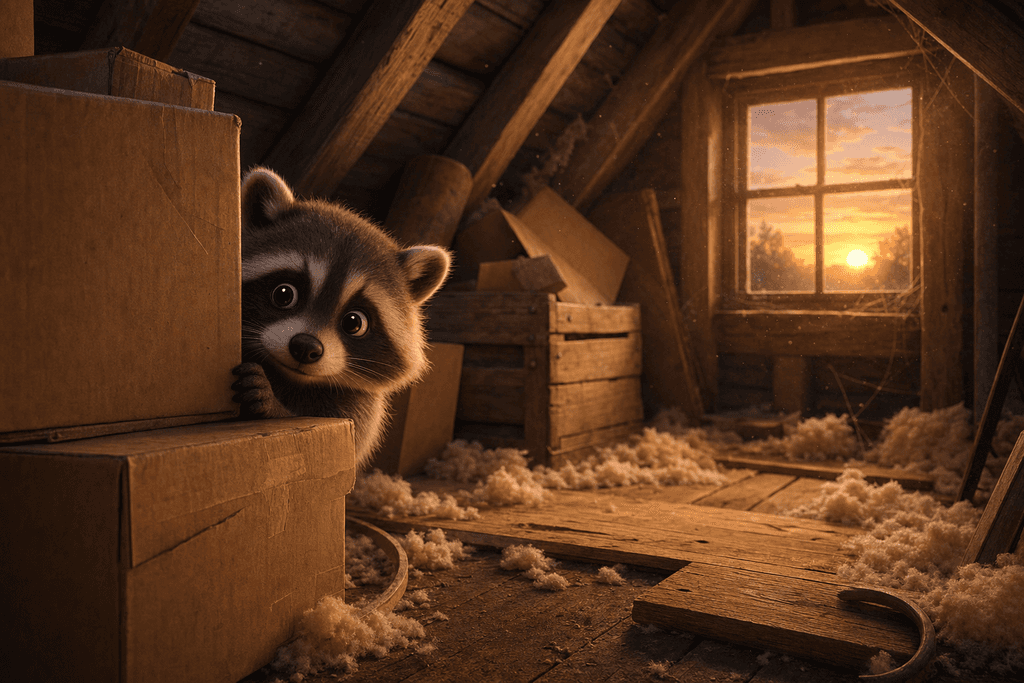
Scratching sounds in your ceiling at night usually mean one thing: raccoons have moved into your attic. These masked bandits can cause between $3,000 and $8,000 in damage by tearing up insulation, chewing through wires, and leaving behind contaminated waste that poses serious health risks. Learning how to remove raccoons safely protects both your home and your family, especially during spring months when female raccoons in the Fort Worth area actively search for warm nesting spots.
Table of Contents
Understanding Raccoon Behavior in Texas Homes
Raccoons in the Fort Worth and Dallas area have become more than just occasional visitors. They're moving into attics and crawl spaces at record rates. The Texas raccoon population has grown steadily over the past decade, with urban areas seeing the biggest increase. These masked bandits aren't just passing through anymore. They're setting up permanent homes in residential properties across Denton, Granbury, and surrounding communities.
Why Raccoons Choose Texas Homes
Texas weather creates perfect conditions for raccoon activity year-round. Unlike northern states where raccoons hibernate, our mild winters keep them active and searching for shelter. Your attic offers everything a raccoon family needs: warmth, safety from predators, and a dry place to raise babies.
Raccoons are drawn to homes for several specific reasons. Food sources like pet food, garbage cans, and bird feeders act like welcome signs. Once they find easy meals, they start looking for nearby shelter. That's when your home becomes their target.
- Unsealed roof vents and damaged soffit areas provide easy entry points
- Chimneys without caps are like open doors to raccoons
- Gaps in foundation walls or crawl space vents offer ground-level access
- Tree branches touching your roof create natural highways for climbing
Seasonal Patterns and Activity Levels
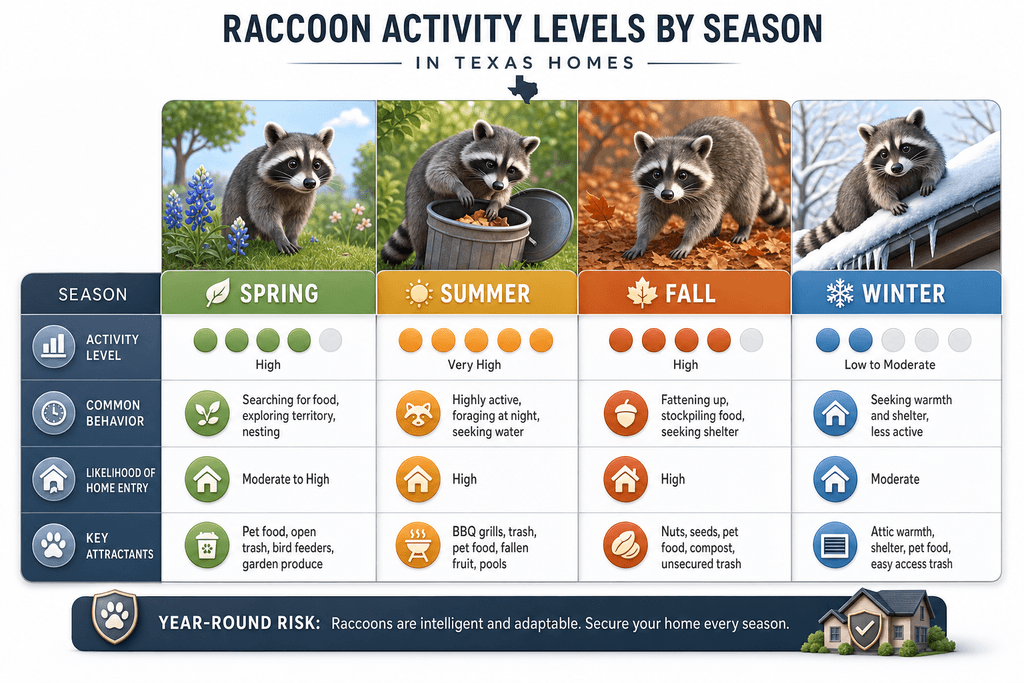
Understanding when raccoons are most active helps you know what to watch for. Spring brings the biggest problems because mother raccoons search for safe places to have babies. From March through May, attic invasions spike dramatically. Fall sees another increase as raccoons look for winter shelter and food storage spots.
| Season | Activity Level | Primary Behavior |
|---|---|---|
| Spring (March-May) | Very High | Nesting and raising babies in attics |
| Summer (June-August) | Moderate | Feeding and teaching young to forage |
| Fall (September-November) | High | Seeking winter shelter and storing food |
| Winter (December-February) | Moderate to High | Staying in warm attics during cold snaps |
Health Risks You Need to Know
Raccoon droppings carry serious health hazards that many homeowners don't realize. Raccoon roundworm eggs can survive in attic insulation for years. These microscopic parasites become airborne when insulation is disturbed. Breathing them in can cause severe illness.
Raccoon urine and feces also contain bacteria like leptospirosis and salmonella. The smell alone tells you there's contamination. But the real danger is invisible. Wildlife X Team's attic cleanup and restoration services address these hidden health threats that simple removal can't fix.
- Raccoon roundworm can cause serious neurological damage in humans
- Leptospirosis spreads through contact with contaminated surfaces
- Histoplasmosis grows in areas with accumulated droppings
- Rabies remains a concern with any wild animal in your home
Texas Laws About Raccoon Removal
Texas has specific rules about how to remove raccoons. You can't just trap them and drop them off somewhere else. State law requires proper licensing for wildlife removal. Relocating raccoons without permits is actually illegal in most cases.
The Texas Parks and Wildlife Department regulates wildlife control methods. Humane removal techniques aren't just ethical, they're legally required. That's why companies like Wildlife X Team follow strict protocols. They ensure removal methods meet state guidelines while protecting both the animals and your property. Some homeowners try DIY approaches they find online, but many of these methods violate local ordinances or create bigger problems down the road.
- Only licensed professionals can legally relocate trapped raccoons
- Lethal removal requires specific permits in most Texas counties
- Property owners are responsible for humane treatment of wildlife
- Exclusion methods must allow animals to exit but not re-enter
Signs You Have Raccoons in Your Attic
Raccoons can cause thousands of dollars in damage before most homeowners even realize they're there. These masked bandits are surprisingly strong and can tear through roof materials like they're made of paper. The first sign usually comes at night when you're trying to sleep and hear something moving around above your head. But there are other warning signs that show up during the day too.
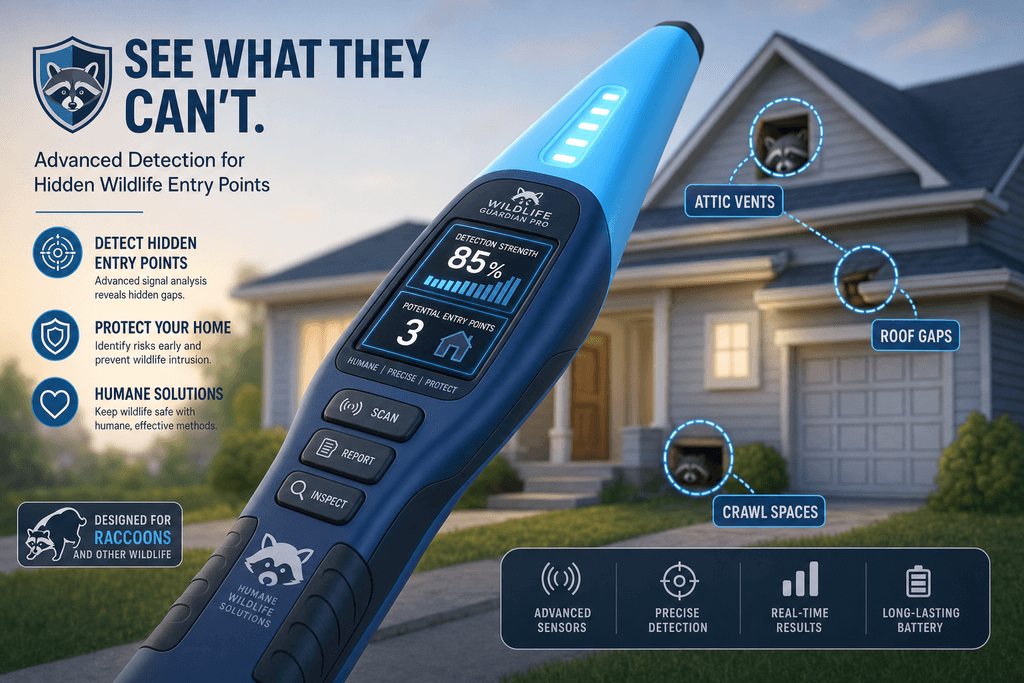
Nighttime scratching and thumping sounds are the most obvious clue. Raccoons are nocturnal, so they're most active between dusk and dawn. You might hear heavy footsteps that sound way too big to be a mouse or squirrel.
- Visible damage to roof shingles, vents, and soffits where raccoons have forced their way inside
- Raccoon droppings and urine stains that create dark spots on your ceiling or in the attic itself
- Torn insulation and nesting materials scattered around the attic space
- Strong musky odor that smells different from regular attic mustiness
The smell is something people often overlook until it gets really bad. Raccoon urine has a distinct ammonia-like scent that gets stronger over time. If you notice any combination of these signs, you probably have unwanted guests.
Checklist of Warning Signs:
- Loud thumping or scratching sounds at night
- Damaged roof vents or torn soffit screens
- Visible paw prints on dusty surfaces
- Droppings that look like small dog feces
- Ceiling stains from urine
- Unusual pet behavior (dogs barking at ceiling)
Safe Raccoon Removal Methods That Work
Trying to remove raccoons yourself might seem like a good way to save money, but it usually ends up costing more in the long run. These animals can be aggressive when cornered, and they carry diseases like rabies and roundworm that pose serious health risks. Professional removal isn't just about getting the animal out. It's about doing it safely and legally while making sure they can't get back in.
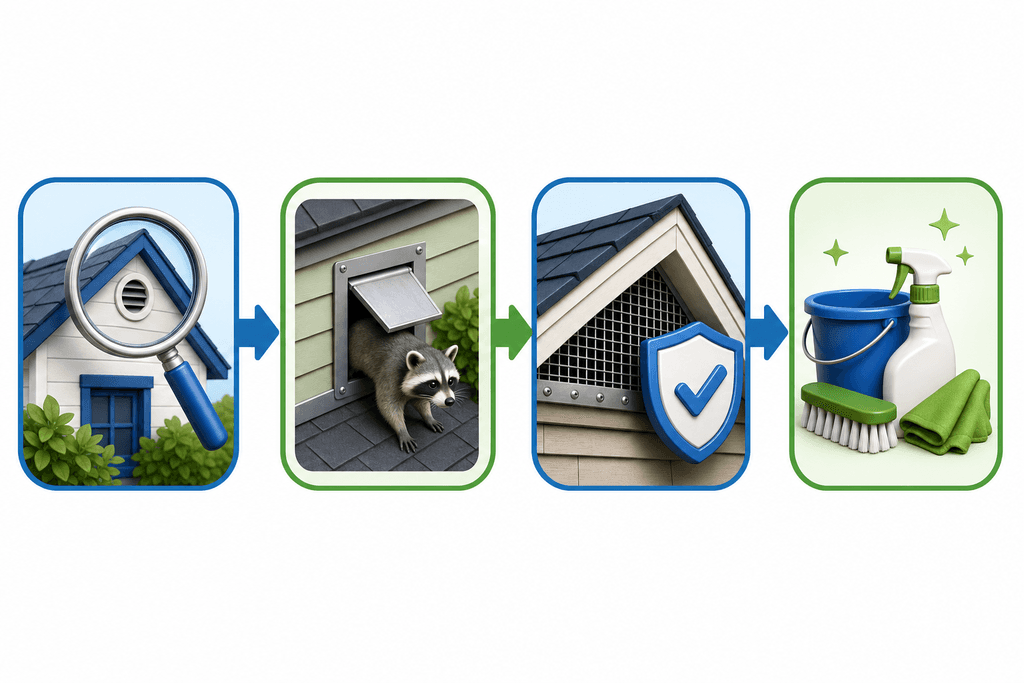
One-way exclusion doors are the gold standard for humane removal. These devices let raccoons leave your attic but prevent them from getting back inside. The animal pushes through the door to exit, but the door only swings one way.
This video shows exactly how professional removal works and why the right approach matters so much. Trapping requires professional expertise and licensing in most areas because there are strict regulations about how wildlife can be handled. Some companies use methods that aren't legal or humane, which can get you in trouble with local wildlife authorities.
The dangers of DIY removal go beyond just getting bitten. Raccoon feces contain roundworm eggs that can become airborne when disturbed. Breathing in these particles can cause serious neurological problems. Mother raccoons with babies are especially protective and will attack if they feel their young are threatened.
Wildlife X Team uses a thorough inspection process to find all entry points before starting removal. We check your entire roof line, foundation, and any other vulnerable spots. The inspection helps us understand how many raccoons you're dealing with and whether there are babies involved, which changes the whole approach.
Preventing Future Raccoon Problems
Getting raccoons out is only half the battle. If you don't seal up the entry points properly, new raccoons will move in within weeks. These animals are smart and have excellent memories. They'll return to places where they've found shelter before, and they'll tell their friends about it too.
Sealing entry points requires more than just nailing a board over a hole. Raccoons can tear through weak materials like chicken wire or thin wood. Professional exclusion uses heavy-gauge steel mesh and commercial-grade materials that actually hold up.
- Chimney caps and vent guards prevent access through common entry points
- Foundation repairs close gaps where your house meets the ground
- Removing attractants like pet food bowls left outside overnight
- Tree trimming eliminates branches that give raccoons highway access to your roof
Your garbage cans are basically a buffet for raccoons. Using bungee cords or locking lids makes a huge difference. Even better, keep trash cans in your garage until pickup day if possible.
Prevention Checklist:
- Install chimney caps on all open flues
- Replace damaged soffit and fascia boards
- Trim tree branches within 8 feet of your roof
- Secure garbage cans with locking lids
- Remove outdoor pet food before dark
- Fix any loose or damaged roof shingles
- Install vent guards on all roof and foundation vents
Wildlife X Team offers exclusion services with a renewable lifetime warranty. That means if raccoons find a way back in through our work, we come back and fix it at no extra cost. Most other companies in the Fort Worth area only offer short-term guarantees or none at all.
Attic Cleanup After Raccoon Removal
Once the raccoons are gone, you're left with a contaminated mess that poses real health risks. Raccoon feces can contain millions of roundworm eggs that stay infectious for years. The urine soaks into insulation and wood, creating permanent odors and structural damage. Walking through a contaminated attic without proper protective equipment is dangerous, which is why cleanup should never be a DIY project.
Health hazards from raccoon waste include roundworm, leptospirosis, and various bacterial infections. The roundworm is particularly nasty because the eggs become airborne when you disturb contaminated materials. Once inhaled, the larvae can migrate to your brain and eyes.
Proper insulation removal means bagging everything carefully to avoid spreading contamination. The old insulation can't be saved once it's been soiled. We remove it completely, then apply disinfectants to all surfaces before installing new material.
- Disinfection protocols eliminate parasites and bacteria that regular cleaning misses
- Odor elimination techniques use enzyme-based cleaners that break down organic compounds
- Damaged wood replacement becomes necessary when urine has soaked through structural components
The smell won't go away on its own. Some homeowners try covering it up with air fresheners or ozone machines, but that just masks the problem temporarily. Professional restoration addresses the source of the odor by removing contaminated materials and treating affected surfaces.
DIY Cleanup vs Professional Restoration:
DIY Approach: Costs less upfront but risks exposure to diseases, often misses hidden contamination, doesn't fully eliminate odors, and may violate local disposal regulations for contaminated materials.
Professional Service: Uses proper protective equipment and disposal methods, completely removes all contaminated insulation, applies commercial-grade disinfectants, eliminates odors at the source, and includes warranty protection on the work.
Our attic cleanup service in the Fort Worth, Denton, and Granbury areas includes everything from initial assessment to final restoration. We handle the dirty work so you don't have to risk your health, and we make sure your attic is actually clean, not just looking clean on the surface.
The Real Cost of Raccoon Damage
Most homeowners who discover raccoons in their attic think about the noise and mess first, but the real financial hit comes later. A single raccoon family can cause anywhere from $2,000 to $8,000 in damage within just a few months of living in your attic space. The destruction goes far beyond what you can see on the surface, with damaged insulation losing up to 50% of its effectiveness and chewed electrical wiring creating serious fire hazards. What starts as scratching sounds at night can quickly turn into a major home repair project that affects your property value and safety.
Breaking Down the Damage Costs
The financial impact of raccoon infestations adds up faster than most people expect. Understanding where the money goes helps you see why learning how to remove raccoons properly matters so much.
- Insulation replacement typically runs $1,500 to $4,000 depending on attic size and contamination levels
- Structural repairs for damaged roof vents, soffits, and fascia boards average $800 to $2,500
- Electrical wiring repairs can cost $500 to $3,000 if raccoons have chewed through cables
- Attic sanitization and decontamination services range from $500 to $1,200 for proper cleanup
Health Risks You Can't Ignore
The hidden costs of raccoon damage go beyond your wallet. Raccoon feces can carry roundworm parasites that remain infectious for years, even after the animals are gone. Breathing in contaminated dust during DIY cleanup attempts puts your family at serious risk.
- Raccoon roundworm treatment for humans can cost thousands in medical bills
- Rabies exposure requires immediate medical attention averaging $3,000 per person
- Respiratory issues from contaminated insulation may require ongoing medical care
DIY Versus Professional Removal
Many homeowners try the DIY route to save money, but the math rarely works out. Between buying traps ($50-$150), protective gear ($100-$200), and multiple trips to handle the problem, costs climb quickly. Most DIY attempts fail because raccoons are smart enough to avoid basic traps, leading to weeks of frustration and continued damage.
- DIY removal attempts average $300-$500 in supplies with a 60% failure rate
- Professional services like Wildlife X Team's comprehensive approach cost more upfront but include inspection, removal, exclusion, and cleanup
- Failed DIY attempts often result in paying for professional help anyway, doubling your total costs
- Professional exclusion work prevents future infestations, saving thousands in repeat damage
The long-term savings become clear when you factor in prevention. Wildlife X Team's renewable lifetime warranty means you won't face the same problem again next season, unlike temporary DIY fixes that leave entry points open.
What Insurance Actually Covers
Here's where things get tricky. Most standard homeowners insurance policies don't cover wildlife damage or removal costs because insurers consider it a preventable maintenance issue. Some policies might cover sudden structural damage, but they won't pay for the removal process itself or gradual deterioration from nesting animals.
- Sudden damage from raccoons breaking through might qualify for claims
- Gradual damage from ongoing infestations typically gets denied
- Prevention and removal services almost never receive coverage
- Document everything with photos if you plan to file a claim
Taking Action on Raccoon Problems
Dealing with raccoons in your attic or crawl space isn't something you want to put off. The longer they stay, the more damage they cause to your insulation, wiring, and structure. Plus, the health risks from their droppings and urine only get worse with time. If you've noticed scratching sounds at night, spotted droppings, or found torn insulation, those are clear signs you need to act now.
Trying to remove raccoons yourself might seem like a good way to save money, but it usually ends up costing more in the long run. These animals can be aggressive when cornered, especially mothers protecting their babies. There are also legal issues to consider since many areas have specific laws about how to remove raccoons.
The smart approach is getting a professional inspection to find all the entry points you might miss on your own. Wildlife X Team handles the entire process, from safely removing the raccoons to sealing up every possible entry point so they can't come back. We also clean up the contaminated areas and restore your attic to a safe condition.
If you're in the Fort Worth, Denton, or Granbury areas and dealing with raccoon problems, you can reach Wildlife X Team at (817) 799-8686. The inspection will show you exactly what's going on and what needs to happen next. Most people are surprised by how many entry points they never knew existed, which is why DIY solutions rarely work for long.
Common Questions About Raccoon Removal
Raccoons in your attic can feel like a nightmare you can't wake up from. Most homeowners have similar questions when they discover these masked bandits have moved in. Here are the answers to the most common concerns about getting raccoons out of your home and keeping them out for good.
How long does professional raccoon removal take?
Most professional raccoon removal jobs take between 1-3 days for the initial removal, but the complete process can take up to two weeks. The timeline depends on whether you have baby raccoons present, how many entry points need sealing, and the extent of damage to your attic. Wildlife X Team starts work immediately after inspection and handles everything from trapping to cleanup, so you're not left waiting while raccoons continue damaging your property.
Can I remove raccoons myself legally in Texas?
Texas law allows homeowners to trap raccoons on their property, but there are strict rules about how you handle them afterward. You cannot relocate raccoons to public land or someone else's property without permission. Most DIY attempts fail because raccoons are smart enough to avoid traps and homeowners often miss hidden entry points that let new raccoons move right back in.
What happens to raccoons after removal?
Professional wildlife removal companies follow state regulations for humane handling. Raccoons are typically relocated to approved areas far from residential neighborhoods where they can survive without causing property damage. Companies like Wildlife X Team prioritize ethical treatment while ensuring the animals don't return to your home or become a problem for your neighbors.
How much does professional raccoon removal cost?
Professional raccoon removal typically costs between $300-$600 for basic removal, but prices vary based on the severity of your situation. Homes with multiple entry points, extensive attic damage, or baby raccoons present will cost more. The investment usually pays for itself when you consider the cost of repairing chewed wires, damaged insulation, and contaminated spaces that raccoons leave behind.
Will raccoons come back after removal?
Raccoons will absolutely return if entry points aren't properly sealed. That's why removal alone never works long-term. Professional exclusion services identify and seal every possible entry point, including spots you'd never notice yourself. Wildlife X Team offers a renewable lifetime warranty because their animal proofing methods actually prevent future invasions instead of just dealing with the current problem.
Is raccoon removal covered by homeowners insurance?
Most homeowners insurance policies don't cover wildlife removal costs, though some may cover repairs from sudden damage raccoons cause. Insurance typically won't pay for gradual damage or prevention services. Check your specific policy, but plan to pay out of pocket for how to remove raccoons and seal your home against future intrusions.