Raccoon Trapping Services: Protecting Your Family from Rabies Risk

A single raccoon bite can expose your entire family to rabies, and Texas consistently ranks among the top states for raccoon-related rabies cases. When these masked bandits move into your attic or crawl space, they're not just causing property damage—they're bringing a potentially fatal disease within feet of where your children sleep. Wildlife X Team's professional trapping services remove this threat safely before anyone gets hurt, using humane methods that protect both your family and the animals.
Table of Contents
- Why Raccoons Are a Rabies Threat in North Texas
- Recognizing Signs of Rabid Raccoons on Your Property
- How Professional Trapping Protects Your Family
- Preventing Future Raccoon Invasions and Rabies Exposure
- The True Cost of Delaying Professional Raccoon Removal
- Taking Action to Protect Your Family Today
- Common Questions About Raccoon Trapping and Rabies
Why Raccoons Are a Rabies Threat in North Texas
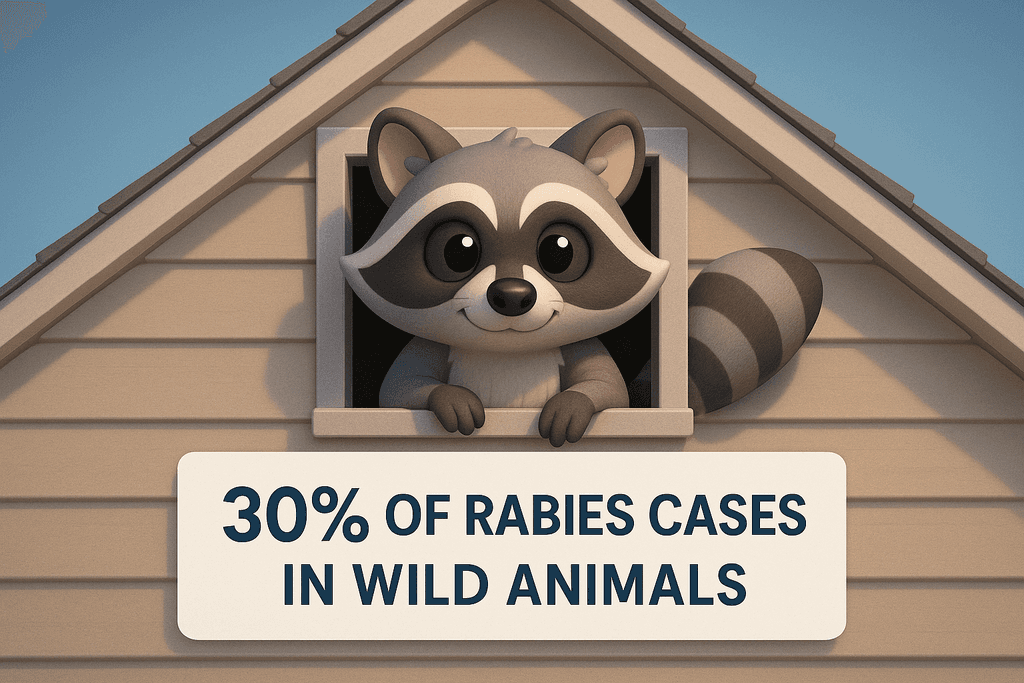
Raccoons carry rabies more than almost any other wild animal in Texas, making them a serious health risk for families in the Dallas-Fort Worth area. The Texas Department of State Health Services reports that raccoons account for roughly 30% of all rabies cases in wild animals across the state each year. When these masked bandits move into your attic or crawl space, they bring more than just noise and mess. They bring a disease that can kill humans and pets if left untreated. Understanding why raccoons pose such a threat helps homeowners protect their families before a dangerous encounter happens.
How Rabies Spreads from Raccoons
Rabies moves from raccoons to people and pets through saliva, usually during a bite or scratch. The virus attacks the nervous system and is almost always fatal once symptoms appear. What makes raccoons particularly dangerous is that they often lose their natural fear of humans when infected, making them more likely to approach people or pets.
Texas Rabies Facts:
Over 200 rabid animals are reported in Texas annually, with raccoons making up about 30% of confirmed cases in the DFW metroplex.
The disease spreads in several ways that catch homeowners off guard:
- Direct bites from infected raccoons defending their territory or young
- Scratches that break the skin and allow saliva to enter the wound
- Contact with raccoon saliva on open cuts or mucous membranes
- Pets bringing the virus home after fighting with infected raccoons
Learning about rabies prevention is essential for every North Texas homeowner. This video explains the basics of how rabies spreads in raccoon populations and what warning signs to watch for.
Seasonal Patterns and Home Invasions
Raccoons don't invade homes randomly. They follow predictable patterns based on their breeding cycles and food needs. Spring and fall bring the highest rates of raccoon activity in North Texas homes, with mothers seeking safe places to raise their young and families preparing for winter.
During these peak seasons, raccoons search for three things that most homes provide:
- Warm, dry shelter away from predators and weather
- Easy access to food sources like pet food, garbage, or gardens
- Safe spaces to raise babies, especially attics and chimneys
DFW Raccoon Activity:
Wildlife removal companies in the Fort Worth and Denton areas report a 40% increase in raccoon calls during March through May and September through November.
Why the DFW Area Faces Unique Challenges
North Texas creates perfect conditions for raccoon populations to thrive and spread rabies. The mix of urban development and natural habitats means raccoons live closer to people than in many other parts of the country. Neighborhoods near wooded areas, creeks, or parks see the most problems, but even homes in fully developed areas aren't safe.
The region's mild winters allow raccoons to stay active year-round instead of hibernating. This means more opportunities for human contact and disease transmission. Wildlife X Team handles hundreds of raccoon removal cases each year across Fort Worth, Denton, and Granbury, with many homeowners discovering the problem only after hearing scratching sounds or noticing damage to their property.
Several factors make the DFW area particularly vulnerable:
- Rapid suburban expansion pushing raccoons into residential areas
- Abundant water sources from lakes, creeks, and retention ponds
- Older homes with easier entry points through damaged vents and soffits
- Large trees providing highway access to roofs and attics
- Mild climate supporting year-round breeding and activity
Recognizing Signs of Rabid Raccoons on Your Property
Raccoons carry rabies more than almost any other wild animal in North America, and knowing what to look for could save your family from a dangerous encounter. Most people think raccoons are just cute bandits rummaging through trash at night, but a rabid raccoon behaves very differently from a healthy one. The challenge is that by the time you notice something's wrong, you might already be too close. Understanding these warning signs helps you keep a safe distance and know when to call for professional help.

Recognizing Signs of Rabid Raccoons on Your Property
Healthy raccoons are nocturnal creatures that avoid humans whenever possible. If you spot a raccoon wandering around your yard in broad daylight, that's your first red flag. While it doesn't always mean rabies, daytime activity combined with other symptoms should put you on high alert.
Warning Signs of a Potentially Rabid Raccoon
- Active during daytime hours when raccoons normally sleep
- Aggressive behavior toward people, pets, or objects
- Disoriented movements like walking in circles or stumbling
- Foaming or drooling from the mouth
- Unusual vocalizations including high-pitched cries
- Paralysis in the hind legs or facial muscles
- No fear of humans or approaching people directly
The physical symptoms can be disturbing to witness. A rabid raccoon might foam at the mouth, stumble like it's drunk, or drag its back legs. Some become extremely aggressive and will charge at anything that moves, while others seem confused and lethargic. Both types are equally dangerous because the rabies virus lives in their saliva, and even a small scratch can transmit the disease.
Never approach a raccoon that seems sick or injured, no matter how helpless it looks. Some people make the mistake of trying to help what they think is a hurt animal, only to end up needing rabies shots themselves. The difference between a sick raccoon and a healthy one comes down to behavior patterns. A healthy raccoon will run away when it sees you, while a sick one might ignore you completely or worse, come toward you.
How Professional Trapping Protects Your Family
Trying to trap a raccoon yourself might seem like a money-saving idea until you consider what's actually at stake. Professional wildlife removal isn't just about catching an animal and relocating it somewhere else. When rabies is a possibility, the entire process requires specific safety protocols, protective equipment, and legal reporting that most homeowners don't have access to. One wrong move during a DIY trapping attempt could expose you, your kids, or your pets to a virus that's almost always fatal once symptoms appear.

How Professional Trapping Protects Your Family
Wildlife X Team uses humane trapping methods designed to minimize stress on the animal while keeping everyone safe. Our technicians wear proper protective gear and follow strict handling procedures that prevent any contact with potentially infected saliva or blood. We don't just throw a trap in your yard and hope for the best.
This video shows how seriously health officials take rabies prevention in raccoon populations. The same level of care applies when removing raccoons from residential properties.
Why Professional Trapping Beats DIY Every Time
Professional approach: Trained technicians assess the situation, use appropriate traps, wear protective equipment, handle animals safely, test for rabies when needed, and follow state reporting laws. The process protects everyone involved and ensures the problem gets solved correctly the first time.
DIY approach: Homeowners risk direct contact with rabid animals, use improper traps that cause injury, have no way to test for rabies, might violate local wildlife laws, and often fail to catch the animal at all. Even if you successfully trap a raccoon, then what? You can't just drive it to a park and let it go.
When we trap a raccoon, especially one showing concerning symptoms, there are testing and reporting requirements we follow. If rabies is suspected, the animal must be tested by a state laboratory. This isn't something you can handle on your own, and it's information that local health departments need to track disease spread in the area. Our team handles all of this documentation and coordination so you don't have to navigate the bureaucracy yourself.
Preventing Future Raccoon Invasions and Rabies Exposure
Catching one raccoon doesn't solve your problem if three more can walk right into the same entry point next week. The real protection comes from making your home impossible for raccoons to enter in the first place. Most homeowners don't realize how many vulnerable spots their house has until a professional inspection reveals them all. Raccoons only need a four-inch opening to squeeze through, and they're incredibly good at finding weaknesses in your home's exterior.
Common entry points include: damaged roof vents, uncapped chimneys, gaps in soffits and fascia boards, foundation cracks, broken attic vents, and spaces where different building materials meet. That last one surprises people, but the seam where your brick meets wood siding often has small gaps that raccoons can exploit.
Wildlife X Team's exclusion services address every potential entry point we find during our Wildlife Inspection Report. We install chimney caps that let smoke out but keep animals out. We add vent guards that maintain airflow while blocking access. Foundation repairs seal up cracks and gaps at ground level where raccoons often start their climb. The goal is to create a complete barrier around your home that doesn't just move the problem elsewhere but eliminates it entirely.
Real Results From Proper Exclusion
Jesse Bernard had what he called a "squirrel party" in his attic, but the same entry points that let squirrels in would have welcomed raccoons too. When our team came out, they found multiple access points he never would have spotted on his own. Months later, his attic remains wildlife-free because we didn't just remove the animals, we made sure nothing else could get in.
The attic cleanup part matters more than most people think. Raccoon droppings and urine don't just smell bad, they can contain parasites and bacteria that pose health risks long after the animals are gone. We clean and disinfect contaminated areas, replace damaged insulation, and remove anything that might attract new animals. A clean attic with no food sources or nesting materials is far less appealing to wildlife looking for a home.
Our renewable lifetime warranty backs up all this prevention work. We're confident enough in our exclusion methods to guarantee long-term protection against future invasions. That's the difference between a quick fix and a real solution. Companies like Terminix or other pest control services might offer basic trapping, but the comprehensive approach of inspection, removal, exclusion, cleanup, and warranty is what actually protects your family from ongoing rabies exposure.
The True Cost of Delaying Professional Raccoon Removal
Most homeowners think waiting a few weeks to deal with raccoons will save them money, but the opposite is actually true. The financial impact of postponing professional removal compounds quickly, turning what could be a straightforward fix into a multi-thousand dollar nightmare. Between medical expenses, structural repairs, and insurance complications, the math heavily favors immediate action. Understanding these costs helps explain why companies like Wildlife X Team offer renewable lifetime warranties as part of their service packages.
Medical Expenses Add Up Fast
Rabies post-exposure prophylaxis isn't just expensive, it's shockingly expensive. The treatment requires a series of shots over two weeks and can cost between $3,000 and $10,000 depending on your location and insurance coverage. That's just for one person, and many raccoon encounters involve entire families who need treatment.
Average rabies treatment cost: $3,000-$10,000 per person
Insurance companies often classify wildlife-related medical expenses differently than standard medical care. Some policies cover rabies treatment under preventive care, while others consider it an environmental hazard with separate deductibles.
Property Damage Escalates Weekly
Raccoons don't just live in your attic, they actively destroy it. A single raccoon family can contaminate 25-40 square feet of insulation per week with urine and feces. Replacing contaminated insulation runs $2-$7 per square foot, and that doesn't include the structural damage from their constant digging and scratching.
- Damaged electrical wiring creates fire hazards and repair costs of $500-$2,000
- Torn ductwork reduces HVAC efficiency and costs $300-$1,500 to replace
- Compromised roof structures from entry points require $800-$3,000 in repairs
- Contaminated insulation replacement averages $1,500-$4,000 for typical attic spaces
Average property damage from 3-month raccoon occupation: $4,000-$12,000
Hidden Health Risks Beyond Rabies
Rabies gets all the attention, but raccoons carry a whole menu of other diseases that can affect your family. Raccoon roundworm eggs can survive in your attic for years and cause serious neurological damage if accidentally ingested. Leptospirosis spreads through raccoon urine and can lead to kidney damage and liver failure.
- Raccoon roundworm treatment and testing costs $500-$2,000
- Leptospirosis treatment requires hospitalization averaging $8,000-$15,000
- Giardia and other parasites need ongoing medical monitoring
The Real Value of Immediate Action
When you compare the cost of professional removal today versus waiting three months, the numbers tell a clear story. Immediate professional service typically runs $400-$800 for removal and basic exclusion work. Waiting those same three months means facing potential medical bills, property damage, and restoration costs that easily exceed $10,000.
Wildlife X Team's approach includes not just removal but complete attic restoration and their renewable lifetime warranty. That warranty becomes especially valuable when you consider that delayed removal often leads to repeat infestations because the original entry points remain unsealed while homeowners wait.
Taking Action to Protect Your Family Today
Raccoons might look cute, but they carry serious health risks that no family should ignore. Rabies is just one of the dangers these animals bring when they move into your attic or crawl space. The disease spreads through bites and scratches, and once symptoms appear in humans, it's almost always fatal. That's why waiting to deal with a raccoon problem isn't worth the risk.
Professional removal is the only safe way to handle raccoons on your property. Trying to trap or remove them yourself puts you in direct contact with an animal that could be carrying rabies or other diseases. Wildlife X Team handles the entire process, from humane removal to prevention services that keep raccoons from coming back.
The approach goes beyond just catching the animal and driving it somewhere else. Our team inspects your property to find every possible entry point, seals them up properly, and cleans contaminated areas to remove health hazards. We also offer a Renewable Lifetime Warranty, which means you're protected long after the initial removal.
If you've seen raccoons around your home, heard scratching in your attic, or noticed damage to your roof or vents, the time to act is now. The longer raccoons stay, the more damage they cause and the higher the health risks become. Getting a Wildlife Inspection Report can show you exactly where your property is vulnerable and what needs to be done to protect your family.
Common Questions About Raccoon Trapping and Rabies
Dealing with raccoons on your property brings up a lot of questions, especially when rabies is a concern. Most homeowners aren't sure what steps to take or how serious the situation really is. Here are the answers to the most common questions we hear from people dealing with raccoon problems.
How quickly should I call for raccoon removal?
You should call a professional removal service as soon as you notice signs of raccoons on your property. The longer you wait, the more damage they can cause to your home's structure and insulation. Raccoons can also pose immediate health risks to your family and pets, so getting them removed quickly reduces your exposure to diseases like rabies and raccoon roundworm.
Can I get rabies without being bitten?
Yes, rabies can spread through scratches or if infected saliva gets into open wounds or mucous membranes like your eyes, nose, or mouth. You don't need a visible bite mark to be at risk. This is why you should never attempt to handle or corner a raccoon yourself, even if it seems calm or friendly.
How long does professional trapping take?
Most raccoon removal situations are resolved within a few days to a week, depending on how many animals are present. Wildlife X Team typically starts with an inspection to locate all entry points and assess the situation. The actual trapping process varies, but our team works efficiently to remove the animals and seal up your home to prevent future invasions.
What happens if a raccoon bites my pet?
Take your pet to a veterinarian immediately if they've been bitten or scratched by a raccoon. Your vet will assess the wound and determine if rabies post-exposure treatment is needed. Even vaccinated pets may need a booster shot after exposure to a potentially rabid animal. The raccoon should be reported to local animal control so they can test it for rabies if possible.
Are all raccoons in attics rabid?
No, most raccoons are not rabid, but there's no way to tell just by looking at them. Raccoons seek out attics because they provide warm, safe shelter for raising babies. However, any wild raccoon can carry rabies or other diseases, which is why professional removal is always the safest option rather than trying to handle them yourself.
How much does professional removal cost?
The cost varies based on the severity of the infestation, how many entry points need sealing, and whether cleanup is required. While some companies like Terminix or Critter Control offer wildlife services, pricing depends on your specific situation. Wildlife X Team provides detailed inspections and estimates before starting work, and we back our services with a renewable lifetime warranty for long-term protection.