
Raccoon Problems in Keller TX and How Safe Removal Works
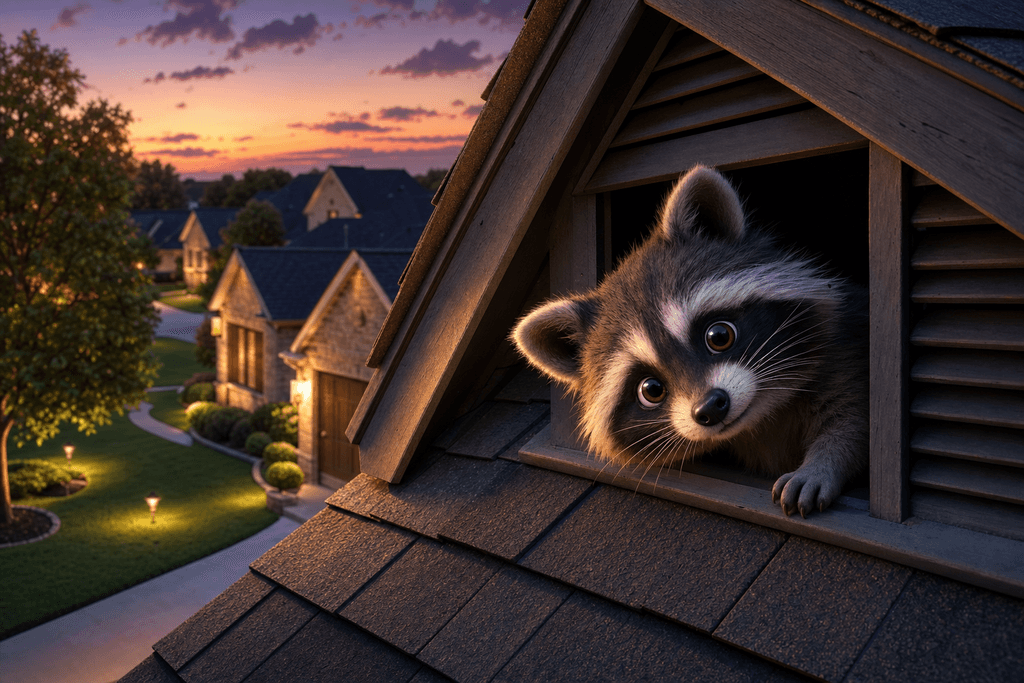
Raccoons can tear through roof shingles, rip apart insulation, and cause thousands of dollars in damage to Keller homes in just a few weeks. These masked bandits are drawn to our neighborhoods because of easy food sources and cozy attics that make perfect dens for raising their young. While some homeowners try DIY removal methods, professional raccoon removal in Keller TX from Wildlife X Team at 11833 Katy Rd ensures the job is done safely and humanely without putting your family at risk.
Table of Contents
Understanding Raccoon Behavior in North Texas
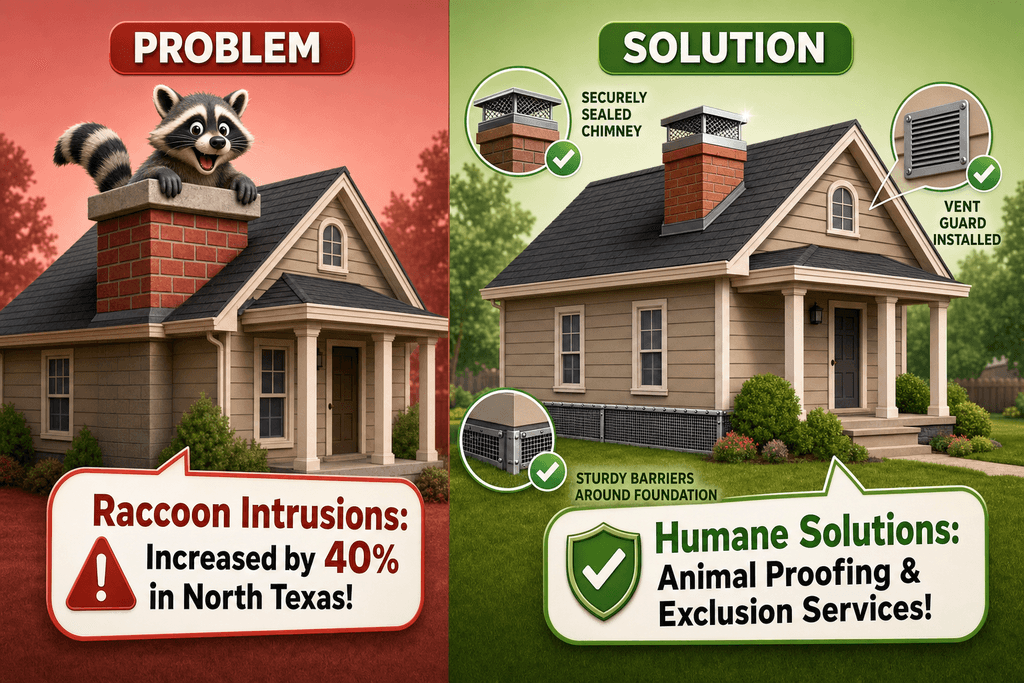
Raccoons in the Dallas-Fort Worth metro area have increased by nearly 40% over the past decade, making them one of the most common wildlife problems homeowners face. Keller sits right in the middle of prime raccoon territory, where suburban development meets natural habitats. These masked bandits aren't just passing through either. They're setting up permanent homes in attics, chimneys, and crawl spaces across the city. The combination of mild winters and plenty of food sources makes Keller an ideal spot for raccoon families to thrive year after year.
65% of wildlife removal calls in the Fort Worth metro area involve raccoons, with peak activity occurring between March and June during breeding season.
Why Raccoons Love Keller Properties
The typical Keller home offers everything a raccoon could want. Mature trees provide easy access to roofs, while attics offer warm, dry spaces perfect for raising babies. Most homes in the area were built between the 1980s and early 2000s, and many have small gaps or weakened areas that raccoons can exploit. These animals only need a four-inch opening to squeeze through, which is about the size of a baseball.
Here's what draws raccoons to local properties:
- Unsecured garbage cans and compost bins that provide easy meals
- Pet food left outside overnight
- Bird feeders and fallen fruit from trees
- Fish ponds and water features that attract their attention
- Dense landscaping that offers cover and protection
Breeding Patterns and Seasonal Activity
Raccoons follow a predictable schedule that every Keller homeowner should know about. Female raccoons typically give birth between March and May, which is when most people first notice they have unwanted guests. A mother raccoon will fiercely protect her babies and can become aggressive if she feels threatened. She'll also cause significant damage tearing up insulation to create a nest.
If you've caught a raccoon or are dealing with one on your property, knowing how to handle the situation safely is critical:
The activity patterns change throughout the year:
- Spring (March-May): Breeding season and birth of young, highest activity in attics
- Summer (June-August): Mothers teaching babies to forage, increased nighttime noise
- Fall (September-November): Raccoons eating heavily to prepare for winter
- Winter (December-February): Less active but still present, seeking warm shelter
A single raccoon family can cause $3,000 to $8,000 in damage to insulation, wiring, and structural components if left unchecked for just one season.
Common Entry Points in Local Homes
Raccoons are surprisingly strong and clever when it comes to breaking into homes. They can tear off roof shingles, rip open soffit vents, and even remove chimney caps. Wildlife X Team's inspection reports consistently find the same vulnerable spots in Keller homes that raccoons target first.
The most common entry points include:
- Roof-to-wall intersections where materials meet and create small gaps
- Damaged or missing soffit vents along the roofline
- Uncapped chimneys that provide direct access to the home
- Attic vents without proper screening or guards
- Gaps around utility lines entering the home
Many homeowners don't realize they have a problem until they hear scratching sounds at night or notice a foul smell. By that point, raccoons have usually been living in the attic for weeks. Professional raccoon removal in Keller TX starts with identifying all potential entry points, not just the obvious ones. Companies like Wildlife X Team use their detailed Wildlife Inspection Report to find vulnerabilities that homeowners typically miss, which is why DIY solutions often fail when raccoons simply find another way back in.
Signs You Have Raccoons in Your Keller Home
Raccoons are surprisingly common in Keller, and they're not just rummaging through trash cans anymore. These masked bandits have figured out that your attic makes a perfect home, especially during breeding season from late winter through spring. The tricky part is that most homeowners don't realize they have raccoons until the problem gets serious. Knowing what to look for can save you thousands in damage and protect your family from health risks.

The most obvious sign is nighttime noises in your attic or walls. Raccoons are nocturnal, so you'll hear thumping, scratching, or chattering sounds after sunset. These aren't quiet animals either. They can weigh up to 20 pounds and sound like a person walking around up there.
- Visible damage to roof, soffits, and vents where raccoons have torn their way inside
- Raccoon droppings and urine stains that create dark spots on ceilings or strong odors
- Torn insulation and nesting materials scattered throughout your attic space
- Overturned trash cans and scattered garbage in your yard every morning
- Paw prints and grease marks on your home's exterior near entry points
Check your property at dusk when raccoons are most active. You might spot them climbing onto your roof or squeezing through openings you didn't know existed. Their paw prints look like tiny human hands and are usually visible in soft soil around your foundation or on dusty surfaces.
Raccoon Infestation Warning Signs Checklist
- Strange noises from attic between sunset and sunrise
- Damaged roof shingles, torn screens, or bent vents
- Foul odors coming from ceiling or walls
- Visible droppings in attic or around property
- Trash scattered across yard regularly
- Pets acting strangely or barking at ceiling
- Grease stains on siding or chimney
Health and Safety Risks Raccoons Bring
Raccoons aren't just a nuisance. They carry diseases that can seriously harm your family and pets. The biggest concern in the Keller area is rabies, which raccoons can transmit through bites or scratches. Even if you never see the raccoon, their droppings and urine create health hazards that linger long after they're gone. This is why professional raccoon removal in Keller TX should never be delayed once you confirm an infestation.

Raccoon roundworm lives in their feces and can cause severe neurological damage in humans, especially children. The eggs become airborne when droppings dry out, meaning you can breathe them in without ever touching anything. Distemper is another serious disease raccoons carry that can spread to your pets.
This video shows some humane approaches to raccoon removal, though professional help is usually needed for established infestations. The property damage raccoons cause goes beyond health risks. They tear through insulation, chew electrical wiring, and destroy ductwork.
Electrical fire hazards from chewed wires are more common than most people realize. Raccoons gnaw on wiring to keep their teeth sharp, which can spark fires inside your walls. Insurance claims for raccoon damage in North Texas average between $3,000 and $8,000, with some cases exceeding $20,000 when structural repairs are needed.
Did you know? Raccoons become especially aggressive during breeding season (January through June). Mother raccoons protecting their young have been known to attack pets and even humans who get too close to their den.
How Professional Raccoon Removal Works
Professional removal is completely different from what most homeowners imagine. At Wildlife X Team, we start with a detailed Wildlife Inspection Report that maps out every vulnerability in your property. This isn't just looking for the obvious hole in your soffit. We check foundation cracks, chimney gaps, roof intersections, and plumbing vents because raccoons can squeeze through openings as small as four inches.
The removal process uses humane trapping and removal methods that don't harm the animals. We often install one-way doors that let raccoons exit but prevent them from getting back in. This works better than trapping in many cases because it doesn't separate mothers from babies, which can lead to desperate animals causing even more damage trying to reunite.
- Complete property inspection identifying all entry points and damage
- Humane removal using appropriate methods for your situation
- Installation of exclusion barriers at every potential entry point
- Attic cleanup removing contaminated insulation and droppings
- Disinfection and restoration of affected areas
- Final sealing and animal proofing with warranty protection
Our team at the Keller location (11833 Katy Rd, Keller, TX 76244) handles everything from the initial inspection through final cleanup. The attic cleanup and restoration services are critical because just removing the raccoons isn't enough. Contaminated insulation needs replacement, and all surfaces require proper disinfection to eliminate disease risks.
We back our work with a Renewable Lifetime Warranty, which means if raccoons find another way in, we come back and fix it at no additional charge. This warranty covers both residential and commercial properties throughout Fort Worth, Denton, and surrounding areas.
Preventing Future Raccoon Problems
Prevention starts with understanding what attracts raccoons to your property in the first place. Food sources are the biggest draw, and in Keller neighborhoods, that usually means accessible trash cans and pet food left outside. Raccoons have incredible memory and will return to reliable food sources night after night. Once they're comfortable in your yard, moving into your attic is just the next logical step for them.
Securing trash cans and food sources means using locking lids or storing bins in your garage until pickup day. Don't leave pet food outside overnight, and clean up fallen fruit from trees regularly. Bird feeders also attract raccoons, so either bring them in at night or use baffles that prevent climbing.
- Trim tree branches that hang within 8 feet of your roofline
- Install chimney caps and vent guards on all openings
- Seal foundation cracks and gaps larger than one inch
- Remove brush piles and debris that provide hiding spots
- Keep garage doors closed, especially at night
The difference between DIY prevention and professional exclusion comes down to thoroughness and durability. Homeowners might seal the obvious entry point but miss the three others that raccoons will find within days. Our professional exclusion barrier installation uses commercial-grade materials that raccoons can't tear through, unlike the hardware cloth from big box stores that they rip apart easily.
We install chimney caps, foundation repairs, vent guards, and seal every potential entry point using methods that last. The work is covered under our warranty, so you're not gambling on whether your repairs will hold. Regular property inspections catch new vulnerabilities before they become problems, which is why we recommend annual checkups for homes in wooded areas of Southlake, Grapevine, and Colleyville.
DIY vs Professional Exclusion
DIY Approach: Temporary fixes using basic materials, often misses hidden entry points, no warranty, raccoons frequently return within weeks
Professional Service: Comprehensive inspection finds all vulnerabilities, commercial-grade materials, lifetime warranty coverage, addresses root causes not just symptoms
If you're dealing with raccoons in Keller or surrounding areas like Trophy Club, Flower Mound, or North Richland Hills, getting professional help early saves money in the long run. You can reach our Keller team at (817) 799-8686 for a property assessment. The sooner you address the problem, the less damage you'll face and the lower your health risks become.
Getting Help with Raccoon Removal in Keller
Dealing with raccoons in your Keller home isn't something you want to put off or try to handle alone. These animals can cause serious damage to your property, spread diseases, and create health hazards that stick around long after they're gone. Professional raccoon removal in Keller TX makes sure the job gets done right the first time, without putting you or the animals at risk.
The key to solving a raccoon problem isn't just getting them out. It's making sure they can't get back in. That's where complete exclusion services come in, sealing up every possible entry point so you don't end up dealing with the same issue next month.
Wildlife X Team handles raccoon removal throughout Keller and the surrounding areas with humane methods that actually work. Our team at 11833 Katy Rd, Keller, TX 76244 serves Fort Worth, Denton, Granbury, and nearby communities with the same approach: remove the animals safely, clean up the mess they left behind, and seal your home so it doesn't happen again.
If you're hearing scratching sounds in your attic or spotting raccoons around your property, waiting usually makes things worse. The damage adds up, and so does the health risk from their droppings and urine.
Ready to get your raccoon problem solved? Give us a call at (817) 799-8686 to schedule an inspection. We'll walk you through exactly what's happening and what it takes to fix it for good.
Common Questions About Raccoon Removal
Dealing with raccoons in your Keller home brings up a lot of questions. Most homeowners want to know what to expect before they call for help. Here are the answers to the most common questions we hear about raccoon removal in Keller TX, so you can make the best decision for your property and family.
How much does raccoon removal cost in Keller?
The cost varies based on how many raccoons you have, where they're living, and how much damage they've caused. Most removal services in the area charge between $300 and $600 for basic removal, but prices can go higher if you need extensive repairs or attic cleanup. Wildlife X Team provides detailed inspections and upfront pricing so you know exactly what you're paying for before any work begins.
How long does the removal process take?
Simple cases where raccoons are just getting in through one entry point can be handled in a day or two. More complicated situations with babies in the attic or multiple entry points might take a week or more. The inspection happens first, then removal, then sealing up your home so they can't come back.
Are raccoons dangerous to pets and children?
Raccoons can absolutely pose risks to both pets and children, especially when they feel cornered or are protecting their young. They carry diseases like rabies and raccoon roundworm that spread through bites, scratches, or contact with their droppings. Your dog might try to chase a raccoon and end up in a serious fight, which is another reason to get professional help quickly.
Can I remove raccoons myself?
Technically you can try, but it's not recommended and might even be illegal depending on local Keller regulations. Raccoons are protective of their space and can become aggressive when threatened. You also need to know how to find all the entry points, or they'll just come right back in. Professional services like Wildlife X Team have the training and equipment to do it safely and completely.
What happens to raccoons after removal?
Reputable wildlife removal companies use humane methods and relocate raccoons according to Texas wildlife regulations. The animals are trapped safely and released in appropriate habitats away from residential areas. Companies that prioritize humane removal make sure the raccoons have a chance to survive in their new location without causing problems for other homeowners.
Does insurance cover raccoon damage?
Sometimes yes, sometimes no. Standard homeowners insurance often covers sudden damage caused by wildlife, like if a raccoon tears through your roof to get in. However, damage from long-term infestations or lack of maintenance usually isn't covered. Check your specific policy and talk to your insurance agent about what's included before you file a claim.