Professional Animal Removal: What Sets Experts Apart from DIY Methods

A homeowner in Fort Worth spent $200 on hardware store traps and sealant to fix a raccoon problem, only to discover three months later that the animals had chewed through his repairs and caused $3,000 in attic damage. Most DIY wildlife removal attempts miss the hidden entry points and underlying damage that professionals find during inspections. While companies like Wildlife X Team use comprehensive inspection methods to identify every vulnerability in your home, DIY approaches typically address only the obvious problems, leaving your property exposed to repeat invasions and escalating costs.
Table of Contents
- Understanding the Wildlife Problem in North Texas
- What Professional Inspections Actually Find
- The Professional Removal and Exclusion Process
- Cleanup, Restoration, and Long-Term Protection
- The Real Cost Comparison
- Making the Smart Choice for Your Home
- Common Questions About Professional Wildlife Removal
Understanding the Wildlife Problem in North Texas
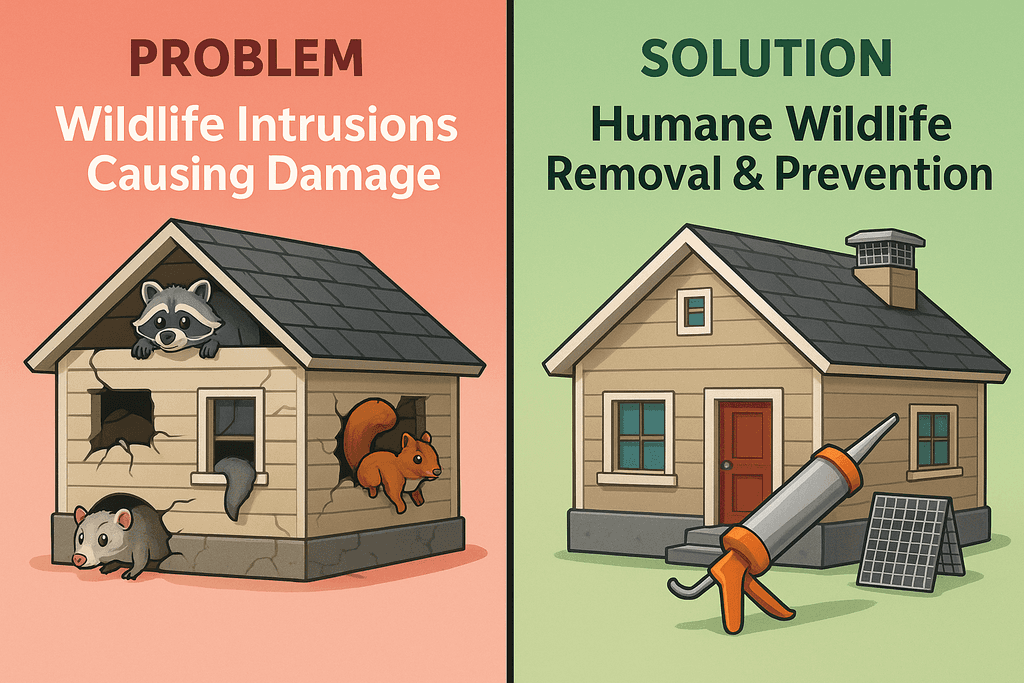
North Texas homeowners are dealing with more uninvited guests than ever before, and we're not talking about relatives who overstay their welcome. Raccoons, squirrels, and possums have been making themselves at home in attics, crawl spaces, and walls across the Dallas-Fort Worth area. What used to be an occasional problem has turned into a year-round issue that's costing property owners thousands of dollars in damage. The rapid suburban expansion in areas like Denton, Granbury, and Fort Worth has pushed wildlife out of their natural habitats and right into our neighborhoods.
The Usual Suspects in Your Attic
If you hear scratching, scurrying, or thumping sounds above your head at night, you're probably hosting one of these common critters. Each type of wildlife brings its own set of problems and behaviors that make them particularly troublesome for homeowners.
- Raccoons are strong enough to tear through roof vents and can cause serious structural damage while searching for food and shelter
- Squirrels chew through electrical wiring, which creates a major fire hazard in your home
- Possums leave behind droppings that can spread diseases and create awful odors that seep into living spaces
- Rats and mice multiply quickly and can contaminate insulation with urine and feces
These animals aren't just looking for a place to sleep. They're setting up nurseries, storing food, and creating permanent homes in your property. A single raccoon can cause over $3,000 in damage to insulation, ductwork, and structural components in just a few weeks.
Why Wildlife Problems Keep Getting Worse
The explosion of wildlife intrusions in North Texas isn't random. Several factors have created the perfect storm for increased human-wildlife conflicts in suburban areas.
- New housing developments are being built directly on former wildlife habitats, leaving animals with nowhere else to go
- Mild Texas winters mean animals stay active year-round instead of hibernating
- Older homes in established neighborhoods have deteriorating entry points that animals can easily exploit
- Abundant food sources from garbage, pet food, and bird feeders attract wildlife to residential areas
Companies like Wildlife X Team have seen service calls increase by over 40% in the past five years. What used to be a spring and fall problem now happens every month of the year.
The Real Dangers Hiding in Your Home
Most people think wildlife in the attic is just annoying, but the risks go way beyond some noise at night. The health and safety hazards created by wildlife intrusions can affect your family for years if not properly addressed.
- Animal droppings contain parasites, bacteria, and diseases like raccoon roundworm and leptospirosis
- Contaminated insulation loses its effectiveness and spreads airborne pathogens through your HVAC system
- Chewed electrical wires cause an estimated 25,000 house fires annually in the United States
- Structural damage to roof decking and support beams can cost tens of thousands to repair
Insurance claims for wildlife damage in Texas averaged $8,500 per incident last year. That number doesn't include the cost of temporary housing if your home becomes uninhabitable due to contamination or fire damage.
Wildlife Damage by the Numbers
Average cost of wildlife damage repair: $2,500 - $8,500
Percentage of North Texas homes affected annually: 15-20%
Time for a squirrel to chew through roof material: 2-3 days
The good news is that professional wildlife removal services can handle these problems safely and permanently. Wildlife X Team offers comprehensive solutions that go beyond just removing the animals, including inspection, exclusion, and attic restoration to prevent future invasions.
What Professional Inspections Actually Find
Most homeowners spot the obvious signs of wildlife problems. You hear scratching in the attic at night, or you see droppings near your chimney. What you don't see are the three other entry points those animals are using to get in and out. This is exactly what happened to Jesse Bernard, who thought he had found the one hole squirrels were using to throw their attic party. When professionals showed up, they discovered multiple entry points he never would have found on his own.

What Professional Inspections Actually Find
The Wildlife Inspection Report process goes way beyond looking for visible holes. Trained technicians check areas most people never think to examine, like the gaps where your roof meets the walls, tiny cracks in foundation vents, and spaces around utility lines that look too small for anything to squeeze through.
Professional inspectors look for signs that most homeowners miss:- Grease marks along entry routes where animals repeatedly brush against surfaces
- Subtle damage to soffit vents that looks like normal wear and tear
- Chew marks on wood that indicate active gnawing to expand small openings
- Tracks and trails in insulation that show movement patterns
- Nesting materials hidden in wall cavities
The difference between a homeowner's inspection and a professional one often comes down to knowing what you're looking at. That small gap under your roof edge might seem harmless, but a trained eye recognizes it as a highway for raccoons and squirrels.
The Professional Removal and Exclusion Process
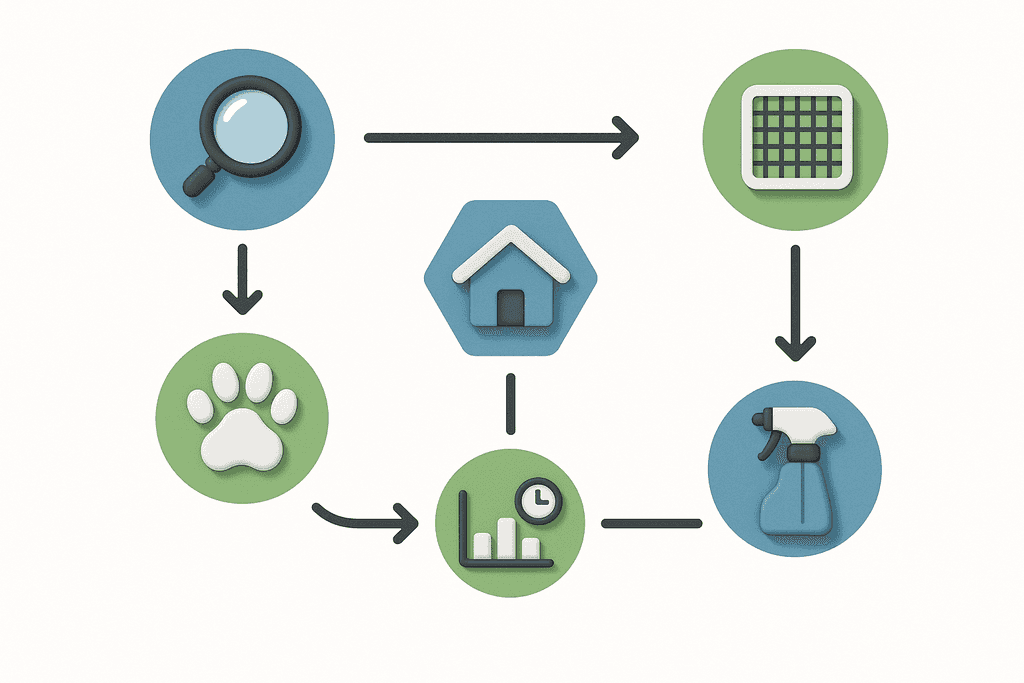
Catching or scaring away an animal is the easy part. The hard part is making sure they can't come back, and that's where most DIY efforts fall short. You might seal up the hole you found, but if there are two more entry points you missed, you've just wasted your time and materials. Even worse, you might accidentally trap baby animals inside, which creates a whole new set of problems.
The Professional Removal and Exclusion Process
Humane removal techniques focus on getting animals out safely without causing them harm or stress. This matters more than you might think, because panicked animals can cause serious damage trying to escape, and injured wildlife can become aggressive.
Professional exclusion goes far beyond slapping some chicken wire over a hole. Wildlife X Team uses methods like foundation repair to close gaps at ground level, chimney protection to prevent animals from nesting in flues, and specialized vent guards that allow airflow while blocking entry. These aren't temporary patches that animals can chew through in a few weeks.
The professional approach includes:- Installing one-way doors that let animals leave but not return
- Sealing all entry points with materials animals can't destroy
- Reinforcing vulnerable areas before they become problems
- Creating barriers that work with your home's structure
The reason this works better than DIY is simple. Animals are persistent and smart. If you leave even one small opening, they'll find it. Professionals know how to identify every potential entry point and secure them all at once, which is why their solutions actually last.
Cleanup, Restoration, and Long-Term Protection
Getting the animals out is only half the battle. What they leave behind can be just as problematic as the animals themselves. Wildlife droppings and urine don't just smell bad, they carry diseases and parasites that can affect your family's health. Contaminated insulation loses its effectiveness, which means higher energy bills even after the animals are gone. Most DIY approaches completely ignore this part of the problem.
Professional attic cleanup and disinfection involves removing all contaminated materials, treating surfaces with specialized cleaners that kill pathogens, and replacing damaged insulation. This isn't something you want to tackle with a dust mask and a shop vac.
Health hazards left behind by wildlife include:- Histoplasmosis from fungus in bird and bat droppings
- Leptospirosis from rodent urine
- Roundworm eggs that remain infectious for years
- Fleas, ticks, and mites that spread to living areas
The restoration process also involves sealing entry points from the inside, which prevents odors from attracting new animals. Wildlife can smell where other animals have been, and those scent markers act like a welcome sign for the next critter looking for shelter.
Here's something most people don't consider until it's too late. The money you save doing it yourself often gets spent fixing problems that come up later. Wildlife X Team offers a Renewable Lifetime Warranty that covers long-term protection against wildlife invasions. If animals find a way back in, they handle it without charging you again.
Long-term cost comparison shows why professional service makes financial sense:- DIY materials and repeated attempts add up quickly
- Contaminated insulation costs more to replace later
- Structural damage from missed entry points gets expensive
- Health issues from exposure to wildlife waste aren't cheap to treat
The peace of mind that comes with professional service matters too. You're not wondering if you missed something or if the animals will be back next week. Companies like Wildlife X Team in the Ft. Worth, Denton, and Granbury areas handle everything from inspection to cleanup, so you know the job is done right the first time.
The Real Cost Comparison
Most homeowners see a $30 trap at the hardware store and think they've found a bargain compared to calling professionals. But that initial price tag rarely tells the whole story. The real numbers behind DIY wildlife removal paint a very different picture once you factor in everything that can go wrong. Between buying the wrong equipment, making multiple trips to the store, and dealing with the aftermath of failed attempts, those savings disappear faster than a raccoon at sunrise.
What DIY Actually Costs
The upfront expenses add up quickly when you're trying to handle wildlife removal yourself. You'll need more than just a basic trap to get the job done right.
- Traps and cages ranging from $25 to $150 depending on animal size
- Protective gear including gloves, masks, and coveralls ($50-$100)
- Cleaning supplies and disinfectants for contaminated areas ($30-$75)
- Repair materials for entry points you can actually find ($100-$300)
- Replacement insulation if you attempt attic cleanup ($200-$500)
73% of DIY wildlife removal attempts require at least one additional purchase after the initial effort fails, according to industry surveys.
The Hidden Expenses Nobody Talks About
The costs that really hurt your wallet are the ones you don't see coming. Failed DIY attempts often create bigger problems than the original wildlife issue.
- Structural damage from animals that weren't fully excluded and returned with friends
- Health risks from improper handling of contaminated materials and animal waste
- Additional property damage during repeated removal attempts
- Time spent researching, shopping, and attempting multiple solutions
The average homeowner spends 15-20 hours on failed DIY wildlife removal before calling professionals.
What Professional Service Includes
Companies like Wildlife X Team bundle everything into one comprehensive solution. You're not just paying for animal removal when you hire professionals.
- Complete property inspection to find all entry points, not just the obvious ones
- Humane removal using proper techniques and equipment
- Professional-grade exclusion work that actually keeps animals out
- Attic cleanup and restoration with proper safety protocols
- Renewable lifetime warranty protecting your investment long-term
The case of Jesse Bernard shows this value perfectly. He considered closing up one obvious entry point himself but professionals found several others he would have missed. Months later, he's still squirrel-free because the job was done right the first time.
Professional wildlife removal costs 40-60% less than the total expenses of multiple failed DIY attempts plus resulting damage repairs.
Long Term Value and ROI
The math gets even clearer when you look beyond the immediate problem. Proper prevention work pays for itself by stopping future invasions before they start.
- No repeated removal costs year after year
- Protected insulation maintains energy efficiency and lower utility bills
- Prevented structural damage saves thousands in potential repairs
- Warranty coverage eliminates worry about return visits
While some competitors like Terminix or Crittercontrol offer similar services, the comprehensive approach matters more than the name on the truck. What separates effective wildlife management from temporary fixes is the attention to prevention and long-term protection, not just getting the animal out today.
Making the Smart Choice for Your Home
When you look at everything we've covered, the choice becomes pretty clear. Professional wildlife removal gives you expert knowledge, proper equipment, safety protection, and long-term solutions that DIY methods just can't match. You're not just paying someone to chase an animal out of your attic. You're getting someone who knows how to find every entry point, clean up the mess safely, and make sure those critters don't come back next month.
The peace of mind alone is worth it. No more lying awake at night wondering if you sealed everything correctly or if that raccoon family is going to return. No more worrying about diseases or structural damage you might have missed.
Wildlife X Team handles the whole process from start to finish. We do the inspection, remove the animals humanely, clean up the contaminated areas, seal every entry point, and back it up with a renewable lifetime warranty. That means if wildlife finds a way back in through our work, we come back and fix it.
Most homeowners who try DIY first end up calling professionals anyway after they realize how complicated it gets. The question isn't really whether to hire help, but whether you want to waste time and money on failed attempts first. Your home deserves protection that actually works, and your family deserves to feel safe again.
Still have questions about the process or what to expect? Let's clear up some of the most common concerns people have about professional wildlife removal.
Common Questions About Professional Wildlife Removal
Most homeowners have similar concerns when they first consider calling in the pros for wildlife problems. These questions come up again and again, so we've put together straight answers to help you understand what professional removal actually involves. The process is usually simpler than people expect, and knowing what to expect makes the whole experience less stressful.
How long does professional removal take?
Most wildlife removal jobs are completed within 1-3 days, though the timeline depends on the severity of the infestation and how many animals are involved. The initial inspection and setup of exclusion devices usually happens on day one, while follow-up visits ensure all animals have safely left the property. Wildlife X Team typically starts work the same day as the estimate, which means you're not waiting weeks with unwanted guests in your attic.
Is professional removal really humane?
Yes, licensed professionals use one-way exclusion devices that allow animals to leave on their own but prevent them from getting back in. This method avoids trapping or harming the animals while still solving your problem permanently. Companies like Wildlife X Team employ zoologists who understand animal behavior and ensure removal methods prioritize the safety of both the wildlife and your family.
What happens if animals come back?
Professional services include animal proofing and exclusion work that seals all entry points, making it nearly impossible for wildlife to return. Wildlife X Team offers a renewable lifetime warranty on their work, which means if animals do find a way back in, they'll return to fix the problem at no additional cost. DIY solutions rarely include this kind of guarantee, leaving you to deal with repeat invasions on your own.
Do I need to leave my home during removal?
No, you can stay in your home throughout the entire removal process. Professionals work in contained areas like attics and crawl spaces, and the animals are encouraged to leave through exclusion devices rather than being chased through your living areas. The process is designed to be minimally disruptive to your daily routine.
How do professionals find all the entry points?
Trained technicians conduct thorough inspections of your entire property, checking areas most homeowners never think to examine. They look for gaps in foundations, damaged vents, loose soffits, and other vulnerabilities that animals exploit. Wildlife X Team provides a detailed Wildlife Inspection Report that identifies every potential entry point, including the ones you'd never find on your own.
What's included in attic cleanup and restoration?
Professional attic restoration involves removing contaminated insulation, disinfecting all surfaces to eliminate disease risks, and replacing damaged materials. The service also includes sealing entry points and installing new insulation to restore your attic to its original condition. This level of cleanup is essential because animal waste can carry diseases and attract new pests if not properly removed and sanitized.