
Preventing Wildlife Infestations: Seasonal Maintenance Tips for Texas Homes

A raccoon can squeeze through a hole the size of a softball, and in Texas, they're searching for entry points into your home every single month of the year. Unlike homeowners up north who only worry about wildlife during certain seasons, Texas residents face constant pressure from animals seeking food, water, and shelter in our mild climate. Understanding what to watch for during each season can save you thousands in damage and help you avoid the stress of discovering unwanted guests in your attic, which is exactly what Wildlife X Team helps homeowners prevent through seasonal inspections and exclusion services.
Table of Contents
Understanding Texas Wildlife Patterns Throughout the Year
Texas weather stays warm enough year-round that wildlife never really goes into deep hibernation like they do up north. This means homeowners in the Dallas-Fort Worth area deal with animal intrusions during every season, not just spring and summer. While a homeowner in Minnesota might get a break when temperatures drop below zero, Texas residents need to stay alert all twelve months because raccoons, squirrels, and other critters remain active even during our mild winters.
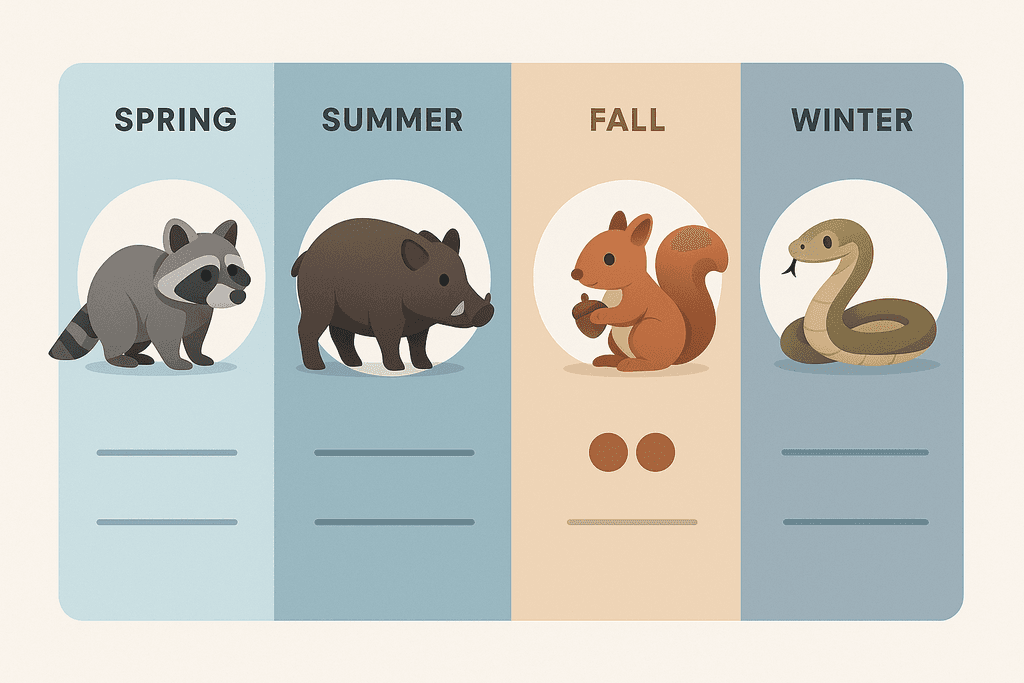
Why Texas Climate Creates Year-Round Wildlife Problems
The DFW area experiences temperature swings that push animals to seek shelter at different times throughout the year. When it gets too hot in summer or unexpectedly cold in winter, your attic starts looking like a perfect hotel to a family of raccoons or squirrels.
Here's what makes Texas different from other states:
- Winter temperatures rarely drop low enough to force animals into true hibernation
- Sudden cold snaps drive animals to find warm shelter quickly
- Hot summers push wildlife to seek cooler spaces like attics and crawl spaces
- Mild fall and spring weather means animals stay active and reproduce more frequently
Seasonal Activity Patterns for Common Nuisance Animals
Different animals cause problems during different seasons based on their breeding cycles and food availability. Understanding these patterns helps you know when to be extra careful about securing your home.
Proper landscape maintenance plays a big role in keeping wildlife away from your property throughout the year. The video above shows how simple yard care can make a real difference in preventing animal intrusions.
Seasonal Wildlife Activity in the DFW Area
Spring (March-May)
Most Active Animals: Raccoons, squirrels, birds
Why They're Active: Breeding season and searching for nesting sites
Common Problems: Animals entering attics to have babies, increased noise and damage
Summer (June-August)
Most Active Animals: Bats, squirrels, snakes
Why They're Active: Seeking cool shelter from extreme heat
Common Problems: Animals in attics and walls, increased droppings and odors
Fall (September-November)
Most Active Animals: Rats, mice, raccoons
Why They're Active: Preparing for winter and storing food
Common Problems: Chewing through entry points, contaminating stored items
Winter (December-February)
Most Active Animals: Opossums, raccoons, squirrels
Why They're Active: Seeking warm shelter during cold snaps
Common Problems: Multiple animals sharing warm spaces, damage to insulation
Peak Intrusion Times in North Texas
Wildlife X Team sees the most calls during specific times of year when animals are most desperate for shelter. Late winter and early spring bring breeding season, which means animals need safe places to raise their young. Your attic provides exactly what they're looking for.
The biggest risk factors for home intrusions include:
- Unsealed vents and gaps in your roof or foundation
- Tree branches touching or hanging over your roof
- Accessible food sources like pet food, bird feeders, or unsecured garbage
- Standing water or poor drainage around your property
Understanding these patterns helps you time your prevention efforts correctly. Rather than waiting until you hear scratching sounds in your walls, you can take action before animals even try to get inside.
Spring Wildlife Prevention Tasks
Texas wildlife gets busy in spring, and that means trouble for homeowners who aren't prepared. This is when squirrels, raccoons, and birds start looking for cozy spots to raise their babies, and your attic probably looks pretty appealing to them. The warming weather brings animals out of their winter hiding spots, and they're actively searching for safe nesting areas. If you don't take action now, you might end up sharing your home with some unwanted guests for months. The good news is that a few simple prevention steps can save you from dealing with a full-blown wildlife invasion later.
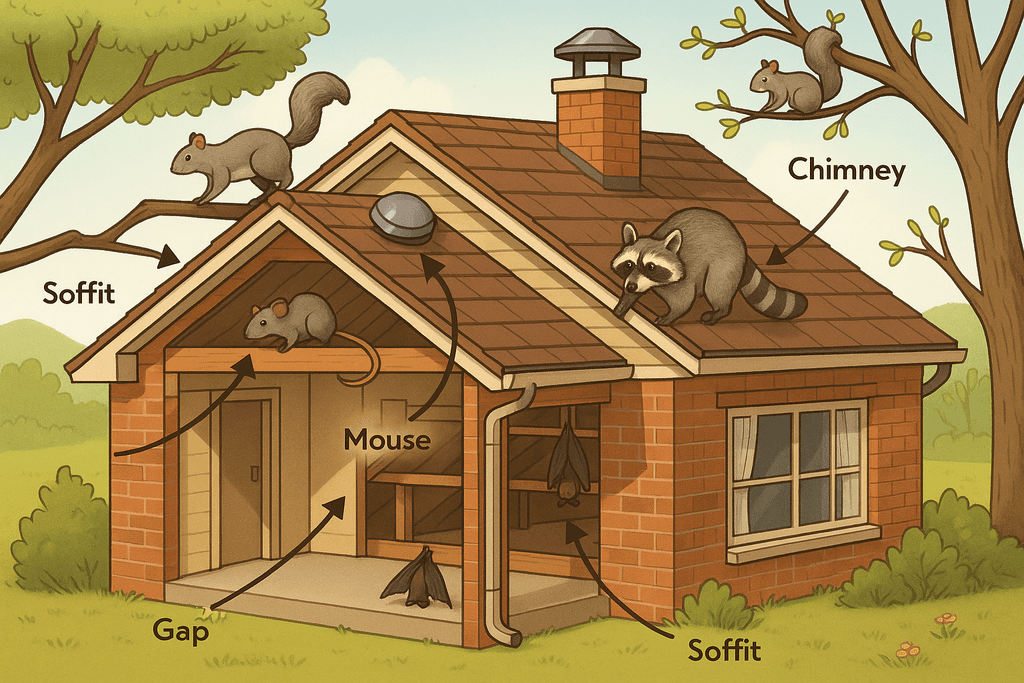
Spring Wildlife Prevention Tasks
Before animals settle in and make themselves at home, you need to inspect and seal potential entry points around your property. Winter weather can create new gaps and damage that weren't there before.
- Check attic vents and soffits for any cracks or loose screens that animals could squeeze through
- Examine roof edges and fascia boards where winter ice or wind might have created openings
- Look for damaged shingles or flashing that could provide access to your attic space
- Inspect around utility lines and pipes where they enter your home for gaps
Tree branches that hang over your roof are basically highways for squirrels and raccoons. Trim back any branches that come within six to eight feet of your roofline. This simple step removes their easiest access point to your home.
Clogged gutters might not seem related to wildlife problems, but they create water damage that weakens your roof and fascia. This damage creates soft spots that animals can easily tear through. Clean your gutters thoroughly in early spring to prevent this issue. While you're up there, install chimney caps if you don't already have them, because birds love to nest in chimneys once the weather warms up.
Spring Maintenance Checklist
- Walk around your home's exterior and look for any holes larger than a quarter inch
- Check all vent covers and screens for damage or rust
- Seal gaps around windows and doors with weather stripping
- Remove any debris piled against your foundation
- Schedule a professional inspection if you notice any signs of animal activity
Summer and Fall Protection Strategies
When Texas summer heat hits triple digits, your cool attic suddenly becomes prime real estate for wildlife. Animals don't just seek shelter from predators anymore. They're looking for relief from the scorching temperatures, and your air-conditioned home is like an oasis in the desert. Raccoons, opossums, and squirrels will work surprisingly hard to get inside when the heat becomes unbearable outside. This is also when you'll notice increased activity around your foundation and crawl spaces, where animals try to access the cooler areas beneath your home.
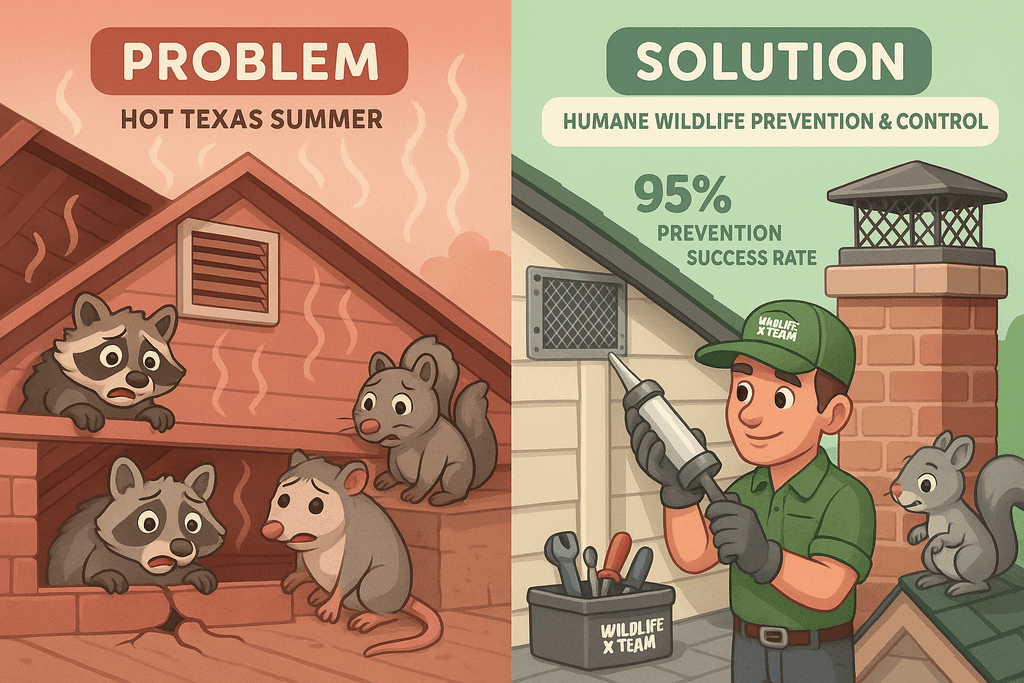
Summer and Fall Protection Strategies
Your foundation and crawl space need special attention during the summer months. Inspect for cracks and openings that might have developed from ground shifting or settling. Even small gaps can become entry points for determined wildlife.
- Check around air conditioning units where animals often try to nest near the cool air
- Examine outdoor equipment and stored items that might provide hiding spots
- Look under decks and porches for signs of digging or burrowing
- Inspect crawl space vents for damage or missing screens
Fall brings a whole different set of challenges. As temperatures start to drop, animals shift into survival mode and begin preparing for winter. They're gathering food and looking for warm places to spend the cold months ahead. This makes fall one of the busiest times for wildlife intrusions in Texas homes.
Secure your garbage bins with tight-fitting lids and consider using bungee cords if animals keep getting in. Remove any outdoor food sources like pet food bowls, bird feeders, or fallen fruit from trees. These attractants basically send an invitation to every raccoon and opossum in the neighborhood.
Installing vent guards and screening crawl space openings now prevents problems later. The Wildlife Inspection Report that we provide identifies vulnerabilities you might miss on your own, including hidden entry points in hard-to-reach areas. Sometimes the smallest gap in the most unexpected place becomes the main highway for wildlife traffic.
Combined Summer and Fall Prevention Checklist
- Seal foundation cracks with appropriate materials before fall arrives
- Install or repair crawl space screens and vent guards
- Remove outdoor food sources and secure trash containers
- Check for signs of animal activity around AC units and outdoor equipment
- Trim vegetation away from your home's exterior
- Consider professional inspection to catch issues before they become expensive problems
Winter Weatherproofing Against Wildlife
Winter might be mild in Texas compared to northern states, but animals still feel the cold and actively search for warm shelter. Your heated home becomes incredibly attractive when temperatures drop at night, even if daytime weather seems pleasant. This is actually the peak season for wildlife intrusions because animals are desperate for warmth and protection from winter weather. A raccoon or squirrel that might have been content living outside all summer will suddenly become very motivated to find a way into your attic or walls when cold fronts move through.
Start by checking your attic insulation for any gaps or thin spots, especially around pipes and utility penetrations. These areas often have small openings that animals can exploit. Look for any signs that wildlife might already be present, like droppings, nesting materials, or chewed wires.
- Listen for unusual sounds in your attic or walls, especially at dawn and dusk when animals are most active
- Watch for strange odors that might indicate animal waste or a deceased animal
- Check for stains on ceilings that could signal urine damage from wildlife
- Look for tracks in dust or insulation that show animal movement
Foundation gaps and damaged weather stripping around doors become major problems in winter. Cold air coming in means warm air going out, and those same gaps let animals squeeze inside. Seal these openings with appropriate materials that animals can't chew through easily.
Our animal proofing services handle these issues with long-term solutions rather than temporary fixes. We install barriers and make repairs that actually last, using materials and techniques that keep wildlife out for good. The Renewable Lifetime Warranty we offer means you don't have to worry about animals finding new ways in after we've secured your home.
Winter Weatherproofing and Wildlife Prevention Checklist
- Inspect attic spaces monthly for signs of animal activity
- Seal gaps around pipes, vents, and utility lines entering your home
- Replace damaged weather stripping on doors and windows
- Check foundation for new cracks or gaps that developed during fall
- Monitor for unusual sounds or odors that indicate wildlife presence
- Schedule professional inspection if you suspect any animal activity
- Consider comprehensive animal proofing before problems start
Taking these seasonal prevention steps protects your home year-round and saves you from expensive repairs down the road. Wildlife damage isn't just annoying, it can compromise your home's structure, create health hazards, and cost thousands to fix properly.
Protecting Your Texas Home Year-Round
Keeping wildlife out of your home isn't a one-time thing. Each season in Texas brings different animals looking for shelter, food, and a place to raise their young. What works to keep raccoons out in spring might not stop squirrels in fall, and the entry points that matter in summer heat are different from winter cold snaps.
The good news is that most wildlife problems can be prevented with the right approach at the right time. Regular seasonal maintenance catches small issues before they turn into expensive repairs and animal invasions.
Here's what makes the biggest difference:
- Checking your property at the start of each season for new vulnerabilities
- Adjusting your prevention tactics based on which animals are most active
- Fixing small gaps and holes before animals discover them
- Keeping up with yard maintenance that discourages wildlife
Most homeowners miss entry points they didn't know existed. A professional Wildlife Inspection Report can identify vulnerabilities you'd never spot on your own, like gaps in soffits or weak spots around vents. Our team at Wildlife X Team finds these hidden access points during inspections, which is why customers like Jesse Bernard mention we found "a couple of others I never would have."
The best protection combines what you can do yourself with professional help for the tricky stuff. You might handle gutter cleaning and trimming branches, but sealing foundation gaps and installing proper vent guards often needs specialized knowledge and materials that last.
Common Questions About Seasonal Wildlife Prevention
Texas homeowners deal with unique wildlife challenges that change throughout the year. Understanding when and how to protect your property can save you thousands in damage and keep your family safe. These common questions help you figure out the best approach for your specific situation and whether you need professional help.
When is the best time to schedule a wildlife inspection?
The ideal times are early spring and late fall, right before animals start looking for nesting spots or winter shelter. Spring inspections catch problems before raccoons and squirrels have babies in your attic, while fall checks prevent animals from moving in when temperatures drop. Wildlife X Team offers detailed Wildlife Inspection Reports that identify vulnerabilities before they become expensive problems.
How often should homeowners perform seasonal maintenance?
You should check your property's exterior at least twice a year, ideally in March and October. Look for new gaps around vents, damaged soffits, or holes near your foundation. Most wildlife damage happens gradually, so catching small openings early prevents bigger invasions later.
What are the warning signs of existing wildlife problems?
Strange scratching or scurrying sounds in walls or attics, especially at dawn or dusk, usually mean you already have guests. Other red flags include droppings in your attic, chewed wires or insulation, grease marks along walls, and foul odors from decomposition or urine. You might also notice damaged roof shingles or torn vent screens where animals forced their way inside.
Can homeowners handle prevention themselves or do they need professionals?
Basic maintenance like trimming tree branches and securing trash cans works for prevention, but sealing entry points properly requires expertise most homeowners don't have. Animals can squeeze through surprisingly small openings, and missing even one gap means they'll get back in. Professional animal proofing includes foundation repairs, chimney caps, and vent guards installed correctly the first time, which is why companies offer renewable lifetime warranties on their work.
What makes Texas wildlife prevention different from other states?
Texas has year-round wildlife activity because of mild winters, unlike northern states where animals hibernate for months. We also deal with species like armadillos and opossums that aren't common elsewhere. The heat drives animals to seek cool shelter in attics and crawl spaces during summer, creating a second peak season beyond the typical spring nesting period.
How long does professional animal proofing last?
Quality exclusion work using proper materials should last 10-20 years or more when installed correctly. The key is using heavy-gauge steel mesh and commercial-grade sealants that animals can't chew through, not the hardware store materials that fail within months. That's why professional services include warranties, giving you protection even if something unexpected happens.