Pest Wildlife Removal and Humane Prevention Options
Most pest wildlife removal calls in North Texas attics start with the same two animals: raccoons and squirrels. Both are good at finding small gaps near rooflines, vents, and soffits, and both will chew, scratch, and nest once they get inside. A mother raccoon looking for a safe place to raise her young can tear up insulation and ductwork in a matter of days. Squirrels are smaller but just as destructive, gnawing on wood and wiring to keep their teeth worn down.
Trapping and removing the animal is only half the job. If the entry point stays open, another animal moves in within weeks, and the damage starts over. Licensed technicians who handle wildlife the right way check the animal out safely, repair the opening it used, and clean up whatever mess it left behind. Homeowners in Keller, Fort Worth, Southlake, Grapevine, and the nearby towns deal with this same pattern year after year, which is why getting it fixed properly the first time matters more than how fast the animal is caught.
Table of Contents
Why Wildlife Keeps Finding a Way Into Your Home
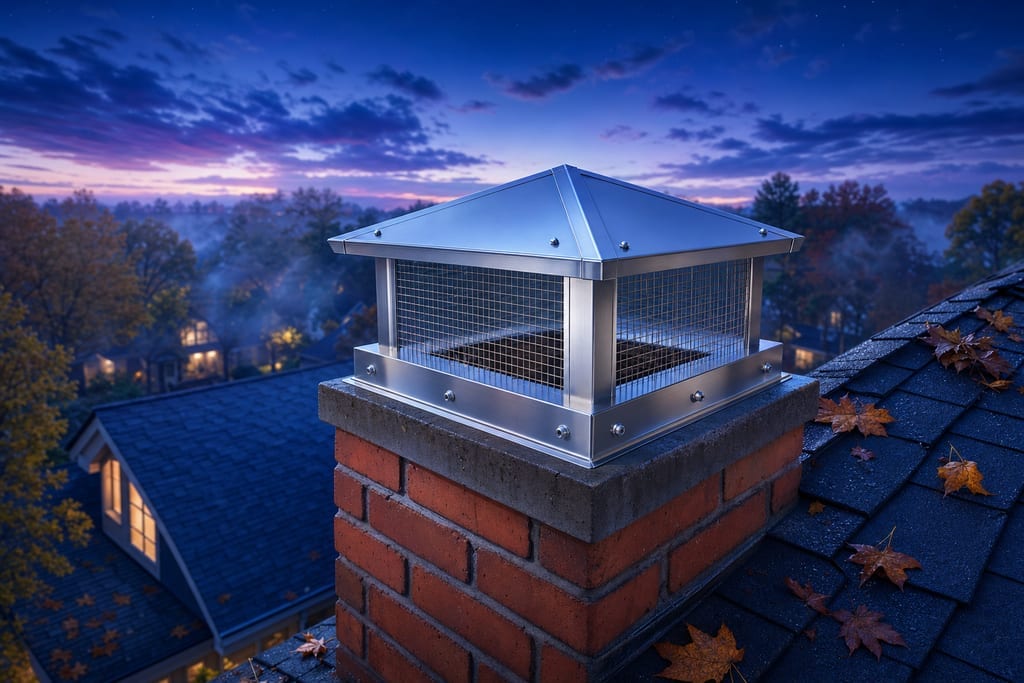
Animals do not break into homes for food most of the time. They are looking for a dry, warm space away from predators and weather, and an attic or crawl space is a near perfect match. Chimneys work the same way, acting like a hollow tree for a raccoon looking for a den.
Raccoons and squirrels look hardest for den sites in spring, when females need a safe spot to raise young, and again in fall, when they prepare for colder weather. Keller and the surrounding towns see both waves every year, so a quiet attic in summer does not mean the risk is gone for good.
The entry points are usually small and easy to miss from the ground. The most common ones include:
- Gaps where roof vents meet the shingles
- Loose or warped soffit panels
- Chimneys without a cap or screen
- Cracks or gaps along the foundation
Any one of these can give an animal a way in, and most homes have more than one at a time.
Who Is Actually Qualified to Remove Wildlife
A qualified technician is licensed, insured, and trained to handle animals without harming them or putting your household at risk. State wildlife regulations spell out how trapped animals can be handled and relocated, and a technician working without that license is breaking the law, whether they tell you that or not.
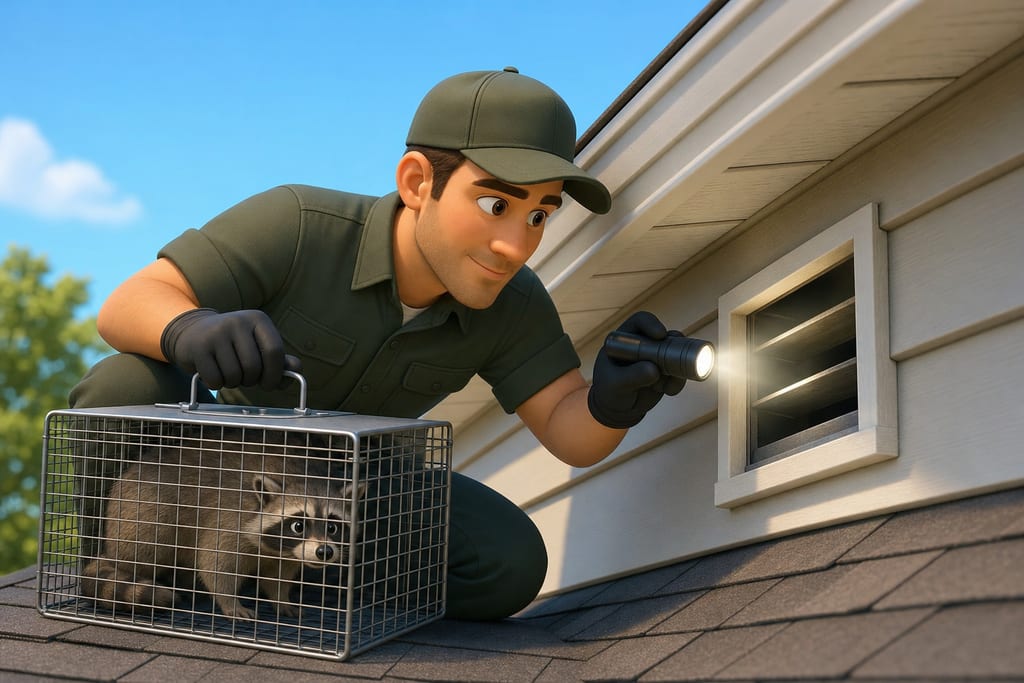
Humane trapping certification matters just as much. It means the person on your roof or in your attic knows how to capture an animal without injuring it, and how to check for babies before sealing an entry point. That last part is where DIY traps usually go wrong. A homeowner who seals a hole without checking it first can trap a mother raccoon's young inside the wall, and that always ends badly for the house and the animal.
Store-bought poison causes its own problems. It can sicken pets, kill animals inside wall cavities where you cannot remove them, and in many Texas counties it is restricted or banned for use on wildlife like raccoons.
- Licensed technician: carries state wildlife handling credentials
- DIY trap: no legal requirement to check for young before sealing
- Licensed technician: insured against property damage during the job
- DIY poison: often restricted for wildlife use in Texas
- Licensed technician: trained to confirm the den is empty before repairs
What a Full Wildlife Removal Service Includes
A full removal visit starts before anyone touches a trap. A Wildlife Inspection Report maps out every vulnerable point on the property, so the technician knows where the animal got in and where it might try again. Skipping that step is how homeowners end up paying for the same repair twice.
Removal itself happens in the attic, walls, or crawl space, using humane methods that get the animal out without injury. Once the space is clear, the real cleanup starts. Attic cleanup and restoration means disinfecting the areas the animal nested in, pulling out insulation that has been soaked with urine or torn apart, and replacing it before sealing the entry point shut.
A standard visit from a service like Wildlife X Team typically covers:
- A documented inspection of entry points and damage
- Humane capture and removal of the animal
- Disinfecting contaminated surfaces and nesting material
- Replacing damaged insulation
- Sealing the entry point so the space is not reopened
Skipping the disinfecting step is a common shortcut with cheaper outfits, and it leaves bacteria and parasites behind long after the animal is gone.
Sealing Up Your Home So Animals Stay Out
Removal solves today's problem. Sealing the house solves next spring's problem too, and that is where exclusion work earns its keep. Foundation repair, chimney caps, caulking, and vent guards each close a different kind of gap, and most homes need more than one of them addressed at the same time.
Exclusion work is not a one-size job. It is built around whatever the inspection found, so a house with a chimney but no foundation gaps gets a different repair plan than one with both. That is the point of doing the inspection first instead of guessing.
- Chimney caps to block a common den entry
- Vent guards over roof and soffit vents
- Caulking and sealing around smaller gaps
- Foundation repair where cracks have opened up
Wildlife X Team backs this exclusion work with a renewable lifetime warranty, which covers the property against future invasions through the repaired points as long as the warranty stays active.
Protecting Commercial Properties From Wildlife
A raccoon in a house attic is a nuisance. A raccoon in a restaurant kitchen or a warehouse is a health code violation and a liability problem, and that difference changes how the job gets handled. Businesses dealing with droppings, nesting material, or exposed wiring near food prep or storage areas face inspection failures that homeowners never have to think about.
Commercial plans are built around the building itself, not a generic template. A single-story office and a multi-dock warehouse have different entry points, different hours, and different staff schedules, so the removal and exclusion work has to fit around how the business actually runs.
Downtime matters more here too. A homeowner can wait a day for a technician, but a business losing operating hours to an active wildlife issue is losing money every hour the problem sits unresolved. A tailored commercial approach usually means:
- Inspection scheduled around operating hours to avoid closures
- Exclusion repairs matched to the building's size and layout
- Documentation for health code or liability records
- Cleanup completed before the next shift or health inspection
Trap and Release or Seal It for Good
A trapper who removes the animal and leaves is giving you a temporary fix. The hole is still open, and another raccoon or squirrel treats it as prime real estate within weeks. That approach costs less up front but almost guarantees a second service call before the year is out.
Customer accounts back this up. One Keller-area homeowner expected a single obvious gap to be the whole problem, but the technician found two more entry points he had missed entirely. Ignoring the problem is worse than a quick trap job, since an active den only grows more damage the longer it sits.
A warranty attached to the exclusion work tells you something a one-time trapping visit cannot. It means the company expects the seal to hold, not just for a season, but for as long as the warranty stays active. That is the real trade-off: paying for inspection and exclusion costs more than a single trap-and-go visit, but it is the difference between solving the problem once and paying for it again every spring.
When to Stop Waiting and Call for an Inspection
Scratching sounds overhead, droppings near a vent, or a sagging patch of insulation are not things to monitor for a few more weeks. Each day an animal stays put, it digs further into wiring, ductwork, and drywall, and the cleanup bill grows with it. A gap left open through one season almost always gets used again the next. Wildlife X Team, based in Keller, covers Fort Worth, Denton, Granbury, and the surrounding towns with a single visit that handles the inspection, the removal, and the exclusion work together, backed by a renewable lifetime warranty. Call (817) 799-8686 once you notice the signs, not after the damage spreads further into the house.
Wildlife Removal Questions Keller Homeowners Ask
Is it legal for me to trap and relocate a raccoon or squirrel myself in Texas?
Texas requires a trapping permit for most wildlife species, and relocating an animal without one can put you in violation of state law. Raccoons in particular carry disease risks that make handling them without training dangerous for you and the animal. A licensed technician already carries the permits needed to trap and relocate legally.
Will my homeowner's insurance cover wildlife removal or attic repair costs?
Most homeowner policies treat wildlife damage as a maintenance issue, not a covered peril, so removal and repair costs usually come out of pocket. Some policies do cover resulting damage like chewed wiring or soaked insulation if the claim is filed quickly. Call your insurance agent directly before the job starts to find out what your specific policy allows.
How do I know if an animal is actually gone before sealing up the hole?
A technician checks for sound, movement, and fresh droppings over several days before calling a den empty, and checks for young hiding deeper in the nest. Sealing too early traps an animal inside the wall, which creates a worse problem than the original intrusion. This confirmation step is why a trained inspection matters more than guessing from the ground.
Can wildlife get back into my attic through a spot that was already repaired?
A properly sealed entry point should hold, but animals test weak spots like loose caulking or a cracked vent guard again each spring and fall. Wildlife X Team backs its exclusion work with a renewable lifetime warranty, so a repaired spot that fails gets fixed again without starting the whole process over. That is why the warranty matters more than the repair itself.