Opossum Diseases That Can Affect People and Pets
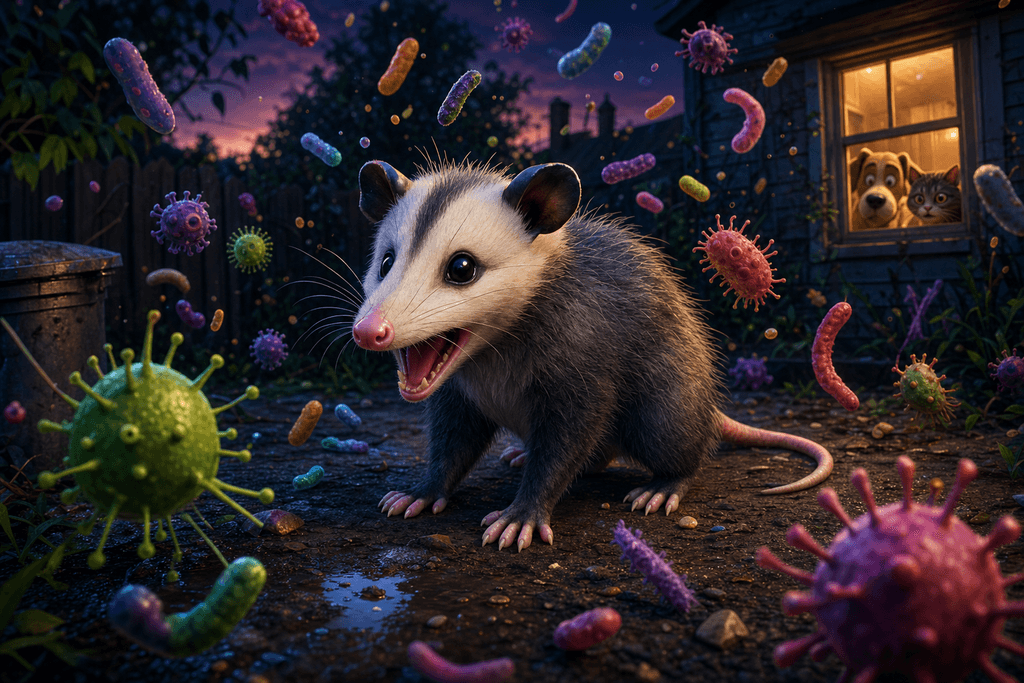
Table of Contents
Why Opossums Are Common Disease Carriers
Opossums are North America's only marsupial, and they've been around for millions of years. These creatures have survived so long partly because they'll eat almost anything they can find. While this adaptability helps them thrive, it also makes them carriers of various diseases that can affect both people and pets. Understanding why opossums spread illness starts with looking at how they live and what they do every night when they come out to search for food.
Scavenging Habits Bring Them Close to Danger
Opossums aren't picky eaters, which is both their strength and their problem. They spend their nights digging through trash cans, eating roadkill, and munching on whatever they find in your yard. This constant contact with garbage and dead animals exposes them to all sorts of bacteria, parasites, and other nasty stuff.
Their typical diet includes things that most animals avoid:
- Rotting meat and carrion from dead animals
- Garbage and food waste from residential trash bins
- Insects, including ticks and fleas that carry diseases
- Pet food left outside in bowls
- Compost piles and fallen fruit
Frequent Contact with Pets and People
In areas like Fort Worth, Denton, and Granbury, opossums have become regular visitors to residential neighborhoods. They're not afraid to walk right up to your back porch or garage looking for an easy meal. This brings them into direct contact with your pets and family.
Common ways opossums interact with your property include:
- Eating from outdoor pet food bowls
- Drinking from pet water dishes
- Living in attics, crawl spaces, or under decks
- Walking through yards where children and pets play
When your dog or cat encounters an opossum, there's a real risk of disease transmission through bites, scratches, or even just contact with opossum droppings. Wildlife X Team sees these situations regularly and provides humane removal services to keep your family safe.
Unique Biology Makes Them Disease Hosts
Here's something interesting about opossums that affects the diseases they carry. Their body temperature runs lower than most mammals, sitting around 94-97 degrees Fahrenheit instead of the typical 98-100 degrees. This lower temperature actually makes them resistant to some diseases like rabies, but it also means they can harbor other parasites and bacteria that thrive in cooler conditions.
Their immune system works differently too:
- They rarely get rabies due to their low body temperature
- They can carry diseases without showing symptoms themselves
- Their scavenging lifestyle constantly exposes them to new pathogens
- They host various parasites like fleas, ticks, and mites
This combination of biology and behavior makes opossums walking disease carriers, even when they look perfectly healthy. The diseases that opossums carry can sit dormant in their system while they go about their nightly routines, potentially spreading illness to anything they touch.
Bacterial Infections Opossums Spread
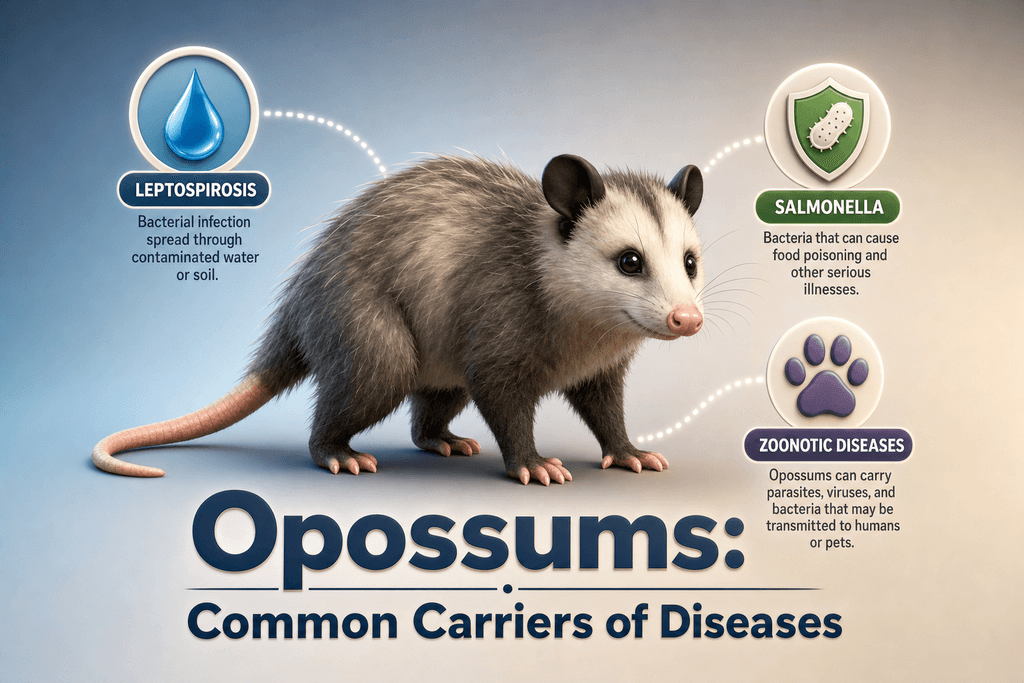
Opossums might look harmless shuffling through your backyard, but these marsupials carry several bacterial diseases that can seriously affect both people and pets. While opossums actually eat thousands of ticks each year and rarely carry rabies due to their low body temperature, they're not completely safe to have around your property. The diseases that opossums carry through their urine, feces, and saliva can linger in your yard, attic, or crawl spaces long after the animal has moved on. Understanding these risks helps you make better decisions about wildlife on your property.
Leptospirosis is one of the most concerning bacterial infections opossums spread. This disease moves through urine-contaminated water and soil, which means any area where an opossum has been living becomes a potential infection zone. Your pets can pick it up by drinking from puddles or sniffing around contaminated areas, and humans can contract it through cuts or mucous membranes.
- Salmonella transmission happens through fecal contamination in areas where opossums feed or nest
- Tuberculosis is rare but possible through respiratory droplets in enclosed spaces like attics
- Symptoms in humans range from flu-like feelings to severe organ damage if left untreated
- Pets are particularly vulnerable to bacterial infections because they explore with their noses and mouths
The tricky part about these bacterial infections is that symptoms don't always show up right away. Someone might feel like they have a bad flu when they're actually dealing with leptospirosis. Dogs can develop kidney failure before their owners realize something serious is happening.
Parasites and Pest-Related Illnesses
Beyond bacteria, opossums are basically walking hotels for parasites. A single opossum can carry dozens of fleas, multiple types of ticks, and various mites that are more than happy to find new hosts. When an opossum takes up residence in your attic or under your deck, these parasites spread throughout your property. They don't stay loyal to their opossum host when your warm-blooded pets or family members are nearby.
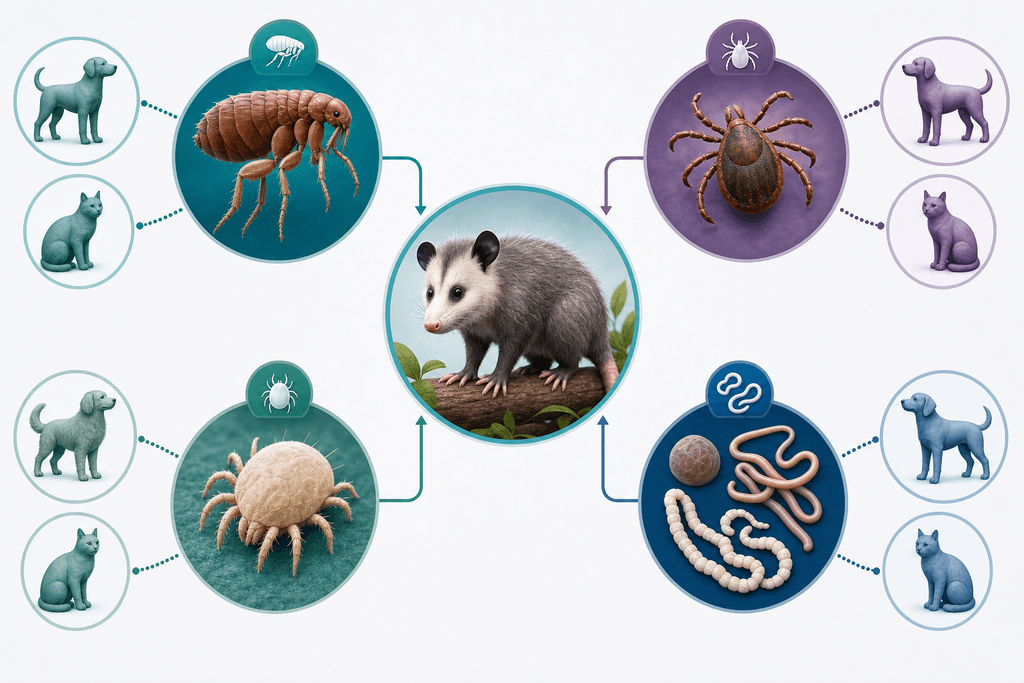
Fleas jump from opossums to your cats and dogs, then make themselves at home in your carpets and furniture. But the real danger comes from what these parasites carry themselves. Ticks on opossums can transmit Lyme disease and Rocky Mountain spotted fever, both of which cause serious long-term health problems if not caught early.
Mites present their own set of problems. These tiny creatures cause intense skin irritation and can lead to mange in pets, which results in hair loss, crusty skin, and constant scratching. The treatment process is lengthy and uncomfortable for your furry family members.
- Internal parasites like toxoplasmosis pose particular risks to pregnant women and people with weakened immune systems
- Roundworms and other intestinal parasites contaminate soil where children play
- These parasites can survive in the environment for months after the opossum leaves
- Pet deworming doesn't always catch every type of parasite opossums carry
The Fort Worth and Denton areas see plenty of opossum activity, especially during warmer months. Properties near wooded areas or water sources tend to attract these animals more frequently. Once parasites establish themselves in your yard or home, getting rid of them becomes much harder than preventing the problem in the first place.
Protecting Your Family and Pets from Exposure
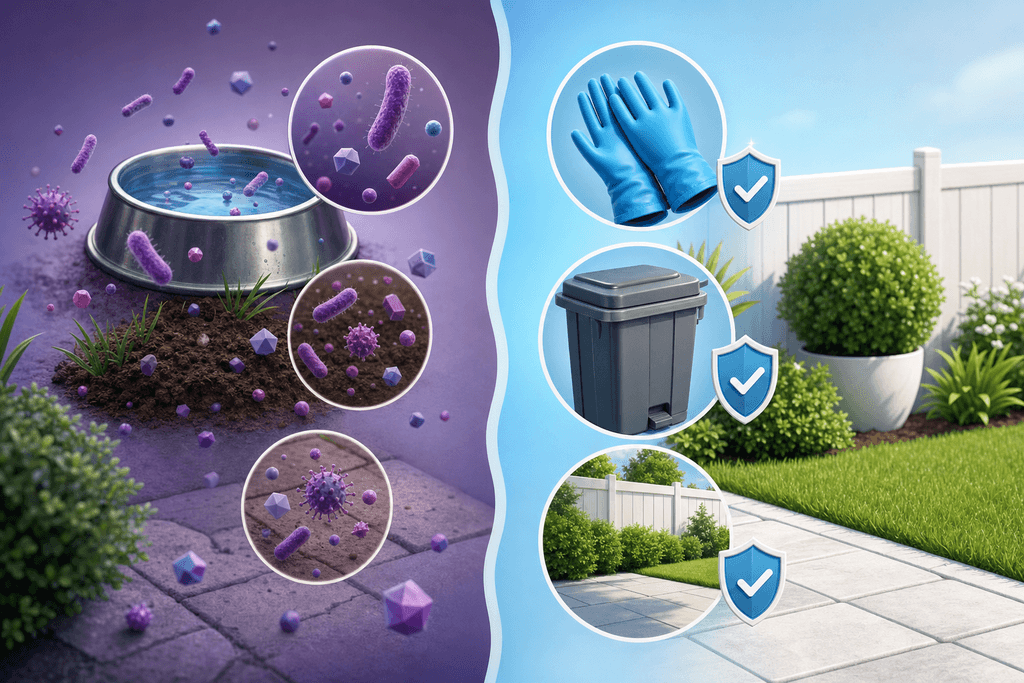
Prevention starts with making your property less attractive to opossums. These animals are opportunistic feeders who go wherever food is easiest to find. Keep pet food indoors and secure garbage cans with tight-fitting lids to remove the main reasons opossums visit residential areas. Even bird feeders can attract them, since they'll eat fallen seeds and any small animals that come to feed.
Direct contact with opossums or their droppings should always be avoided. If you spot opossum feces in your yard, don't try to clean it up yourself without proper protection. The bacteria and parasites in their waste remain infectious even after the droppings dry out.
- Schedule regular veterinary checkups for pets, especially if you've seen wildlife around your property
- Watch for symptoms like lethargy, loss of appetite, or unusual behavior in your pets
- Keep your yard maintained with grass cut short and brush piles removed
- Seal potential entry points to attics, crawl spaces, and under decks
Professional removal prevents ongoing exposure risks that DIY methods often miss. At Wildlife X Team, we don't just remove the opossum from your property. Our attic cleanup and restoration services eliminate contaminated insulation and disinfect areas where the animal has been living. This matters because diseases that opossums carry don't disappear when the animal does.
Our exclusion services address the root problem by identifying and sealing entry points that allowed the opossum access in the first place. We've worked with homeowners throughout Fort Worth, Denton, Granbury, and surrounding areas who thought they'd solved their opossum problem, only to have another one move into the same space weeks later. Proper exclusion work prevents that cycle from continuing and protects your family from repeated exposure to these health risks.
When Professional Removal Becomes Necessary
Most people don't realize they have an opossum problem until they hear scratching sounds at night or notice a strange smell coming from their attic. By that point, the animal has likely been living there for weeks, leaving behind droppings and urine that contain diseases that opossums carry. The longer you wait to address the issue, the more contamination builds up in your home, and the higher your risk of exposure becomes. What starts as a minor nuisance can quickly turn into a serious health hazard for your family and pets.
Warning Signs You Shouldn't Ignore
Knowing when to call for help can make the difference between a quick fix and a costly cleanup. Here are the telltale signs that opossums have moved into your property:
- Scratching or thumping noises in your attic, walls, or crawl spaces, especially at night
- Strong, musky odors coming from enclosed areas of your home
- Visible droppings that look similar to dog feces, often found near entry points
- Damaged insulation, chewed wires, or torn ductwork in your attic
- Grease marks or tracks along walls where opossums travel regularly
Why DIY Removal Puts You at Risk
Trying to handle opossum removal yourself might seem like a money-saving option, but it actually increases your exposure to the diseases that opossums carry. These animals can bite when cornered or scared, and their saliva can transmit bacteria directly into your bloodstream. Even if you manage to avoid a bite, you're still handling contaminated materials without proper protective equipment or training.
The cleanup process is where most DIY attempts fail completely. Opossum droppings and urine need specialized disinfection to eliminate pathogens like leptospirosis and salmonella. Simply sweeping up the mess or spraying it with household cleaners won't kill these bacteria.
How Professional Services Protect Your Health
Professional wildlife removal companies like Wildlife X Team follow strict protocols to minimize disease transmission during the entire process. Their technicians wear protective gear, use humane trapping methods, and know how to handle opossums without getting bitten or exposing themselves to contamination.
- Complete property inspection to locate all entry points and contaminated areas
- Safe removal of animals without causing stress that leads to defensive biting
- Professional-grade disinfection of all affected spaces
- Removal and replacement of contaminated insulation
- Sealing of entry points to prevent future infestations
Real Results: Sheryl Graham shared her experience: "Franklin did great repairs on my home to keep the possums out." This shows how proper exclusion work prevents the cycle of reinfection that often happens when homeowners only focus on removing the current animal without addressing how it got in.
The Complete Protection Approach
Removing the opossum is just the first step. The real value of professional services comes from their comprehensive approach to preventing future problems. Wildlife X Team's exclusion services identify every potential entry point, from foundation cracks to unsecured vents, and seal them properly so new animals can't move in after the current ones are gone.
Wrap-up
Opossums might look harmless, but the diseases that opossums carry can put both your family and pets at risk. From leptospirosis and salmonella to parasites like fleas and ticks, these animals bring more than just a mess to your property. The good news is that most of these health risks can be avoided with the right approach.
Getting rid of opossums on your own might seem like a simple fix, but it often leads to more problems. These animals can bite when cornered, their droppings need special handling, and they usually come back if you don't seal up entry points properly. That's where professional help makes a real difference.
Wildlife X Team handles opossum removal throughout Fort Worth, Denton, Granbury, and surrounding areas with methods that keep everyone safe. We don't just remove the animal and call it done. Our team finds every entry point, seals them up, and cleans contaminated areas so diseases don't stick around after the opossum is gone.
The best part about professional removal is the prevention work that comes with it. Once we've secured your property, opossums can't get back in. Our approach covers everything from initial inspection to long-term protection, which means you won't be dealing with the same problem six months down the road.
If you've spotted an opossum around your home or business, waiting usually makes things worse. The longer they stay, the more damage they cause and the higher the health risks become. You probably have questions about what to do next, and that's completely normal.
Common Questions About Opossum Diseases
Dealing with opossums on your property brings up a lot of questions, especially when it comes to health risks. Most people want to know if these marsupials pose real dangers to their families and pets. The good news is that many common fears about opossums are overblown, but there are still legitimate concerns worth addressing. Understanding the facts helps you make smart decisions about when to take action and when to simply let these creatures pass through your yard.
Can you get rabies from an opossum?
Opossums have an extremely low risk of carrying rabies because their body temperature is too low for the virus to survive well. While it's technically possible, it's incredibly rare compared to other wildlife like raccoons or bats. You're far more likely to encounter other health issues from opossums than rabies.
What should I do if my pet encounters an opossum?
Keep your pet away from the opossum and bring them inside immediately. Check your pet for any bites or scratches, and contact your vet if you find any wounds. Opossums can carry diseases like leptospirosis and parasites that can transfer to pets through bites or contact with urine and feces.
How do I know if an opossum is sick?
Sick opossums often show unusual behavior like being active during daylight hours, stumbling or appearing disoriented, or showing aggression instead of playing dead. Other warning signs include discharge from eyes or nose, visible wounds, or excessive drooling. Healthy opossums are nocturnal and will typically avoid human contact, so daytime sightings often indicate a problem.
Are opossum droppings dangerous?
Yes, opossum droppings can contain harmful bacteria and parasites that pose health risks to humans and pets. The feces may carry diseases like salmonella, leptospirosis, and various parasitic infections. Never handle opossum droppings without proper protective equipment, and avoid areas where droppings have accumulated until they're professionally cleaned.
When should I call Wildlife X Team for removal?
You should contact Wildlife X Team if opossums have taken up residence in your attic, crawl space, or under your home. Also call if you notice repeated visits, signs of nesting, or if the animals appear sick or injured. Our team provides humane removal and prevention services that address both the immediate problem and future intrusions through our comprehensive inspection and exclusion work.
How long does it take to remove opossums safely?
Most opossum removal situations can be handled within a few days to a week, depending on the complexity of the infestation. Wildlife X Team often begins work immediately after the initial inspection, as one customer noted when they had squirrels removed on the same day as their estimate. The timeline includes trapping, removal, and sealing entry points to prevent future problems.