North Richland Hills Wildlife Removal for Attics and Crawl Spaces

When Wildlife Moves Into Your North Richland Hills Home
Scratching sounds above your bedroom ceiling at 2 AM usually mean one thing: you've got uninvited guests living in your attic. North Richland Hills homes sit right in the sweet spot where urban development meets natural wildlife habitat, making attics and crawl spaces prime real estate for raccoons, squirrels, and other critters looking for shelter. What starts as a few strange noises can quickly turn into serious property damage, health risks, and expensive repairs if you wait too long to address the problem.
Table of Contents
- When Wildlife Moves Into Your North Richland Hills Home
- Why North Richland Hills Attracts Attic Wildlife
- Signs You Have Wildlife in Your Attic or Crawl Space
- The Wildlife Removal Process That Actually Works
- Attic Cleanup and Damage Restoration After Wildlife
- Permanent Wildlife Exclusion and Prevention
- Why Professional Removal Beats DIY Every Time
- Protecting Your North Richland Hills Home
- Common Questions About Wildlife Removal
Why North Richland Hills Attracts Attic Wildlife
North Richland Hills sits right in the middle of a perfect storm for wildlife activity. The city's location between the Trinity River and several wooded parks creates natural highways for animals looking for shelter. When you add in the steady growth of neighborhoods and shopping centers, you've got wild animals running out of places to live in their natural habitats. They're not trying to be pests - they're just looking for warm, dry places to raise their families, and your attic checks all the boxes.
Location and Natural Features
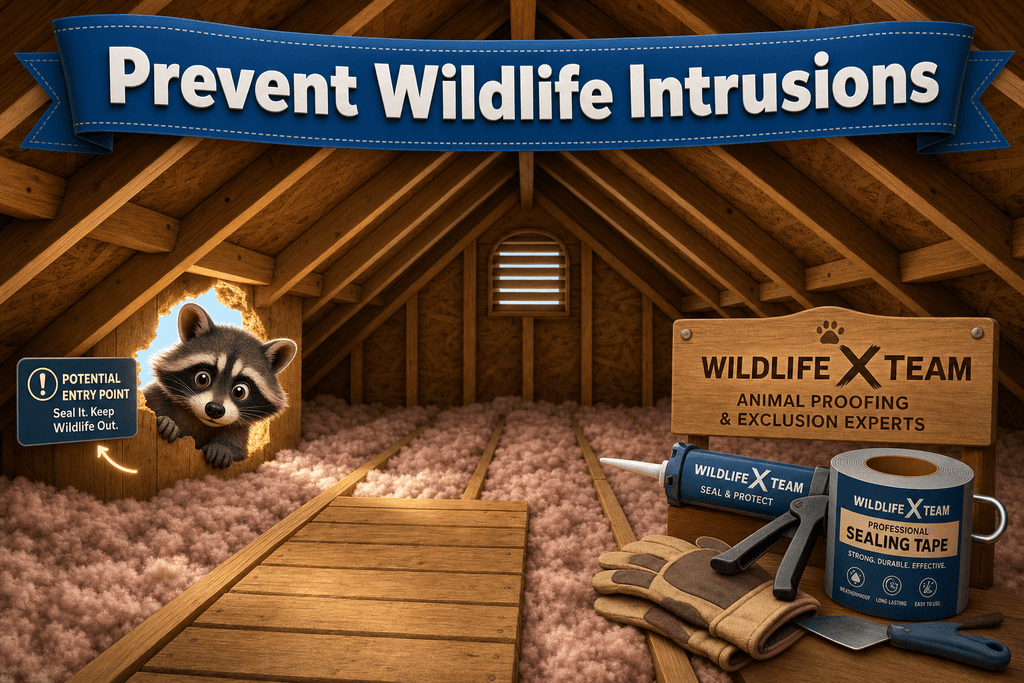
The geography around North Richland Hills makes it prime real estate for wildlife. Big Bear Creek runs through the area, and several parks like NRH2O and Iron Horse Golf Course provide green spaces where animals naturally gather. These water sources and wooded areas are like magnets for raccoons, squirrels, and other critters.
As neighborhoods expand into these natural areas, animals don't just disappear. They adapt. Your home becomes the next best thing to a hollow tree or cave.
- Trinity River corridor provides water and food sources within miles
- Big Bear Creek creates natural wildlife pathways through residential areas
- Multiple parks and green spaces serve as wildlife staging areas
- Mature trees in older neighborhoods offer easy roof access
Common Wildlife Species in North Richland Hills
Raccoons top the list of attic invaders in North Richland Hills. These masked bandits can tear through roof vents and fascia boards like they're made of paper. Squirrels come in a close second, especially during fall when they're gathering food and looking for winter shelter. Opossums and bats round out the usual suspects, though they tend to be quieter houseguests.
Each species brings its own set of problems. Raccoons are strong and destructive. Squirrels chew on electrical wiring. Bats leave droppings that can cause health issues.
- Raccoons - most destructive, active year-round with peak activity in spring
- Squirrels - most common, especially active in fall and winter months
- Opossums - quieter but can carry parasites and diseases
- Bats - protected species requiring special removal methods
- Rats and mice - often follow other wildlife into compromised structures
North Texas Wildlife Stats: Wildlife removal calls in the Dallas-Fort Worth area increase by 60% during spring months when animals seek nesting sites. Raccoons account for approximately 35% of all attic intrusions, while squirrels make up another 40% of cases.
Seasonal Patterns and Suburban Development
Spring brings the biggest surge in wildlife removal calls across North Richland Hills. Female raccoons and squirrels are looking for safe places to have their babies, and your attic offers protection from predators and weather. Fall sees another spike as animals prepare for winter by stockpiling food and finding warm shelter.
The ongoing development in North Richland Hills keeps pushing wildlife into smaller pockets of natural habitat. When a new shopping center or neighborhood goes up, the displaced animals don't leave town - they move into existing neighborhoods. This pattern means even homes that never had wildlife problems before are suddenly dealing with unwanted guests.
- Spring (March-May) sees peak activity as animals seek nesting sites
- Fall (September-November) brings preparation for winter shelter
- Summer storms can damage roofs and create new entry points
- Winter cold drives animals to seek warmth in attics and walls
Wildlife X Team handles these seasonal surges with humane removal methods and prevention strategies that work year-round. The key is catching problems early before a small entry point becomes a major infestation. Most homeowners don't realize they have visitors until they hear scratching sounds or notice damage, but by then animals may have already settled in and started families.
Signs You Have Wildlife in Your Attic or Crawl Space
Most North Richland Hills homeowners discover they have unwanted guests only after the problem has gotten serious. The sounds usually come first, often at night when you're trying to sleep. You might hear scratching, scurrying, or thumping noises coming from above your bedroom ceiling. These sounds tell a story about what's living up there, and the timing matters more than you'd think.

Raccoons typically make noise at night since they're nocturnal, while squirrels are most active during early morning and late afternoon. If you're hearing heavy thumping sounds, that's probably a raccoon. Light, fast scurrying usually means squirrels or rats.
- Scratching sounds in walls or ceilings, especially at dawn or dusk
- Thumping or rolling noises from larger animals moving around
- Chirping or chattering sounds from baby animals
- Gnawing sounds on wood or wires
The visual evidence often appears before you even climb into your attic. Check your roofline for damaged vents, missing soffit panels, or holes near your roof edges. Wildlife doesn't need much space to get inside. A hole the size of a quarter is enough for a mouse, while raccoons can tear open existing gaps to create their own entrance.
Once you're in the attic, the signs become obvious. Droppings are usually the first thing you'll notice, and they look different depending on the animal. Raccoon droppings resemble dog feces and often contain undigested berries. Squirrel droppings are smaller, about the size of a grain of rice. You'll also find nesting materials like shredded insulation, leaves, and twigs piled in corners.
Warning Signs Checklist
- Strange noises in attic or walls during specific times of day
- Visible droppings or urine stains on insulation
- Damaged or compressed insulation in certain areas
- Chewed electrical wires or ductwork
- Strong musky or ammonia-like odors
- Damaged roof vents, soffits, or fascia boards
- Grease marks along entry points from animal fur
- Tracks in dusty areas of your attic
The smell is something you can't ignore. Urine creates a strong ammonia odor that gets worse in warm weather. Some animals like raccoons create latrines in specific spots, which concentrates the smell. If you notice a musky odor, that's often from the animal's scent glands. The worst smell comes from animals that have died in your walls or attic, which creates a sickly sweet odor that can last for weeks.
The Wildlife Removal Process That Actually Works
The difference between a temporary fix and a permanent solution comes down to finding every single entry point. Most homeowners spot the obvious hole where animals are getting in and think sealing that one spot will solve everything. It won't. Animals often have multiple entry and exit points, and if you seal just one, they'll either get trapped inside or find another way back in.
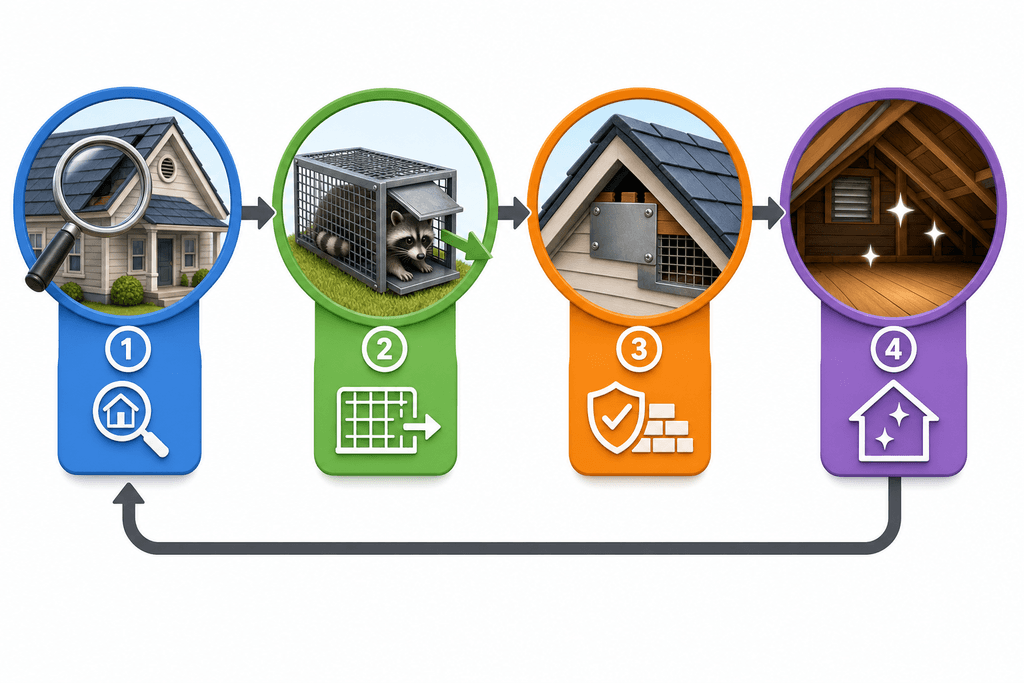
Wildlife X Team starts every job with their Wildlife Inspection Report®, which maps out your entire property's vulnerabilities. This isn't a quick walk around your house. The inspection covers your roof, attic, crawl spaces, foundation, vents, and any other potential access points. They're looking for active entry points, potential weak spots, and signs of previous animal activity you might not know about.
Here's how the actual removal works. Humane live trapping uses species-specific traps placed at active entry points. The traps are checked daily because leaving an animal trapped for too long is both inhumane and illegal in Texas. For some situations, one-way door systems work better. These devices let animals exit to forage for food but prevent them from getting back inside.
- Complete property inspection to identify all entry points and damage
- Set up humane traps or one-way exclusion devices
- Daily monitoring and animal removal
- Seal all entry points after confirming all animals are out
- Clean and restore damaged areas
- Install permanent exclusion barriers
The timeline depends on your specific situation. A single squirrel might be removed in a few days, while a family of raccoons with babies could take two weeks. You can't rush the process if there are young animals involved, since removing a mother before her babies are mobile enough to leave on their own creates a worse problem.
Jesse Bernard from the Fort Worth area learned this firsthand. His family had what he called a "squirrel party" in their attic. Wildlife X Team found multiple entry points he never would have discovered on his own. They handled everything on the spot, and months later, he's still squirrel-free. That's the difference between professional wildlife removal in North Richland Hills and trying to handle it yourself with hardware store supplies.
Attic Cleanup and Damage Restoration After Wildlife
Getting the animals out is only half the job. What they leave behind creates health risks that most people don't think about until it's too late. Wildlife urine and feces contain bacteria, parasites, and pathogens that can make your family sick. Raccoon feces can carry raccoon roundworm eggs, which remain infectious in your attic for years if not properly removed.
Contaminated insulation loses its effectiveness and becomes a breeding ground for mold and bacteria. The urine soaks through the material, and the smell doesn't just go away on its own. You can't simply spray some disinfectant and call it done. The contaminated insulation needs to be removed, the area needs professional disinfection, and new insulation needs to be installed.
- Wildlife waste contains harmful bacteria like leptospirosis and salmonella
- Parasites like fleas, ticks, and mites remain active after animals leave
- Urine-soaked insulation can lead to mold growth and respiratory issues
- Contaminated areas attract new wildlife through scent markers
The restoration process involves more than just cleanup. Chewed electrical wires create fire hazards that need immediate attention. Animals gnaw on wires to keep their teeth filed down, and exposed wiring in your attic is a serious problem. Damaged ductwork leaks conditioned air, which drives up your energy bills. Structural damage to roof decking or support beams can compromise your home's integrity.
Wildlife X Team's attic cleanup and restoration service handles all of this. They remove contaminated materials wearing proper protective equipment, treat the entire area with professional-grade disinfectants, and repair any structural damage. The deodorization process eliminates the scent markers that would attract new animals to your home.
Skipping proper restoration might save money in the short term, but it costs more later. The health risks alone make professional cleanup worth the investment. Plus, if you don't remove the scent markers, you're basically inviting the next animal to move into the same spot. Insurance companies are also getting stricter about wildlife damage claims, and proper documentation of professional cleanup helps if you need to file a claim.
Permanent Wildlife Exclusion and Prevention
The real solution to wildlife problems isn't just removing the current residents. It's making sure new ones can't move in next month. Exclusion work involves reinforcing every vulnerable point on your property with materials that animals can't chew through, tear apart, or push aside. This is where most DIY attempts fail, because homeowners use materials that seem sturdy but don't hold up against determined wildlife.
Steel mesh and heavy-duty screening are the gold standards for exclusion work. Regular window screen won't stop a squirrel. Chicken wire won't stop a raccoon. You need materials specifically designed for wildlife exclusion, installed correctly at every potential entry point.
- Foundation repairs seal gaps where your home meets the ground
- Chimney caps prevent animals from nesting in your flue
- Vent guards protect bathroom, kitchen, and attic vents
- Soffit and fascia repairs close gaps along your roofline
- Ridge vent protection secures the peak of your roof
North Richland Hills homes have specific vulnerabilities based on local construction styles and the types of wildlife in the area. Older homes often have gaps in their foundation where settling has created cracks. Newer homes sometimes have builder-grade vents that animals can easily push through. The climate here also means homes have more ventilation points than houses in colder regions, which creates more potential entry points.
Home Vulnerability Prevention Checklist
- Inspect all roof vents for damage or gaps
- Check soffit and fascia boards for holes or rot
- Examine foundation for cracks larger than a quarter
- Verify chimney cap is secure and undamaged
- Look for gaps where utility lines enter your home
- Trim tree branches within 8 feet of your roofline
- Secure crawl space vents with heavy-duty screening
- Check garage door seals for gaps at ground level
Different animals require different exclusion strategies. Squirrels can jump several feet from a tree branch to your roof, so you need to keep branches trimmed back at least eight feet. Raccoons can climb almost anything and have incredibly strong hands that can tear through weak materials. Rats only need a hole the size of a quarter to squeeze through.
Wildlife X Team backs their exclusion work with a Renewable Lifetime Warranty, which means they stand behind their repairs for as long as you own your home. If an animal gets back in through a point they sealed, they come back and fix it at no additional cost. This warranty only works because they use proper materials and techniques that actually hold up over time.
Seasonal maintenance keeps your exclusion barriers effective. Texas weather is hard on exterior materials, and what works in spring might need adjustment by fall. Annual inspections catch small problems before they become animal entry points. The team at 11833 Katy Rd in Keller serves the entire North Richland Hills area and can schedule regular maintenance visits to keep your home protected year-round.
Why Professional Removal Beats DIY Every Time
Most homeowners who try DIY wildlife removal end up calling professionals anyway, but only after wasting time and money on failed attempts. The problem isn't just about catching the animal and releasing it somewhere else. When you're dealing with wildlife in your attic, you're facing a complex situation that involves finding every entry point, removing all animals including babies, cleaning up contaminated materials, and preventing future invasions. What seems like a simple task quickly becomes overwhelming when you realize there are multiple hidden entry points and possibly a nest of babies tucked away in your insulation.
The Hidden Dangers Most People Ignore
The health risks alone should make you think twice about handling wildlife removal yourself. Animals living in your attic carry diseases that can seriously harm you and your family.
- Rabies transmission through bites or scratches from raccoons, bats, and skunks
- Histoplasmosis from breathing in spores found in bird and bat droppings
- Leptospirosis from contact with rodent urine in contaminated insulation
- Roundworm infections that can cause serious neurological damage
Texas law also restricts how you can handle certain wildlife species. You can't just trap a raccoon and release it in a park somewhere. State regulations require specific permits for trapping and relocating many animals, and doing it wrong can result in hefty fines.
What DIY Attempts Actually Cost
Here's what most people don't calculate when they decide to go the DIY route. You'll spend money on traps, protective gear, cleaning supplies, and materials to seal entry points. Then you'll spend hours researching, setting traps, checking them daily, and trying to figure out where animals are getting in.
- Basic trap rental or purchase ranges from $50 to $200
- Protective equipment including gloves, masks, and coveralls adds another $75
- Sealing materials like wire mesh, caulk, and wood cost $100 or more
- Time investment averages 15-20 hours spread over several weeks
Professional wildlife removal in North Richland Hills typically costs less than failed DIY attempts when you factor in the warranty and guaranteed results. Wildlife X Team's approach includes finding all entry points during the initial inspection, something homeowners miss about 80% of the time according to industry data.
Why Homeowners Keep Missing the Real Problem
The obvious hole in your soffit isn't the only way animals are getting inside. Squirrels and raccoons are smart enough to create multiple entry and exit points. They'll have a main entrance and several backup routes that are much harder to spot.
- Secondary entry points hidden under roof shingles or behind gutters
- Gaps in construction joints that are only visible from inside the attic
- Damaged vent screens that look fine from ground level
- Foundation cracks that connect to wall voids leading to the attic
When you seal the obvious hole without finding the others, you might trap animals inside or just force them to use a different entrance. Either way, your problem continues and possibly gets worse.
The Success Rate Gap
Professional wildlife removal services report success rates above 95% for complete animal removal and exclusion. DIY attempts succeed fully less than 30% of the time on the first try. That gap exists because professionals like Wildlife X Team use systematic approaches that address every aspect of the problem, from the Wildlife Inspection Report that identifies all vulnerabilities to the renewable lifetime warranty that protects your investment long-term.
Protecting Your North Richland Hills Home
Dealing with wildlife in your attic isn't something you want to put off. The longer animals stay up there, the more damage they cause to your insulation, wiring, and structure. Plus, the health risks from droppings and urine only get worse over time. Getting professional help means you're not just removing the animals, you're actually fixing the problem for good.
The right approach includes three main parts. First, you need safe removal of whatever animals are living in your space. Then comes the cleanup and restoration work, because just getting rid of the animals isn't enough when they've left behind contaminated insulation and waste. Finally, prevention work keeps new animals from finding their way back in.
Wildlife X Team handles all three of these steps for homeowners in North Richland Hills and the surrounding areas. Our team covers everything from Fort Worth to Denton, including Grapevine, Colleyville, Southlake, and other nearby communities. We're based at 11833 Katy Rd in Keller, and you can reach us at (817) 799-8686.
Most people don't realize how many entry points their home actually has until a professional inspection happens. That second or third hole you didn't know about is usually what brings the animals back after a DIY fix. The inspection report shows you exactly where your home is vulnerable, which makes the difference between a temporary fix and a permanent solution.
If you're hearing scratching sounds at night or noticing signs of animals in your attic, the questions below cover what most homeowners want to know about the removal process.
Common Questions About Wildlife Removal
Most homeowners dealing with wildlife in their attics have similar concerns about the removal process. Getting straight answers helps you make better decisions about protecting your home. Here are the questions we hear most often from North Richland Hills residents dealing with unwanted attic guests.
How quickly can wildlife be removed from my attic?
The timeline depends on what type of animal you're dealing with and how many entry points exist. Most wildlife removal north richland hills projects start within 24-48 hours of your call, and simple cases can be resolved in a single visit. More complex situations involving multiple animals or extensive damage might take a few days to complete properly.
Is wildlife removal safe for my family and pets?
Professional wildlife removal uses humane methods that don't put your family or pets at risk. Wildlife X Team focuses on exclusion techniques and safe trapping rather than harmful chemicals or poisons. The removal process is designed to protect everyone in your home while effectively solving the problem.
What does the Renewable Lifetime Warranty cover?
The Renewable Lifetime Warranty protects against future wildlife invasions at the same entry points that were sealed during your service. If animals find their way back through repaired areas, the team returns to fix the issue at no additional cost. This warranty gives you long-term peace of mind instead of just a temporary fix.
How much does professional wildlife removal cost?
Costs vary based on the type of animal, severity of the infestation, and amount of repair work needed. A basic inspection and removal might run a few hundred dollars, while extensive exclusion work and attic restoration can cost more. Getting a detailed inspection first helps you understand exactly what you're paying for before any work begins.
Can I stay in my home during the removal process?
Yes, you can stay in your home during wildlife removal in almost all cases. The work typically happens in your attic or exterior areas, so your living spaces remain accessible. Most homeowners continue their normal routines while the professionals handle everything above their heads.
What happens if animals return after removal?
If animals return through the same entry points that were sealed, the warranty covers additional service calls. However, proper exclusion work from experienced professionals makes returns extremely rare. Companies like Wildlife X Team find and seal all entry points during the initial service, which is why their customers rarely see the same problem twice.