
Identify Raccoon Noises in Attics, Walls, and Around the Roof

That scratching sound coming from your ceiling at 2 AM isn't your imagination, and it's probably not a ghost either. Raccoons are surprisingly loud animals that can weigh up to 40 pounds, and most homeowners discover they have unwelcome guests through raccoon noises long before they ever spot one. Learning to identify these animal sounds raccoon make can save you thousands of dollars in damage and help you know when it's time to call Wildlife X Team in Fort Worth for professional removal.
Table of Contents
Why Raccoons Choose Your Home
Raccoons are some of the smartest animals in North America, with problem-solving skills that rival some primates. When they start making raccoon noises in your attic or walls, it's not by accident. These masked bandits have very specific reasons for choosing your Fort Worth area home as their new den. Understanding why they move in is the first step to getting them out and keeping them out for good.
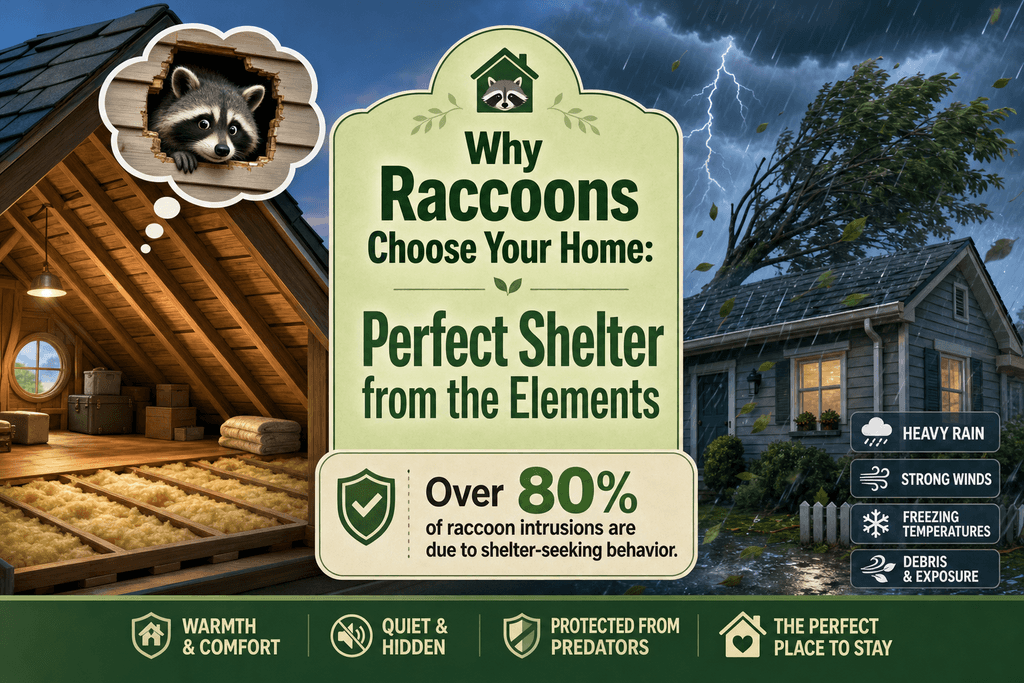
Perfect Shelter from the Elements
Your attic looks a lot like a hollow tree to a raccoon, except it's way better. It's warm, dry, and protected from rain, wind, and Texas heat. Raccoons don't build nests like birds. Instead, they look for ready-made spaces that keep them safe from weather and predators.
Attics check every box on a raccoon's wish list. The insulation is soft and warm, perfect for nesting. The space is dark and quiet during the day when raccoons sleep. And those animal sounds raccoon families make at night? They echo through your walls because the space amplifies every movement.
Here's what makes your home attractive to raccoons:
- Warm insulation that mimics natural bedding materials
- Protection from predators like coyotes and large dogs
- Dry space away from ground-level flooding
- Easy access through damaged vents, loose soffits, or roof gaps
- Proximity to food sources like garbage cans and pet food
Breeding Season Brings Desperate Mothers
Between February and May, female raccoons get serious about finding safe spaces. They're pregnant and need a secure den to raise their babies. A mother raccoon will tear through roof shingles, rip apart vent covers, and squeeze through surprisingly small openings to get into your attic during this time.
This is when most Fort Worth homeowners first hear those distinctive raccoon noises. Baby raccoons make high-pitched chirping sounds that many people mistake for birds. The mother makes low growling or purring sounds when she's with her young. At Wildlife X Team, we see a huge spike in calls during spring because of breeding season activity.
Texas Raccoon Statistics:
- Over 60% of raccoon home invasions happen during breeding season (February-May)
- Female raccoons can cause up to $3,000 in attic damage while nesting
- Urban raccoon populations in DFW have increased by 40% in the last decade
Urban Growth Pushes Wildlife Into Neighborhoods
Fort Worth, Denton, and Granbury have grown fast over the past twenty years. New neighborhoods pop up where forests and fields used to be. But raccoons don't just disappear when we build houses. They adapt. And they're really good at it.
As natural habitats shrink, raccoons move closer to people. They learn that human neighborhoods offer easy food and better shelter than the wild. Your trash can has more calories than a raccoon could find in hours of foraging. Your attic is safer than any tree hollow. It's a simple choice for them.
Urban raccoons face these habitat pressures:
- Loss of natural den sites due to tree removal and land clearing
- Reduced hunting grounds as open spaces become parking lots
- Increased competition with other raccoons for remaining wild spaces
- Easy access to human food sources that require less energy to obtain
The DFW metroplex keeps expanding, which means more raccoons looking for new homes. When they hear your attic fan or spot a gap in your roof, they see an opportunity. Female raccoons are especially aggressive about claiming territory when they're preparing to have babies. They'll fight off other raccoons and even risk encounters with humans to secure what they consider prime real estate.
Understanding why raccoons choose your home helps explain those strange animal sounds raccoon families make at 2 AM. They're not trying to annoy you. They're just living their lives in what they think is their space. The problem is, it's actually your space, and sharing it with raccoons leads to damage, health risks, and sleepless nights.
Common Raccoon Sounds in Your Attic
Raccoons can weigh up to 20 pounds, which means when they move around in your attic, you'll definitely hear them. Unlike the light scurrying of mice or even squirrels, raccoon noises are unmistakable once you know what to listen for. These masked bandits create a whole symphony of sounds that can keep you up at night. The good news is that identifying these specific noises helps you figure out exactly what you're dealing with before the problem gets worse.
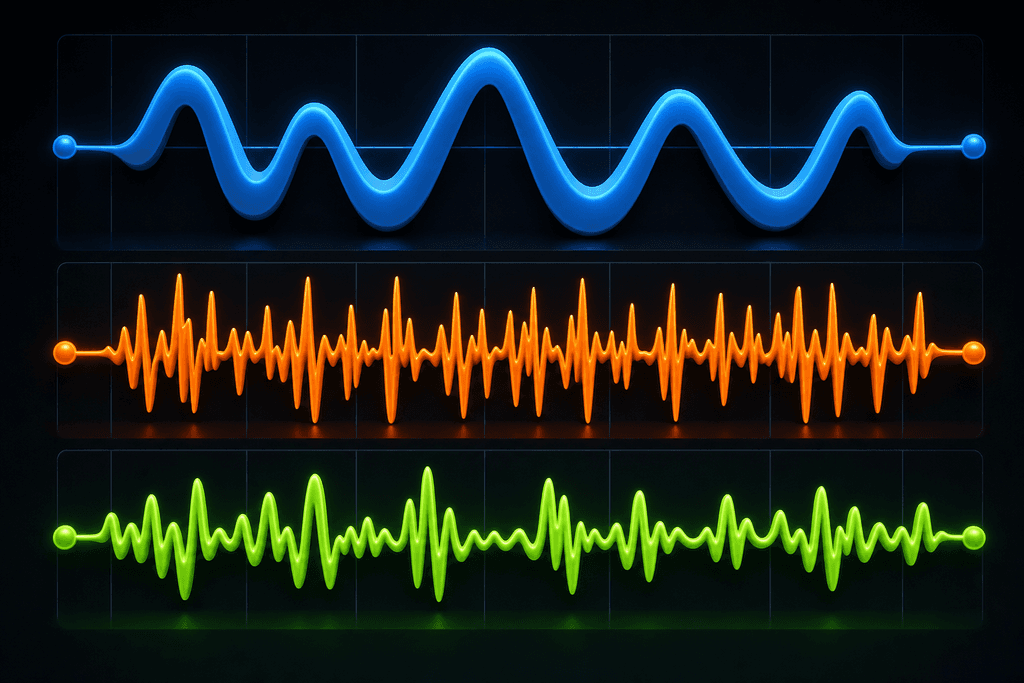
The most obvious sign of raccoons is heavy thumping and walking sounds that echo through your ceiling. You might think someone is walking around up there, and in a way, you're right. These sounds are much louder than what squirrels make because raccoons are significantly heavier animals.
- Vocal chatter, chittering, and purring sounds from mother raccoons communicating with their babies
- Scratching and tearing sounds as they rip apart insulation to make nests
- High-pitched crying sounds from baby raccoons that sound eerily similar to human babies
- Rolling sounds from raccoons moving food, toys, or other objects around
Here's something important to know about timing. Most raccoon activity occurs at night between dusk and dawn since they're nocturnal creatures. If you're hearing loud noises during these hours, raccoons are likely the culprit. Squirrels, on the other hand, are active during the day.
The vocal sounds can be particularly unsettling. Mother raccoons make soft purring and chittering noises to their young, while babies respond with those distinctive crying sounds. If you hear what sounds like a baby crying in your attic, you probably have a raccoon family living rent-free above your head.
Recognizing Raccoon Noises in Your Walls
Wall noises are different from attic sounds, and they often mean something specific is happening. When raccoons are in your walls, they're usually either entering your home, exiting it, or they've gotten stuck trying to navigate the tight spaces. The sounds you hear in walls tend to be more directional and confined than the broader noises from an attic. Understanding these differences helps you pinpoint where the raccoons are getting in, which is crucial information for removal.
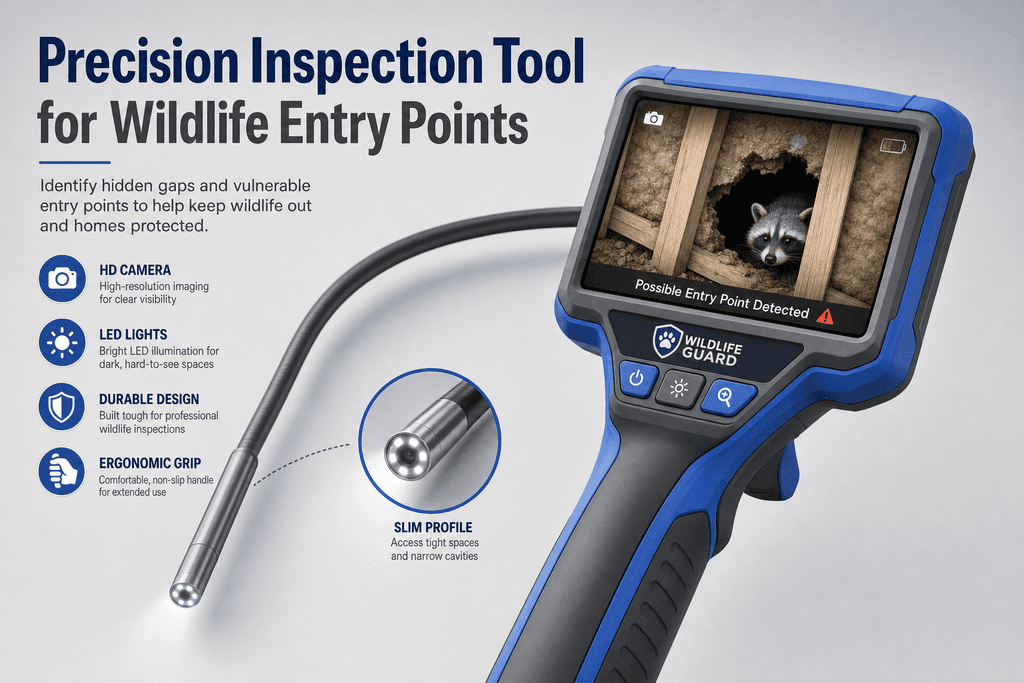
Scratching and clawing sounds are common as raccoons climb up and down wall studs like little furry mountaineers. Their sharp claws grip the wood as they move, creating distinct scratching patterns. You might also hear thumping sounds when raccoons get stuck or need to change direction in the narrow wall cavity.
One thing that makes wall noises particularly noticeable is how the space acts like an amplifier. Vocal sounds echo through wall cavities, making them seem louder and sometimes closer than they actually are. This can be pretty unnerving when you're trying to sleep.
- Listen for sounds that move vertically rather than horizontally
- Pay attention to chewing sounds as raccoons enlarge entry holes
- Notice if sounds occur near specific entry points like vents or gaps
- Check if noises happen during entry and exit times at dusk and dawn
Wall noises often indicate raccoons are actively entering or exiting your structure. This is actually useful information because it helps identify their access points. At Wildlife X Team, we use these sound patterns during our Wildlife Inspection Report to locate exactly where raccoons are getting in, which makes exclusion work much more effective.
Roof and Exterior Raccoon Activity Sounds
Before raccoons ever make it into your attic or walls, they're usually making noise on your roof. These exterior sounds are your early warning system, and catching the problem at this stage can save you thousands in damage. Raccoons are surprisingly bold and will spend time on your roof exploring for entry points, fighting with other raccoons, or just hanging out. The sounds they make outside are often the first clue that you're about to have unwanted houseguests.
The most common sound is heavy footsteps on roof shingles, especially concentrated near vents, chimneys, and roof edges. Raccoons aren't subtle when they walk. You'll hear distinct footfalls that sound much heavier than birds or squirrels.
Scratching and prying sounds at soffits, fascia, and roof edges mean raccoons are actively trying to break into your home. They're incredibly strong and persistent, using their dexterous paws to pull apart weak spots in your roofing materials. You might also hear tearing sounds as they remove shingles or roofing materials to create an entry point.
- Vocal sounds during mating season or territorial disputes between raccoons
- Fighting or playing sounds as multiple raccoons interact on your roof
- Splashing sounds near gutters where they search for water or food
Mating season brings a whole new level of noise. Raccoons become very vocal during this time, and you might hear growling, screaming, or chattering sounds that can be genuinely alarming. These animal sounds raccoon make during disputes or mating can wake up the whole neighborhood.
If you're hearing any of these raccoons noises on your roof or in your home, it's time to act. The longer you wait, the more damage they'll cause and the harder they'll be to remove. Our team in Fort Worth, Denton, and surrounding areas handles these situations every day with humane removal methods and permanent exclusion solutions that actually work.
When Raccoon Noises Mean You Need Professional Help
Most homeowners try to ignore the occasional thump or scratch in their attic, hoping it's just the house settling or a tree branch. But certain raccoon noises and patterns tell a different story, one that gets worse the longer you wait. Understanding when those sounds cross from minor annoyance to serious problem can save you thousands in damage and protect your family's health.
Signs Your Raccoon Problem Is Getting Serious
The difference between one raccoon passing through and a family settling in permanently shows up in the sounds you hear. When multiple raccoons create overlapping animal sounds raccoon experts recognize as family groups, you're dealing with more than a temporary visitor.
- Multiple overlapping sounds at the same time indicate a mother with babies, not a single animal
- Daytime noises suggest desperate mothers with babies who need constant feeding
- Sounds that increase in frequency over days or weeks mean raccoons are building nests and settling in
- Strong ammonia-like odors combined with raccoons noises point to significant urine contamination
- Visible exterior damage near where you hear sounds requires immediate attention before structural issues develop
Why the DIY Approach Falls Short
Here's what most people miss when they try to handle raccoon problems themselves. You might find the obvious hole in your soffit, but raccoons typically create multiple entry points as backup routes. Wildlife X Team's inspection process identifies all entry points, not just the ones you can see from the ground, which is exactly what happened with Jesse Bernard's squirrel situation that applies equally to raccoons.
"Top notch service! They effectively removed the raccoons and secured my attic against future invasions." - Mark Thompson
The contamination factor makes professional help even more critical. Raccoon urine and feces carry diseases that require proper protective equipment and disposal methods. When you hear increasing raccoons noises combined with strong odors, the contamination has already spread beyond what simple cleanup can handle.
Take Action When You Hear Raccoon Noises
Once you know what raccoon noises sound like, the next step is doing something about it. Those heavy thumping sounds, chattering, and scratching aren't going to stop on their own. In fact, the longer raccoons stay in your attic or walls, the more damage they cause and the bigger the health risks become.
The good news is that animal sounds raccoon make are pretty easy to identify once you know what to listen for. Most people can tell the difference between a raccoon and a squirrel after hearing the weight difference and vocal sounds. But knowing what's up there is only half the battle.
Getting rid of raccoons the right way means making sure they leave and can't come back. Wildlife X Team handles this process from start to finish in Fort Worth, Denton, Granbury, and surrounding areas. We remove the animals humanely, clean up the mess they left behind, and seal up every entry point so you don't end up with the same problem next month.
The worst thing you can do is wait and hope the problem fixes itself. Raccoons don't just move out because they feel like it. They've found food, shelter, and a safe place to raise their babies. Without professional help, you're looking at months of noise, damage, and potential disease exposure.
If you're hearing raccoons noises in your home right now, you probably have questions about what happens next. Let's cover some of the most common ones.
Frequently Asked Questions About Raccoon Noises
Hearing strange sounds coming from your attic or walls can be unsettling, especially when you're not sure what's causing them. Raccoons are one of the most common culprits behind nighttime disturbances in homes across the Dallas-Fort Worth area. Understanding what these noises mean and how to respond can help you protect your home and family. Here are the most common questions homeowners ask when they suspect raccoons have moved in.
What time of night are raccoon noises loudest?
Raccoon noises are typically loudest between dusk and dawn, with peak activity around midnight to 3 AM. These animals are nocturnal, so they're most active when you're trying to sleep. You'll often hear the heaviest thumping and scratching sounds right after sunset when they leave to forage and again before sunrise when they return.
How can I tell if it's raccoons or squirrels in my attic?
Raccoons make much heavier, slower sounds compared to squirrels. If you hear loud thumping, walking sounds, or vocal chittering and growling, it's likely raccoons. Squirrels create faster, lighter scurrying sounds and are active during the day rather than at night. Raccoon noises often sound like a person walking around in your attic, while squirrel activity sounds more like quick scratching and running.
Are raccoon noises dangerous to investigate myself?
Yes, investigating animal sounds raccoon on your own can be risky. Raccoons can become aggressive when cornered, especially mothers protecting their young. They also carry diseases like rabies and roundworm that pose serious health risks. It's safer to contact professionals like Wildlife X Team who have the proper equipment and training to handle these situations safely.
How long does it take to remove raccoons after hearing noises?
The removal timeline depends on your specific situation, but most cases are resolved within a few days to a week. Wildlife X Team starts with a detailed inspection to locate all entry points and assess the situation. The actual removal process varies based on whether babies are present and how many raccoons have taken up residence in your home.
Will raccoons leave on their own if I ignore the noises?
Unfortunately, raccoons rarely leave on their own once they've found a comfortable den site. Your attic provides shelter, warmth, and protection from predators. Ignoring the problem usually makes it worse as raccoons cause more damage over time and may even have babies in your attic. The longer you wait, the more expensive repairs become.
What does Wildlife X Team do during a noise investigation?
Wildlife X Team conducts a comprehensive Wildlife Inspection Report to identify the source of noises and locate all entry points. They check your attic, walls, crawl spaces, and exterior for signs of raccoon activity like droppings, tracks, and damage. After confirming raccoons are present, they create a customized removal and exclusion plan that includes humane trapping and sealing all access points to prevent future intrusions.