
Fort Worth Raccoon Removal With Humane Exclusion
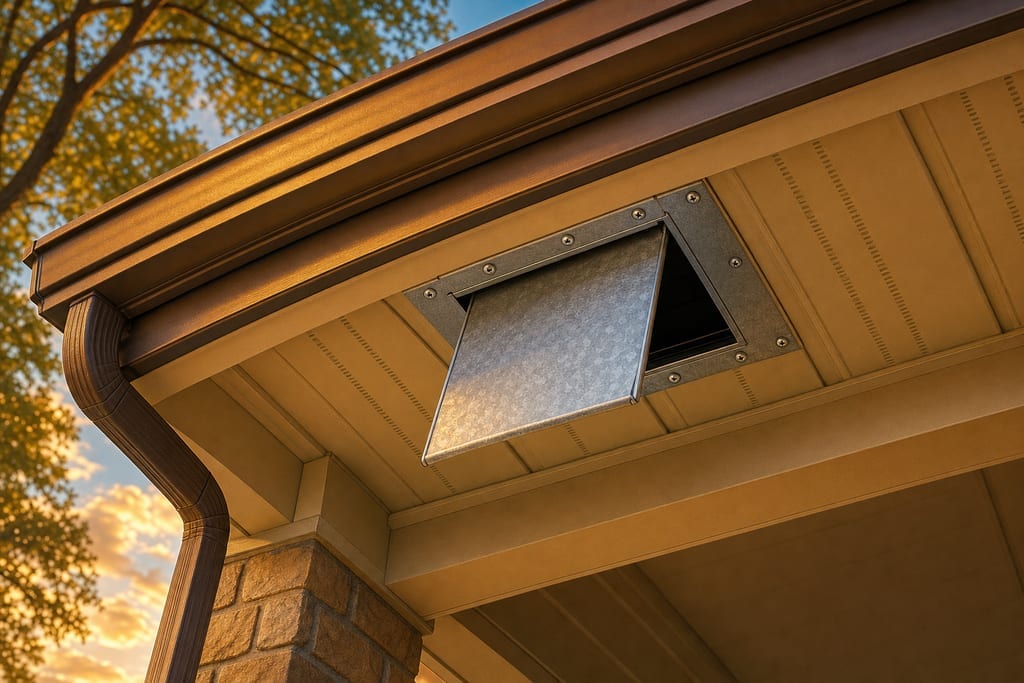
If you want raccoon removal in Fort Worth done right, the animal has to come out and the hole it used has to get closed, or you will be back here again in a few weeks. Raccoons are one of the most common animals Fort Worth homeowners find living in their attics, usually a mother looking for a warm, quiet place to raise her litter. Soffits, roof returns, and gaps around chimneys all give her an easy way in, and once she's settled, she is not leaving on her own.
Trapping the raccoon without fixing the entry point solves the problem for about a week. Another raccoon, possum, or squirrel smells the same opening and moves in behind the first one, so the cycle starts over. Wildlife X Team handles both halves of the job across Fort Worth, Denton, Granbury, and the surrounding towns, removing the animal humanely and then sealing up the spot it used to get in.
Table of Contents
Why Raccoons Keep Choosing Fort Worth Attics
North Texas winters rarely get cold enough to force raccoons into deep dens or slow down their breeding. That means a female raccoon can be scouting for a nesting spot in your attic in January just as easily as in July, instead of only during one short spring window like in colder states.
An attic space, a chimney flue, or a crawl space under a porch all feel like a hollow tree to a raccoon, dark, dry, and raised off the ground. Fort Worth's older roof lines, with their gaps around fascia boards and loose roof returns, give raccoons an easy climb straight up to that kind of space.
Some entry points show up far more often than others on local jobs:
- Roof returns and soffit gaps: found on most attic calls
- Chimney caps missing or damaged: a frequent second entry point
- Crawl space vents with torn screens: common on older homes
- Gaps around roof-mounted plumbing stacks: less common but easy to miss
Seeing how fast a raccoon can turn a small gap into a usable door helps explain why sealing matters as much as removal.
A one-way door lets the raccoon leave on its own schedule without trapping her away from dependent young, then the opening gets closed behind her for good.
Spotting a Raccoon Problem Before It Gets Worse
Noise is usually the first clue. Heavy thumping or a rolling, dragging sound at night points to a raccoon, while lighter scratching during the day is more likely a squirrel moving around before dusk.

Look for torn insulation, a flattened circle where an animal has been bedding down, and dark smudge marks around vents or soffits from fur rubbing the same spot night after night. A strong ammonia smell is a separate warning sign on its own, since it usually means a latrine has formed in one corner of the attic.
- Nighttime thumping or dragging sounds overhead
- Torn or flattened insulation in one concentrated area
- Grease marks or smudges around roof vents and soffits
- A sharp ammonia odor near one section of the attic
- Visible claw marks on fascia boards or roof returns
Catching these signs early keeps repair costs lower and cuts down the time your family is exposed to roundworm and other droppings-related risks. Waiting even a few weeks lets the latrine grow and the insulation damage spread past the original nesting spot.
How Humane Removal Works Without Harming the Animal
Wildlife X Team uses live traps and hand capture, not poison or glue boards, because raccoons in an attic are almost always a mother protecting young rather than a pest looking for food. Technicians check for kits before any opening gets sealed, since closing a hole while a mother is out foraging would trap her young inside and leave her locked out.
A one-way door is often the better tool here, letting the mother leave on her schedule once her litter is old enough to follow. Once the attic is confirmed empty, the raccoons are relocated according to local wildlife rules instead of being euthanized.
- Check the space for kits before touching any entry point
- Use live traps or one-way doors instead of poison
- Relocate adults and young together, never separated
- Confirm the attic is fully clear before sealing begins
Following humane methods also keeps the homeowner on the right side of local wildlife rules, which matters more than people expect once an animal is involved. Killing or abandoning a trapped raccoon can create legal exposure that a licensed, humane process avoids.
Sealing the Attic So Raccoons Can't Come Back
A Wildlife Inspection Report maps every weak point on the roofline, from loose fascia to gaps around plumbing stacks, before any repair work starts. That report is what turns a guess into a real repair list, instead of patching the one hole that happens to be visible from the ground.
Exclusion work typically includes chimney caps, vent guards, foundation repair, and heavy-gauge mesh fitted over any gap wide enough for a raccoon's hand to grip. Wildlife X Team backs this repair work with a renewable lifetime warranty, so the sealing holds up even as a roof ages.
- Chimney cap installed or repaired
- Vent guards fitted over attic and crawl space vents
- Foundation gaps and crawl space vents repaired
- Heavy-gauge mesh secured over former entry points
- Caulking and sealing applied to smaller gaps
Sealing every weak point is what actually breaks the repeat-raccoon cycle, not the removal by itself. A trapped raccoon with an open hole behind it just clears the way for the next animal that smells the same opening.
Cleaning Up the Damage Raccoons Leave Behind
Raccoon droppings can carry roundworm eggs and other pathogens that stay active in dust long after the animal is gone, so professional disinfecting matters more than a quick sweep. Insulation that's been compressed, soiled, or used as bedding gets pulled out and replaced, since matted insulation no longer holds heat the way it should.
The last step is a re-check of every entry point found during the inspection, confirming nothing was missed before the job is called finished. This final pass is also when any smaller gaps that opened up during the cleanup get caulked or sealed.
- Contaminated insulation removed and bagged for disposal
- Affected surfaces disinfected to neutralize roundworm risk
- New insulation installed to restore energy efficiency
- All entry points re-checked and sealed as a final step
Skipping the cleanup step leaves behind odor and waste that can draw another animal back to the same spot within weeks. A raccoon that smells a prior latrine treats it as a sign the space is already a known den.
A Fast Fix Or A Lasting One
A cheap one-time trap job and a full removal-and-seal job are not the same purchase, even if both start with a raccoon in a cage. Mark Thompson's review describes both halves happening together, raccoons removed and the attic secured against future invasions, which is the whole point of paying for exclusion work instead of just a trap rental.
Jerry and Anita S. point to something easy to overlook: being told what needs to happen before any work starts. That matters because attic repairs can range from a single vent guard to a full foundation and chimney job, and a homeowner should know which one they're signing up for before a technician starts cutting mesh.
A renewable lifetime warranty only means something if the company backing it is still around and still answering calls, which is where local presence matters. Coverage across Fort Worth, Denton, Granbury, Southlake, and the smaller towns around them means a technician isn't driving in from three counties away if a seal fails or a new gap opens up next spring.
The trade-off is straightforward. A trap-only service costs less upfront and gets an animal out faster, but it leaves the hole that let the raccoon in untouched. Paying for inspection, removal, and exclusion together costs more at the start and takes longer, but it's the option that actually stops the attic from becoming a den again next season.
Deciding Who Seals the Hole in Your Roofline
You've got two paths from here. Buy a trap, catch the raccoon yourself, and leave the entry point open for the next animal that smells it. Or call a crew that removes the raccoon and closes the gap in the same visit, so there's no window for a second tenant to move in. A raccoon out of the attic with the hole still open isn't a finished job, it's a pause. Wildlife X Team covers removal, exclusion, and cleanup under one renewable warranty, and homeowners in Fort Worth, Denton, and Granbury can get a technician out without sitting on a waiting list for weeks. Call (817) 799-8686 and get the whole job done once.
Raccoon Removal Questions and Answers
Can someone come remove a raccoon from my attic tonight if I hear it right now?
Call (817) 799-8686 and ask what's available. Raccoon calls often get same-day or next-day visits since a mother with young won't wait long before moving again, but a technician still needs daylight to check the attic and confirm there isn't a litter before any trap or one-way door goes up.
Is it dangerous for my family or pets if a raccoon has been living in the attic for weeks?
Yes, the longer it stays the bigger the risk. Droppings can carry roundworm eggs that stay active in dust, and a raccoon that feels cornered near your pets or kids can scratch or bite. Weeks of nesting also means more weight pressing on insulation and ceiling drywall, which raises the odds of a sag or stain forming.
What happens to the raccoon after it's removed from my property?
It gets relocated, not killed. Wildlife X Team follows local wildlife rules for release, and mothers are kept with their kits through the whole process instead of being separated. Euthanizing or abandoning a trapped raccoon on your own can create legal trouble, which is one more reason this part gets left to a licensed crew.
Will my homeowner's insurance help cover raccoon damage or exclusion repairs?
Some policies cover the damage a raccoon causes, like chewed wiring or soaked insulation, but most exclude the cost of removing the animal itself or sealing the entry point, since that falls under maintenance. Call your insurance agent with the inspection report in hand, since that documentation is usually what they ask for before approving a claim.