
Fort Worth Raccoon Removal for Attic Noise, Damage, and Risks
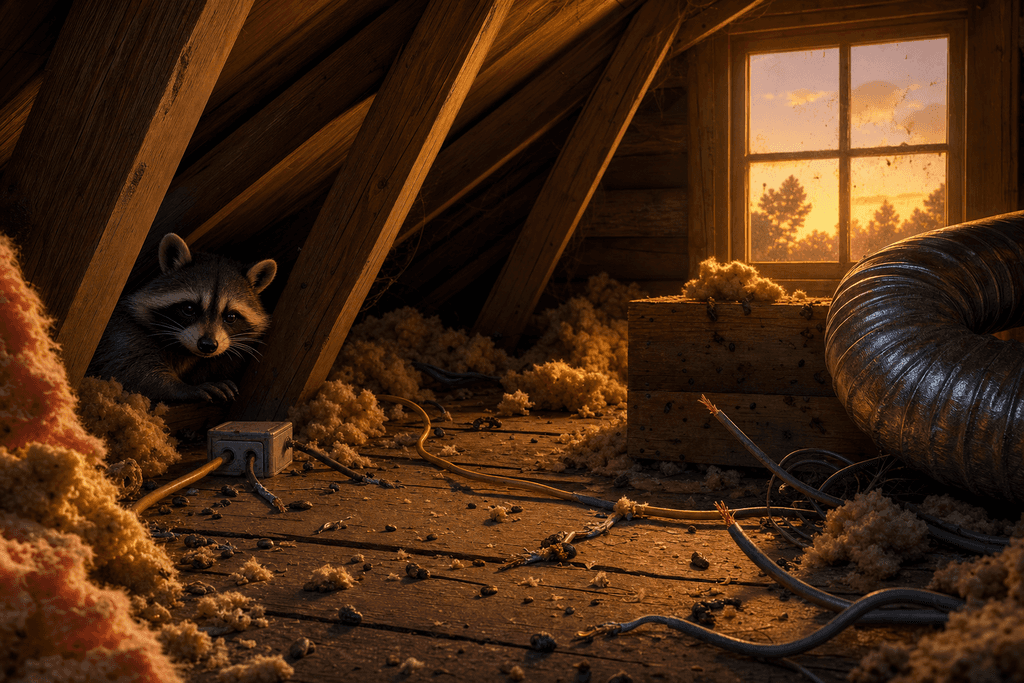
Raccoons can tear through Fort Worth attic insulation, chew electrical wiring, and leave behind contaminated waste in just a few weeks of nesting. Female raccoons especially target attics during spring when they're searching for warm, protected spaces to raise their young. What starts as scratching noises at night quickly becomes thousands of dollars in structural damage if you don't get professional raccoon removal Fort Worth services involved early.
Table of Contents
- Understanding Raccoon Behavior in North Texas
- The Real Cost of Attic Noise and Damage
- Health Risks from Raccoon Infestations
- Professional Removal and Prevention Process
- Why Fort Worth Homeowners Need Professional Help
- Protecting Your Fort Worth Home from Raccoons
- Common Questions About Raccoon Removal
Understanding Raccoon Behavior in North Texas
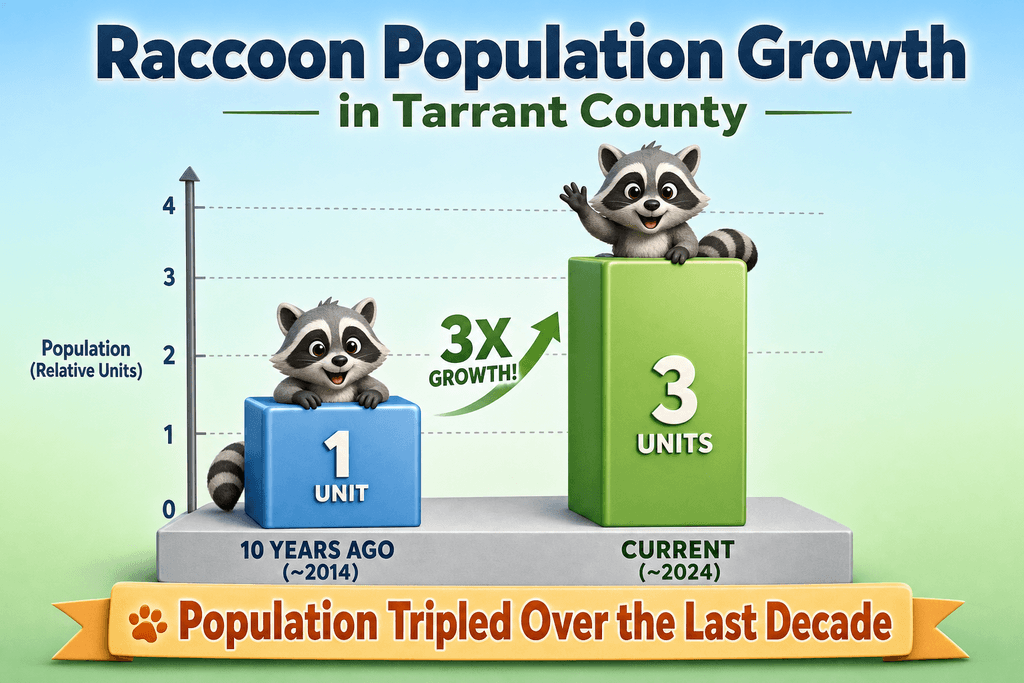
Raccoons in Tarrant County have grown so comfortable around humans that they've basically become unofficial residents of Fort Worth neighborhoods. These masked bandits aren't just passing through - they're actively seeking out attics, crawl spaces, and chimneys to call home. The Dallas-Fort Worth metroplex has seen raccoon populations triple over the past decade, making raccoon removal Fort Worth services more essential than ever for homeowners dealing with unwanted guests.
Why Fort Worth Is Raccoon Paradise
Fort Worth's rapid urban sprawl has created the perfect storm for raccoon activity. As new developments push into previously wild areas, raccoons don't retreat - they adapt. The mix of wooded areas, suburban neighborhoods, and easy access to food sources makes North Texas one of the most raccoon-friendly regions in the country.
Several factors make Fort Worth particularly attractive to these clever creatures:
- Abundant water sources from the Trinity River and numerous creeks throughout Tarrant County
- Mature trees that provide easy access to rooflines and attic entry points
- Mild winters that allow year-round activity and breeding
- Plentiful food from trash bins, pet food, and backyard gardens
Fort Worth Raccoon Statistics: Wildlife control experts estimate there are 15-20 raccoons per square mile in urban Fort Worth areas. Property damage from raccoon infestations averages $2,500-$5,000 per household when factoring in insulation replacement, structural repairs, and cleanup costs.
Seasonal Patterns You Need to Know
Raccoon activity in North Texas follows predictable patterns that every homeowner should understand. Spring brings the biggest headaches as female raccoons search for safe denning sites to raise their young. Your attic looks like a five-star nursery to a pregnant raccoon - it's warm, dry, and protected from predators.
This video shows exactly what homeowners face during emergency raccoon situations. Wildlife X Team responds to these midnight calls regularly across the Fort Worth area, providing humane removal services when raccoons decide your attic is their new home.
The breeding season runs from January through June, with peak activity in March and April. During this time, raccoons become more aggressive about defending their chosen nesting spots. Fall brings another surge as raccoons fatten up for winter and seek warm shelter.
How Raccoons Break Into Your Home
Raccoons don't need much of an invitation to move in. A gap the size of a softball is all it takes for an adult raccoon to squeeze through. Their nimble paws can tear off shingles, pry open vents, and rip through weakened wood like it's cardboard.
Common entry points include:
- Roof vents and exhaust fans that aren't properly secured
- Damaged or missing soffit panels along the roofline
- Chimney caps that are broken or never installed
- Gaps where different roofing materials meet
- Attic vents with flimsy screening
Once inside, raccoons cause serious damage fast. They tear up insulation to make nests, leave droppings that carry diseases, and their constant movement can damage electrical wiring. The longer they stay, the worse it gets.
Population Density Alert: Tarrant County animal control reports handling over 3,000 raccoon-related calls annually. However, this represents only a fraction of actual infestations, as many homeowners attempt DIY removal or hire private services like Wildlife X Team for professional raccoon removal Fort Worth solutions.
The North Texas Raccoon Advantage
North Texas raccoons have adapted to urban life better than almost anywhere else in the country. They've learned to avoid peak human activity hours, navigate complex roof structures, and even remember which houses have the easiest access points. Some wildlife experts believe Fort Worth raccoons are actually getting smarter with each generation.
The lack of natural predators in suburban areas means raccoon populations keep growing. Coyotes occasionally hunt raccoons in rural areas, but inside city limits, these masked raiders face few threats. This has led to bolder behavior and increased home invasions across the metroplex.
The Real Cost of Attic Noise and Damage
Raccoons can destroy an attic faster than most homeowners realize. What starts as scratching sounds at night quickly turns into thousands of dollars in repairs. These masked bandits don't just make noise. They tear through insulation like it's cotton candy, rip apart roof decking to create bigger entry points, and leave contamination that spreads throughout your home. The damage compounds every day they stay in your attic, and waiting to address the problem only makes things worse.

The most immediate problem is torn insulation that reduces energy efficiency and sends your utility bills climbing. Raccoons shred insulation to build nests, compress it with their weight, and soak it with urine. Once that happens, your heating and cooling system works overtime to maintain comfortable temperatures.
- Structural damage to roof decking, beams, and electrical wiring creates serious safety hazards
- Contamination from urine and feces seeps into wood and drywall, creating persistent odors and health risks
- Secondary pest infestations from raccoon parasites like fleas, ticks, and mites spread throughout your home
- Chewed electrical wiring increases fire risk significantly
Fort Worth homeowners typically face repair costs ranging from $2,000 to $8,000 for raccoon damage, depending on how long the animals lived in the attic. Minor infestations caught early might only require basic cleanup and exclusion work. Severe cases need complete insulation replacement, structural repairs, and extensive decontamination. The Wildlife X Team at 11833 Katy Rd in Keller has seen attics where raccoons lived for months, causing damage that required nearly complete restoration.
Health Risks from Raccoon Infestations
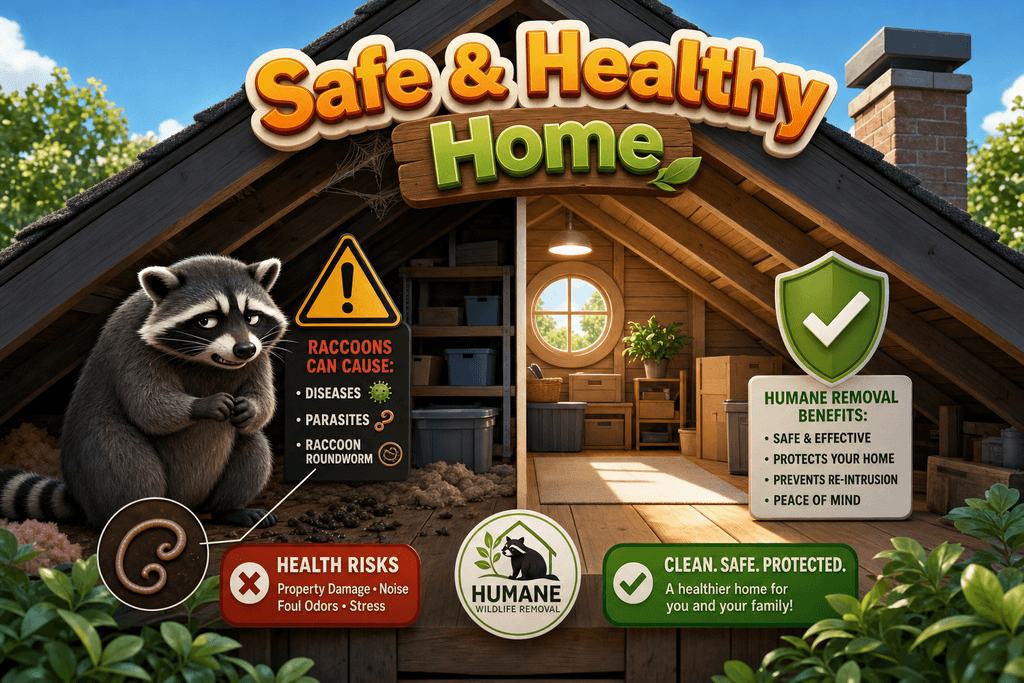
The health dangers from raccoons in your attic go way beyond the mess they create. These animals carry diseases that can seriously harm your family and pets. Raccoon roundworm is one of the most dangerous parasites they spread, and it lives in their feces for years even after the raccoons are gone. Kids and pets are especially vulnerable because the microscopic eggs can become airborne when disturbed during cleanup attempts.
This video explains what to look for and the real risks involved with raccoons in your attic. Rabies risk is another serious concern, especially since raccoons are one of the primary rabies carriers in Texas. They can act aggressive when cornered or protecting their young, which is why approaching them yourself is dangerous.
Other diseases spread through raccoon infestations include:
- Histoplasmosis from contaminated droppings causes severe respiratory infections
- Leptospirosis transmission through urine leads to kidney damage and liver failure
- Respiratory issues from contaminated insulation affect anyone breathing air that passes through the attic
- Bacterial infections from bites or scratches during encounters
DIY removal increases health exposure dramatically because homeowners don't have proper protective equipment or training. Disturbing nesting areas releases pathogens into the air. Trapping raccoons without experience often results in bites or scratches. Professional removal teams use respirators, protective suits, and proper decontamination protocols that keep everyone safe.
Professional Removal and Prevention Process
Getting raccoons out of your attic permanently takes more than just setting a trap. The process starts with understanding exactly how they got in, where they're nesting, and what damage already exists. Wildlife X Team's approach begins with their Wildlife Inspection Report®, which identifies all entry points and assesses the full scope of damage. This inspection covers your roof, soffits, vents, chimneys, and foundation because raccoons are surprisingly good at finding weak spots.
The removal itself uses humane trapping methods that comply with Texas regulations. This matters because improper removal can separate mother raccoons from babies, leaving young animals to die in your walls. Professional teams know the breeding seasons and check for dependent young before removing adults.
- Complete inspection identifies every entry point and damage area
- Humane trapping removes all raccoons safely
- Full attic cleanup removes contaminated materials
- Decontamination kills pathogens and eliminates odors
- Damaged insulation gets replaced to restore energy efficiency
- All entry points get sealed with durable materials
The complete attic cleanup and decontamination process removes all traces of the infestation. This includes hauling out soiled insulation, treating surfaces with antimicrobial solutions, and eliminating the scent markers that attract new raccoons. Insulation replacement and restoration services bring your attic back to proper condition, which also helps your energy bills return to normal.
Animal proofing and exclusion techniques provide permanent protection against future invasions. This includes installing heavy-gauge screens over vents, adding chimney caps, repairing damaged soffits, and sealing gaps in your roofline. These aren't temporary fixes. The materials and methods used are designed to last for years. Wildlife X Team backs this work with a Renewable Lifetime Warranty, which means if raccoons find a way back in through their exclusion work, they'll return to fix it at no additional cost.
Homeowners throughout Fort Worth, Denton, Granbury, and surrounding areas have dealt with raccoon problems that seemed impossible to solve. The difference between a temporary fix and permanent solution comes down to addressing every part of the problem, from removal through prevention. That's what separates professional raccoon removal Fort Worth services from quick fixes that leave you vulnerable to the next invasion.
Why Fort Worth Homeowners Need Professional Help
Most people don't realize that Texas law actually restricts how you can handle raccoon removal, making DIY attempts not just risky but potentially illegal. The Texas Parks and Wildlife Department requires specific permits for trapping and relocating raccoons, and improper handling can result in fines up to $500. Beyond the legal headaches, trying to remove raccoons yourself from tight attic spaces puts you face-to-face with animals that can carry rabies, roundworm parasites, and other diseases. One scratch or bite in a cramped attic could mean expensive medical treatment and weeks of worry.
The biggest mistake Fort Worth homeowners make is thinking they've solved the problem when they've only addressed part of it. You might seal one obvious hole, but raccoons are smart enough to find the three other entry points you missed.
The Hidden Costs of Going It Alone
When you add up the real expenses of DIY raccoon removal fort worth attempts, the numbers tell a different story than most people expect. Here's what homeowners typically spend trying to fix the problem themselves:
- Traps and bait materials ranging from $50-150 that often catch the wrong animals
- Hardware store supplies for sealing entry points that raccoons tear through within days
- Replacement insulation and repairs after missing contaminated areas
- Multiple trips to buy more supplies when the first attempt fails
- Time off work to deal with ongoing issues that weren't fully resolved
Professional raccoon removal fort worth services actually cost less in the long run because they handle everything correctly the first time. Wildlife X Team's approach includes finding every entry point, removing all animals safely, cleaning contaminated areas properly, and sealing your home against future invasions.
What Makes Professional Removal Different
The success rate gap between DIY and professional removal is huge. While homeowners might successfully remove one raccoon, they rarely prevent the next family from moving in weeks later.
- Professionals identify structural vulnerabilities you can't see from inside your attic
- Trained technicians know raccoon behavior patterns and seasonal nesting habits
- Proper equipment reaches areas homeowners can't safely access
- Complete attic restoration prevents health hazards from lingering contamination
Wildlife X Team's renewable lifetime warranty means you're protected long-term, not just until the next raccoon shows up. Their Fort Worth teams have handled thousands of cases, with most customers reporting zero recurring issues. Compare that to the typical DIY scenario where homeowners end up calling professionals anyway after spending money and time on failed attempts.
Protecting Your Fort Worth Home from Raccoons
Dealing with raccoons in your attic isn't something you want to put off until tomorrow. The longer these animals stay in your home, the more damage they cause to insulation, wiring, and structural components. Plus, the health risks from their droppings and urine only get worse with time. What starts as a few scratching sounds can turn into thousands of dollars in repairs if you wait too long.
Getting professional help means the problem gets fixed right the first time. Wildlife X Team handles raccoon removal fort worth properties need by finding every entry point, not just the obvious ones. Our team serves the entire Fort Worth area, including Keller, Denton, Granbury, and surrounding communities from our location at 11833 Katy Rd in Keller, TX.
The difference between a quick fix and a permanent solution comes down to the details. Some companies just trap the raccoon and leave, but that doesn't stop new ones from moving in next week. Our approach includes removal, cleanup, and making sure your attic stays raccoon-free with proper exclusion work.
If you're hearing noises in your attic or notice damage around your roofline, the problem probably won't fix itself. You can reach us at (817) 799-8686 to schedule an inspection. The sooner you address it, the less damage you'll have to deal with later.
Still have questions about how the removal process works or what to expect during an inspection? The answers below cover the most common concerns homeowners have about raccoon problems.
Common Questions About Raccoon Removal
Dealing with raccoons in your attic brings up a lot of questions, especially if it's your first time facing this problem. Most Fort Worth homeowners want to know what to expect before they call for help. Here are the answers to the most common questions we hear about raccoon removal and what happens after the animals are gone.
How quickly can raccoons be removed from an attic?
Most raccoon removal projects start the same day or within 24 hours of your call, depending on the situation. The actual removal process typically takes a few days to a week because raccoons need to be humanely trapped and relocated, and we need to make sure we've gotten all of them out. If there are baby raccoons involved, the timeline might be a bit longer since they require special handling.
What does raccoon removal cost in Fort Worth?
The cost varies based on how many raccoons you have, where they're getting in, and how much damage they've caused. Most Fort Worth raccoon removal services charge between $300 and $600 for basic removal, but that can go up if you need extensive repairs or attic restoration. Wildlife X Team provides a detailed inspection report upfront so you know exactly what you're dealing with before any work begins.
Are baby raccoons handled differently than adults?
Yes, baby raccoons require a completely different approach. Separating babies from their mother can be dangerous and inhumane, so professionals wait until the babies are old enough to leave with their mother or use special techniques to keep the family together during removal. This is one reason why DIY raccoon removal often backfires and why working with experienced wildlife removal experts matters.
How long does attic restoration take after removal?
Attic cleanup and restoration usually takes one to three days after the raccoons are gone. This includes removing contaminated insulation, disinfecting the space, sealing entry points, and installing new insulation if needed. The timeline depends on how long the raccoons were living there and how much damage they caused.
What prevents raccoons from returning after removal?
Professional exclusion work is what keeps raccoons from coming back. This means sealing every possible entry point with materials raccoons can't chew through, installing vent guards, and repairing any foundation gaps. Wildlife X Team offers a renewable lifetime warranty on their exclusion work, which means if raccoons find a way back in through a sealed area, they'll fix it at no extra cost.
Does homeowners insurance cover raccoon damage?
Most standard homeowners insurance policies don't cover wildlife damage or removal costs because it's considered a maintenance issue. However, some policies might cover damage that happens suddenly, like if a raccoon tears through your roof during a storm. It's worth checking with your insurance company, but most Fort Worth homeowners end up paying for raccoon removal and repairs out of pocket.