
Environmentally Friendly Pest Control: Sustainable Solutions for Texas

Armadillos digging up your lawn at midnight and raccoons treating your attic like a vacation rental are becoming the new normal for Texas homeowners as wildlife populations push deeper into suburban neighborhoods. Traditional pest control methods that rely on harsh chemicals and lethal traps are losing favor fast because they damage local ecosystems and put family pets at risk. Wildlife X Team offers humane removal and prevention services that protect both your property and the animals, giving you a solution that actually works with nature instead of against it.
Table of Contents
- The Environmental Cost of Traditional Pest Control
- Natural Deterrents That Actually Work
- Humane Removal Methods for Common Texas Wildlife
- Restoration Without Harmful Chemicals
- Long-Term Benefits of Sustainable Wildlife Management
- Making the Switch to Sustainable Solutions
- Common Questions About Eco-Friendly Pest Control
The Environmental Cost of Traditional Pest Control
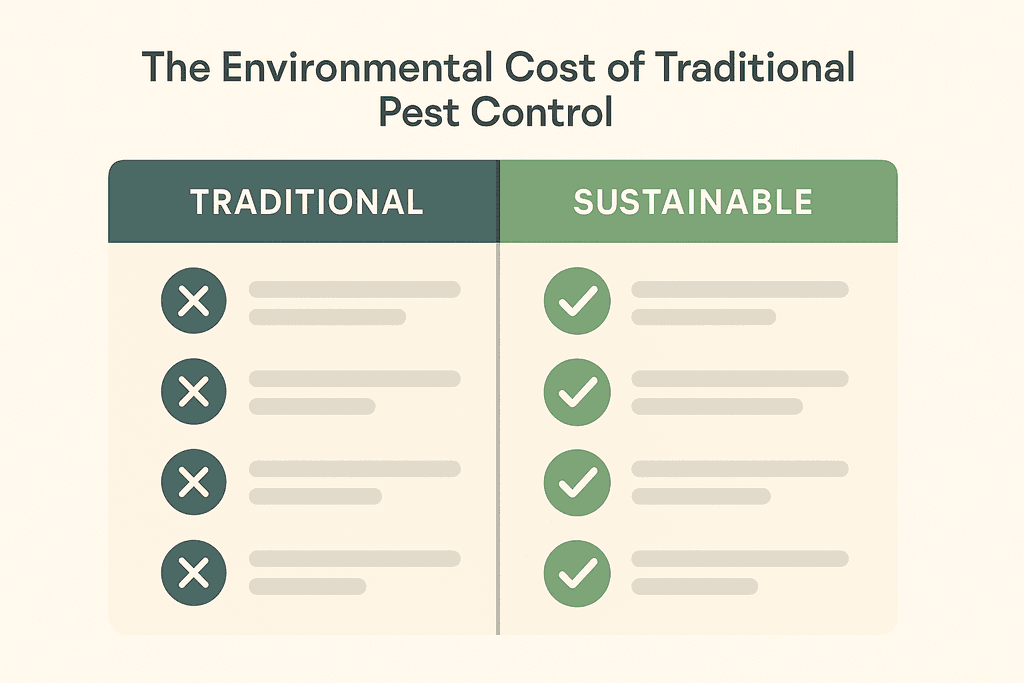
Every year, Texas homeowners and businesses use over 50 million pounds of chemical pesticides to deal with unwanted critters. That's a lot of poison going into our soil, water, and air. Most people don't think twice about calling an exterminator when they spot a raccoon in the attic or squirrels in the walls. But the methods used by many traditional pest control companies can cause serious problems that stick around long after the animals are gone.
How Chemicals Hurt Texas Ecosystems
Chemical pesticides don't just disappear after they're used. They seep into the ground and eventually make their way into our water supply. In Texas, where we already deal with drought conditions, contaminated groundwater becomes an even bigger issue.
Here's what happens when these chemicals spread through the environment:
- Pesticides wash into creeks and rivers during rainstorms, killing fish and other aquatic life
- Soil contamination makes it harder for native plants to grow properly
- Beneficial insects like bees and butterflies die off, affecting pollination
- Pets and children playing in treated yards can get sick from chemical exposure
The Texas Parks and Wildlife Department has documented declining populations of several native species in areas where chemical pest control is heavily used. It's not just about the target animals anymore.
This video shows how eco-friendly pest control methods work in practice, offering a glimpse at what sustainable wildlife management looks like.
The Problem with Lethal Traps
Poison baits and kill traps create their own set of problems. When a poisoned rodent dies, it doesn't just disappear. Hawks, owls, and other predators eat these poisoned animals and get sick themselves. This disrupts the entire food chain in ways that can take years to fix.
Traditional lethal methods also cause these issues:
- Non-target animals like pets and protected species get caught in traps
- Dead animals in walls and crawl spaces create health hazards and terrible smells
- Wildlife populations become unbalanced when natural predators are removed
Companies like Terminix and other major pest control services have historically relied on these methods. But the long-term damage often costs more than the initial problem.
Texas Regulations Are Changing
State and local governments across Texas are starting to require more humane approaches to wildlife management. New regulations in cities like Fort Worth and Denton now favor exclusion and prevention over extermination. This shift reflects growing awareness about environmental protection and animal welfare.
The changes include:
- Stricter licensing requirements for pest control operators
- Mandatory reporting of chemical pesticide use in residential areas
- Incentives for companies that use humane removal methods
- Fines for businesses that violate wildlife protection laws
At Wildlife X Team, we've been ahead of this curve for years. Our humane removal and prevention services protect both your property and the local ecosystem without relying on harmful chemicals or lethal methods.
Property Values and Environmental Damage
Here's something most homeowners don't realize: environmental damage from pest control can actually lower your property value. Real estate inspections now often include soil testing, and contaminated properties can be harder to sell. Buyers are getting smarter about asking questions regarding past pest control methods.
The financial impact shows up in several ways:
- Soil remediation costs can run into thousands of dollars
- Insurance companies may charge higher premiums for properties with contamination history
- Dead zones in yards where grass won't grow reduce curb appeal
- Disclosure requirements mean you have to tell potential buyers about chemical treatments
Sustainable pest control methods avoid all these problems. They focus on keeping animals out in the first place rather than dealing with them after they've moved in. This approach protects your investment while also being better for Texas wildlife and ecosystems.
Natural Deterrents That Actually Work
Texas homeowners spend thousands of dollars each year dealing with wildlife problems that could have been prevented in the first place. The good news is that keeping critters out doesn't require harsh chemicals or methods that harm animals. Physical barriers and exclusion techniques work better than any spray or poison you'll find at the hardware store. When you understand what attracts wildlife to your property and how they get inside, prevention becomes pretty straightforward.
Natural Deterrents That Actually Work
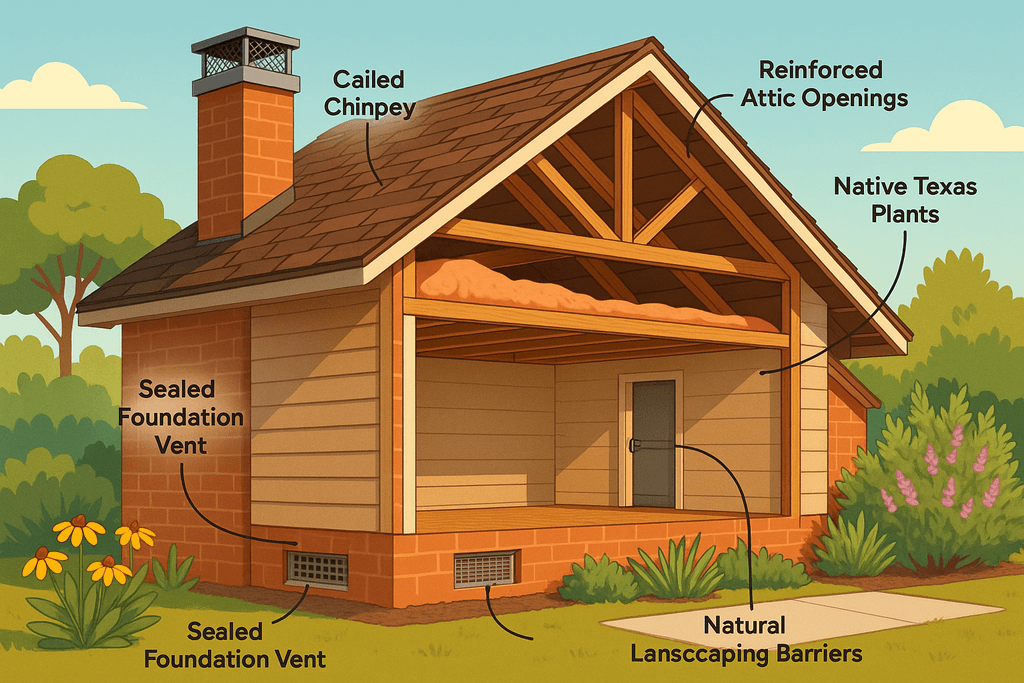
Most wildlife enters homes through surprisingly small openings. Raccoons only need four inches of space, while mice can squeeze through holes the size of a dime. Professional inspection identifies vulnerabilities before problems start, which is exactly why our Wildlife Inspection Report® examines every potential entry point around your property.
- Seal gaps around pipes, vents, and utility lines with steel mesh or hardware cloth
- Install chimney caps and vent guards to block common entry routes
- Repair damaged soffits, fascia boards, and foundation cracks
- Trim tree branches at least six feet away from your roofline
- Remove outdoor food sources like unsecured garbage and pet food
Natural repellents using scents and sounds can add an extra layer of protection once physical barriers are in place. Certain smells like peppermint oil, ammonia-soaked rags, or predator urine make spaces less appealing to wildlife. Motion-activated sprinklers and ultrasonic devices create an environment animals prefer to avoid.
The truth is that habitat modification removes attractants more effectively than trying to chase animals away after they've already moved in. Keep your yard clean, secure trash in metal bins with tight lids, and eliminate standing water sources. Long-term prevention is more cost-effective than repeated removal, saving homeowners an average of 60% compared to dealing with recurring infestations.
Humane Removal Methods for Common Texas Wildlife
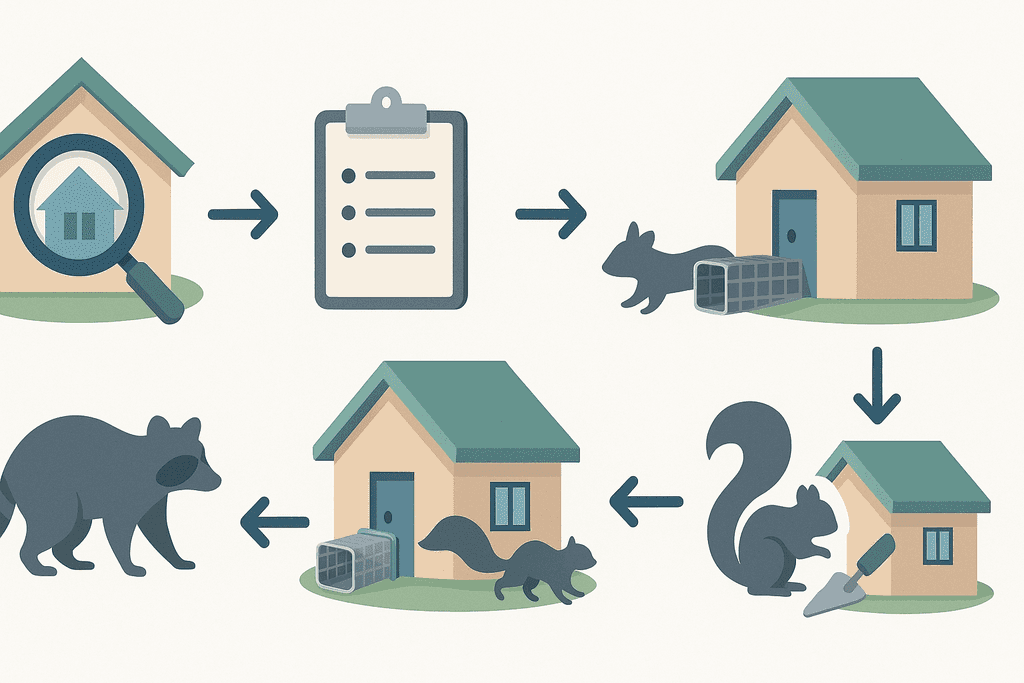
When wildlife does make it inside your home, the removal method matters just as much as getting them out. Traditional pest control often relies on traps that cause stress or injury to animals, but there are better ways. One-way exclusion doors allow animals to leave but not return, which means the wildlife removes itself without any trauma. This approach works especially well for raccoons and squirrels that have taken up residence in attics or crawl spaces. The animal simply walks out through the door during its normal activity, then finds the entrance sealed when it tries to come back.
Humane Removal Methods for Common Texas Wildlife
Here's what many homeowners don't realize about wildlife removal. Timing removal around breeding seasons protects young animals that might be left behind when a mother is trapped. In Texas, most wildlife breeds between March and August, so removal during these months requires extra care to avoid orphaning babies.
Live trapping and relocation follows Texas wildlife regulations, which vary depending on the species and location. Some animals like raccoons and skunks require permits for relocation, while others must be released on the same property. Our team handles all the legal requirements so homeowners don't have to navigate complicated wildlife laws.
- Squirrels respond best to exclusion doors placed at active entry points
- Raccoons need larger, more secure exclusion devices due to their strength
- Opossums typically leave on their own once food sources are removed
- Bats require specialized exclusion timing to comply with federal protection laws
Species-specific approaches ensure safety for different wildlife types because what works for a squirrel won't work for a raccoon. Each animal has different behaviors, strength levels, and legal protections. Professional expertise prevents injury to both animals and property owners, especially when dealing with potentially aggressive wildlife or animals that might carry diseases. Companies like Terminix and others in the Dallas-Fort Worth area offer wildlife services, but not all prioritize humane methods or provide the comprehensive prevention strategies that stop future problems.
Restoration Without Harmful Chemicals
Once wildlife leaves your home, the real work begins. Animals leave behind more than just a mess. Their droppings, urine, and nesting materials can contain harmful bacteria, parasites, and pathogens that linger long after the animals are gone. Traditional cleaning methods often involve harsh chemicals that create their own health risks, especially in enclosed spaces like attics. Eco-friendly disinfectants eliminate pathogens without toxic residue, using plant-based enzymes and natural antimicrobial compounds that break down organic waste safely. These products work just as effectively as chemical cleaners but won't contaminate your home's air quality or leave dangerous residues where children and pets spend time.
Damaged insulation is one of the biggest problems wildlife creates. Animals compress, soil, and destroy insulation, which reduces its effectiveness and creates health hazards. Proper insulation replacement improves energy efficiency while removing contaminated materials that can't be safely cleaned.
Our attic cleanup and restoration service uses biodegradable cleaning products that protect groundwater and local ecosystems. When cleaning solutions wash away, they break down naturally instead of introducing toxins into the soil and water supply. This matters more in Texas than many people realize, since our state sits above major aquifers that supply drinking water to millions of residents.
- Remove all contaminated insulation and nesting materials
- Clean and disinfect all surfaces with eco-friendly antimicrobial solutions
- Seal entry points with durable, non-toxic materials
- Install new insulation that meets current energy efficiency standards
- Dispose of waste materials at approved facilities
Safe waste disposal prevents environmental contamination because wildlife waste can't just go in your regular trash. It requires proper handling and disposal at facilities equipped to process biological hazards. Green restoration methods maintain indoor air quality throughout the entire cleanup process, using HEPA filtration and proper ventilation to keep harmful particles from spreading through your home. The result is a space that's not just clean, but actually healthier than it was before the wildlife problem started.
Long-Term Benefits of Sustainable Wildlife Management
Texas homeowners spend an average of $400-$600 per year dealing with recurring pest problems when using traditional chemical treatments. The reason is simple: conventional methods focus on eliminating the current problem without addressing why animals keep coming back in the first place. Sustainable wildlife management takes a different approach by identifying and sealing entry points, removing attractants, and creating barriers that prevent future invasions. This means you're not calling for help every few months when the same raccoons or squirrels find their way back into your attic. Wildlife X Team's approach combines humane removal with comprehensive exclusion services that tackle the root cause rather than just treating symptoms.
Economic Advantages for Property Owners
The financial benefits of choosing eco-friendly pest control extend well beyond the initial service call. While traditional exterminators might charge less upfront, the costs add up quickly when you need repeated treatments every season.
- Prevention-based services eliminate the need for quarterly or monthly pest control contracts
- Property values increase by 3-5% when homes have documented wildlife exclusion systems
- Insurance claims for wildlife damage decrease significantly with proper prevention measures
- Energy efficiency improves when entry points around vents and foundations are properly sealed
The renewable lifetime warranty offered by Wildlife X Team means you're protected against future invasions without additional service fees. Compare this to traditional pest control companies that require ongoing contracts with no guarantee of permanent results.
Health and Safety Considerations
Chemical pesticides leave residues that linger in your home for weeks or months after application. These substances can trigger respiratory issues, skin irritation, and other health problems, especially for children and pets who spend time close to floors and surfaces.
- Eco-friendly methods eliminate exposure to toxic chemicals and harmful fumes
- Reduced risk of contamination in food preparation areas and living spaces
- No need to evacuate your home during or after treatment
- Safe for households with young children, elderly residents, and pets
Comparing Sustainable Versus Traditional Approaches
Understanding the real differences between these methods helps Texas homeowners make informed decisions about protecting their properties.
Sustainable Wildlife Management Benefits:
- Permanent solutions through exclusion and habitat modification
- No chemical exposure or environmental contamination
- Addresses root causes rather than symptoms
- Complies with Texas wildlife protection regulations
- One-time investment with long-term protection
Traditional Pest Control Considerations:
- Requires repeated applications and ongoing contracts
- Chemical residues remain in living spaces
- May violate local wildlife protection ordinances
- Doesn't prevent new animals from entering
- Higher cumulative costs over time
Regulatory Compliance in Texas
Texas has been updating environmental regulations to protect native wildlife species and reduce chemical pesticide use near residential areas. Many traditional pest control methods that were acceptable five years ago now face restrictions or require special permits. Humane exclusion methods align with these evolving standards and protect homeowners from potential fines or legal issues. Companies like Wildlife X Team stay current with Texas Parks and Wildlife Department guidelines, ensuring all removal and prevention work meets state requirements while protecting both your property and local ecosystems.
Making the Switch to Sustainable Solutions
Protecting your Texas home from wildlife doesn't mean you have to harm the environment or the animals themselves. The eco-friendly methods we've covered work better for long-term results because they address the root causes instead of just treating symptoms. When you focus on prevention and humane removal, you're not just solving today's problem but stopping future ones from happening.
Most homeowners don't realize that sustainable pest control actually saves money over time. Chemical treatments need constant reapplication, while proper exclusion work and habitat modification last for years. Plus, your property value stays protected when you avoid the damage that comes from repeated wildlife invasions or harsh chemical treatments.
The tricky part is knowing which entry points to seal and how to do it right. That's where professional services like Wildlife X Team come in, offering humane removal along with prevention strategies that keep animals out for good. We handle everything from initial inspection to attic restoration, all while using methods that won't harm your family, pets, or the local ecosystem.
Texas wildlife isn't going anywhere, so learning to coexist with it makes more sense than fighting a losing battle. The right approach protects both your home and the animals that were just looking for shelter. You might still have questions about specific situations or how these methods work in practice, which is perfectly normal when you're trying to make the best choice for your property.
Common Questions About Eco-Friendly Pest Control
Texas homeowners dealing with wildlife problems often wonder if humane methods actually work as well as traditional approaches. The good news is that eco-friendly pest control has come a long way, and many people find it works better in the long run. Here are the most common questions we hear about sustainable wildlife removal and what you need to know before choosing a solution for your home.
How effective are eco-friendly methods compared to traditional pest control?
Eco-friendly wildlife removal methods are just as effective as traditional approaches, and often more so for long-term results. While extermination only addresses the current problem, humane methods like exclusion and prevention stop wildlife from returning in the first place. Wildlife X Team uses comprehensive inspection and animal-proofing techniques that seal entry points and eliminate the root cause, which means you won't face the same problem again next season.
Is humane wildlife removal more expensive than extermination?
The upfront cost might be slightly higher, but humane removal saves money over time because it includes prevention services. When you only exterminate, animals keep coming back and you pay for repeated treatments. Sustainable solutions include sealing entry points, installing barriers, and making repairs that protect your home permanently. Many companies like Wildlife X Team even offer renewable lifetime warranties, so you're covered if any issues arise down the road.
How long do sustainable pest control solutions last?
Professional eco-friendly solutions typically last for years when done correctly. The key is proper exclusion work, which means sealing all potential entry points with durable materials that wildlife can't chew through or push aside. Quality repairs to foundations, chimneys, vents, and other vulnerable areas should hold up indefinitely with minimal maintenance.
What wildlife species can be removed humanely in Texas?
Most common Texas wildlife can be removed using humane methods, including raccoons, squirrels, opossums, bats, and rodents. Each species requires different techniques based on their behavior and biology. For example, squirrels need one-way doors that let them exit but not re-enter, while raccoons might require more extensive exclusion work since they're stronger and more persistent.
Do eco-friendly methods work for commercial properties?
Yes, sustainable wildlife control works extremely well for businesses and can actually be more important than for homes. Commercial properties face stricter health codes and liability concerns, so humane removal methods that include thorough cleanup and prevention help businesses stay compliant. Restaurants, warehouses, and office buildings all benefit from eco-friendly approaches that protect their reputation and avoid recurring problems.
How quickly can sustainable solutions resolve wildlife problems?
Most humane wildlife removal projects start immediately and finish within a few days to a week, depending on the severity. The removal itself happens quickly, but the real value comes from the prevention work that follows. Some companies can even begin work the same day you call, especially if you're dealing with an urgent situation like animals in your living space.