Effective Pest Management: Long-Term Solutions for Texas Properties
You patch a hole in your roof where raccoons got in, and two weeks later you hear scratching in a different corner of your attic. Most Texas homeowners learn the hard way that wildlife problems don't disappear with quick fixes because our warm climate keeps animals active all year long. Wildlife X Team's comprehensive approach addresses not just the current invasion but also prevents future ones, which is why understanding long-term pest management matters for protecting your property and your wallet.
Table of Contents
- Understanding Texas Wildlife Behavior Patterns
- Professional Inspection and Vulnerability Assessment
- Exclusion and Animal Proofing Strategies That Last
- Cleanup, Restoration, and Preventing Health Hazards
- Warranty Protection and Ongoing Monitoring
- Why Comprehensive Approaches Outperform Quick Fixes
- Protecting Your Texas Property for the Long Haul
- Common Questions About Long-Term Pest Management
Understanding Texas Wildlife Behavior Patterns
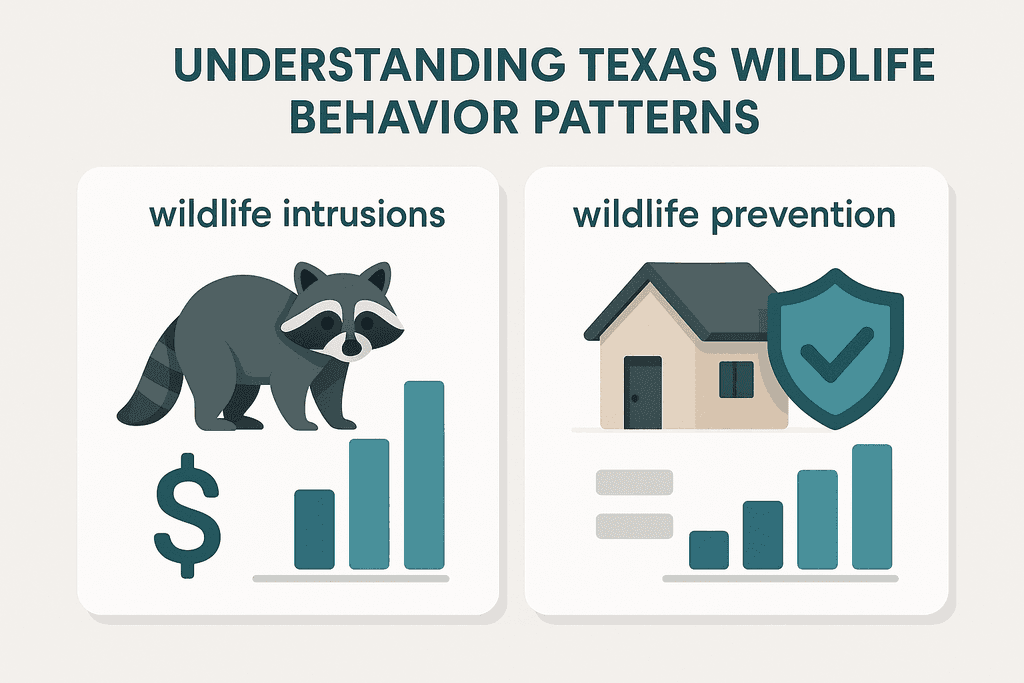
Texas properties face wildlife intrusions at rates nearly three times higher than the national average, with the Dallas-Fort Worth area ranking among the top five metro regions for animal-related home damage claims. The unique climate and rapid urban expansion in Texas create perfect conditions for wildlife to seek shelter in residential and commercial buildings. As natural habitats shrink, animals like raccoons, squirrels, and opossums adapt quickly to living alongside humans. These creatures don't just pass through—they move in, raise families, and cause thousands of dollars in damage before most property owners even realize there's a problem.
Common Wildlife Species in North Texas
The Dallas-Fort Worth region hosts several wildlife species that regularly invade properties. Each animal brings its own set of challenges and damage patterns that property owners need to understand.
- Raccoons are the most destructive, tearing through roof vents and soffit areas to access attics where they create latrines that contaminate insulation
- Squirrels chew through electrical wiring and wooden beams, causing fire hazards and structural damage that can cost $3,000 to $8,000 to repair
- Opossums typically enter through foundation gaps and crawl spaces, bringing parasites and creating unsanitary conditions beneath homes
- Rats and mice multiply rapidly once inside, with a single pair producing up to 2,000 offspring in just one year
- Bats form colonies in attics during summer months, leaving behind guano that poses serious health risks to residents
Seasonal Invasion Patterns
Wildlife behavior follows predictable seasonal patterns that directly impact when properties become most vulnerable to intrusions. Understanding these cycles helps property owners prepare for high-risk periods throughout the year.
Spring brings the breeding season when animals desperately search for safe nesting sites. Female raccoons and squirrels become aggressive in their search for attic spaces to raise their young. Summer heat drives animals to seek cooler indoor environments, while fall triggers preparation behavior as wildlife stockpiles food and secures winter shelter.
- March through May sees the highest number of attic invasions as animals prepare nests for spring babies
- June through August drives animals indoors seeking relief from Texas heat that regularly exceeds 100 degrees
- September through November marks peak activity as animals gather resources and secure winter homes
- December through February shows reduced but persistent activity from animals already established in structures
Why DFW Properties Are Prime Targets
The Dallas-Fort Worth metroplex creates ideal conditions for wildlife conflicts through a combination of geographic and development factors. Urban sprawl eliminates natural habitats faster than animals can adapt, forcing wildlife into closer contact with human structures.
Older neighborhoods built before modern exclusion standards have numerous entry points that animals exploit easily. The Trinity River corridor and surrounding green spaces serve as wildlife highways leading directly into residential areas. Many DFW properties feature large trees close to rooflines, providing convenient access points for climbing animals.
- Properties within two miles of wooded areas or water sources face 60% higher intrusion rates than other locations
- Homes built before 1990 typically lack proper vent screening and foundation sealing that newer construction includes
- Commercial properties near restaurant districts attract rodents and raccoons seeking easy food sources in dumpsters
- The region's mild winters allow year-round wildlife activity unlike northern states where cold reduces animal movement
Reactive Versus Proactive Cost Comparison
Property owners face a critical choice between waiting for problems to develop or investing in prevention upfront. The financial difference between these approaches becomes clear when comparing actual costs over time, and the numbers tell a story that most people don't expect until they're facing an emergency removal situation.
One-time removal services typically cost between $300 and $800 depending on the animal and access difficulty. However, without proper exclusion work, the same property often experiences repeat invasions within six months. Wildlife X Team's comprehensive approach includes removal, exclusion, and cleanup with a renewable lifetime warranty, addressing the root cause rather than just the immediate symptom.
| Approach | Initial Cost | 3-Year Total Cost | Warranty Coverage | Typical Outcomes |
|---|---|---|---|---|
| One-Time Removal Only | $300 - $800 | $1,200 - $3,500 | None or 30 days | Multiple return visits, ongoing damage, no prevention |
| Basic Removal Plus Entry Sealing | $800 - $1,500 | $1,000 - $2,200 | 90 days to 1 year | Reduced repeat issues, limited coverage, possible new entry points |
| Comprehensive Prevention Program | $1,500 - $3,000 | $1,500 - $3,200 | Renewable lifetime | Complete protection, no repeat invasions, property value maintained |
The reactive approach seems cheaper initially but costs significantly more over time through repeated service calls and accumulated property damage. Insulation replacement alone can run $2,000 to $5,000 after wildlife contamination, while electrical repairs from chewed wiring average $1,500 per incident.
- Emergency removal services charge premium rates, often 40% to 60% higher than scheduled prevention work
- Property damage accumulates silently for months before discovery, with average repair costs reaching $4,200 by the time owners notice problems
- Health risks from wildlife waste and parasites create additional costs through medical treatment and professional sanitization services
- Insurance claims for wildlife damage can increase premiums or result in coverage denial for future incidents
Professional Inspection and Vulnerability Assessment
Most Texas homeowners think they know where animals are getting into their property, but they're usually only seeing part of the problem. A raccoon might be using your obvious roof gap, but there could be three other entry points you've never noticed. That's exactly what happened to Jesse Bernard, who spotted one squirrel entry point but had no idea about the others until professionals took a look. A comprehensive wildlife inspection goes way beyond what most people can spot on their own, and that's where long-term solutions really begin.
Professional Inspection and Vulnerability Assessment
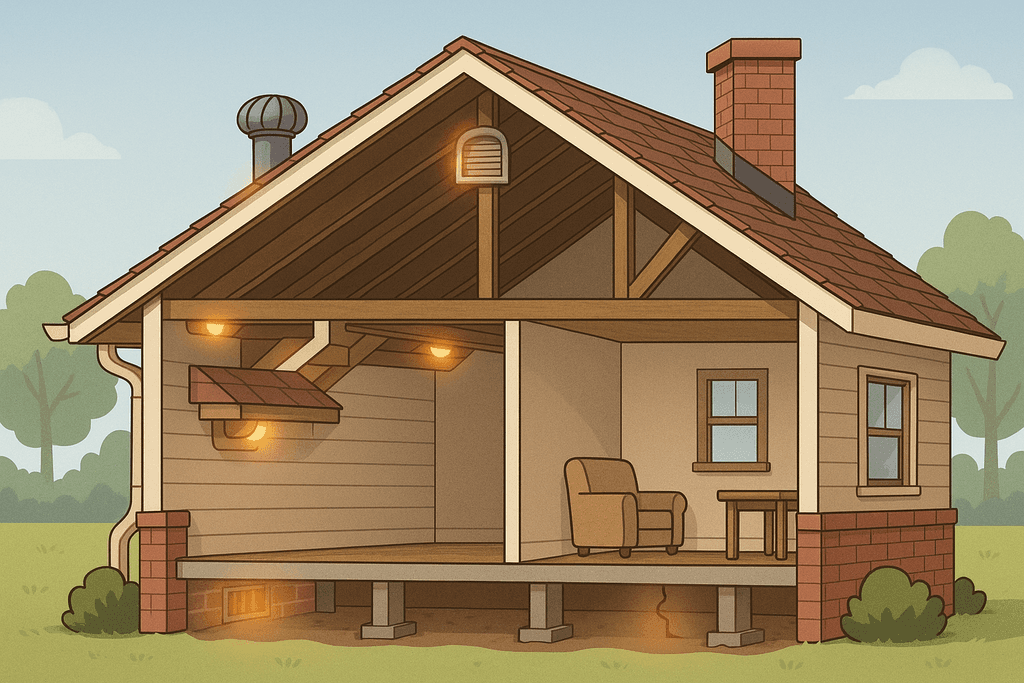
The Wildlife Inspection Report® covers every vulnerable spot on your property. Inspectors check areas most homeowners never think about, and some they can't even access safely.
- Attic spaces and roof intersections where different materials meet
- Foundation cracks and gaps around utility penetrations
- Soffit and fascia boards that have warped or separated
- Chimney openings and damaged flashing
- Vent systems without proper guards or screens
- Tree branches that create highways to your roofline
Hidden vulnerabilities are the real problem. Animals don't just use obvious holes. They exploit tiny gaps in construction joints, damaged weather stripping, and areas where different building materials connect. A gap as small as a quarter can let mice in, while raccoons only need four inches to squeeze through.
DIY inspections fail because most people don't know what to look for or can't safely access problem areas. You might spot the damage but miss the actual entry point. Wildlife often enters in one spot but causes visible damage somewhere else entirely, which throws people off the trail.
Exclusion and Animal Proofing Strategies That Last
Blocking one hole doesn't solve the problem if three others remain open. That's the difference between a quick fix and actual exclusion work. Real animal-proofing means addressing every potential entry point, not just the obvious ones. The materials and methods matter too, especially in Texas where heat, storms, and determined wildlife test everything you install.

Exclusion and Animal-Proofing Strategies That Last
Foundation work involves more than slapping some caulk in visible cracks. Professionals seal gaps around pipes, repair damaged concrete, and install barriers that animals can't dig under or chew through.
- Chimney caps keep raccoons and birds out while still allowing proper ventilation
- Vent guards use heavy-gauge steel that squirrels can't chew through
- Professional-grade sealants withstand Texas temperature swings without cracking
- Metal flashing reinforces vulnerable roof edges and valleys
- One-way doors let animals exit but prevent re-entry during removal
Jesse Bernard's situation shows why professional exclusion matters. He found one entry point and considered fixing it himself. The team found several others he never would have spotted. Months later, no squirrels. That's because exclusion work addresses the whole property as a system, not just individual problems.
Materials make a huge difference in Texas. Cheap hardware store solutions often fail within months. Squirrels chew through standard aluminum screening. Raccoons tear off poorly installed chimney caps. Weather degrades low-quality caulking. Professional exclusion uses commercial-grade materials designed to last years, not months.
Cleanup, Restoration, and Preventing Health Hazards
Getting animals out is only half the job. What they leave behind creates serious health risks and actually attracts more wildlife to your property. Animal waste contains parasites, bacteria, and diseases that can affect humans and pets. Contaminated insulation loses its effectiveness, driving up energy bills. The smell alone signals to other animals that your attic is a great place to move in. Proper cleanup isn't optional if you want a real solution.
Attic restoration involves removing contaminated insulation, disinfecting all surfaces, and replacing damaged materials. This process eliminates the biological attractants that bring new animals to previously infested spaces.
- Wildlife urine soaks into insulation and wood, creating permanent odors
- Droppings can contain roundworm eggs that remain infectious for years
- Nesting materials harbor fleas, mites, and other parasites
- Damaged insulation reduces energy efficiency by up to 30 percent
- Lingering scents act like a "vacancy" sign for other animals
Commercial properties face additional challenges because contamination can affect employees and customers. Restaurants, warehouses, and office buildings need thorough decontamination to meet health codes and protect people. The attic cleanup and restoration services address both residential and commercial needs with proper equipment and EPA-approved disinfectants.
"The company is so professional in every way, start to finish. They tell you what needs to be done before they begin to solve the problem." - Jerry and Anita S.
Mark Thompson noted how the team "effectively removed the raccoons and secured my attic against future invasions." That combination of removal, exclusion, and cleanup is what creates lasting results. Skip any part of that process and you're likely to have problems again.
Warranty Protection and Ongoing Monitoring
A warranty tells you whether a company believes in their own work. The Renewable Lifetime Warranty from Wildlife X Team covers long-term protection against wildlife invasions, which means they're confident the exclusion work will hold up. That's different from companies that do the work and disappear, leaving you to deal with any problems that pop up later. Understanding what warranty coverage actually includes helps you know if you're getting a real solution or just a temporary fix.
The warranty covers the exclusion work and repairs, protecting your investment if animals find a way back in. This matters because even professional work can face challenges from severe weather or unexpected property changes.
- Coverage includes repairs to exclusion points that fail
- Protection extends to areas that were professionally sealed
- Follow-up inspections catch potential problems early
- Warranty transfers if you sell the property
Signs your solution is working include no animal sounds, no new droppings, and no damage to exclusion points. You should schedule follow-up inspections annually, especially after major storms. Texas weather can shift foundations, loosen flashing, and create new gaps that weren't there before.
DIY solutions rarely come with any guarantee. You might save money upfront, but you're on your own if animals get back in. Professional warranted services cost more initially but protect you from repeated expenses and ongoing problems. Tim Maletich called the service "fantastic, fast, friendly and great work" because it actually solved his problem instead of just postponing it.
Why Comprehensive Approaches Outperform Quick Fixes
Most Texas homeowners who call for wildlife removal end up needing service again within 18 months if they only pay for animal extraction. The numbers tell a clear story about why this happens. When you compare single-service removal to full prevention programs, the difference in outcomes is massive. Properties that receive comprehensive treatment including inspection, removal, exclusion, and cleanup see re-infestation rates drop to less than 5%, while quick-fix solutions leave homeowners dealing with new animals in over 60% of cases.
Re-infestation rates drop to under 5% with comprehensive approaches compared to 60% with removal-only services
The financial math makes the choice obvious once you break it down. A typical raccoon removal might cost $300 to $500 as a standalone service. But when those raccoons return six months later, you're paying again.
- Average cost of three separate removal calls over two years: $1,200 to $1,800
- Cost of comprehensive service with prevention: $800 to $1,400 (one-time investment)
- Additional savings from avoiding insulation damage, electrical hazards, and health risks
- Property value protection worth thousands when selling your home
Customer satisfaction scores reach 94% for integrated wildlife management versus 67% for removal-only services
The testimonials from Wildlife X Team customers show this pattern clearly. Jesse Bernard mentioned how the team found multiple entry points he never would have discovered on his own. That's the difference between a band-aid and actual healing.
What Comprehensive Protection Actually Includes
Companies offering full-service wildlife management handle everything in one coordinated effort. Wildlife X Team's approach covers inspection, removal, exclusion work, cleanup, and ongoing warranty protection.
- Detailed property inspection identifying all current and potential entry points
- Humane animal removal using ethical methods
- Professional-grade exclusion barriers and repairs
- Complete attic restoration and sanitation
- Renewable lifetime warranty against future invasions
The time savings alone make comprehensive service worth considering. Instead of scheduling multiple appointments with different contractors, everything gets handled in one coordinated project. Most customers report the entire process taking just days instead of the months-long ordeal of piecemeal fixes.
Protecting Your Texas Property for the Long Haul
Dealing with wildlife problems in Texas isn't just about getting rid of the animals you can see today. The real solution comes from understanding how they got in, fixing those problems, and making sure they can't come back. A comprehensive approach that includes removal, prevention, and restoration is what actually protects your property over time. Quick fixes might seem cheaper at first, but they usually end up costing more when the same animals return a few months later.
Working with experienced professionals makes a huge difference in how well these solutions hold up. Wildlife X Team handles everything from the initial inspection to long-term prevention, including our Wildlife Inspection Report that identifies every potential entry point on your property. The difference between a company that just removes animals and one that actually solves the problem shows up months and years down the road.
The value of prevention over reaction becomes clear when you consider the costs:
- Damaged insulation and wiring from repeated infestations
- Health risks from contaminated attic spaces
- Structural damage that gets worse over time
- Multiple service calls instead of one complete solution
If you're dealing with wildlife issues on your Texas property, the next step is getting a proper inspection to see what you're really dealing with. Most property owners are surprised to learn there are multiple entry points they never noticed. Understanding the full scope of the problem is the only way to fix it for good, and that's where professional assessment becomes worth every penny.
Common Questions About Long-Term Pest Management
Property owners dealing with wildlife problems often have similar concerns about the removal process, costs, and whether solutions actually work long-term. Getting straight answers before you commit to a service helps you make better decisions about protecting your home or business. Here are the most common questions we hear from Texas property owners about professional wildlife management.
How long does exclusion work last?
Quality exclusion work should last for many years when done correctly. Wildlife X Team uses durable materials like heavy-gauge steel mesh, reinforced vent covers, and professional-grade sealants that stand up to Texas weather and determined animals. Most exclusion repairs last 10-20 years or more, and they back their work with a renewable lifetime warranty that covers future wildlife entry attempts.
What's included in a wildlife inspection?
A thorough Wildlife Inspection Report® examines your entire property for current problems and potential vulnerabilities. Inspectors check attics, crawl spaces, foundations, rooflines, vents, chimneys, and other common entry points that animals exploit. You'll get a detailed report showing exactly where animals are getting in, what damage exists, and what needs to be done to prevent future problems.
Is humane removal really effective?
Humane methods work just as well as older lethal approaches, and they're actually better for long-term results. Removing animals safely and sealing entry points prevents new animals from moving into vacant territory, which often happens when you simply eliminate wildlife without addressing why they chose your property. Companies like Wildlife X Team focus on exclusion rather than extermination because it solves the root problem instead of creating an endless cycle.
How soon can services begin?
Most wildlife removal companies can start within 24-48 hours of your call. Wildlife X Team often begins work the same day for urgent situations, especially when animals pose immediate risks to property or safety. The timeline depends on the complexity of your situation and current service demand in your area.
What areas does Wildlife X Team serve?
Wildlife X Team covers Fort Worth, Denton, Granbury, and surrounding communities throughout the Dallas-Fort Worth metroplex. Their service area extends to most residential and commercial properties within reasonable distance of these main locations.
Do warranties really cover future problems?
A legitimate warranty should cover the specific work performed, not just offer empty promises. Wildlife X Team's renewable lifetime warranty means if animals get back in through areas they've sealed, they'll return to fix it at no additional cost. This differs from some competitors who only offer 30-90 day guarantees or exclude certain types of damage from coverage.