
Do Raccoons Attack People and What Triggers Aggression

That masked bandit rummaging through your trash might look adorable, but raccoons send thousands of people to the hospital each year with bites and scratches. Understanding whether raccoons attack people and what triggers their aggression can mean the difference between a safe encounter and a dangerous one. Most homeowners in the Fort Worth area don't realize that raccoon attacks follow predictable patterns, and knowing these warning signs helps you protect your family from potentially serious injuries.
Table of Contents
Raccoon Behavior Basics
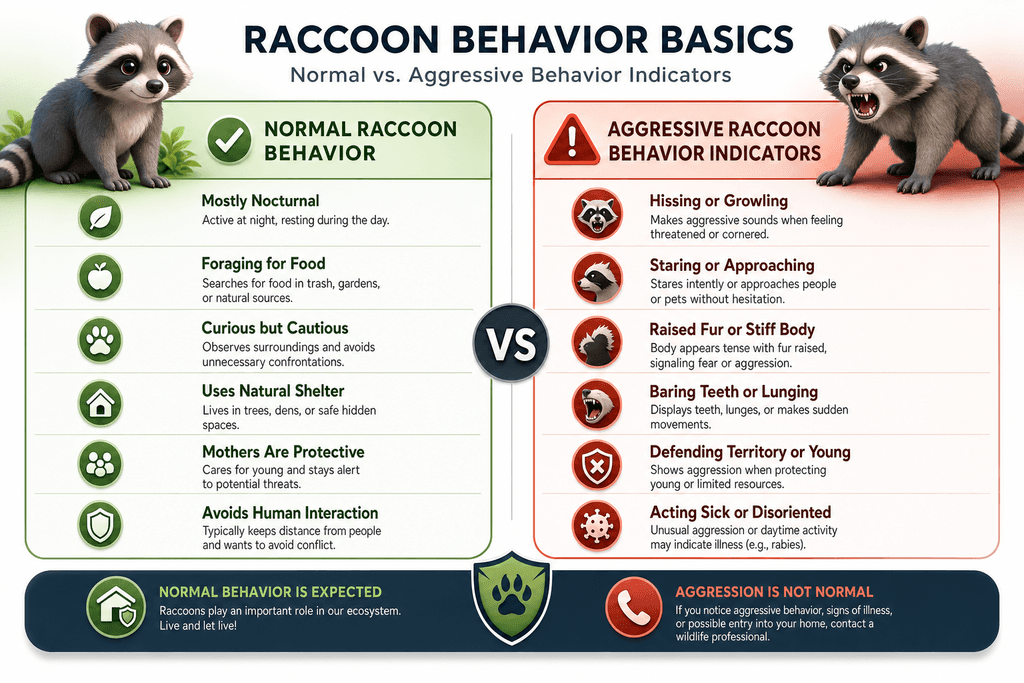
Raccoons are actually pretty shy animals when you think about it. Despite their reputation as masked bandits rummaging through trash cans, these creatures would much rather avoid people than confront them. Most raccoons will run away the moment they hear or see a human approaching. Understanding this basic fact helps homeowners in North Texas know when a raccoon's behavior crosses from normal to potentially dangerous.
The Growing Raccoon Population in North Texas
The Dallas-Fort Worth area has seen a steady increase in raccoon numbers over the past decade. Cities like Fort Worth, Denton, and Granbury provide perfect conditions for these adaptable animals. They find plenty of food in garbage bins, pet food bowls, and gardens, plus attics and crawl spaces make cozy dens.
Here's what makes North Texas so appealing to raccoons:
- Abundant food sources from residential and commercial properties
- Warm climate that supports year-round activity
- Plenty of water from creeks, ponds, and swimming pools
- Safe shelter in attics, chimneys, and under decks
This video covers some fascinating facts about raccoon behavior that every homeowner should know. Understanding how raccoons think and act helps you recognize when something isn't right.
What Normal Raccoon Behavior Looks Like
Most people asking "do raccoons attack people" or "will raccoons attack humans" don't realize that aggressive behavior is actually rare. A healthy raccoon following its natural instincts will show specific patterns that differ greatly from a raccoon that might pose a threat.
Normal raccoon behavior includes these characteristics:
- Active primarily between dusk and dawn
- Quickly retreating when humans approach
- Foraging quietly through yards and trash areas
- Showing curiosity but maintaining distance
- Moving with purpose rather than wandering aimlessly
On the flip side, warning signs of potential aggression look different:
- Active during broad daylight without apparent reason
- Stumbling or appearing disoriented
- Approaching humans instead of fleeing
- Making aggressive vocalizations or hissing
- Showing no fear of people or pets
Why Nighttime Matters
Raccoons are nocturnal, which means they do most of their work after the sun goes down. If you hear scratching in your attic at 2 AM, there's a good chance it's a raccoon looking for a safe place to sleep during the day. Wildlife X Team's inspection services can identify these entry points before a small problem becomes a bigger issue.
The question "can raccoon attack human" becomes more relevant when people accidentally surprise a raccoon during nighttime encounters. A startled raccoon protecting its young or food source might react defensively, even though it would prefer to escape. Most raccoon-human conflicts happen because the animal feels cornered, not because it's naturally aggressive.
What Actually Triggers Raccoon Attacks
Most raccoons would rather run away than fight you. These masked bandits typically avoid human contact whenever possible, but certain situations flip that survival switch in their brains. Understanding what makes a raccoon go from curious critter to defensive fighter can literally save you from a painful trip to the emergency room. The truth is, raccoon attacks don't happen randomly, and knowing the triggers gives you the power to avoid dangerous encounters altogether.
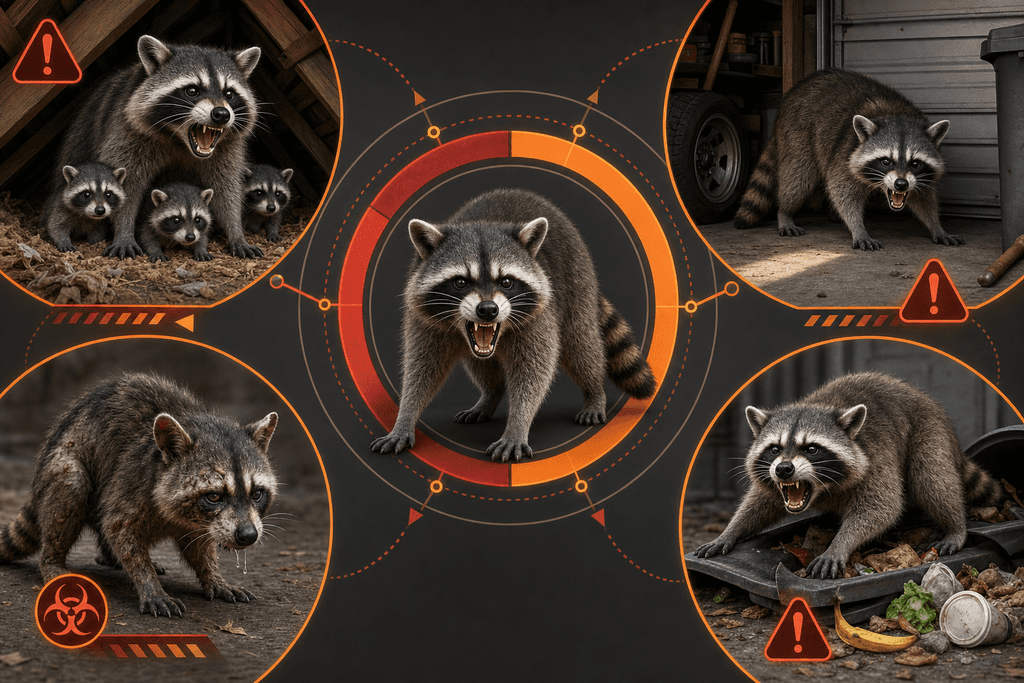
Protecting babies is the number one trigger for raccoon aggression in residential areas. A mother raccoon with kits nearby becomes a completely different animal. She'll charge at anything she perceives as a threat, including full-grown adults who accidentally get too close to her den.
- Mother raccoons are most aggressive during spring and early summer when babies are present
- They often nest in attics, chimneys, and crawl spaces where homeowners might stumble upon them
- A protective mother can inflict serious bites and scratches in seconds
- Even large dogs have been injured by defensive mother raccoons
Cornered raccoons will fight when they feel trapped, which is why attempting DIY removal often goes wrong. When a raccoon can't see an escape route, its only option is to defend itself with teeth and claws. This happens frequently when homeowners try to chase raccoons out of garages or sheds without professional help.
Rabies changes raccoon behavior dramatically and makes them unpredictable. While rabies cases aren't as common as people think, they do occur in the Fort Worth and Denton areas. A rabid raccoon might approach humans without fear, act confused or disoriented, or show aggression without any apparent trigger. Injured or sick raccoons are unpredictable and dangerous for similar reasons, as pain and illness override their normal cautious behavior.
Food protection can trigger defensive responses too. If you interrupt a raccoon while it's eating from your trash can or pet food bowl, it might defend its meal. This is especially true if the raccoon has become habituated to human presence and lost its natural wariness.
Warning Signs Before an Attack
Raccoons don't attack without warning. They actually give you plenty of signals that they're feeling threatened and might lash out. The problem is most people don't recognize these signs until it's too late. Learning to read raccoon body language is like having a early warning system that keeps you out of harm's way.
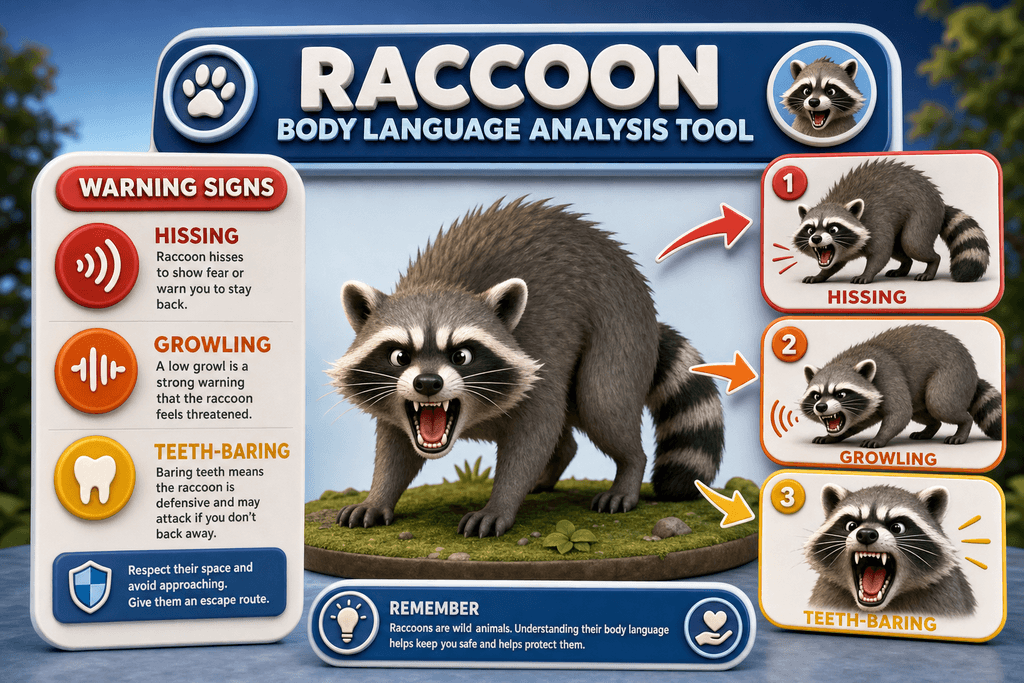
Hissing, growling, and teeth-baring are clear warnings that you need to back away immediately. These sounds are completely different from the normal chittering and purring noises raccoons make when they're calm. When you hear aggressive vocalizations, the raccoon is telling you in no uncertain terms that you're too close.
This video shows exactly what to do if a raccoon attacks you, which is information everyone in the Dallas-Fort Worth area should know.
Arched back and raised fur indicate defensive posture, making the raccoon look bigger and more threatening. You might also notice the raccoon standing on its hind legs or lunging forward slightly. Lack of fear around humans is abnormal and concerning because healthy raccoons naturally avoid people. If a raccoon doesn't run when you approach, something is wrong.
- Stumbling or appearing disoriented during movement
- Foaming at the mouth or excessive drooling
- Circling or repetitive movements
- Aggressive behavior toward inanimate objects
- Active during bright daylight hours without obvious food sources
Daytime activity can signal rabies or desperation, though it's not always a red flag. Nursing mothers sometimes forage during the day to keep up with their energy needs. However, if you see a raccoon wandering aimlessly in broad daylight, especially if it seems uncoordinated, keep your distance and call professionals.
How to Stay Safe Around Raccoons
The best defense against raccoon attacks is prevention and smart behavior. You don't need to live in fear of these animals, but you do need to respect their space and understand their capabilities. Most people who get bitten or scratched by raccoons made avoidable mistakes that put them in danger.
Never approach or corner a raccoon, especially with babies visible anywhere nearby. This seems obvious, but curiosity gets the better of people all the time. Keep distance of at least 15-20 feet from any raccoon you encounter, whether it's in your yard, on your roof, or anywhere else on your property.
- Don't try to pet or feed raccoons, even if they seem friendly
- Keep children and pets away from areas where raccoons are present
- If you encounter a raccoon, back away slowly without turning your back
- Make yourself appear larger and make noise to encourage the raccoon to leave
- Never run from a raccoon as this can trigger a chase response
Secure trash cans and remove outdoor food sources to make your property less attractive to raccoons in the first place. This means bringing pet food inside at night, using raccoon-proof garbage bins, and cleaning up fallen fruit from trees. The less reason raccoons have to visit your property, the less likely you are to have a dangerous encounter.
Never attempt to handle or trap raccoons yourself, no matter how confident you feel. Even experienced wildlife handlers get bitten sometimes, and the average homeowner lacks the proper equipment and training. Professional removal is safer for both humans and animals because trained technicians know how to assess raccoon behavior and use humane methods that don't provoke attacks.
Wildlife X Team in Keller, TX provides humane raccoon removal throughout Fort Worth, Denton, Granbury, and surrounding areas. Our team handles everything from initial inspection to complete exclusion work that prevents raccoons from returning. We've safely removed raccoons from hundreds of attics and crawl spaces without incident because we understand their behavior and use proven techniques that keep everyone safe.
The Real Risk Level
Raccoon attacks on humans happen in less than 1% of all wildlife encounters, but when they do occur, the consequences can be severe. The numbers tell an interesting story about when and why these incidents happen. Most documented cases share a common thread that homeowners need to understand. People who try to handle raccoon problems themselves account for nearly 80% of all reported raccoon-related injuries, according to wildlife control data from across North America.
Key Statistics: Rabies is detected in approximately 30% of raccoons tested after aggressive encounters with humans. The CDC reports that raccoons are responsible for roughly 30% of all rabies cases in wildlife nationwide.
The real danger isn't necessarily the raccoon itself. It's what happens when untrained people corner a scared animal or try to remove babies from a nest. These situations trigger defensive behaviors that can turn dangerous fast.
When Risk Becomes Reality
Property damage almost always comes before human encounters. Raccoons don't just show up and attack people out of nowhere. They move into attics, tear up insulation, and create entry points that compromise your home's structure. By the time most homeowners realize they have a problem, the raccoons have already established a den site they'll defend aggressively.
- Cornered raccoons in confined spaces like attics or crawl spaces become unpredictable
- Mother raccoons protecting their young show heightened aggression levels
- Sick or rabid raccoons lose their natural fear of humans entirely
- Feeding raccoons creates dangerous habituation that increases encounter risk
Why Professional Removal Matters
The question isn't really whether raccoons attack people. It's about eliminating the situations where attacks become possible. Wildlife X Team's approach removes both the animals and the risk factors that lead to dangerous encounters. Our Wildlife Inspection Report identifies vulnerabilities before they become problems, and our exclusion services ensure raccoons can't return.
- Professional handlers understand raccoon behavior patterns and stress triggers
- Proper equipment and techniques prevent defensive attacks during removal
- Rabies exposure risk drops to zero when experts handle the situation
The data shows something clear. Every day you wait to address a raccoon problem increases the likelihood of a dangerous encounter. Property damage escalates, raccoons become more territorial, and the window for safe DIY solutions closes completely.
Protecting Your Family from Raccoon Encounters
So do raccoons attack people? The short answer is yes, but only under specific conditions. Raccoons typically attack when they feel threatened, when they're cornered with no escape route, or when they're protecting their babies. Understanding these triggers is the first step in keeping yourself and your family safe from a potentially dangerous encounter.
The warning signs are pretty clear once you know what to look for. A raccoon that stands its ground, shows its teeth, or makes aggressive sounds is telling you to back off. Most people don't realize how serious these situations can get until it's too late.
Trying to handle a raccoon problem yourself puts you at risk for bites, scratches, and diseases like rabies. Professional removal is really the only safe option for everyone involved, including the raccoon. Wildlife X Team serves Fort Worth, Denton, Granbury, and surrounding areas with humane removal methods that protect both your family and the animals.
The thing about raccoons is they don't just leave on their own once they've found a good spot. They'll keep coming back, and the problem usually gets worse over time. Getting help early means less damage to your property and less chance of a dangerous encounter happening in the first place.
You probably still have questions about specific situations or what to do if you spot a raccoon near your home. That's completely normal, and we've got answers.
Common Questions About Raccoon Attacks
People often have similar concerns when they spot raccoons near their homes or businesses. These questions come up time and again, especially after someone has a close encounter with one of these masked bandits. Understanding the real risks helps you make smart decisions about how to handle raccoon problems on your property.
Will a raccoon attack unprovoked?
Raccoons rarely attack people without a reason. They're naturally cautious animals that prefer to run away rather than fight. However, a raccoon might become aggressive if it feels cornered, is protecting babies, or is sick with rabies. The key word here is "unprovoked" because what seems unprovoked to you might feel like a threat to the raccoon.
What should I do if a raccoon charges at me?
Stand your ground and make yourself look bigger by raising your arms or opening your jacket. Make loud noises by yelling or clapping your hands. Never turn your back and run, as this can trigger a chase response. Back away slowly while facing the animal, and give it a clear escape route. If the raccoon doesn't retreat or acts strangely, it might be rabid and you should contact animal control immediately.
Can raccoons attack dogs or cats?
Yes, raccoons will fight with pets, especially dogs that chase them or cats that venture too close. A cornered raccoon can seriously injure a dog or cat with its sharp claws and teeth. Keep your pets indoors at night when raccoons are most active, and never let dogs chase wildlife in your yard.
How do I know if a raccoon has rabies?
Rabid raccoons often act confused, aggressive, or unusually friendly toward humans. They might stumble around during daylight hours, drool excessively, or make strange noises. Some appear paralyzed in their hind legs or seem disoriented. Any raccoon acting abnormally should be avoided completely and reported to local animal control right away.
When should I call professional wildlife removal?
Call professionals when raccoons are living in your attic, walls, or crawl spaces, or if you see them repeatedly on your property. Wildlife X Team handles these situations safely with humane removal methods and prevention strategies. You should also call if a raccoon acts aggressively, appears sick, or if you've had any physical contact with one.
Are baby raccoons dangerous?
Baby raccoons themselves aren't dangerous, but their mother absolutely is. Mother raccoons are fiercely protective and will attack anyone who gets near their babies. Even if you find baby raccoons alone, the mother is likely nearby and will defend them aggressively. Never attempt to handle or relocate baby raccoons yourself.