
DFW Raccoon Removal Cost Guide for Homes and Attics
Raccoons in your attic can cost anywhere from a few hundred to several thousand dollars to remove properly, and most homeowners in Keller and Fort Worth are shocked when they see their first quote. The raccoon removal cost depends on how many animals you're dealing with, how much damage they've caused, and what it takes to keep them from coming back. Understanding these expenses upfront helps you budget realistically and avoid the companies that either lowball the estimate or pad it with unnecessary services.
Table of Contents
Why Raccoons Target DFW Attics and Homes
North Texas has seen a massive jump in raccoon populations over the past decade, with wildlife experts estimating numbers have doubled in suburban areas like Fort Worth, Keller, and Denton. These masked bandits aren't just passing through your neighborhood—they're actively looking for warm, safe places to raise their babies and escape the Texas heat. Your attic checks all their boxes, and once they move in, the damage starts fast.
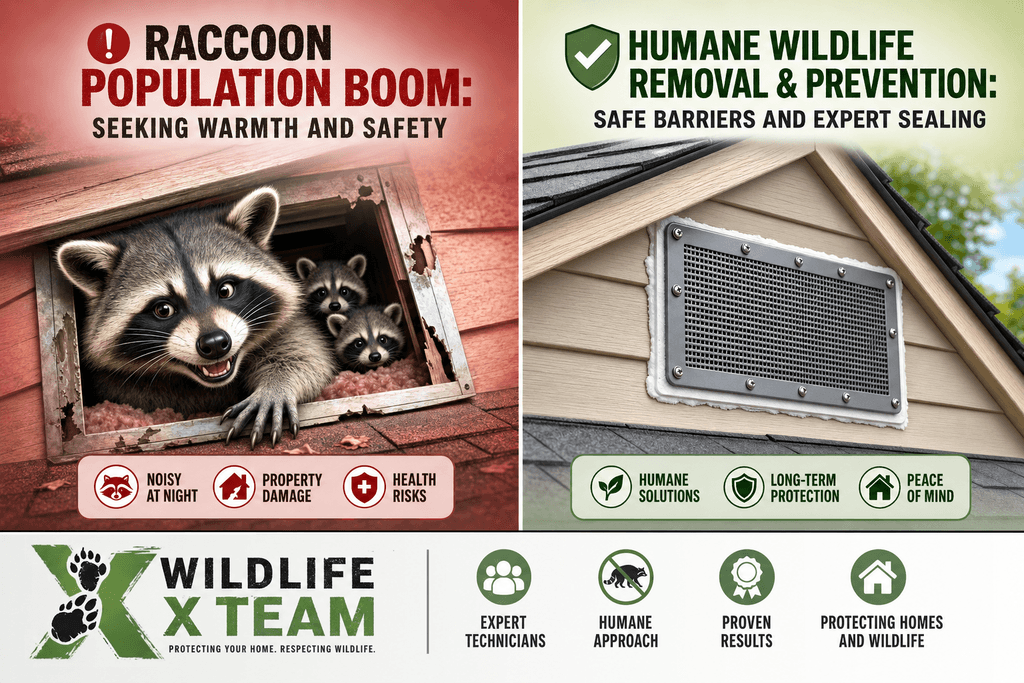
Raccoon Population Boom in North Texas
The DFW metroplex offers raccoons everything they need to thrive. Urban sprawl has pushed these animals into closer contact with humans, while our trash cans and pet food bowls provide easy meals. Unlike rural raccoons that might travel miles for food, city raccoons have learned to live within a few blocks of their den sites.
Here's what's driving raccoon numbers up in our area:
- Mild winters mean more babies survive each year
- Fewer natural predators in suburban neighborhoods
- Abundant food sources from garbage, gardens, and pet food
- Perfect den sites in attics, chimneys, and crawl spaces
When Raccoons Invade Seasonal Patterns
Raccoon activity in DFW homes follows a predictable calendar that every homeowner should know. February through May is baby season, when female raccoons desperately search for safe, warm places to give birth. Your attic's insulation makes a perfect nursery, and mother raccoons will tear through roof vents, soffits, and fascia boards to get inside.
Summer brings different problems. The intense Texas heat drives raccoons to seek cooler spaces during the day, and your air-conditioned attic becomes prime real estate. Fall sees increased activity as raccoons fatten up for winter, often storing food in attics and causing additional mess.
Peak invasion times include:
- Late winter and early spring for nesting mothers
- Hot summer months when raccoons seek cool shelter
- Fall when they're preparing winter dens
How Raccoons Break Into DFW Homes
Most DFW homes have at least three entry points that raccoons can exploit, and many homeowners don't even know these weak spots exist. Raccoons have incredibly strong paws and can tear through materials you'd think were secure. They're also smart enough to remember entry points and will return to the same spots year after year.
Common entry points in local homes include:
- Roof vents without proper screening or guards
- Damaged or loose soffit and fascia boards
- Uncapped chimneys and exhaust vents
- Gaps where different roofing materials meet
- Weakened areas around roof edges and valleys
The construction style of many DFW homes makes them especially vulnerable. Ranch-style houses with low-pitched roofs give raccoons easy access, while homes with mature trees nearby provide natural highways straight to your roof. Wildlife X Team's inspection process identifies these vulnerabilities before they become expensive problems.
Why Professional Removal Matters
Raccoons carry serious health risks that make DIY removal dangerous. Raccoon roundworm exists in about 70% of North Texas raccoons, and their feces can contaminate your attic insulation with parasites that remain infectious for years. One raccoon can produce pounds of waste weekly, and the smell alone can make parts of your home unlivable.
Property damage adds up fast too. Raccoons tear up insulation, chew through electrical wiring, and damage HVAC ducts. The average homeowner faces these issues:
- Contaminated insulation requiring complete replacement
- Chewed electrical wires creating fire hazards
- Damaged roof structures and water intrusion
- Destroyed HVAC ductwork reducing energy efficiency
Understanding raccoon removal cost and raccoon removal cost near me becomes critical when you're dealing with these problems. Professional services handle the removal safely while addressing the health hazards and structural damage these animals cause.
Breaking Down Raccoon Removal Costs
Most homeowners in the Fort Worth area are shocked when they discover raccoons in their attic, but the real surprise often comes when they start looking into removal costs. The truth is, raccoon removal isn't a one-size-fits-all service, and understanding what you're actually paying for makes a huge difference. When you search for "raccoon removal cost near me," you'll find prices that seem all over the map, but there's a reason for that. The total cost depends on several moving parts, from the initial inspection to the actual removal process.
Initial inspection and assessment fees typically run between $100 and $250 in the Keller and surrounding areas. This isn't just someone poking their head in your attic for five minutes. A proper inspection involves checking your entire property for entry points, assessing the extent of the infestation, and identifying any damage that's already occurred.
- Trapping and removal costs range from $300 to $600 per raccoon
- Emergency service premiums can add 25-50% to standard pricing for urgent situations
- Base removal services typically include trap setup, daily monitoring, and humane relocation
- Follow-up visits to ensure complete removal are usually part of the package
Wildlife X Team structures their pricing with full transparency, which means you know exactly what you're getting before any work begins. The base removal service covers the trapping process, but here's what most people don't realize until it's too late: removal is just the beginning. If you've got a family of raccoons living rent-free in your attic, you're looking at multiple animals, and those costs add up quickly.
The raccoon removal cost varies significantly based on how many animals you're dealing with and how long they've been there. A single raccoon that just moved in last week is a completely different situation than a mother with babies who've been nesting for months.
Attic Damage and Restoration Expenses
Here's where things get expensive, and it's the part most homeowners don't budget for when they first discover raccoons. These animals don't just sleep in your attic. They tear up insulation, leave droppings everywhere, and can cause serious structural damage if left unchecked. The contamination alone creates health risks that you can't ignore, especially if you have kids or pets in the house.
Insulation damage and replacement is one of the biggest expenses you'll face, typically running between $1,500 and $4,000 depending on your attic size. Raccoons compress and destroy insulation, reducing your home's energy efficiency and creating perfect conditions for mold growth. Some companies will try to tell you that you can just spot-clean the affected areas, but that rarely works long-term.
- Contamination cleanup and sanitization costs between $500 and $2,000
- Structural repairs for damaged wood and drywall vary based on severity
- Odor removal treatments may be necessary for heavy infestations
- Air quality testing is sometimes recommended after major contamination
Skipping the restoration work might seem like a way to save money, but it creates problems that cost way more down the road. The contamination doesn't just disappear on its own. Raccoon feces can contain parasites and diseases that remain active for years. Plus, the smell alone will attract more wildlife to your property, turning your attic into a revolving door for unwanted guests.
Wildlife X Team's attic restoration services handle everything from contamination removal to full insulation replacement. They seal entry points as part of the restoration process, which brings us to the next critical piece of the puzzle.
Exclusion and Prevention Investment
Getting raccoons out is only half the battle. If you don't seal up the entry points, you're basically inviting them back for round two. This is where exclusion work comes in, and it's honestly the most important investment you can make. The costs here range widely depending on how many vulnerable spots your property has and what kind of repairs are needed to secure them properly.
Exclusion barrier installation typically costs between $500 and $2,000 for a complete job. This includes sealing soffit vents, repairing damaged fascia boards, and installing one-way doors that let animals out but don't let them back in. Every home is different, and older properties in areas like Southlake or Grapevine often need more extensive work.
- Chimney caps and vent guards run $150 to $500 per location
- Foundation repairs to close ground-level entry points vary by scope
- Roof repair pricing depends on the extent of damage and materials needed
- Caulking and sealing smaller gaps is usually included in comprehensive packages
The Renewable Lifetime Warranty that Wildlife X Team offers is worth paying attention to. It means if raccoons find a way back in through the areas they've secured, they'll come back and fix it at no additional charge. Most other companies in the Fort Worth area don't offer anything close to this level of protection.
Prevention costs less than repeated removals, and the math is pretty simple. If you spend $1,500 on proper exclusion work now, you won't be spending another $800 next year when the raccoons return. Plus, you're protecting your home's value and avoiding the health risks that come with wildlife infestations.
Factors That Increase Your Total Cost
Not all raccoon problems are created equal, and certain situations will drive your costs up significantly. Understanding these factors helps you budget realistically and avoid sticker shock when you get your estimate. The difference between a simple removal and a complex job can easily be several thousand dollars, and it all comes down to the specific circumstances at your property.
Multiple raccoons or family groups in your attic multiply the removal costs quickly. A mother raccoon with four babies means you're dealing with five animals instead of one, and each one needs to be safely removed. Baby raccoons also require special handling because they can't be trapped the same way adults can.
- Extensive property damage requiring major structural repairs adds thousands to the bill
- Hard-to-access entry points on steep roofs or tall buildings increase labor costs
- Presence of baby raccoons extends the timeline and requires additional visits
- Secondary pest infestations from fleas, mites, or flies need separate treatment
- Location within the service area can affect travel fees and response times
Complex roof structures with multiple levels, dormers, or unusual architectural features make exclusion work more challenging and time-consuming. Properties in areas like Trophy Club or Colleyville often have these features, which means more labor hours and specialized equipment.
Some homeowners consider DIY removal to save money, but this rarely works out well. Raccoons are strong, aggressive when cornered, and can carry rabies. The traps you buy at hardware stores aren't designed for safe raccoon removal, and you still have to deal with disposal, cleanup, and exclusion work. Professional removal might cost more upfront, but it's safer, more effective, and usually cheaper in the long run when you factor in all the hidden costs of doing it yourself.
The team at Wildlife X Team in Keller has seen just about every raccoon situation imaginable across Fort Worth, Denton, and the surrounding communities. They can give you an accurate estimate based on your specific situation, and their transparent pricing means you won't get hit with surprise charges halfway through the job.
Getting the Best Value for Your Raccoon Removal
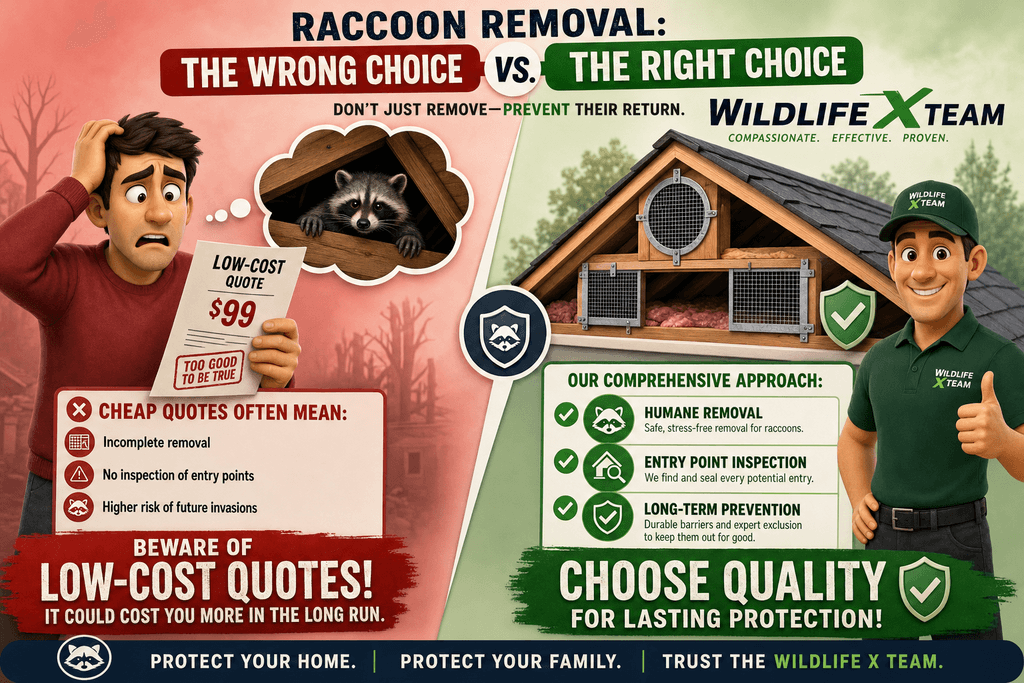
Most homeowners who get burned by raccoon removal services make the same mistake - they pick the cheapest quote without asking the right questions. A low price might seem like a win at first, but it often means you're only getting half the job done. The raccoons come back, or worse, you discover damage that wasn't addressed. Understanding what separates a quality raccoon removal cost from a budget disaster can save you thousands down the road.
What a Complete Estimate Should Include
A detailed estimate tells you exactly what you're paying for and protects you from surprise charges later. Companies that provide thorough quotes are usually the ones doing thorough work.
- Itemized breakdown of inspection, removal, exclusion, and cleanup costs
- Specific entry points identified and how each will be sealed
- Timeline for completion with clear milestones
- Materials and methods that will be used for repairs
- Warranty details spelled out in writing
Warning Signs in Suspiciously Low Quotes
When a raccoon removal cost near me search turns up prices way below average, there's usually a reason. These red flags often mean you'll end up paying more in the long run through repeat visits or additional repairs.
- No mention of exclusion work or sealing entry points
- Vague descriptions like "removal only" without prevention measures
- No written warranty or guarantee of any kind
- Pressure to sign immediately without time to review
- Unwillingness to provide references or proof of licensing
Questions That Reveal Service Quality
The answers you get to these questions will quickly separate professionals from amateurs. Companies that hesitate or give unclear answers are showing you exactly how they'll handle your raccoon problem.
- What specific steps are included in your removal process from start to finish?
- How do you ensure raccoons won't return after removal?
- What does your warranty cover and for how long?
- Are you licensed and insured for wildlife removal in Texas?
- Will you provide a written estimate before starting work?
- What happens if raccoons return during the warranty period?
- Do you handle attic cleanup and insulation replacement?
How Comprehensive Service Saves Money
Wildlife X Team's approach includes removal, exclusion, and prevention in one package, which costs less than hiring multiple contractors. Their Wildlife Inspection Report identifies every vulnerability, so you're not dealing with repeat invasions six months later. The renewable lifetime warranty means you're protected long-term without additional service calls eating into your budget.
Some situations demand immediate action while others give you time to compare options. Active raccoon presence with babies, visible damage to electrical wiring, or strong odors indicating waste buildup require quick response. If you're just hearing occasional noises without confirmed entry, you have time to get multiple estimates and ask thorough questions.
Planning Your Raccoon Removal Budget
Getting raccoons out of your attic isn't just about the removal itself. Most homeowners in the DFW area end up spending between $400 and $2,500 for complete raccoon removal, depending on how bad the problem is and what repairs are needed. The total raccoon removal cost near me searches usually show a wide range because every situation is different, but knowing what to expect helps you plan better.
Here's something most people don't realize until it's too late. Trying to save money by doing partial fixes usually costs more in the long run. When you hire someone to just remove the raccoons but skip the exclusion work, they almost always come back.
A complete service typically includes:
- Initial inspection and removal of raccoons
- Sealing all entry points to prevent return visits
- Attic cleanup and disinfection
- Insulation replacement if needed
- Warranty protection against future problems
Wildlife X Team handles all these steps as part of their comprehensive approach. The team at our Keller location (11833 Katy Rd, Keller, TX 76244) provides detailed quotes after inspecting your specific situation, which is really the only way to get an accurate raccoon removal cost.
The best next step is getting a professional inspection. You can reach the Keller office at (817) 799-8686 to schedule one for your home in Fort Worth, Denton, Granbury, or any of the surrounding areas they serve. They'll walk through your attic, check for entry points you might have missed, and give you a clear breakdown of what needs to happen and what it'll cost.
Most questions about pricing and timelines get answered during that first visit, which makes planning your budget a lot easier.
Common Questions About Raccoon Removal Costs
Most homeowners have similar concerns when dealing with raccoon problems, especially when it comes to what they'll actually pay and what happens after the initial removal. These questions come up in almost every consultation we do, and the answers can help you plan better for the process. Understanding the financial side of raccoon removal helps you make smarter decisions about protecting your home. Here are the most common questions we hear from property owners in the DFW area.
Does insurance cover raccoon removal and damage?
It depends on your specific homeowners insurance policy and how the damage occurred. Most standard policies cover sudden damage caused by wildlife, like a raccoon breaking through your roof or tearing up ductwork, but they typically won't cover the actual removal costs or damage from long-term infestations. You'll need to check your policy's wildlife or pest exclusions, and some insurers require proof that you maintained your property properly to prevent entry.
How long does the removal process take?
The timeline varies based on your situation, but most residential raccoon removal takes between 3 to 10 days from start to finish. Simple cases with one or two raccoons and obvious entry points can be resolved in just a few days, while complex situations involving babies in the attic or multiple entry points may take longer. Wildlife X Team typically handles the initial trapping within the first few visits, then follows up with exclusion work to seal your home.
What's included in a free inspection?
A professional inspection covers a thorough examination of your property to identify all entry points, assess damage, and locate where raccoons are nesting or traveling. The technician will check your roof, vents, soffits, chimney, and foundation for vulnerabilities. You'll receive a detailed report explaining what needs to be done and an estimate for the complete raccoon removal cost, including removal, exclusion, and any necessary repairs or cleanup.
Are payment plans available?
Many wildlife removal companies in the DFW area offer flexible payment options for larger jobs, especially when attic restoration or extensive repairs are needed. It's worth asking about financing or payment plans during your initial consultation, as costs for comprehensive services can add up quickly. Some companies work with third-party financing providers to help spread out the expense over several months.
How much does emergency raccoon removal cost?
Emergency or after-hours service typically costs 50% to 100% more than standard raccoon removal cost near me quotes you'd get during regular business hours. If you have raccoons actively in your living space or causing immediate damage, the premium might be worth it for your safety and peace of mind. However, unless there's a genuine emergency, waiting until normal business hours can save you several hundred dollars.
What happens if raccoons come back?
Reputable companies like Wildlife X Team offer warranties on their exclusion work, meaning if raccoons get back in through a sealed area, they'll return to fix it at no additional charge. This is why choosing a company with a renewable lifetime warranty matters more than just finding the cheapest raccoon removal cost. Always ask about warranty coverage before signing any contract, and get the terms in writing to protect your investment.