
Dead Animal Removal in Fort Worth What Homeowners Should Do

When Death Comes Calling in Your Walls
That sickly sweet smell creeping through your Fort Worth home isn't something you can ignore or cover up with air fresheners. A dead animal somewhere in your walls, attic, or crawl space creates serious health risks that go far beyond the unbearable odor, especially in our Texas heat where decomposition happens fast. Whether it's a raccoon that got trapped or a squirrel that didn't make it out, getting professional dead animal removal in Fort Worth becomes urgent the moment you catch that first whiff.
Table of Contents
- When Death Comes Calling in Your Walls
- Why Dead Animals End Up in Fort Worth Homes
- Health Risks You Cannot Ignore
- Finding the Source of the Smell
- Safe Removal Steps for Homeowners
- When to Call Professional Dead Animal Removal
- The Real Cost of Delayed Dead Animal Removal
- Taking Action Protects Your Home and Health
- Common Questions About Dead Animal Removal
Why Dead Animals End Up in Fort Worth Homes
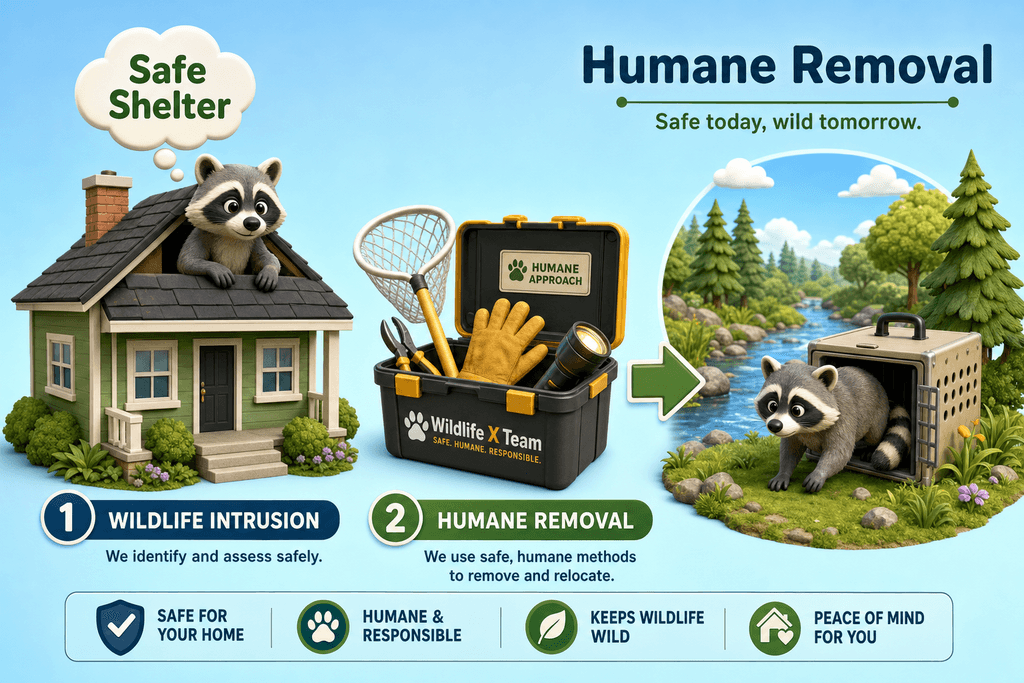
Fort Worth homeowners deal with more dead animal situations than most people realize, and it's not just bad luck. The city's unique location where urban development meets natural wildlife habitats creates the perfect storm for animals seeking shelter in homes. When raccoons, squirrels, rats, and possums look for safe places to nest or escape predators, your attic, walls, and crawl spaces look like five-star hotels to them. Unfortunately, these animals sometimes get trapped, injured, or simply reach the end of their natural lives while inside your home.
Common Culprits in Fort Worth Homes
The Dallas-Fort Worth area hosts several wildlife species that frequently end up dying inside residential properties. Each animal brings its own set of challenges when it comes to dead animal removal Fort Worth services.
- Raccoons often enter attics through roof vents and damaged soffits, sometimes dying from disease or injury
- Squirrels get trapped in walls and chimneys, unable to find their way back out
- Rats and mice die in wall voids after consuming rodenticides or from natural causes
- Possums crawl into crawl spaces and under homes, occasionally becoming trapped or succumbing to illness
- Bats roost in attics and can die in large numbers if colonies are disturbed
This video shows exactly how raccoons access Fort Worth attics, which helps explain why these animals sometimes end up dying in homes when they can't find their way back out.
Seasonal Patterns and Texas Heat
Fort Worth's weather plays a huge role in both when animals enter homes and how quickly dead animal removal becomes urgent. Spring and fall see the highest rates of wildlife intrusions as animals seek nesting sites for breeding season. Winter cold snaps drive animals indoors looking for warmth, while summer heat can make them desperate for cooler spaces.
The Texas heat creates a serious time crunch once an animal dies inside your home. Decomposition happens much faster in Fort Worth's climate compared to northern states. What might take two weeks in cooler climates can happen in just three to five days here during summer months. This rapid decomposition means odors intensify quickly and health risks escalate faster.
- Summer temperatures regularly exceed 95°F, accelerating decomposition dramatically
- Attic temperatures can reach 140°F or higher, creating extreme decomposition conditions
- High humidity levels in spring and fall increase bacterial growth and odor intensity
Why Animals Choose Your Home
Wildlife doesn't randomly pick houses to invade. They're looking for specific features that meet their survival needs, and Fort Worth homes often provide exactly what they want.
- Attics offer warm, dry spaces protected from predators and weather
- Wall voids provide narrow, secure spaces that feel safe to smaller animals
- Crawl spaces under homes stay cooler in summer and warmer in winter
- Food sources like pet food, garbage, or bird feeders attract animals to properties
- Water sources from leaky pipes, AC condensation, or pools keep animals nearby
Wildlife X Team's inspection process identifies these attractants and entry points before they become dead animal situations. Once animals establish themselves inside your home, they're likely to stay until something goes wrong, which is when homeowners discover they need dead animal removal Fort Worth services.
Health Risks You Cannot Ignore
A dead animal in your home isn't just unpleasant. It's a serious health hazard that gets worse with every passing hour. When an animal dies inside your walls or attic, the decomposition process releases bacteria and pathogens into the air you breathe. These microscopic threats can spread through your HVAC system, reaching every room in your house before you even realize what's happening.
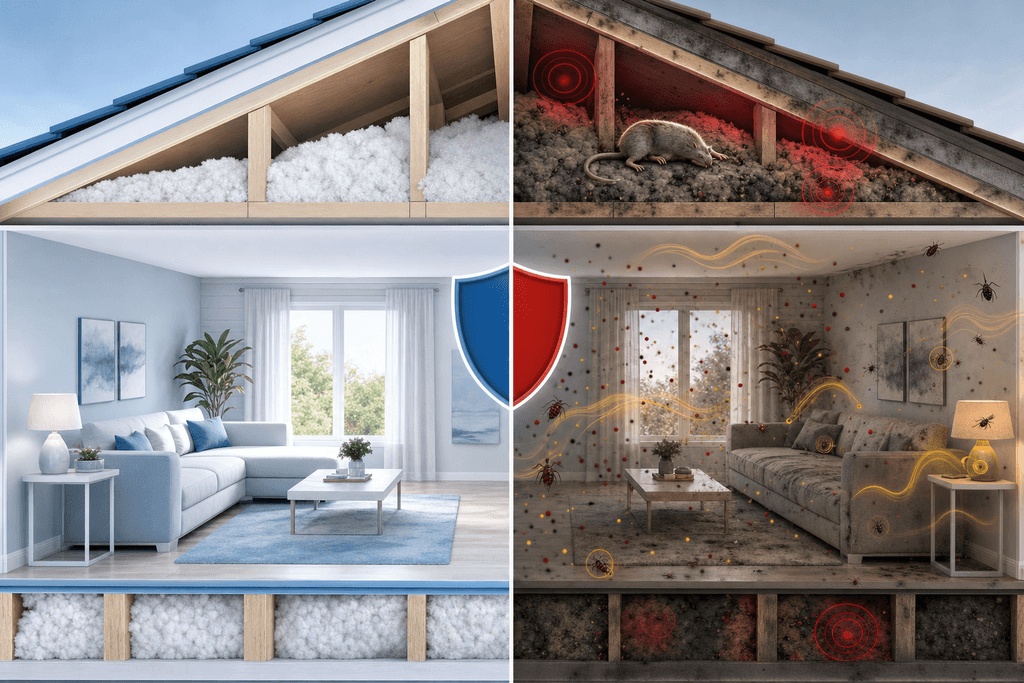
The diseases carried by decomposing wildlife are nothing to mess around with. Hantavirus from rodents can cause severe respiratory illness, while leptospirosis spreads through urine-contaminated surfaces and can lead to kidney damage or liver failure. Raccoons and other animals may carry salmonella bacteria that contaminates insulation and building materials, creating long-term health risks even after the carcass is removed.
- Airborne pathogens circulate through ventilation systems
- Parasites like fleas, ticks, and mites abandon dead hosts and search for new ones (including your pets and family)
- Contaminated insulation becomes a breeding ground for harmful bacteria
- Secondary pest infestations arrive as flies, beetles, and maggots are attracted to the carcass
The contamination doesn't stop when the smell fades. Bodily fluids seep into wood, drywall, and insulation, creating stains that harbor bacteria for months. What started as one dead mouse can turn into a full-blown pest problem as insects arrive to feed on the remains.
Finding the Source of the Smell
That awful smell doesn't come with a map, but your nose is actually a pretty good starting point. The odor of decomposition is strongest near the source, so walk through your home and pay attention to where it gets worse. Most homeowners in Fort Worth deal with dead animals in three main areas: attics, wall cavities, and crawl spaces. Each location presents its own challenges when it comes to tracking down the exact spot.
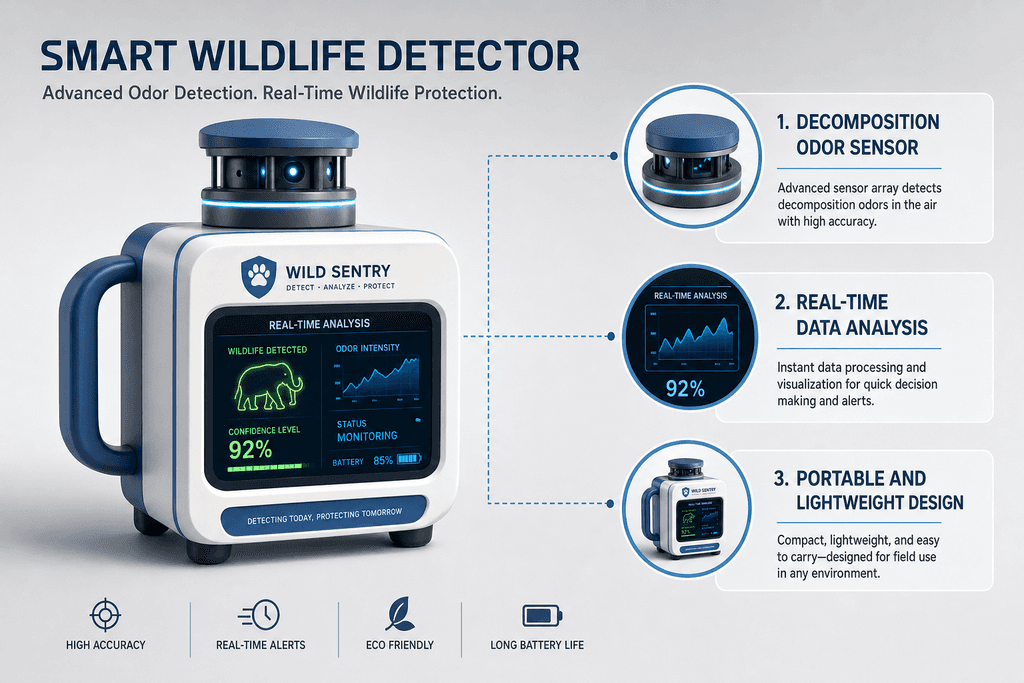
Your pets often know before you do. Dogs and cats will stare at walls, paw at vents, or refuse to enter certain rooms when they detect a dead animal nearby. Watch their behavior for clues about the general location.
Look for signs beyond the smell itself. Stains on ceilings or walls indicate where fluids have seeped through. Clusters of flies around vents, light fixtures, or baseboards point to nearby carcasses. The smell intensifies during hot Texas afternoons when heat accelerates decomposition.
- Start in the room where the smell is strongest
- Check accessible areas like attics and crawl spaces first
- Look for fly activity around vents and wall openings
- Note any ceiling or wall stains
- Listen for buzzing sounds that indicate insect activity
Walls and HVAC systems create the biggest headaches. An animal that died inside ductwork spreads the odor throughout your entire home, making it nearly impossible to pinpoint the location. Animals in wall cavities are often completely inaccessible without cutting into drywall. This is where most homeowners realize they need professional help from services like Wildlife X Team, which has the tools and experience to locate carcasses without destroying your home.
Safe Removal Steps for Homeowners
If you've found a dead animal in an accessible spot like your garage or an open area of your attic, you might be able to handle removal yourself. But doing it safely requires the right approach and equipment. Never touch a dead animal with bare hands, no matter how small it is. The bacteria and parasites don't care whether you're dealing with a mouse or a squirrel.
Your safety gear should include heavy-duty rubber gloves, an N95 mask or respirator, and eye protection. Regular cloth gloves won't cut it because fluids can seep through. The mask protects you from airborne pathogens that become more concentrated in enclosed spaces like attics.
- Wear disposable gloves that extend past your wrists
- Use an N95 mask or better to filter airborne particles
- Protect your eyes with safety glasses or goggles
- Wear old clothes you can wash immediately after
- Keep children and pets away from the area
The removal process itself is straightforward but needs to be done carefully. Place the carcass in a heavy-duty plastic bag, then seal that bag inside a second bag. This double-bagging prevents leaks and contains the odor. In Fort Worth and Tarrant County, you can dispose of small dead animals in your regular trash as long as they're properly sealed. Larger animals may require special disposal arrangements.
After removing the animal, the real work begins. Clean the entire area with a disinfectant solution that kills bacteria and viruses. Pay special attention to any surfaces the animal touched or where fluids may have spread. Some situations absolutely require professional intervention though. If the animal is in your walls, inside HVAC ducts, or if you're dealing with significant contamination, calling Wildlife X Team at (817) 799-8686 is the smarter choice.
When to Call Professional Dead Animal Removal
Some dead animal situations are beyond DIY solutions from the start. When a raccoon dies inside your wall cavity or a squirrel gets stuck in your HVAC system, you're looking at a job that requires specialized equipment and expertise. Cutting into walls or ductwork without knowing exactly where to look can cost you thousands in unnecessary repairs. Professionals use thermal imaging and other tools to pinpoint the exact location before making any cuts.
Large animals like raccoons, possums, and squirrels create more extensive contamination than mice or rats. Their larger bodies produce more fluids that soak into insulation and building materials. The cleanup process often requires removing and replacing contaminated insulation, something most homeowners aren't equipped to handle safely.
- Animals trapped in walls, ceilings, or floor cavities
- Carcasses inside HVAC systems or ductwork
- Multiple dead animals suggesting an active infestation
- Severe contamination with visible staining or structural damage
- Situations where you can smell it but can't find it
Finding multiple dead animals is a red flag that you've got a bigger wildlife problem. It means animals are getting into your home regularly, and more will follow unless you address the entry points. Wildlife X Team's approach goes beyond just removing the carcass. Their process includes identifying how the animals got in, removing contaminated materials, disinfecting affected areas, and sealing entry points to prevent future incidents.
The cleanup and decontamination process involves more than just removing the animal. Professionals assess the extent of contamination, remove affected insulation, treat surfaces with hospital-grade disinfectants, and install barriers to prevent future wildlife entry. Their attic cleanup and restoration services handle everything from removing soiled insulation to sealing the entry points that allowed animals inside in the first place. For homeowners in Keller, Fort Worth, Denton, and surrounding areas, having a team that can handle both removal and prevention means you won't be dealing with the same problem again next month.
The Real Cost of Delayed Dead Animal Removal
Most Fort Worth homeowners who discover a dead animal in their attic or walls think waiting a few days won't hurt. The reality is that every hour of delay adds to your final bill in ways you probably haven't considered. What starts as a simple dead animal removal fort worth situation can quickly spiral into thousands of dollars in repairs, medical bills, and property value loss. The decomposition process doesn't pause while you decide whether to call a professional or try handling it yourself.
How Decomposition Multiplies Your Expenses
Dead animals don't just smell bad. They leak fluids that seep into insulation, drywall, and wooden beams. Within 48 hours, these bodily fluids can penetrate materials that seemed perfectly fine yesterday.
Decomposition damage increases repair costs by 300-500% after the first week, turning a $200 removal job into a $1,000+ restoration project.
The longer you wait, the more materials need replacing instead of just cleaning. Insulation that could have been saved on day one becomes a biohazard by day seven.
- First 24 hours: Surface contamination only, minimal cleanup needed
- Days 2-4: Fluids penetrate insulation and subflooring
- Days 5-7: Permanent staining and odor absorption in structural materials
- Week 2+: Complete material replacement required, secondary pest infestations begin
The Hidden Costs Nobody Talks About
Your wallet takes hits from directions you didn't see coming. Property appraisers can detect lingering odors that drop your home value by 5-10% even after amateur cleanup attempts.
Homes with documented wildlife contamination sell for $15,000-$30,000 less on average in the Fort Worth market, according to local real estate data.
Health care costs add up fast too. Exposure to pathogens from decomposing animals sends families to urgent care with respiratory infections, skin reactions, and worse. Insurance companies often deny claims for wildlife damage when homeowners delay professional intervention, leaving you stuck with the entire bill.
- Medical bills from pathogen exposure average $800-$2,500 per family member
- Insurance deductibles for wildlife damage typically run $1,000-$2,500
- Out-of-pocket costs when claims are denied can exceed $10,000
Professional Removal Versus the DIY Gamble
Homeowners who attempt DIY dead animal removal fort worth solutions spend an average of $400 on supplies, protective gear, and cleaning products. Then they call professionals anyway after realizing they can't locate the carcass or eliminate the smell. Wildlife X Team's comprehensive approach handles removal, sanitization, and prevention in one visit, saving you the cost of multiple failed attempts and protecting your property value long-term.
DIY attempts followed by professional cleanup cost 2-3 times more than calling experts immediately, not counting the health risks during your exposure.
Taking Action Protects Your Home and Health
Finding a dead animal in or around your Fort Worth home is never pleasant, but how you handle it makes all the difference. The longer you wait, the worse the smell gets and the higher your risk of exposure to diseases and parasites. Quick action keeps your family safe and prevents damage to your property that can cost thousands to repair down the line.
Knowing when to handle it yourself versus calling professionals is important. Small animals that died recently in accessible outdoor areas might be manageable on your own with proper safety gear. But anything in your walls, attic, or crawl space needs professional help.
Wildlife X Team handles dead animal removal Fort Worth residents can count on, serving Keller, Denton, Granbury, and surrounding areas from our location at 11833 Katy Rd, Keller, TX. We don't just remove the carcass though. Our team cleans and disinfects the area, identifies how the animal got in, and seals those entry points so you don't end up with the same problem next month.
Prevention really is the best approach. Most dead animals found in homes got there because they were living in your attic or walls first. Addressing wildlife intrusions before they become serious problems saves you from dealing with dead animals altogether.
If you're dealing with a dead animal situation or want to prevent one, you can reach Wildlife X Team at (817) 799-8686. The team serves Fort Worth, Southlake, Grapevine, Colleyville, North Richland Hills, and many other nearby communities with comprehensive removal and prevention services.
Common Questions About Dead Animal Removal
Finding a dead animal in your home raises a lot of questions, especially when that awful smell hits you. Fort Worth homeowners dealing with this problem want to know what to expect, how much it'll cost, and how fast they can get relief. Here are the answers to the most common questions we hear about dead animal removal in Fort Worth.
How long does the smell last after removal?
Once the dead animal is removed, the smell usually fades within 24 to 48 hours if proper cleaning and deodorizing are done. However, if bodily fluids soaked into insulation or wood, the odor can linger for up to a week without professional cleaning. Wildlife X Team includes thorough sanitization and deodorizing as part of our dead animal removal fort worth services to eliminate odors completely.
Can I just wait for the smell to go away on its own?
Technically yes, but you'd be waiting anywhere from 4 to 12 weeks depending on the animal's size and location. During that time, you're breathing in bacteria and dealing with potential pest infestations from flies and maggots. The decomposition process also releases harmful pathogens that can affect your family's health, making professional removal the safer choice.
What does professional dead animal removal cost in Fort Worth?
Most dead animal removal services in Fort Worth range from $150 to $500 depending on the animal's location and accessibility. Animals in easy-to-reach areas like garages cost less, while those stuck deep in walls or under foundations cost more due to the labor involved. Wildlife X Team provides upfront pricing during our inspection so you know exactly what to expect before any work begins.
How do I prevent animals from dying in my home?
The best prevention is keeping wildlife out in the first place through proper exclusion and sealing entry points. Our Wildlife Inspection Report identifies vulnerabilities around your property, and our animal proofing services seal those gaps permanently. Regular attic inspections also help catch any intruders before they become a bigger problem.
Is dead animal removal covered by homeowners insurance?
Most standard homeowners insurance policies don't cover dead animal removal or the cleanup costs associated with it. Some policies might cover damage caused by larger animals, but you'll need to check your specific policy. The removal itself is typically considered a maintenance issue rather than sudden damage.
How quickly can Wildlife X Team respond to dead animal calls?
We understand that dead animal situations need immediate attention, which is why we offer same-day or next-day service for most dead animal removal fort worth calls. Our team serves the entire Fort Worth, Denton, and Granbury areas, and we prioritize emergency situations where the smell is affecting your daily life.