Dallas Animal Control Options for Wildlife Problems at Home
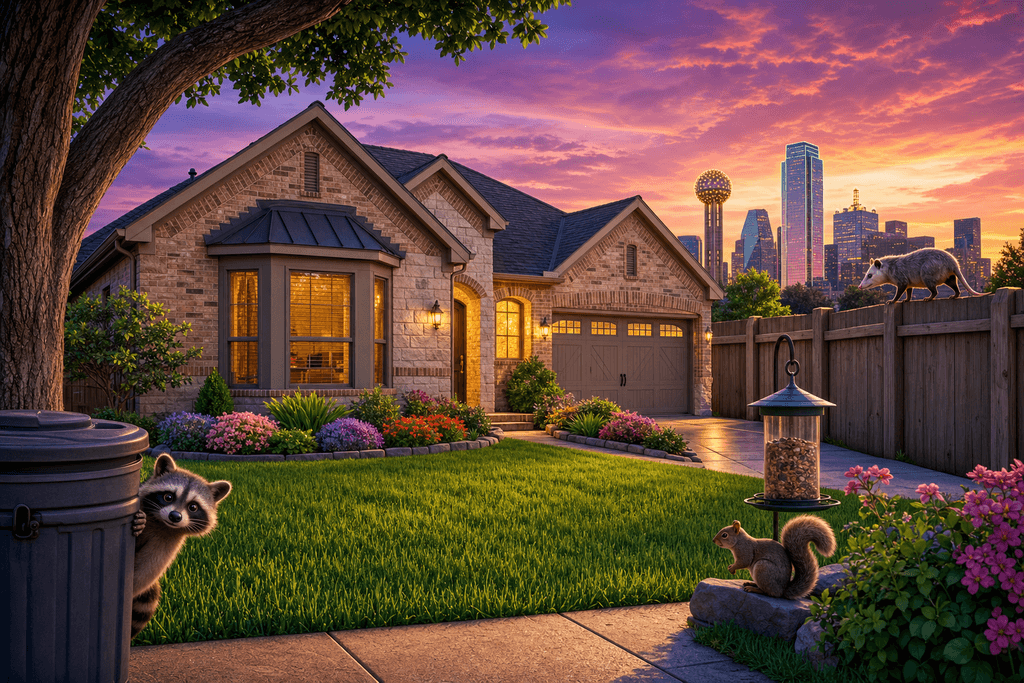
That scratching sound in your attic at 2 AM isn't your imagination—it's likely a raccoon or squirrel that's made your Dallas home their new residence. Wildlife intrusions happen to thousands of homeowners across the Dallas-Fort Worth area every year, and knowing your options for animal control in Dallas Texas can save you from costly damage and sleepless nights. Whether you're dealing with raccoons tearing up insulation or squirrels chewing through electrical wires, understanding the difference between city services and professional wildlife removal companies like Wildlife X Team will help you solve the problem quickly and permanently.
Table of Contents
- Understanding Animal Control in Dallas Texas
- City Animal Control Services and Their Limits
- Professional Wildlife Removal Companies
- What to Look for in a Wildlife Removal Service
- Common Wildlife Problems in Dallas Homes
- Why Professional Help Saves Money Long-Term
- Getting Help with Your Wildlife Problem
- Common Questions About Dallas Animal Control
Understanding Animal Control in Dallas Texas
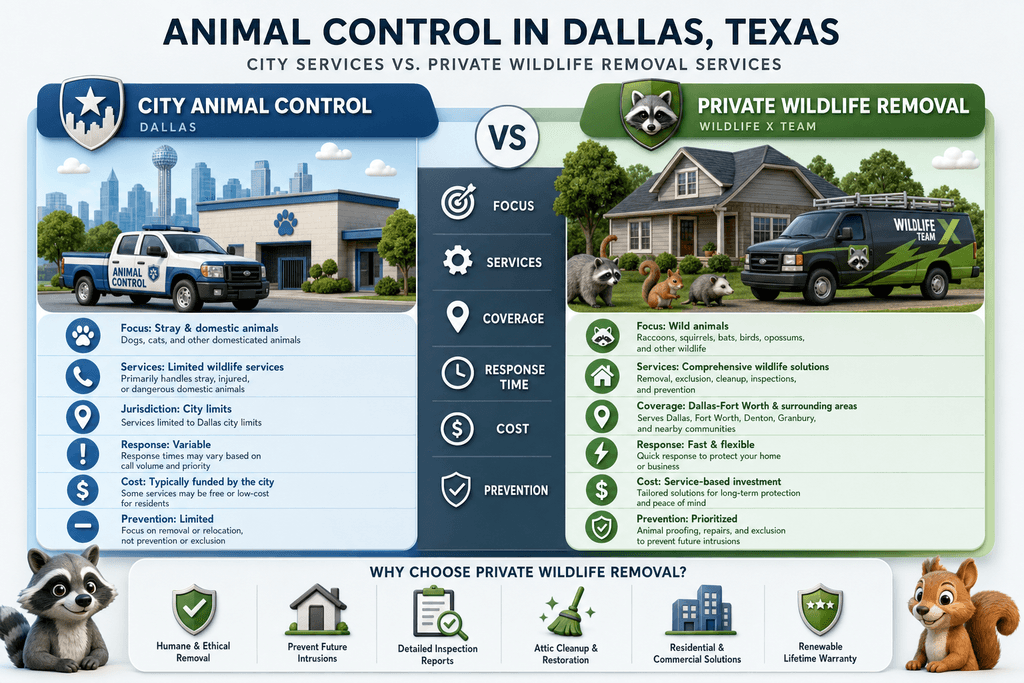
Most people think animal control in Dallas Texas handles everything from stray dogs to raccoons in the attic, but that's not quite how it works. The city's animal control department mainly deals with domestic animals like dogs and cats that are running loose or causing problems in neighborhoods. When you've got wild animals tearing up your insulation or scratching around in your walls at night, you'll need to look somewhere else for help. The difference between what the city handles and what private companies take care of can save you a lot of time and frustration when you're dealing with an animal problem.
What City Animal Control Actually Does
Dallas Animal Services focuses on keeping the community safe from domestic animal issues. They pick up stray dogs, respond to bite reports, and enforce city ordinances about pets. Their job is important, but it's pretty specific to household pets and public safety concerns.
Here's what you can expect from city animal control:
- Picking up stray or loose dogs and cats in public areas
- Responding to reports of aggressive domestic animals
- Investigating animal bite cases and quarantine requirements
- Enforcing leash laws and pet licensing rules
- Handling animal cruelty investigations
The video above shows how Dallas Animal Services approaches wildlife management in public spaces, but their resources for private property issues are limited. When it comes to animals inside your home or business, that's where private wildlife removal companies step in.
When You Need Private Wildlife Removal
Private wildlife removal companies handle the stuff that city animal control doesn't cover. If you've got squirrels running marathons in your attic at 3 AM or raccoons treating your crawl space like an Airbnb, you're going to need a private service. These companies specialize in removing wild animals from structures and making sure they can't get back in.
Wildlife removal services typically handle these situations:
- Raccoons, squirrels, and opossums living in attics or walls
- Bats roosting in chimneys or roof spaces
- Skunks denning under porches or sheds
- Birds nesting in vents or commercial buildings
Companies like Wildlife X Team focus on humane removal methods and prevention strategies. They don't just kick the animals out - they figure out how they got in and seal those entry points so you don't have repeat visitors.
Comparing Your Options
The biggest difference between city and private services comes down to what they're set up to handle. City animal control works with taxpayer funding and has specific legal responsibilities. Private companies charge for their services but offer specialized equipment, expertise, and guarantees that city services can't provide.
Here's what sets private wildlife removal apart:
- Available for emergencies outside of regular business hours
- Specialized tools and techniques for safe animal removal
- Repair and exclusion work to prevent future problems
- Cleanup and restoration services for contaminated areas
- Warranties and guarantees on their work
Most Dallas homeowners end up needing private services because city animal control simply isn't equipped to climb into your attic or seal up entry points around your roof. The city might be able to give you advice or refer you to licensed wildlife removal companies, but the actual work falls to private businesses. Understanding this difference upfront can save you from making unnecessary calls and help you get your wildlife problem solved faster.
City Animal Control Services and Their Limits
Most people think calling animal control in Dallas Texas will solve their raccoon-in-the-attic problem, but that's not how it works. City animal control services focus on stray dogs and cats that pose public safety risks on streets and in neighborhoods. When you've got squirrels chewing through your electrical wiring or raccoons tearing up your insulation at 2 AM, the city won't send anyone to help. Their job is to handle animals in public spaces, not wildlife that's made your home their home.
The reality is that Dallas animal control doesn't remove wildlife from private property structures. They're not equipped or staffed to climb into attics, seal entry points, or deal with the mess animals leave behind. Response times for non-emergency situations can stretch for days, and their services are limited to specific hours.
This video shows just how overwhelmed city animal services can be. When facilities are at capacity dealing with domestic animals, wildlife problems on private property fall completely outside their scope. Homeowners need to look elsewhere for solutions when dealing with animals inside their walls, attics, or crawl spaces.
Professional Wildlife Removal Companies
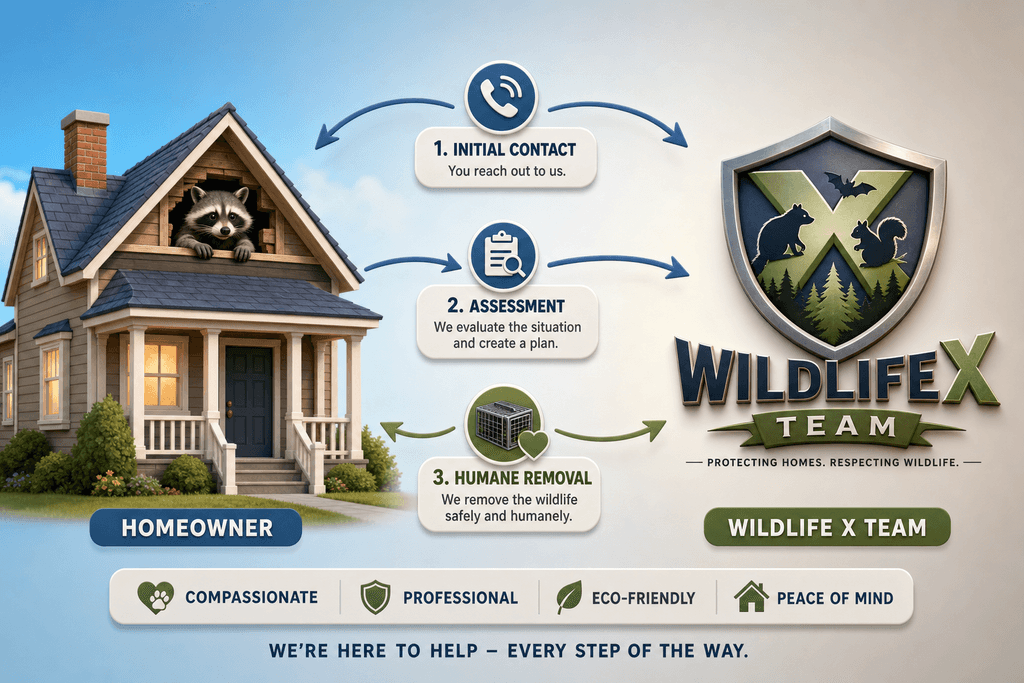
Wildlife removal specialists handle what city services can't. These companies deal specifically with raccoons, squirrels, bats, opossums, and other wildlife that invade homes and businesses. The process goes way beyond just catching an animal and driving it somewhere else. Professional services start with a detailed inspection to find every possible entry point, then remove the animals using humane methods that don't harm them or your property.

Wildlife X Team offers comprehensive services that include inspection, removal, and prevention strategies. Their Wildlife Inspection Report identifies vulnerabilities in your property that you'd never spot on your own. One customer, Jesse Bernard, learned this firsthand when dealing with what he called a "squirrel party" in his attic.
- Humane removal methods that safely relocate animals
- Professional exclusion services that seal entry points permanently
- Attic cleanup and restoration to remove contamination and damaged insulation
- Renewable lifetime warranties that protect against future invasions
- Commercial solutions for businesses facing wildlife problems
Jesse found one obvious entry point and considered fixing it himself, but the professionals discovered several others he never would have noticed. Months later, he still has no squirrels. That's the difference between a quick fix and a real solution.
The exclusion work matters just as much as the removal itself. Animals are smart and persistent. They'll find their way back in unless every possible entry point gets sealed properly with the right materials. Professional-grade barriers and repairs include foundation work, chimney protection, vent guards, and specialized sealing that actually lasts.
What to Look for in a Wildlife Removal Service
Not all wildlife removal companies operate the same way. Some just trap animals and leave, which means you'll have the same problem again in a few weeks. The right company provides a complete solution that addresses the root cause. Humane removal methods should be non-negotiable because they protect both the animals and your property from unnecessary damage. You want a company that sees wildlife as a problem to solve, not pests to eliminate.
A comprehensive inspection is where everything starts. The company should identify all entry points, not just the obvious ones. Hidden vulnerabilities in your roof line, foundation, or vents can let animals back in even after you've sealed what you can see.
- Detailed property inspection that finds all entry points
- Humane removal techniques that don't harm animals
- Complete exclusion services with quality materials
- Cleanup and restoration for contaminated areas
- Long-term warranties that guarantee results
- Local expertise with Dallas-area wildlife behavior
Wildlife X Team serves the Fort Worth, Denton, Granbury, Glen Rose, Weatherford, and surrounding areas with this comprehensive approach. Their team includes specialists who understand how different animals behave and what it takes to keep them out permanently. Local knowledge matters because wildlife patterns vary by region, and what works in one area might not work in another.
Ask about warranties before you hire anyone. A company that stands behind their work will offer protection against future invasions. If animals get back in through the same entry points, they should fix it at no additional cost.
Common Wildlife Problems in Dallas Homes
Different animals cause different problems, and each one needs a specific approach. Raccoons are the most destructive because they're strong enough to tear through roof vents, soffits, and even wood to get inside. Once they're in your attic, they rip up insulation to make nests and leave behind contamination that creates health risks. Their entry holes are usually large and obvious, but they can also squeeze through spaces that seem too small for their size.
Squirrels create a different kind of danger. They chew constantly to keep their teeth from growing too long, which means electrical wires become targets. Exposed or damaged wiring in your attic is a serious fire hazard. Squirrels are also incredibly persistent and will return to the same nesting spots year after year if they can find a way back in.
- Raccoons: Tear insulation, create large holes, leave contamination
- Squirrels: Chew wires, create fire hazards, return seasonally
- Bats: Leave droppings that cause respiratory issues
- Opossums: Nest in crawl spaces and under decks
Bats present health concerns because their droppings contain fungal spores that cause respiratory problems when disturbed. They're also protected in many areas, which means removal requires special permits and techniques. Opossums prefer ground-level spaces like crawl spaces and the areas under decks or sheds. They're less destructive than raccoons but can still cause odor problems and attract other pests.
Seasonal patterns affect when you're most likely to see wildlife problems. Spring brings animals looking for nesting spots to raise young. Fall sends them searching for warm places to spend winter. Understanding these patterns helps with prevention, but once animals are inside, professional removal becomes necessary regardless of the season.
Why Professional Help Saves Money Long-Term
Most homeowners who try DIY wildlife removal end up spending more money in the long run than if they'd called professionals from the start. The problem isn't just about catching the animal you can see. It's about finding all the hidden entry points, dealing with contamination properly, and making sure the problem doesn't come back next month. When you're dealing with animal control in Dallas Texas, the stakes are higher than most people realize.
The Hidden Costs of Incomplete Removal
That raccoon in your attic probably didn't come in through just one hole. Animals are smart, and they create backup entry points that the average homeowner will never find. When you seal up the obvious opening without a proper inspection, you're basically trapping animals inside or leaving doors wide open for their friends.
- Missed entry points mean animals return within weeks
- Trapped animals cause panic damage trying to escape
- Each failed attempt means buying more materials and wasting more time
- Professional inspections identify vulnerabilities you can't see from ground level
Property damage from wildlife can cost homeowners $1,000 to $5,000 on average, with severe cases reaching $20,000 or more when structural damage and contamination are involved.
Damage Compounds While You Wait
Every day animals stay in your home, they're chewing wires, tearing insulation, and leaving waste that soaks into your building materials. What starts as a $500 removal job can turn into thousands in repairs if you wait too long or try multiple DIY fixes first.
- Electrical damage from chewed wires creates fire hazards
- Contaminated insulation loses effectiveness and harbors disease
- Structural wood damage weakens your home's integrity
- Odors from urine and feces penetrate deep into materials
Health Risks Require Professional Cleanup
Animal waste isn't just gross. It carries diseases like histoplasmosis, leptospirosis, and raccoon roundworm that can make your family seriously sick. Professional cleanup services use proper protective equipment and disinfection methods that you can't replicate with store-bought supplies.
Wildlife X Team's attic cleanup and restoration service addresses these health concerns properly while preventing future invasions. The renewable lifetime warranty means you're protected long-term, not just until the next animal finds a way in.
Homeowners who use professional exclusion services save an average of 60-70% compared to repeated DIY attempts over a five-year period.
Warranties Protect Your Investment
When you hire professionals for animal control in Dallas Texas, you're not just paying for the immediate fix. You're investing in guaranteed protection that covers you if animals find another way in. DIY work comes with zero guarantees, which means you're rolling the dice with your money every single time.
Getting Help with Your Wildlife Problem
When you call animal control in Dallas Texas, you might be surprised to learn they don't handle most wildlife situations. City services usually focus on stray dogs and cats, which leaves homeowners stuck dealing with raccoons, squirrels, and other critters on their own. That's where professional wildlife removal comes in, and it's worth understanding what you're actually getting compared to basic animal control.
The difference between a quick fix and a real solution comes down to prevention. Anyone can chase an animal out of your attic, but that doesn't stop three more from moving in next week. Professional services like Wildlife X Team handle both the removal and the prevention work, which means sealing entry points, installing barriers, and making sure your property stays protected long-term.
Humane removal methods matter more than most people realize. These animals are just looking for shelter, and ethical removal keeps them safe while protecting your property from damage. The cleanup and restoration work afterward is just as important, especially when dealing with contaminated insulation or health risks from droppings.
If you're in the Fort Worth, Denton, or Granbury areas, Wildlife X Team offers comprehensive wildlife management that goes beyond what city animal control can provide. Their approach covers inspection, removal, exclusion, and restoration with a renewable lifetime warranty backing the work. You probably have questions about how this all works for your specific situation, and that's exactly what we'll cover next.
Common Questions About Dallas Animal Control
Most people don't realize that city animal control services have pretty strict limits on what they'll handle. When you've got wildlife tearing up your attic at 2 AM, knowing who to call can save you days of frustration. Here are the answers to the most common questions homeowners ask when dealing with wildlife problems in Dallas.
Will city animal control remove raccoons from my attic?
City animal control in Dallas typically only handles domestic animals like stray dogs and cats. They don't remove wildlife from private property, which means you'll need to contact a private wildlife removal company for raccoons, squirrels, or other animals in your attic. Some cities will respond to rabies concerns or animals that pose an immediate public safety threat, but attic invasions usually fall outside their scope.
How much does professional wildlife removal cost?
Wildlife removal costs vary based on the type of animal, how many entry points need sealing, and whether you need attic cleanup afterward. Most companies charge between $300 to $600 for basic removal, but extensive damage repair and prevention work can run higher. Wildlife X Team provides detailed inspections upfront so you know exactly what you're dealing with before any work begins, and they back their work with a renewable lifetime warranty.
How long does wildlife removal take?
Simple removals can happen in a single visit, but most situations take 3-7 days to fully resolve. The timeline depends on whether animals need to be trapped, how many entry points exist, and if babies are involved. Companies like Wildlife X Team often start work the same day they inspect, which gets the problem handled faster than waiting for multiple appointments.
What happens to the animals after removal?
Reputable wildlife removal companies use humane methods and relocate animals according to Texas wildlife regulations. The animals are typically released in appropriate habitats away from residential areas. Some companies prioritize ethical treatment more than others, so it's worth asking about their specific practices before hiring.
Do I need attic cleanup after wildlife removal?
Yes, and skipping this step is a health risk most people underestimate. Wildlife leaves behind droppings, urine, parasites, and contaminated insulation that can cause respiratory problems and attract more pests. Professional attic cleanup includes removing contaminated materials, disinfecting the space, and replacing damaged insulation to restore your home's safety and energy efficiency.
How can I prevent wildlife from coming back?
Prevention requires sealing every possible entry point, which is harder than it sounds because animals can squeeze through surprisingly small gaps. Professional exclusion work includes installing vent guards, repairing foundation gaps, protecting chimneys, and sealing roof vulnerabilities. Wildlife X Team's approach combines removal with comprehensive animal proofing, so you're not dealing with the same problem six months later.