Critter Control Options: Choosing the Right Solution for Your Property

That scratching sound in your attic at 2 AM isn't your imagination, and those droppings in the crawl space mean you've got uninvited guests causing real damage to your property. Wildlife intrusions create stress for homeowners and can lead to costly repairs, health hazards, and sleepless nights wondering what's living above your bedroom. Understanding your critter control options, from DIY attempts to professional services like Wildlife X Team's humane removal and prevention solutions, helps you protect your home and restore your peace of mind.
Table of Contents
- Understanding the Wildlife Problem in North Texas
- DIY Critter Control Methods and Their Limitations
- Professional Wildlife Removal Services
- Prevention and Exclusion Strategies
- Choosing the Right Solution for Your Situation
- Making the Smart Choice for Wildlife Control
- Common Questions About Critter Control
Understanding the Wildlife Problem in North Texas
Every year, thousands of North Texas homeowners wake up to strange scratching sounds in their attics or discover mysterious holes chewed through their soffits. The Dallas-Fort Worth area sits right in the middle of prime wildlife habitat, which means raccoons, squirrels, and possums see our homes as perfect places to nest and raise their young. These critters don't mean any harm, but they can cause serious damage to your property and create health risks for your family. Understanding what you're dealing with is the first step to protecting your home.
Common Critters in the DFW Area
North Texas is home to several wildlife species that regularly find their way into residential and commercial properties. Each type of animal has its own habits and causes different kinds of problems.
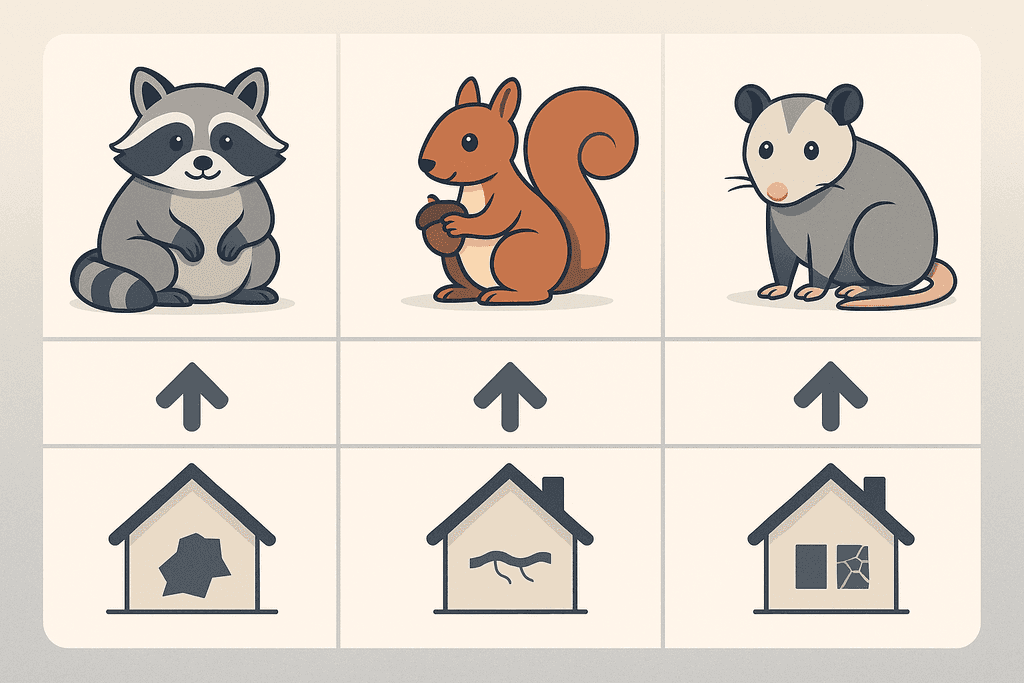
- Raccoons are the most destructive visitors, often tearing through roof vents and creating large entry points
- Squirrels are the most common attic invaders, especially during fall and spring nesting seasons
- Possums typically enter through crawl spaces and foundation gaps, preferring ground-level access
- Rats and mice can squeeze through openings as small as a quarter, making them hard to keep out
- Bats often roost in attics during summer months and can create serious health hazards
When Wildlife Problems Peak
Wildlife intrusions follow predictable patterns throughout the year. Knowing when to expect problems helps you stay one step ahead.
This video breaks down typical costs associated with professional critter control services, which helps you understand what to expect when dealing with wildlife problems.
Different animals become active at different times. Spring brings baby season for most critters, which means mothers are desperately searching for safe nesting spots. Fall sends squirrels into overdrive as they prepare for winter and look for warm places to store food. Winter drives all animals indoors when temperatures drop and natural shelter becomes scarce.
| Animal Type | Peak Season | Common Damage |
|---|---|---|
| Raccoons | Spring & Fall | Torn roof vents, destroyed insulation, contaminated attics |
| Squirrels | Year-round (peaks in Spring & Fall) | Chewed wires, damaged wood, holes in siding |
| Possums | Winter | Disturbed crawl spaces, damaged ductwork |
| Rats & Mice | Fall & Winter | Chewed electrical wires, contaminated food storage |
| Bats | Summer | Guano accumulation, strong odors, health risks |
The Real Cost of Wildlife Damage
Wildlife intrusions aren't just annoying. They can hit your wallet hard and put your family's health at risk. The average homeowner spends between $2,000 and $4,000 repairing wildlife damage, and that doesn't include the cost of replacing contaminated insulation or fixing electrical problems.
- Chewed electrical wires create serious fire hazards and can cost thousands to repair
- Contaminated insulation loses its effectiveness and must be completely replaced
- Animal waste carries diseases like raccoon roundworm and histoplasmosis
- Structural damage from chewing and nesting weakens your home's integrity
Companies like Critter Control and Terminix handle these problems across the country, but local expertise matters when dealing with North Texas wildlife. Wildlife X Team focuses specifically on the animals and challenges common to our area, using humane removal methods that work with local wildlife patterns. The key is catching problems early before a small entry point becomes a major infestation.
Health Risks You Need to Know About
Beyond property damage, wildlife in your home creates genuine health concerns. Animal droppings and urine can contaminate your living spaces with bacteria and parasites.
- Raccoon feces can contain roundworm eggs that remain infectious for years in your attic
- Bat guano produces airborne spores that cause respiratory infections
- Rodent droppings spread hantavirus, which can be fatal in severe cases
- Fleas and ticks from wildlife can infest your home and bite family members
- Direct contact with wild animals risks rabies exposure, requiring immediate medical treatment
The good news is that professional wildlife removal addresses both the animals and the contamination they leave behind. Proper cleanup and disinfection protect your family from these hidden dangers that stick around long after the critters are gone.
DIY Critter Control Methods and Their Limitations
Most homeowners try to handle wildlife problems on their own before calling in help. You've probably seen the advice online about using mothballs in your attic or spraying ammonia around entry points. Maybe you've even tried setting up bright lights or playing loud music to scare animals away. These methods seem simple enough, and they're definitely cheaper than hiring someone. But here's what most people don't realize until it's too late.
DIY Critter Control Methods and Their Limitations
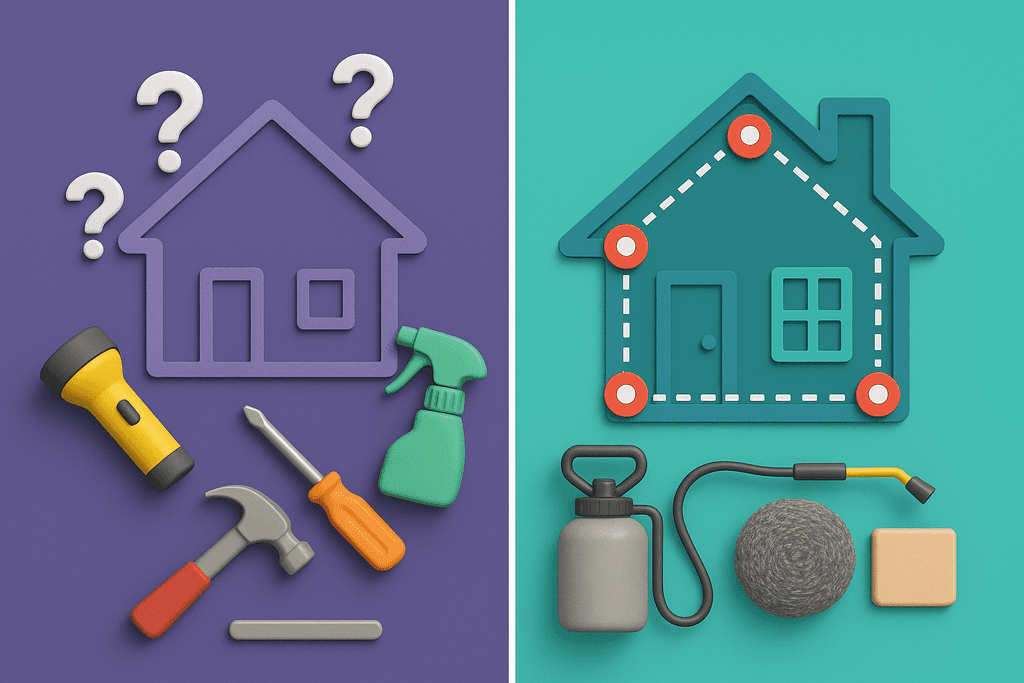
DIY deterrents rarely work for more than a few days. Animals are smart and adaptable. That raccoon in your attic might avoid the mothballs for a night or two, but once it realizes there's no real danger, it comes right back. The same goes for lights and sounds. Wildlife gets used to these things quickly, especially when there's a warm, safe space waiting for them.
- Mothballs lose their scent within days and can be toxic to pets and children
- Ammonia evaporates quickly and doesn't create a lasting barrier
- Motion-activated lights and sound devices become background noise to persistent animals
- Store-bought traps often catch the wrong animals or injure wildlife
- Sealing one obvious hole while missing three others just frustrates everyone
The bigger problem with DIY approaches is safety. Wild animals carry diseases like rabies, and they can be aggressive when cornered or protecting their young. Even squirrels can deliver nasty bites that require medical attention. Handling wildlife without proper training and equipment puts you and your family at risk.
What really makes DIY methods fail is that they don't address why animals chose your property in the first place. You might patch the hole you can see in your soffit, but there could be gaps in your foundation, damaged vent screens, or openings around your chimney that you'd never notice from the ground. Jesse Bernard, one of our customers, thought he found the entry point where squirrels were getting into his attic. Turns out there were a couple of others he never would have spotted on his own.
Professional Wildlife Removal Services
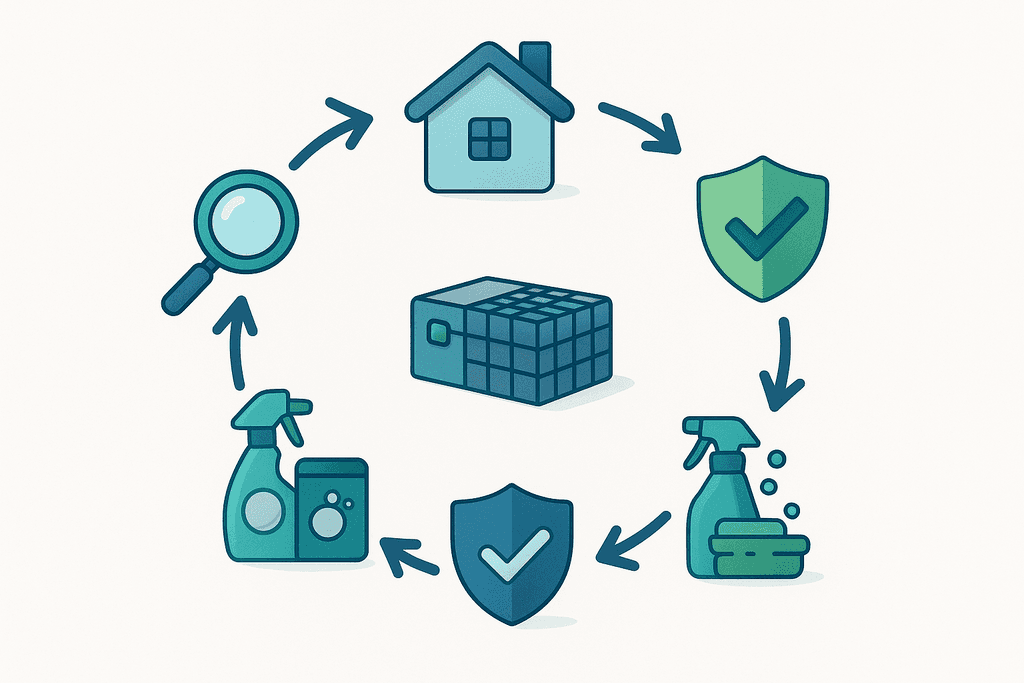
Professional wildlife removal starts with something most homeowners skip entirely: a thorough inspection. When Wildlife X Team arrives at a property, the first step is creating a detailed Wildlife Inspection Report. This isn't just a quick walk around your house. It's a complete assessment of every potential entry point, from your roof line down to your foundation. The inspection identifies not just where animals are getting in, but where they might get in next.
Professional Wildlife Removal Services
Humane removal techniques make all the difference. Professional wildlife specialists understand animal behavior in ways that matter. They know when raccoons have babies in the nest, which changes the entire removal approach. They use one-way doors that let animals leave but not return, avoiding the need to trap or harm them. This expertise comes from years of experience and actual training in wildlife biology.
The gap between removal-only services and comprehensive solutions is huge. Some companies will catch the animal and leave. That's like treating a symptom without curing the disease. Wildlife X Team takes a different approach by combining removal with prevention, so you're not dealing with the same problem three months later. The inspection report shows you exactly what needs to happen to keep animals out for good.
- Complete property assessment from roof to foundation
- Identification of all current and potential entry points
- Safe removal using humane, species-specific methods
- Documentation of damage and contamination
- Clear explanation of what caused the problem
- Prevention plan tailored to your specific property
Professional equipment matters too. Specialists have cameras to inspect inside walls and attics, protective gear for handling contaminated materials, and tools designed specifically for wildlife work. They can reach areas you can't safely access and spot signs of animal activity that look like normal wear and tear to untrained eyes.
Prevention and Exclusion Strategies
Keeping animals out permanently requires more than just fixing the obvious problems. Animal proofing involves reinforcing every vulnerable spot on your property. This means installing chimney caps that can't be pushed aside, securing vent guards that actually stay in place, and repairing foundation gaps that most people don't even know exist. The goal is to make your home completely inaccessible to wildlife without changing how it looks or functions.
Sealing and caulking work differently for wildlife than it does for weatherproofing. Animals can chew through standard caulk and tear away basic screening. Professional exclusion uses materials that resist gnawing and clawing. Heavy-gauge steel mesh, reinforced flashing, and commercial-grade sealants create barriers that last for years.
- Foundation repairs to close gaps and cracks
- Chimney caps and screens designed for wildlife exclusion
- Reinforced vent guards on all exterior vents
- Soffit and fascia repairs with chew-resistant materials
- Roof edge protection to prevent climbing access
- Gable vent screening with proper installation
Attic restoration addresses the damage animals leave behind. Wildlife doesn't just nest in your attic. They urinate, defecate, and sometimes die there. This creates health hazards that don't go away when the animals do. Contaminated insulation needs to be removed and replaced. Surfaces need proper disinfection. Entry points need sealing from the inside to prevent future invasions.
Commercial properties face unique challenges because they're larger and have more potential entry points. Warehouses, office buildings, and retail spaces need customized solutions that don't interfere with business operations. Wildlife X Team works with commercial clients to schedule services during off-hours and minimize disruption while still providing complete protection.
The renewable lifetime warranty backs up all this work. It's not just a promise that the repairs will hold. It's a guarantee that if wildlife finds a way back in through a protected area, the problem gets fixed at no additional cost. That kind of long-term protection gives you actual peace of mind instead of just hoping the problem stays solved.
Choosing the Right Solution for Your Situation
Most homeowners wait an average of three weeks after first noticing wildlife activity before taking action, which often leads to more damage and higher repair costs. The decision between handling critter problems yourself or calling in professionals depends on several factors that go beyond just the initial price tag. Understanding what you're really dealing with can save you both money and headaches down the road. The type of animal, the extent of the infestation, and the location of the problem all play major roles in determining your best course of action.
When DIY Makes Sense
Some situations are straightforward enough for property owners to handle on their own. If you've spotted a single mouse or noticed minor entry points before any animals have moved in, basic prevention might be all you need.
- Single animal sightings with no evidence of nesting or damage
- Preventive measures like sealing obvious gaps before wildlife arrives
- Installing basic deterrents in low-risk areas like gardens
- Situations where you can safely access the problem area without climbing or crawling
Signs You Need Professional Help
The reality is that most wildlife situations require expertise that goes beyond what hardware store solutions can provide. Animals living in your attic or walls create health hazards through droppings and urine that need proper handling.
- Multiple animals or evidence of breeding activity
- Wildlife in hard-to-reach areas like attics, crawl spaces, or inside walls
- Visible damage to insulation, wiring, or structural components
- Strong odors indicating significant contamination
- Aggressive animals or species that carry rabies risk like raccoons and bats
Evaluating Service Providers
Not all wildlife removal companies operate the same way. Some focus purely on trapping and removal, while others like Wildlife X Team provide comprehensive solutions that include inspection, removal, cleanup, and prevention with warranty protection.
- Licensed and insured professionals with specific wildlife training
- Detailed inspection reports that identify all entry points
- Humane removal methods that comply with local regulations
- Complete cleanup and restoration services, not just animal removal
Questions to Ask Before Hiring
The cheapest quote often ends up costing more when companies skip crucial steps. Ask potential providers about their full process from start to finish.
- Do you provide a written inspection report before starting work?
- What does your service include beyond just removing the animals?
- Do you offer any warranty or guarantee on your exclusion work?
- How do you handle contaminated insulation and sanitization?
- Are you licensed for wildlife removal in this area?
Red Flags to Watch For
Some warning signs indicate a company might not deliver quality results. Companies that pressure you into immediate decisions or can't explain their process clearly often cut corners.
- Refusing to provide detailed written estimates
- Offering removal-only services without addressing entry points
- Unable to show proper licensing or insurance documentation
- Pushing poison or lethal methods as the primary solution
- No mention of cleanup, sanitization, or prevention strategies
Long-term value matters more than upfront cost when dealing with wildlife problems. A company that seals one obvious hole but misses three others will have you paying for service calls again in a few months. Wildlife X Team's approach includes thorough inspection, complete exclusion work, and renewable lifetime warranty coverage that addresses the root cause rather than just the symptoms.
Making the Smart Choice for Wildlife Control
Dealing with critters on your property really comes down to three main options: trying to handle it yourself, calling a general pest control company, or working with wildlife specialists. DIY methods might seem cheaper at first, but they usually miss hidden entry points and don't address the root cause. General pest control companies often focus on insects and rodents but lack the specific training for larger wildlife like raccoons and squirrels. That's where specialized wildlife services make the biggest difference.
The key thing to remember is that removal alone never solves the problem long-term. You need both parts working together: getting the animals out safely and making sure they can't get back in. Wildlife X Team handles both sides of this equation, from the initial inspection to sealing up every possible entry point.
Professional expertise matters more than most people realize. What looks like one obvious hole in your attic might actually be three or four entry points that only trained eyes can spot. Plus, there's the health risks from contaminated insulation and droppings that need proper cleanup.
The longer you wait to address wildlife problems, the worse the damage gets. Animals don't just leave on their own, and that scratching in your walls tonight could turn into thousands of dollars in repairs next month. Our Renewable Lifetime Warranty gives you protection that lasts, not just a quick fix that fails in six months.
If you're hearing noises in your attic or seeing signs of animal activity around your property, you probably have questions about what happens next.
Common Questions About Critter Control
Dealing with unwanted wildlife in your home brings up a lot of questions, especially if it's your first time facing this problem. Most homeowners want to know what to expect before they call for help, and that makes sense when you're inviting someone into your space to handle animals. The good news is that professional wildlife removal has come a long way, and the process is much more straightforward than most people think. Here are the answers to the most common questions we hear from property owners dealing with critter problems.
How quickly can professionals respond to wildlife issues?
Most professional wildlife removal companies can respond within 24 to 48 hours of your initial call. Wildlife X Team often provides same-day service for urgent situations, especially when animals pose immediate risks to your property or family. Response times can vary based on your location and the severity of the infestation, but companies in the Dallas-Fort Worth area typically prioritize emergency calls.
Are wildlife removal methods safe for pets and children?
Yes, humane wildlife removal methods prioritize the safety of everyone in your home, including pets and children. Professional services use exclusion techniques, one-way doors, and live trapping rather than harmful chemicals or poisons. The technicians will inform you of any areas to avoid during the removal process, but the methods themselves don't pose risks to your family or household pets.
What happens to animals after removal?
Captured animals are relocated according to local wildlife regulations and ethical guidelines. Most companies follow state laws that dictate where and how animals can be released. Some animals may be taken to wildlife rehabilitation centers if they're injured, while others are released in appropriate habitats away from residential areas.
How long does the exclusion process take?
The exclusion process typically takes one to three days depending on the size of your property and the number of entry points that need sealing. Simple repairs like sealing a single attic vent might take just a few hours, while comprehensive animal proofing for an entire home could require multiple visits. The inspection report will give you a clear timeline before any work begins.
Do warranties really protect against future intrusions?
A quality warranty does provide real protection, but you need to understand what it covers. Wildlife X Team offers a renewable lifetime warranty that covers the specific areas where exclusion work was performed. If animals breach those sealed entry points, the company returns to fix the problem at no additional cost. However, warranties typically don't cover new damage to different areas of your property that weren't part of the original work.
Can wildlife return after removal?
Wildlife can attempt to return, which is why exclusion work is so important. Animals have strong homing instincts and may try to get back into spaces they previously occupied. Professional exclusion services prevent this by sealing all entry points and installing barriers that animals can't breach. Without proper exclusion, you're just removing the current animals without addressing why they got in, which means new critters will likely find the same openings.