
Compare Critter Removal Services and Prevention Options
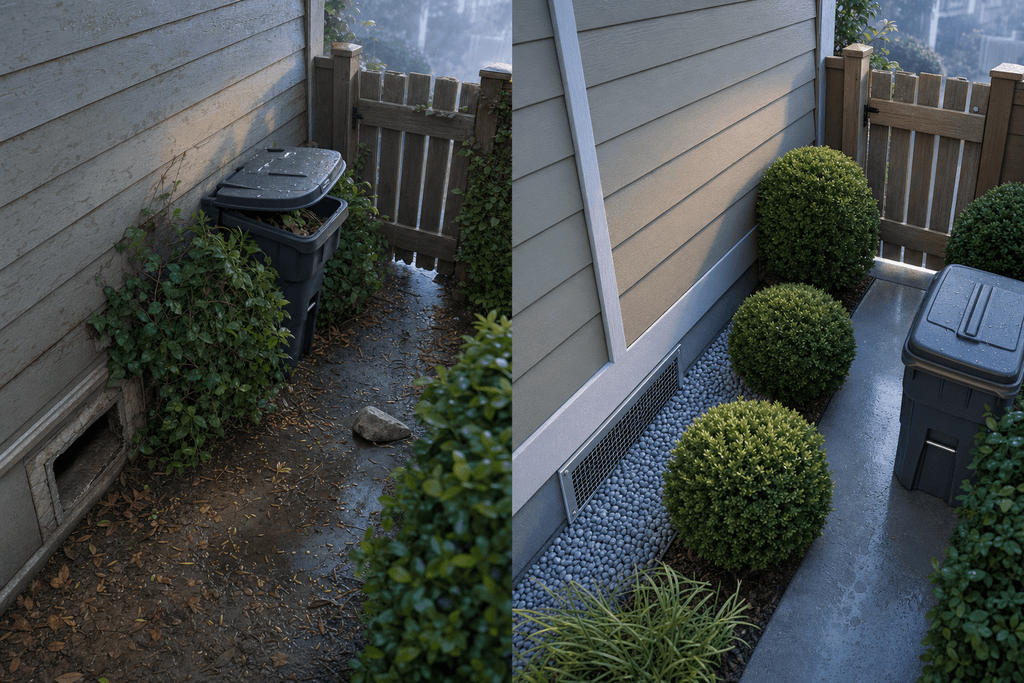
Most repeat wildlife calls happen for one reason: only the animal got removed, not the hole it used to get in. A raccoon gets trapped and hauled off, everyone feels relief, and three months later a new one walks through the same gap in the soffit. If you are searching for critter removal and comparing a few companies in Keller or anywhere around Fort Worth, the price quote is the least useful number on the page. What matters is whether the service includes finding and closing entry points, or just pulling the animal out and leaving the door open.
Trapping alone is cheap and fast, which is why it gets sold so often. Sealing foundation gaps, chimney caps, vent guards, and attic damage takes longer and costs more up front, but it is the only part that stops the next animal from moving in. A fair comparison looks at what each company actually does after the critter is gone, not just what they charge to catch it.
Table of Contents
Why Critter Removal Isn't One Size Fits All
A single possum stuck in a window well is a different job than a squirrel family that has been nesting in the attic for weeks. Noise at night can mean one animal passing through, or it can mean a litter of young already born in your insulation. The right fix depends on which one you have, not just which animal it is.
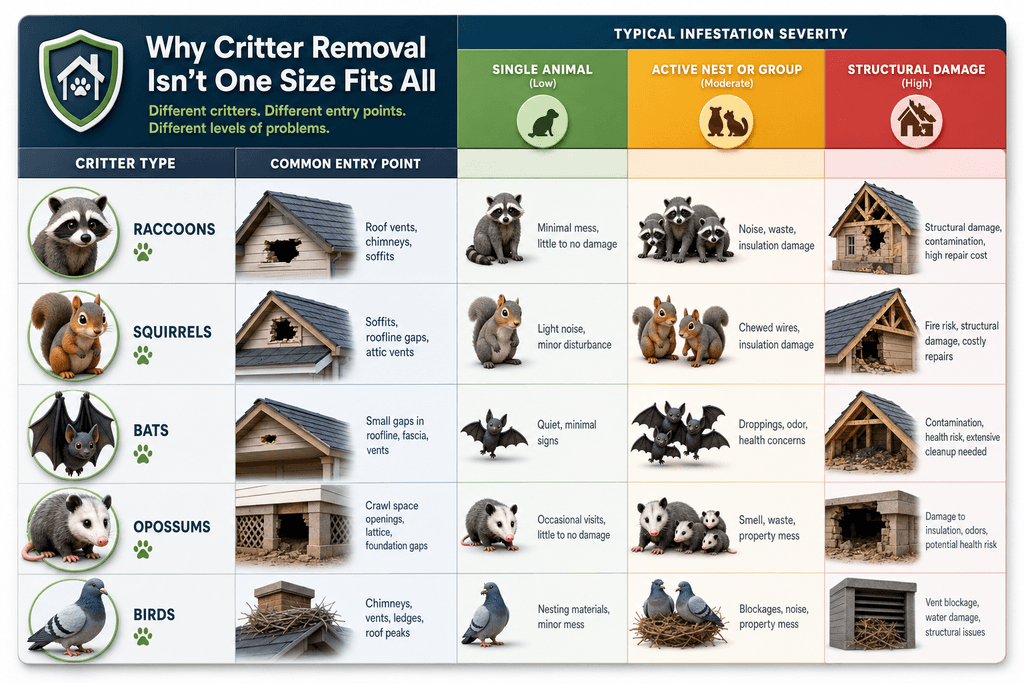
Raccoons tend to tear up ductwork and leave heavy droppings that carry real health risks. Squirrels chew wires and wood framing, and they breed fast, so one pair can become a colony in a season. Rodents like rats and mice cause less structural damage but spread faster through smaller gaps, and possums usually cause the least damage but still need the entry point sealed.
Here is a quick look at where each one tends to get in and how bad the damage usually runs:
- Raccoons: roof vents and chimneys, heavy damage
- Squirrels: roof edges and soffit gaps, moderate to heavy damage
- Possums: foundation vents and crawl spaces, light to moderate damage
- Rats and mice: utility line gaps and small cracks, light damage, fast spread
A quick estimate over the phone cannot tell the difference between a single visitor and a full nest. That takes someone looking at the droppings, the damage pattern, and the entry point in person.
One-Time Removal Versus Full Exclusion Plans
A one-time removal gets the current animal out of your attic or crawl space and stops there. It solves the immediate problem, but the gap that let the animal in stays open, which is why so many Keller and Southlake homeowners end up calling again the next season.
Full exclusion work goes further. It includes foundation repair, chimney protection, vent guards, and caulking around the spots animals actually use to get inside. Wildlife X Team builds this into a Wildlife Inspection Report, a walk-through of the property that flags every weak point before any work starts, not after.
Here is how the two approaches compare on what you actually get:
- One-time removal: traps and removes the animal present, no entry point work
- Full exclusion: seals vents, chimneys, foundation gaps, and soffit damage
- Inspection-based plan: documents every vulnerable spot before repairs begin
- Follow-up risk: one-time removal carries a higher chance of a repeat call
The single biggest difference is what happens to the opening the animal used, not how the animal was caught. If that opening stays unsealed, the next critter finds it fast.
What Service Packages Typically Cost
Wildlife X Team does not list fixed prices online, because the right number depends on what the inspection finds, not a flat rate by animal type. That said, the type of service you choose does shift the cost range in a predictable direction.
Trapping and removal only tends to run lower up front, but it often means repeat visits if the entry point reopens or a second animal moves in. Exclusion and sealing work costs more at the start because it involves materials and labor for vent guards, chimney caps, and foundation repair, but it cuts down on future service calls. A full prevention plan that adds attic cleanup and a renewable lifetime warranty sits at the top of the range, and it is built for people who want to stop dealing with the problem altogether.
When comparing quotes, look at what is actually included:
- Trapping only: lowest upfront cost, no entry point work
- Exclusion and sealing: mid-range cost, addresses the cause
- Full prevention plan: highest cost, includes cleanup and warranty coverage
The quote should come from an on-site inspection, not a phone estimate. A number given before anyone looks at your roofline or foundation is a guess, not a plan.
Attic Cleanup and Commercial Service Needs
Pulling an animal out of an attic does not remove what it left behind. Droppings, urine, and torn insulation stay put unless someone cleans them up, and that mess carries real health risk long after the animal is gone.
A thorough cleanup disinfects the contaminated area, replaces damaged insulation, and seals the entry points so the space does not get reclaimed. Skipping this step leaves contamination and odor behind, which can also draw in the next animal looking for an easy nest site.
Commercial properties need a different approach than homes. A restaurant in Grapevine or a warehouse in North Richland Hills has more at stake in terms of liability, food safety, and property damage, so the plan has to account for that. A good cleanup should include:
- Removal of contaminated insulation and nesting material
- Disinfecting the affected area, not just the visible mess
- Sealing every entry point found during the inspection
- A plan suited to the building type, home or commercial
The cleanup step is what actually protects health, not just the removal of the animal itself.
Spotting a Reputable Provider Before You Sign
Before you sign anything, ask what happens if the animal comes back. A company willing to put that answer in writing, like a renewable lifetime warranty, is telling you they stand behind the exclusion work, not just the trapping.
Confirm the company carries insurance and uses humane removal methods, since both protect you if something goes wrong on your property. Then check reviews for mentions of follow-up visits or unresolved issues, since a pattern of repeat calls in someone else's review is a preview of what you might get.
A few red flags are worth walking away from:
- No in-person inspection before a price is quoted
- Pressure to sign a contract the same day
- Vague scope of work with no list of what is sealed or repaired
- No mention of warranty or guarantee terms
The written guarantee matters more than the sales pitch. A company that explains the inspection findings and puts the warranty in writing is giving you something to hold them to later.
Choosing Based on What You Will Spend Over a Year
A trapping visit that runs lower up front looks like the smart pick until the same raccoon, or its replacement, shows up again in six weeks. Three repeat calls in a year can cost more than one exclusion job, and you still have an open entry point after all three. If you have had more than one wildlife call at the same address in the past year, that history alone is reason to price out full exclusion instead of another trap.
Raccoons and squirrels are the two animals most likely to make this math hurt, since both will reuse or reopen a gap once they know it is there. A homeowner dealing with a single possum passing through may be fine with a one-time visit. A homeowner with a squirrel colony that has already bred in the attic is paying for repeat trips either way, so the exclusion plan is the cheaper path even at a higher sticker price.
A renewable lifetime warranty changes this calculation directly. If a covered animal gets back in after the exclusion work, the callback is handled at no extra charge, so the cost of the plan does not creep up the way repeat trapping visits do. That is the detail worth asking about before comparing any two quotes side by side.
Deciding Which Level of Service Fits Your Property
Match what you buy to what your property actually faces, not to the lowest number on a quote. A single-story home with no prior calls and tight soffits has less risk than a house with open vents, a chimney gap, and a raccoon call from last spring. If you cannot tell which category you fall into, skip the guesswork and start with an inspection, which is how Wildlife X Team scopes a property before recommending trapping, exclusion, or a full plan. They cover Keller, Fort Worth, Denton, Granbury, and the surrounding towns listed above, so an on-site look is the one step that turns a vague estimate into an actual decision you can compare against other quotes.
Common Questions About Critter Removal Choices
Will my homeowners insurance cover any part of critter removal or repairs?
Sometimes, but usually only the damage, not the removal itself. Many policies cover repairs to a chewed roofline or torn ductwork if the cause was sudden, but they often exclude pest or wildlife removal costs outright. Call your insurance agent before the work starts and ask them directly what your policy excludes, since wording varies by carrier.
Can I combine a smaller budget trapping visit with exclusion work later?
Yes, and plenty of homeowners do it that way when money is tight. You can pay for removal now and schedule the sealing and vent guard work once you have the budget, though the entry point stays open in the meantime, so a second animal could get in before you finish the job. Wildlife X Team can quote both phases up front during the inspection so you know the full cost before deciding.
What happens if a company's warranty doesn't cover the specific animal that returns?
Ask for the exact list of covered species before you sign, not after. Some warranties only apply to the animal that was originally removed, so a raccoon warranty might not help if squirrels move in through a different gap. Get the covered animals and the covered entry points written into the contract so there is no argument later.
Is it worth getting a second inspection if two companies quote very different scopes of work?
Yes, especially if one quote lists specific repairs and the other does not. A wide gap usually means one company inspected the roofline, foundation, and chimney while the other gave a phone estimate without walking the property. Compare what each inspection actually found, not just the final price, before picking either one.