Choosing Animal Control Experts: Credentials to Look For in DFW

A raccoon tore through your attic last month, and the guy you hired to fix it charged you $800 but didn't seal the main entry point. Now you're dealing with squirrels, and you're wondering if every wildlife removal company in DFW cuts corners like this. The truth is that proper credentials separate professionals who solve problems from operators who create expensive repeat visits, and knowing what to look for can save you thousands in repairs and liability down the road.
Table of Contents
- The Wildlife Removal Industry in Texas
- Essential Licenses and Certifications to Verify
- Experience and Specialized Knowledge That Counts
- Warranty and Service Guarantees That Protect You
- What Happens When You Skip the Credential Check
- Making the Right Choice for Your Property
- Common Questions About Wildlife Removal Credentials
The Wildlife Removal Industry in Texas
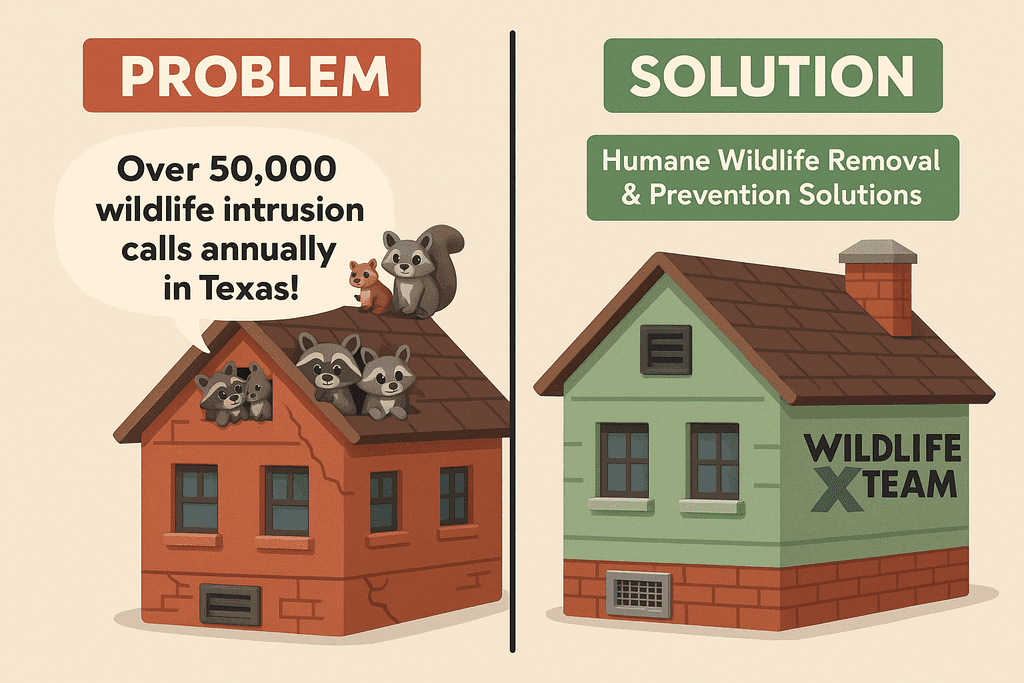
Texas sees over 50,000 wildlife intrusion calls every year, with the DFW metroplex accounting for nearly a third of those incidents. The warm climate and rapid urban expansion create perfect conditions for raccoons, squirrels, and opossums to move into attics, crawl spaces, and commercial buildings. As neighborhoods push further into natural habitats, the line between wildlife territory and human property gets blurrier every year. What used to be occasional problems have become regular headaches for homeowners and business owners across Fort Worth, Denton, and Granbury.
Texas Regulations and Legal Requirements
The Texas Parks and Wildlife Department sets strict rules about who can handle wildlife and how they do it. Not everyone with a truck and a ladder is legally allowed to trap and relocate animals. The state requires specific permits and training because improper handling can spread diseases, harm protected species, or just move the problem to someone else's backyard.
Here's what the law actually requires:
- Wildlife control operators must hold a valid Nuisance Wildlife Control Permit from TPWD
- Certain animals like bats and migratory birds have federal protections that require special handling
- Relocation of trapped animals must follow county-specific guidelines to prevent disease spread
- All removal methods must meet humane standards set by state wildlife codes
This video shows how proper animal control credentials make a real difference in handling wildlife situations professionally. The same principles apply whether you're dealing with municipal animal control or private wildlife removal services.
The Rise of Unqualified Operators
The wildlife removal industry has grown by 23% in the last five years across Texas. More demand means more companies jumping into the business, but not all of them know what they're doing. Some operators skip the permit process entirely, while others lack basic knowledge about animal behavior or safe exclusion techniques.
Common problems with unqualified operators include:
- Sealing entry points without checking for babies trapped inside
- Using illegal or inhumane trapping methods that violate state codes
- Failing to identify all entry points, leading to repeat infestations
- Skipping proper attic cleanup, leaving disease risks behind
What Makes DFW Unique
The Dallas-Fort Worth area faces wildlife challenges that other Texas cities don't deal with as heavily. The Trinity River corridor creates natural highways for raccoons and opossums to travel between neighborhoods. Older homes in established areas like Fort Worth have plenty of gaps and weak points that animals exploit, while newer construction in Denton and surrounding areas pushes directly into former wildlife habitat.
DFW-specific wildlife issues include:
- Raccoon populations that have adapted to urban environments and lost fear of humans
- Squirrel activity that peaks twice yearly during nesting seasons in spring and fall
- Bat colonies in commercial buildings that require specialized removal due to federal protections
Wildlife X Team handles these local challenges with proper credentials and humane methods across the entire metroplex. The company's Wildlife Inspection Report identifies vulnerabilities specific to DFW construction styles and local animal behavior patterns, something generic pest control companies often miss.
Essential Licenses and Certifications to Verify
Most people don't realize that anyone with a truck and a ladder can claim to be a wildlife removal expert in Texas. The difference between a qualified professional and someone who just watched a few YouTube videos often comes down to the paperwork they carry. When you're dealing with raccoons tearing through your attic insulation or squirrels chewing electrical wires, you need someone who knows what they're doing and has the credentials to prove it.

Essential Licenses and Certifications to Verify
In Texas, legitimate wildlife control operators need specific permits from the Texas Department of State Health Services. This isn't just a formality. These permits ensure the person entering your home understands disease transmission, proper handling techniques, and public health protocols. Without this permit, they're essentially operating illegally.
Here's what you should always verify before hiring anyone:
- Nuisance Wildlife Control Operator permit issued by the state
- General liability insurance that covers property damage during removal
- Workers compensation insurance in case someone gets injured on your property
- Local business licenses for Fort Worth, Denton, or whichever DFW city they operate in
- Professional certifications from organizations like the National Wildlife Control Operators Association
- Specialized training documentation in humane removal methods
The insurance part matters more than most homeowners think. If an uninsured operator falls through your ceiling or accidentally damages your roof, guess who's paying for it. Companies like Wildlife X Team carry comprehensive coverage because they understand the risks involved in this work.
Some operators will show you a pest control license and hope you don't know the difference. Wildlife removal requires different training than spraying for termites. The animals we deal with in DFW, from raccoons to opossums, need handlers who understand their behavior patterns and stress responses.
Quick Verification Checklist
- Ask to see their Texas Department of State Health Services permit number
- Request proof of current liability insurance (at least $1 million coverage)
- Verify their business license with your local city office
- Check how long they've been operating in the DFW area
- Ask about their specific training in humane removal techniques
- Confirm they have workers compensation if they employ a team
Experience and Specialized Knowledge That Counts
A permit tells you someone passed a test, but it doesn't tell you if they can actually solve your problem. The DFW area has unique wildlife challenges that you only learn through years of hands-on work. Raccoons in Granbury behave differently than raccoons in downtown Fort Worth, and knowing these patterns makes the difference between a quick fix and a recurring nightmare.
Experience and Specialized Knowledge That Counts
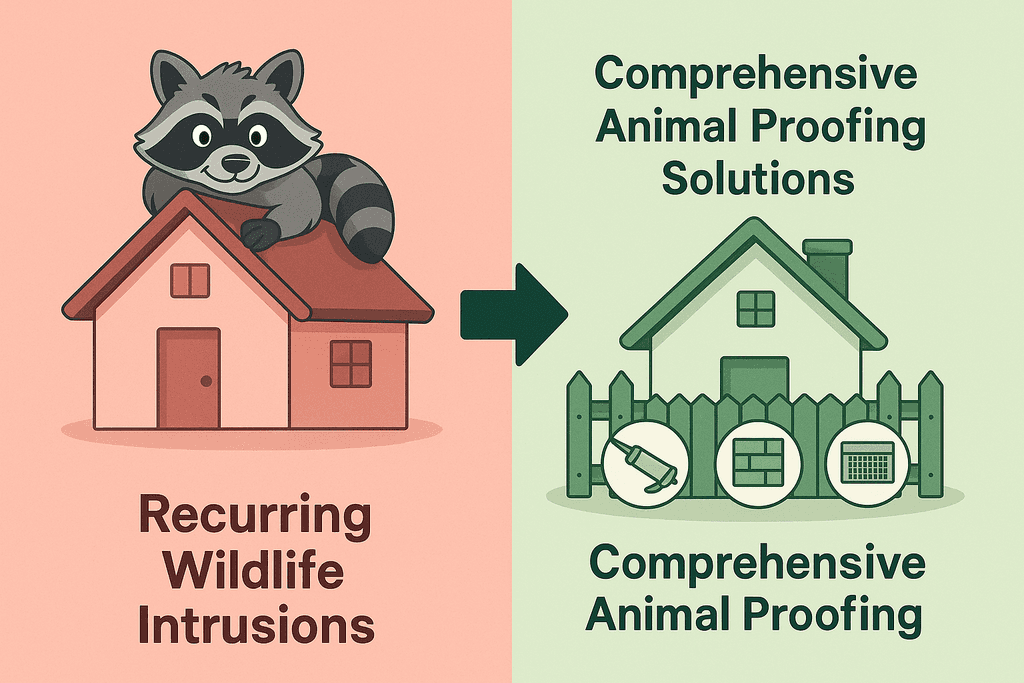
Experience shows up in unexpected ways. A seasoned professional can look at your roofline and immediately spot the three entry points you didn't notice. They understand that squirrels don't just randomly pick houses, they're looking for specific features like overhanging tree branches or gaps in soffit vents.
Understanding animal behavior goes beyond just knowing what they eat. Experienced operators recognize seasonal patterns, like when raccoons are most likely to seek attic spaces for birthing or when squirrels start hoarding for winter. This knowledge affects timing, approach, and prevention strategies.
Building construction knowledge separates the amateurs from the professionals. Wildlife doesn't care about your home's architecture, but a good removal expert needs to understand it. They know how different foundation types create vulnerabilities, which chimney designs need special protection, and where modern homes typically have weak points that animals exploit.
Commercial properties add another layer of complexity. A warehouse in Denton has different access points than a restaurant in Fort Worth. Our team at Wildlife X Team has handled both residential and commercial cases, which means we've seen just about every scenario animals can create.
Here's what real experience looks like in action:
"We had a squirrel party in our attic. They came out to give an estimate and got to work on the spot. One entry point was obvious and I'd considered closing it up myself, but they found a couple of others I never would have." - Jesse Bernard
That's the difference. Jesse could see one problem, but the trained eye caught the others. Those hidden entry points would have meant squirrels returning within weeks, even after sealing the obvious hole.
Another customer noted the educational aspect: "Jason was easy to deal with and a zoologist. Very impressive to a teacher." That combination of formal education and practical application creates solutions that actually last.
Warranty and Service Guarantees That Protect You
Anyone can promise their work will last forever, but putting it in writing is a different story. The warranty a wildlife removal company offers tells you how confident they are in their methods. It also reveals whether they plan to stick around if something goes wrong six months from now. Most homeowners don't think about warranties until they're watching a raccoon squeeze back through a supposedly sealed entry point.
A renewable lifetime warranty sounds impressive, but you need to understand what it actually covers. Does it guarantee the animals won't return, or just that the specific repairs won't fail? There's a big difference. Some companies only warranty their workmanship, meaning if a raccoon finds a completely different entry point, you're on your own.
Wildlife X Team's approach covers both the repairs and protection against future invasions. That means if any animal finds a way back into your attic, we come back and fix it. No arguing about whether it's the same hole or a new one.
Watch out for these warranty red flags:
- Verbal promises with nothing in writing
- Warranties that expire after 30 or 60 days (animals don't work on that timeline)
- Coverage that excludes "acts of nature" or "normal wear and tear"
- Requirements for expensive annual inspections to maintain the warranty
- No clear contact information for warranty claims
The difference between a workmanship warranty and a wildlife return guarantee matters more than most people realize. A workmanship warranty means the company will fix their installation if it breaks. A wildlife return guarantee means they'll address the problem if animals get back in, regardless of how.
Written guarantees protect both parties. They spell out exactly what's covered, for how long, and what steps you need to take if there's an issue. If a company hesitates to put their promises in writing, that tells you everything you need to know about their confidence in their work.
Follow-up inspections separate the professionals from the fly-by-night operators. Responsible companies want to verify their exclusion work is holding up. We schedule follow-up checks because prevention strategies sometimes need adjustment as buildings settle or weather conditions change. It's not about the work failing, it's about ensuring long-term protection in a dynamic environment.
The testimonials from our customers reflect this commitment. Mark Thompson noted: "Top notch service! They effectively removed the raccoons and secured my attic against future invasions." That security comes from comprehensive warranties backed by experienced teams who know their work will hold up over time.
What Happens When You Skip the Credential Check
Most homeowners who hire the cheapest wildlife removal service end up paying twice. The initial savings disappear fast when animals return within weeks, or worse, when improper repairs cause thousands in additional damage. What seems like a simple raccoon problem turns into a nightmare of repeat visits, failed exclusions, and mounting bills that could have been avoided with one properly credentialed service call.
The Real Cost of Failed Wildlife Removal
The financial impact of hiring unqualified operators adds up faster than most people expect. A typical homeowner who chooses an unlicensed service might pay $200 for initial removal, but that's just the beginning of their expenses.
Average cost of proper initial service: $500-$800
Average total cost after failed attempts: $2,500-$4,000
When exclusion work fails because someone didn't know what they were doing, animals come back. Each return visit means another service call, more repairs, and additional cleanup costs that pile up quickly.
- Second and third removal attempts from different companies
- Structural repairs from improper sealing methods that trap moisture
- Replacement of insulation damaged during amateur cleanup attempts
- Medical bills from exposure to contaminated areas
Property Damage Nobody Warns You About
Unqualified operators cause damage that goes beyond just missing a few entry points. They might seal vents without proper guards, trap animals inside walls, or use materials that deteriorate within months. Wildlife X Team's comprehensive inspection process identifies all vulnerable areas before any work begins, preventing the cascading failures that happen when someone just patches the obvious holes.
- Foundation cracks from improper sealing materials
- Roof damage from incorrectly installed chimney caps
- Electrical hazards from animals trapped in walls
- Mold growth from blocked ventilation
Legal and Health Risks You Inherit
When an unlicensed operator works on your property, you become liable for their mistakes. If they violate wildlife protection laws or cause injury to protected species, those fines land on the property owner. The health risks are even more immediate and dangerous.
- Exposure to rabies, histoplasmosis, and other diseases from improper cleanup
- Liability for injuries if unlicensed workers get hurt on your property
- Fines up to $10,000 for violations of state wildlife regulations
Time wasted on recurring issues: 3-6 months average
Time to resolution with qualified service: 1-2 weeks
The pattern repeats itself across the DFW area. Someone hires a guy with a truck and a trap, the animals come back, and months later they're calling a legitimate service like Wildlife X Team to fix everything properly. The renewable lifetime warranty offered by credentialed professionals exists because they know their work will last, unlike the temporary patches that send you back to square one.
Making the Right Choice for Your Property
When you're dealing with wildlife in your attic or walls, the credentials of the company you hire really do matter. The right team should have proper licensing, insurance coverage, and training in humane removal methods. They should also know local DFW wildlife laws and have experience with the specific animals causing problems in your home. Without these basics, you might end up with bigger problems than you started with.
Before you hire anyone, ask to see their credentials in writing. Check if they're licensed by the Texas Department of State Health Services and carry liability insurance. Ask about their removal methods and whether they offer prevention services, not just removal.
Here's what to verify before signing any contract:
- Valid state and local licenses
- Proof of liability and workers compensation insurance
- References from recent customers in your area
- Written warranty on their work
- Clear explanation of their removal and prevention process
Wildlife X Team meets all these credential requirements and backs up their work with a Renewable Lifetime Warranty. Our team includes trained specialists who understand both the technical side of wildlife removal and the humane treatment these animals deserve.
The longer you wait to address wildlife problems, the more damage they cause to your property. Once you've found a credentialed company you trust, getting them out for an inspection is the next step.
Common Questions About Wildlife Removal Credentials
When you're dealing with raccoons in your attic or squirrels chewing through your wiring, the last thing you want is to hire someone who doesn't know what they're doing. The credentials and qualifications of your wildlife removal company can make the difference between a problem that's solved for good and one that keeps coming back. Here are the most common questions homeowners in the DFW area ask about wildlife removal credentials.
Do wildlife removal companies need special licenses in Texas?
Yes, legitimate wildlife removal companies in Texas need specific licenses to operate legally. The Texas Parks and Wildlife Department requires a Wildlife Control Operator License for anyone who removes nuisance wildlife for compensation. Companies should also carry a general pest control license from the Texas Department of Agriculture if they're dealing with certain types of wildlife management. Always ask to see these licenses before hiring anyone to work on your property.
What insurance should a wildlife removal company carry?
A professional wildlife removal company should carry both general liability insurance and workers' compensation insurance. General liability protects your property if something goes wrong during the removal process, while workers' comp covers their employees if they get injured on your property. Wildlife X Team carries comprehensive insurance coverage to protect both our clients and our team members during every job.
How can I verify a company's credentials?
You can verify a company's wildlife control license through the Texas Parks and Wildlife Department's online database. For pest control licenses, check with the Texas Department of Agriculture. Don't be shy about asking the company directly for proof of insurance and licensing either. Any reputable company will be happy to provide this information upfront.
What certifications matter most for wildlife removal?
Beyond basic licensing, look for certifications from organizations like the National Wildlife Control Operators Association. Training in humane wildlife handling, structural exclusion techniques, and attic restoration also matters. Some companies employ wildlife biologists or zoologists who bring specialized knowledge to the job. The more training and education a company has, the better equipped they are to handle complex wildlife situations.
Does experience really make a difference in wildlife removal?
Experience makes a huge difference when it comes to wildlife removal. An experienced technician can spot entry points that a novice would miss completely, just like one of our clients discovered when we found multiple hidden access points beyond the obvious one. Years of hands-on experience mean faster problem identification and more effective long-term solutions that keep wildlife out for good.
What should a good warranty cover?
A solid warranty should cover both the exclusion work and guarantee against wildlife re-entry for a specified period. Some companies offer renewable lifetime warranties that protect your home as long as you maintain the service agreement. The warranty should clearly state what's covered, how long it lasts, and what conditions might void it. Be wary of companies that don't offer any warranty at all, as this often indicates they're not confident in their work.