Choose Humane Wildlife Removal Services for Safe, Lasting Results
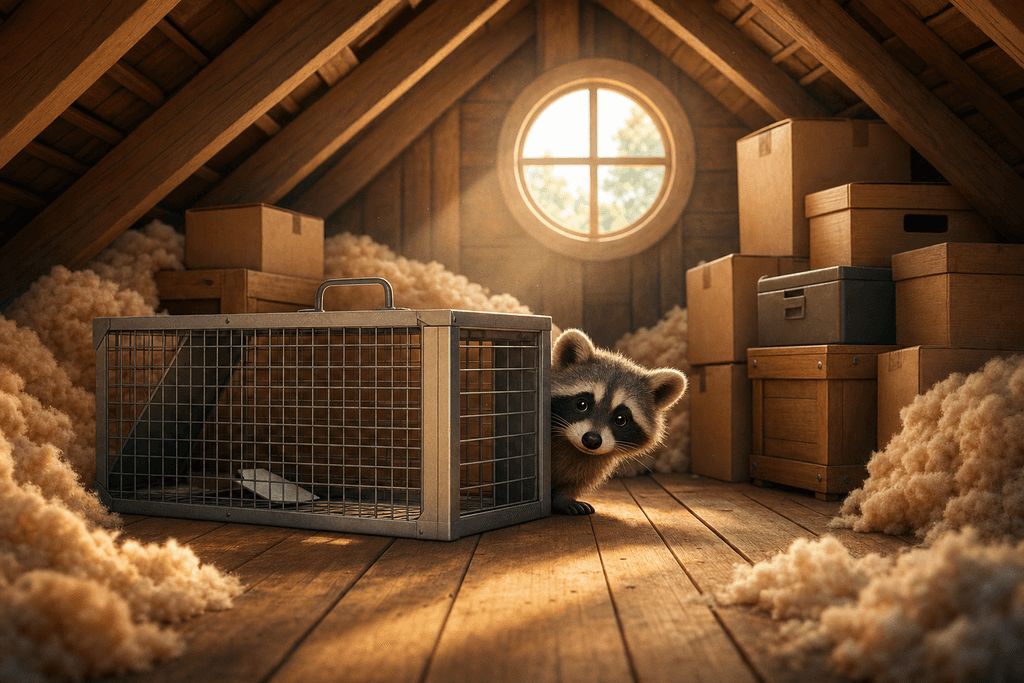
A raccoon tearing through your attic insulation at 2 AM isn't just annoying—it's a sign that traditional wildlife control methods have failed to address the real problem. Most homeowners in Keller and Fort Worth don't realize that trapping and relocating animals often leads to new wildlife moving in within weeks, creating an endless cycle of damage and expense. Wildlife X Team at 11833 Katy Rd in Keller, TX uses humane wildlife removal techniques that actually solve the problem by focusing on why animals entered your home in the first place.
Table of Contents
The Growing Need for Ethical Wildlife Solutions
Every year, over 15 million homes across the United States deal with unwanted wildlife visitors, and North Texas sees its fair share of these furry intruders. The Dallas-Fort Worth area has experienced rapid urban expansion, pushing into natural habitats and creating more overlap between human homes and wildlife territories. As neighborhoods spread into previously wooded areas, animals like raccoons, squirrels, and opossums find themselves with fewer natural shelter options. This means your attic, crawl space, or chimney starts looking like prime real estate to a mama raccoon looking for a safe place to raise her babies.
Wildlife intrusion calls in Texas have increased by 35% over the past five years, with the majority occurring in rapidly developing suburban areas around major cities.
Common Wildlife Species in North Texas
The Fort Worth and Keller areas are home to several wildlife species that commonly seek shelter in residential and commercial buildings. Understanding which animals you might encounter helps you recognize the signs of an intrusion early.
- Raccoons are the most frequent attic invaders, known for their dexterous paws that can tear open vents and shingles
- Squirrels typically enter through small gaps in rooflines and can chew through wood, plastic, and even some metals
- Opossums often take up residence in crawl spaces and under decks, especially during colder months
- Bats find their way into attics through openings as small as a quarter inch
- Skunks dig under foundations and porches, creating both odor and structural concerns
Seasonal Patterns Driving Wildlife Indoors
Wildlife doesn't randomly decide to move into your home. Their intrusions follow predictable seasonal patterns that align with their natural behaviors and survival needs. Spring brings pregnant females searching for safe nesting spots, while fall sees animals stockpiling food and seeking warm winter shelters.
The breeding season from March through May creates the highest demand for den sites. Female raccoons and squirrels become particularly aggressive about finding secure locations to raise their young. Your warm, dry attic provides protection from predators and harsh weather that a hollow tree simply can't match.
- Spring (March-May) sees pregnant females seeking nesting sites in attics and chimneys
- Summer (June-August) brings juvenile animals exploring and sometimes getting trapped in homes
- Fall (September-November) triggers food hoarding behavior and preparation for winter
- Winter (December-February) drives animals to seek warm shelter from freezing temperatures
Why Dallas Fort Worth Sees Increased Activity
The Dallas-Fort Worth metroplex presents a perfect storm of conditions that attract wildlife to residential areas. The region's mix of wooded creek beds, open prairies, and suburban development creates countless edge habitats where wildlife thrives. Add in the area's mild winters compared to northern states, and you have year-round wildlife activity instead of seasonal dormancy.
Properties within half a mile of wooded areas or water sources experience 3 times more wildlife intrusion attempts than those in fully developed urban centers.
Construction of new neighborhoods continues at a rapid pace throughout Denton, Granbury, and surrounding communities. Each new development displaces wildlife populations that have lived in those areas for generations. These animals don't simply disappear; they adapt by moving into the structures humans build.
- Urban sprawl has reduced natural habitat by over 40% in the past two decades
- Mature trees in established neighborhoods provide ideal wildlife corridors and food sources
- Trash, pet food, and bird feeders unintentionally attract wildlife closer to homes
The Shift to Humane Removal Practices
The wildlife removal industry has changed dramatically over the past twenty years. Old-school methods often involved traps that injured animals, poisons that caused suffering, or relocation practices that separated mothers from babies. These approaches weren't just cruel; they often didn't solve the problem long-term because they didn't address why animals entered in the first place.
Modern humane wildlife removal focuses on exclusion and prevention rather than just catching and removing animals. Companies like Wildlife X Team use one-way doors that let animals exit but prevent re-entry, giving wildlife a chance to relocate naturally. This approach respects the animals while still protecting your property from damage.
- Humane wildlife removal service methods reduce animal stress and injury during the removal process
- Exclusion techniques prevent future intrusions rather than creating an endless cycle of removal
- Family units stay together when removal happens during breeding season
- Property owners get better long-term results with comprehensive prevention strategies
The ethical approach also makes practical sense. While some competitors like Terminix or Critter Control still offer traditional trapping services, research shows that exclusion-based methods provide more permanent solutions. When you simply trap and remove an animal without sealing entry points, another one moves in within weeks to take advantage of the same shelter opportunity.
What Makes Wildlife Removal Truly Humane
Most people don't realize that traditional pest control methods often involve traps that cause unnecessary stress or harm to animals. Humane wildlife removal takes a completely different approach. Instead of treating animals as pests to eliminate, it recognizes them as living creatures that simply ended up in the wrong place. The goal isn't just to get rid of the problem, but to do it in a way that respects the animal while protecting your property.
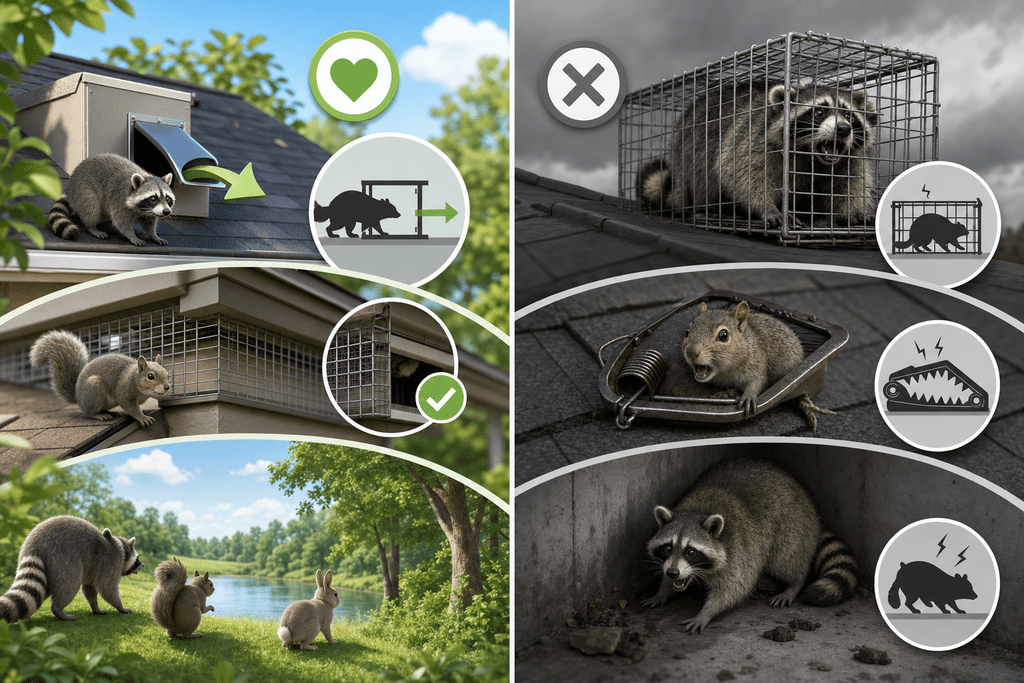
The difference between humane and traditional methods comes down to understanding animal behavior rather than just reacting to the problem. When you know how raccoons think or why squirrels choose certain entry points, you can work with their natural instincts instead of against them. This means using one-way doors that let animals leave but not return, rather than traps that confine them.
- No kill traps or harmful chemicals that put animals at risk
- Stress-free removal techniques that don't traumatize wildlife
- Family-conscious methods that account for babies during nesting season
- Relocation when necessary to appropriate habitats
- Prevention-focused approach that solves the root cause
In Texas, there are specific regulations about how wildlife can be handled. Not every company follows these rules, and some still use outdated methods that aren't just inhumane but also illegal. A proper humane wildlife removal service knows the laws and works within them. They also understand that long-term solutions beat quick fixes every single time.
Here's something most homeowners don't consider: humane methods actually work better in the long run. When you just trap and remove animals without addressing why they came in the first place, you're basically putting out a welcome sign for the next critter. The Wildlife X Team location at 11833 Katy Rd in Keller focuses on finding those entry points and sealing them properly, which is why their approach lasts.
The Complete Humane Removal Process
The process starts with something many companies skip entirely: a thorough inspection. The Wildlife Inspection Report isn't just a quick walk around your house. It's a detailed examination of every potential vulnerability in your property, from foundation cracks to roof vents. This step matters because you can't solve a problem you haven't fully identified.
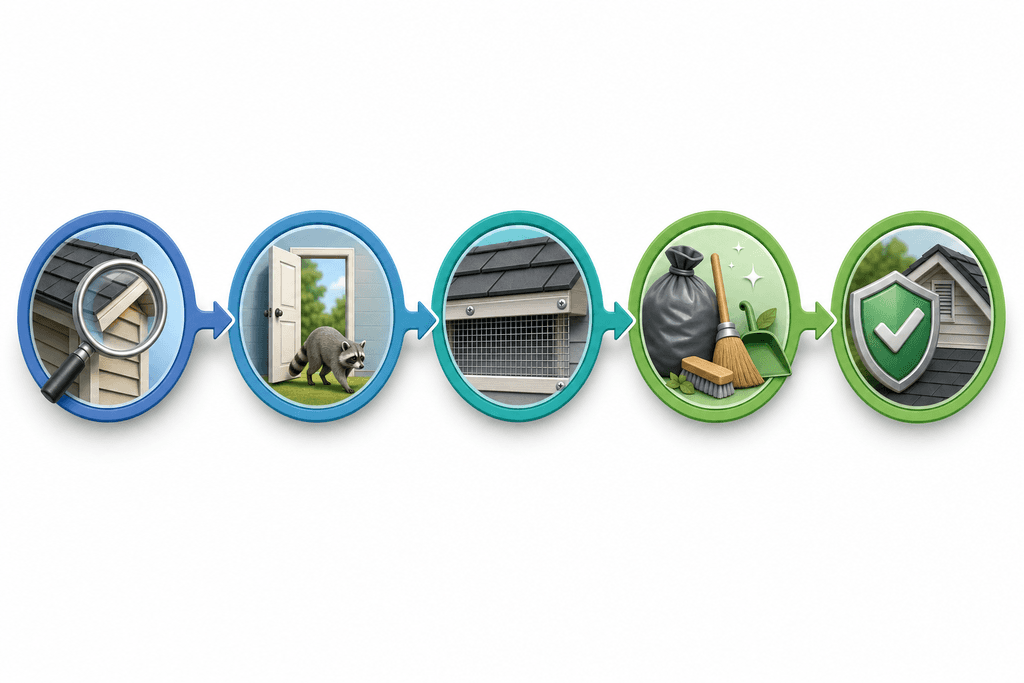
During the inspection, trained specialists look for signs most homeowners miss. Grease marks on siding, tiny scratches near vents, or disturbed insulation in the attic all tell a story. They reveal not just where animals are getting in, but what species you're dealing with and how long they've been there.
Once the inspection is complete, the actual removal begins. Safe removal techniques vary depending on the animal and situation. For squirrels in an attic, this might mean installing exclusion devices that let them exit naturally but prevent re-entry. For raccoons with babies, it requires waiting until the young are mobile enough to leave with their mother. Rushing this process can lead to trapped babies and bigger problems down the road.
- Complete property inspection and vulnerability assessment
- Identification of animal species and entry points
- Installation of one-way exclusion devices
- Monitoring to confirm all animals have left
- Permanent sealing of entry points
- Cleanup and sanitization of affected areas
- Restoration of damaged insulation or structures
- Final inspection and prevention recommendations
The cleanup phase is just as important as removal. Animals leave behind droppings, urine, nesting materials, and sometimes parasites. Professional attic cleanup involves removing contaminated insulation, disinfecting surfaces, and replacing damaged materials. This isn't just about smell or appearance. Wildlife waste can carry diseases that pose real health risks to your family.
In areas like Fort Worth, Denton, and Granbury, the team monitors each property after the initial work to make sure the solution holds. This follow-up separates companies that care about results from those just looking for a quick job. Prevention strategies include regular vulnerability checks and seasonal recommendations, since different animals become active at different times of year.
Prevention That Actually Works
Getting animals out is only half the battle. Keeping them out requires a different set of skills entirely. Animal proofing means identifying every possible entry point and securing it with materials that wildlife can't chew through, pry open, or dig under. This is where many DIY attempts fail, because homeowners don't realize just how persistent and clever these animals can be.
Common entry points include foundation gaps, chimney openings, roof vents, and soffit intersections. Each requires a specific solution. Foundation repairs might involve steel mesh buried underground to stop digging animals. Chimney protection uses specially designed caps that allow smoke to escape while keeping raccoons and birds out. Standard hardware store solutions often don't hold up to determined wildlife.
- Vent guards made from heavy-duty materials animals can't destroy
- Caulking and sealing of gaps as small as a quarter inch
- Chimney caps designed specifically for wildlife exclusion
- Foundation repairs that address both current and potential entry points
- Roof edge protection to prevent climbing access
Attic restoration does more than just clean up the mess. It eliminates the scent markers that attract new animals to the same spot. Wildlife can smell where others have nested, and they're drawn to those areas. By removing all traces and properly sealing the space, you break that cycle. The process also includes replacing insulation that's been compressed or contaminated, which helps your energy bills too.
The Renewable Lifetime Warranty offered by Wildlife X Team backs up their prevention work. This isn't a short-term guarantee that expires in a few months. It means they stand behind their exclusion methods for the long haul. If an animal finds a way back in through a spot they sealed, they come back and fix it. That level of confidence only comes from using methods that actually work.
Real customers in the Keller and surrounding areas have seen these results firsthand. Jesse Bernard mentioned how the team found entry points he never would have discovered on his own. That's the difference between a quick patch job and comprehensive prevention. Mark Thompson noted how his attic was secured against future invasions, not just cleared of the current problem. These aren't just nice reviews, they're proof that humane methods combined with thorough prevention create lasting solutions.
When you're dealing with wildlife in your home or business, you want more than just a temporary fix. The approach used by the Wildlife X Team in areas like Southlake, Grapevine, and Trophy Club focuses on understanding why animals chose your property and making it less appealing without harming them. It's a smarter way to handle wildlife issues, and it's one that protects both your investment and the animals themselves.
Why Humane Services Deliver Better Long-Term Value
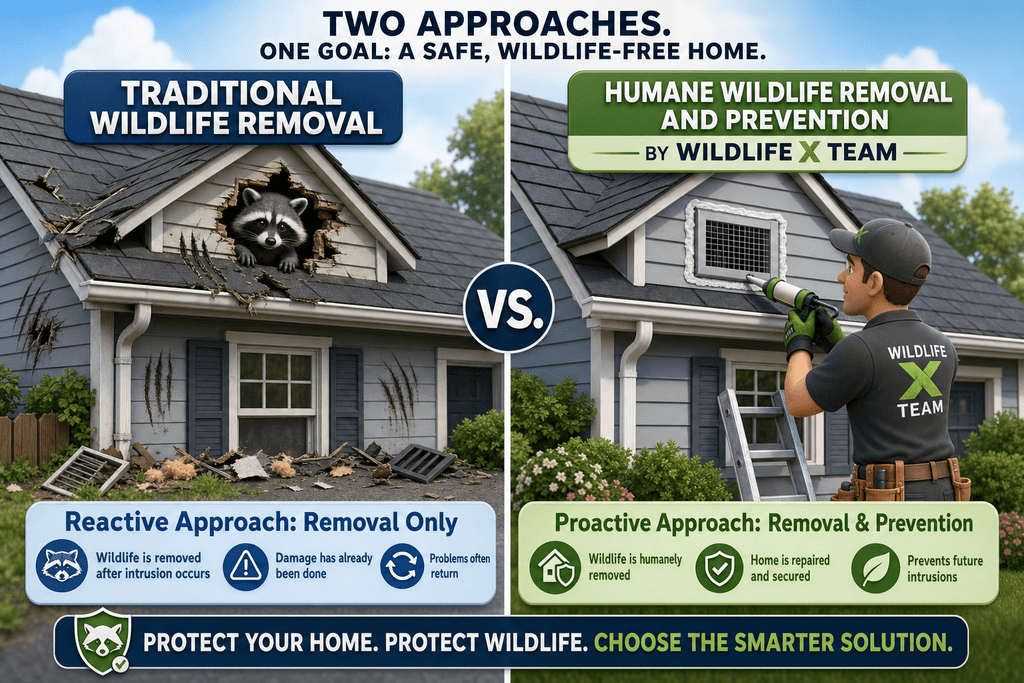
Most homeowners think traditional wildlife removal is cheaper because the upfront cost looks lower on paper. But here's what the numbers don't show at first glance. When you factor in repeat visits, additional property damage, and the stress of dealing with the same animals coming back month after month, humane wildlife removal service actually saves money over time. The difference comes down to how each approach handles the root problem versus just treating symptoms.
Traditional methods often focus on quick removal without addressing why animals chose your property in the first place. That's like putting a bandaid on a leaking pipe.
The Real Cost Breakdown
When you compare costs over a two-year period, the gap between approaches becomes clear. Humane wildlife removal with proper exclusion typically requires one comprehensive service, while traditional methods often need multiple return visits.
- Traditional removal averages 3-4 service calls per year as animals return through unsealed entry points
- Humane services with exclusion work usually require just one initial investment plus occasional inspections
- Property damage costs drop by 60-70% when animals are prevented from entering rather than repeatedly removed
- Health risks decrease significantly when contaminated areas are properly cleaned and sealed
Prevention Pays Off
Wildlife X Team's approach includes detailed inspection reports that identify every potential entry point before animals find them. This proactive strategy means fewer emergency calls and less damage to insulation, wiring, and structural components.
- Exclusion barriers installed during initial service prevent 95% of future intrusions
- Attic restoration protects insulation value and prevents energy cost increases
- Sealed entry points eliminate drafts that raise heating and cooling bills
The renewable lifetime warranty adds another layer of value that traditional services rarely offer. You're not just paying for removal but investing in long-term protection for your property and family.
Benefits and Considerations
Choosing humane wildlife removal means weighing immediate costs against lasting results. The investment protects both your property value and local wildlife populations.
- Higher upfront cost but lower total expense over time
- Comprehensive solution addresses current problems and future prevention
- Ethical approach maintains community wildlife balance without cruelty
- Professional inspection identifies hidden damage before it becomes expensive
- Warranty coverage provides peace of mind that budget services can't match
The health benefits matter too. Proper cleanup and disinfection of contaminated areas protects families and pets from diseases that wildlife can carry.
Making the Right Choice for Your Property
When you're dealing with wildlife in your home or business, the approach you choose matters more than most people realize. Humane wildlife removal isn't just about being kind to animals. It actually works better because it addresses the root problem instead of just chasing critters around. When you remove animals safely and then seal up entry points, you're solving the issue for good instead of creating a revolving door situation.
The difference between a quick fix and a lasting solution often comes down to experience. Some companies will trap an animal and call it a day, but that doesn't help when three more show up next week through the same hole in your roof.
Wildlife X Team, located at 11833 Katy Rd in Keller, TX, handles humane wildlife removal across Fort Worth, Denton, Granbury, and surrounding areas with a focus on permanent results. The team doesn't just remove the animals. They find every entry point, seal it properly, and clean up the mess left behind.
If you're hearing scratching in your attic or seeing signs of unwanted visitors, the next step is pretty straightforward. Getting a professional inspection helps you understand what you're dealing with and what it'll take to fix it right. The longer wildlife stays in your property, the more damage they cause and the harder it becomes to restore everything back to normal.
Choosing a humane wildlife removal service means you're picking a solution that respects both your property and the animals while actually solving the problem long-term.
Common Questions About Humane Wildlife Removal
Most homeowners have similar concerns when dealing with unwanted wildlife in their homes. Understanding how humane wildlife removal works can help you make better decisions about protecting your property. These answers cover the most common questions we hear from people dealing with raccoons, squirrels, and other animals that have moved into attics, walls, or crawl spaces. The right information makes the whole process less stressful for everyone involved.
How fast does humane removal work
Most humane wildlife removal projects start the same day or within 24 hours of your call. Wildlife X Team often begins work immediately after the initial inspection, like when Jesse Bernard had squirrels removed from his attic on the spot. The actual removal typically takes a few hours to a couple of days depending on how many animals are present and where they're hiding.
Do humane methods work for all animals
Yes, humane wildlife removal service techniques work effectively for raccoons, squirrels, opossums, bats, and other common wildlife found in homes. Different animals require different approaches, but trained professionals know how to safely remove each species without harm. Some companies like Wildlife X Team even have zoologists on staff who understand animal behavior, which makes the removal process more effective and safer for everyone.
What happens to animals after removal
Animals are relocated to appropriate habitats away from residential areas where they can survive without causing problems for homeowners. The goal of humane wildlife removal is to solve your problem while giving the animals a chance to live naturally elsewhere. This approach is better than lethal methods that some older pest control companies still use.
How long do prevention measures last
Professional exclusion work like sealing entry points and installing barriers can last for years when done correctly. Wildlife X Team offers a Renewable Lifetime Warranty on their prevention services, which means they stand behind their work long-term. Quality materials and proper installation make all the difference compared to DIY fixes that often fail within months.
When should I call professionals instead of DIY
Call professionals immediately if you hear animals in your walls or attic, see droppings, or notice damage to your home's exterior. Wild animals can carry diseases, cause structural damage, and create fire hazards by chewing electrical wires. Professionals have the right equipment and training to find hidden entry points you might miss, which prevents animals from returning after you think the problem is solved.
Does warranty coverage include future problems
A good warranty covers both the initial removal and any future intrusions at the sealed entry points. This protection gives you peace of mind that you won't pay twice for the same problem. Always ask about warranty details before hiring any wildlife removal company, since coverage varies widely across the industry.