
Bat Sounds in Attics and Walls and What They Mean

That scratching and squeaking coming from your attic at dusk isn't just the house settling. Bats make surprisingly loud noises for such small creatures, and those bat sounds you're hearing could mean dozens of them have already moved into your walls or attic. Understanding what these noises mean is the first step to protecting your home from the damage and health risks that come with a bat colony, which is where Wildlife X Team's humane removal services throughout Fort Worth and surrounding areas can help.
Table of Contents
Why Bats Choose Your Attic or Walls
Bats don't randomly pick houses to live in. They're actually looking for something very specific when they move into your home. These flying mammals spend their days searching for spaces that remind them of their natural homes, which are usually caves, hollow trees, or rock crevices. Your attic or the empty spaces inside your walls check all the boxes for what bats need to survive and raise their young.
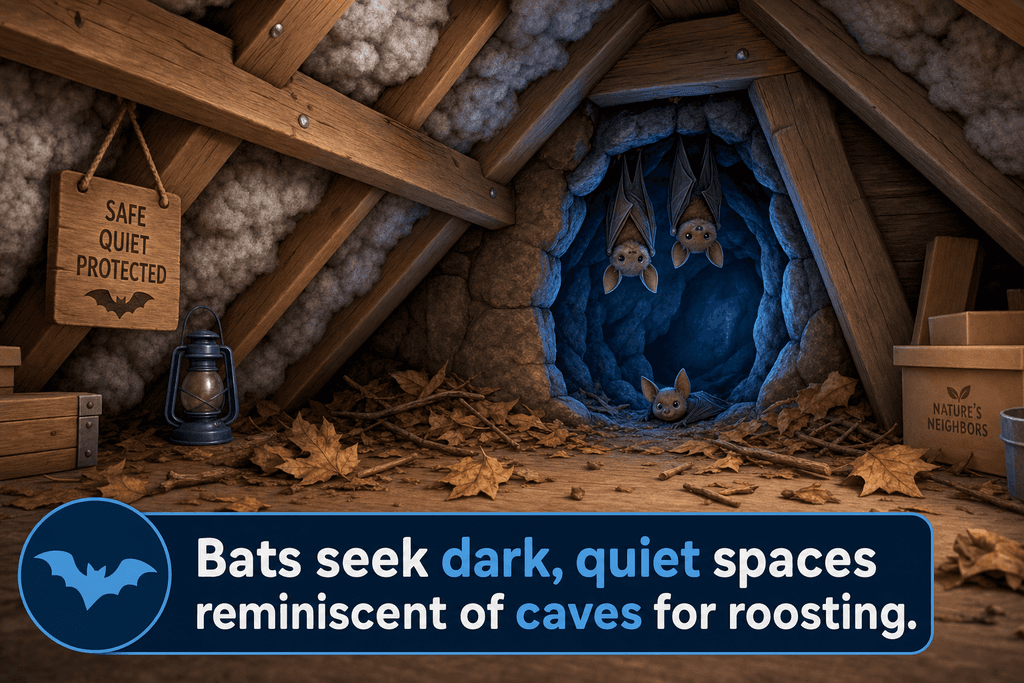
The dark, quiet environment of an attic mimics the conditions bats have relied on for thousands of years. Bats need consistent temperatures and protection from predators, which is exactly what your home's structure provides. Unlike other wildlife that might wander in by accident, bats are deliberately choosing your property because it meets their biological needs perfectly.
What Makes Texas Homes Attractive to Bats
Texas is home to 32 different bat species, making it one of the most bat-diverse states in the country. Many of these species have adapted to living in buildings instead of natural structures. The warm climate and abundance of insects make the Dallas-Fort Worth area particularly appealing to bat colonies.
32 bat species call Texas home, with many roosting in residential and commercial buildings
Here's what bats look for when choosing a roosting spot:
- Warm temperatures between 80-100 degrees Fahrenheit
- Dark spaces with minimal light exposure
- Protection from wind, rain, and predators
- Easy entry and exit points for nighttime feeding
- Enough space to accommodate their colony size
Understanding Bat Colony Sizes
Bat colonies vary dramatically in size depending on the species and available space. You might have just a handful of bats or you could be hosting hundreds. The bat sounds you hear will change based on how many bats have moved in.
Bat colonies can range from just 5-10 individuals to over 500 bats in a single attic space
Small colonies might go unnoticed for months, while larger groups create obvious noise and odor problems. The size of your colony affects everything from the volume of bat sounds to the amount of damage they cause.
Common colony characteristics include:
- Maternity colonies of female bats can grow rapidly during breeding season
- Bachelor colonies of male bats tend to be smaller and quieter
- Mixed colonies may include multiple generations living together
- Colony size often increases year after year if left undisturbed
Seasonal Patterns and Roosting Behavior
Bats don't use your attic the same way all year long. Their behavior changes with the seasons, which is why you might notice bat sounds more during certain times of the year. Understanding these patterns helps explain what you're hearing and when.
During spring and summer, female bats form maternity colonies to give birth and raise their young. This is when bat sounds are loudest and most frequent. The pups are vocal and active, creating scratching and squeaking noises that homeowners often mistake for other animals.
- Spring brings pregnant females looking for warm nursery spaces
- Summer means baby bats learning to fly and making lots of noise
- Fall sees bats preparing for winter or migration
- Winter activity depends on the species and local temperatures
At Wildlife X Team, we see the most calls about bat sounds between April and August when colonies are most active. Our Wildlife Inspection Report® helps identify exactly what species you're dealing with and how many bats have taken up residence in your home.
The Most Common Bat Sounds You'll Hear
Most people think bats are silent creatures of the night, but that couldn't be further from the truth. When bats take up residence in your attic or walls, they create a whole symphony of sounds that can keep you up at night. These sounds aren't random noise either. Each type of sound tells you something specific about what the bats are doing and how serious your bat problem might be. Understanding these sounds is the first step in figuring out if you need professional help.
The most recognizable bat sounds are high-pitched chirping and squeaking that happen when bats communicate with each other. You might hear these sounds more often than you'd expect because bats are actually pretty social animals. They use these vocalizations to establish territory, find mates, and warn each other about danger.
- Scratching and scurrying sounds mean bats are moving around their roost, usually crawling along surfaces
- Fluttering or flapping sounds happen during entry and exit times, typically at dusk and dawn
- Baby bat sounds include distinct crying or chattering that's louder than adult bat calls
- Ultrasonic calls exist but many bat vocalizations fall within human hearing range
The volume and frequency of these sounds can tell you a lot about your situation. A single bat makes occasional noise, but a colony creates a constant background hum of activity. Larger colonies produce more frequent and louder sounds, especially during feeding times when bats are most active.
When and Where You'll Hear Bat Sounds
Timing is everything when it comes to identifying bat sounds. Unlike squirrels that wake you up at sunrise, bats follow a completely different schedule that matches their nocturnal lifestyle. Bats are most active at dusk and dawn when they leave to hunt for insects and return to their roost. If you're hearing scratching sounds in your attic at 3 PM on a sunny afternoon, you're probably not dealing with bats. But if those sounds start right as the sun goes down, bats are likely your culprits.
The season matters just as much as the time of day. Spring and summer bring the loudest bat activity because that's when baby bats are present in the colony. Mother bats are constantly coming and going to feed, and baby bats make a lot of noise as they grow and learn to fly.
Winter changes everything for bat colonies. Some bat species hibernate, which means sounds might drop off completely during cold months. Other species migrate to warmer areas. If you hear bat sounds in winter, you likely have a species that stays active year-round in Texas.
- Attic sounds typically come from ceiling areas and roof peaks where bats prefer to roost
- Wall sounds are often heard near exterior walls and chimneys where bats find entry points
- Fall brings increased activity during mating season with more vocalizations
Location matters when tracking down bat sounds in your home. At Wildlife X Team, we find that most homeowners in Fort Worth, Denton, and surrounding areas hear bat sounds coming from specific spots. The sounds concentrate where bats feel safest and most protected from predators.
How to Tell Bat Sounds Apart from Other Wildlife
Here's where things get tricky because lots of animals make scratching sounds in attics and walls. The good news is that bats have some pretty unique characteristics that set them apart from other common home invaders. The biggest difference is timing. Squirrels are early risers who make noise during daylight hours, while bats are strictly nocturnal. If you're hearing activity during the day, you're probably not dealing with bats at all.
Raccoons are another common attic visitor, but they're much easier to distinguish from bats. Raccoons make heavy, loud sounds that sound like a person walking around in your attic. They're big animals that don't try to be quiet. Bats, on the other hand, are small and light, so their sounds are much more subtle.
- Mice make similar scratching sounds but lack the distinctive chirping vocalizations that bats produce
- Bat sounds are typically higher-pitched than other wildlife due to their small size
- Birds make chirping sounds but don't produce ultrasonic calls or scratch as much
- The pattern and timing of sounds is the biggest differentiator between species
If you're still not sure what's making noise in your home, that's completely normal. Even experienced homeowners struggle to identify wildlife by sound alone. That's why Wildlife X Team offers detailed Wildlife Inspection Reports that identify exactly what's living in your attic or walls. We serve the Fort Worth, Denton, Granbury, and surrounding areas with humane removal services that don't just get rid of the bats but also prevent them from coming back.
The truth is that identifying bat sounds is just the beginning. Once you know you have bats, the real work starts with safe removal and making sure they can't return. Professional wildlife removal handles both the immediate problem and the long-term solution, which is something you can't get from DIY approaches.
What Bat Sounds Tell You About Your Infestation
The bat sounds you're hearing aren't just random noise. They're actually telling you a detailed story about what's happening inside your walls and attic right now. Understanding these sound patterns can help you figure out if you're dealing with a few stragglers or a full-blown colony that's been living rent-free for months. The difference between these scenarios can mean thousands of dollars in damage and health risks that multiply by the day.
Decoding Scratching and Movement Patterns
Constant scratching sounds are your first red flag that bats have moved beyond just visiting. When you hear persistent scratching throughout the night, it means the colony has established itself and is actively expanding their living space. These bats are literally clawing at insulation and wood to create more room for their growing numbers.
- Scratching in one concentrated area suggests a primary roosting spot where bats cluster together
- Scratching that moves across your ceiling indicates bats are exploring and potentially creating new entry points
- Rhythmic scratching patterns often mean bats are grooming or adjusting their position in tight spaces
- Intense scratching followed by silence typically shows feeding time has started and bats have left to hunt
Vocal Sounds Reveal Colony Size
Multiple vocal sounds coming from your attic are a clear sign you're not dealing with a solo bat. When you hear chattering, squeaking, and high-pitched calls, you've got a social situation happening above your head. Baby bats are especially vocal, and their constant chirping for food creates a chorus that's hard to miss during breeding season from May through August.
Colony Growth Reality: A single female bat can produce one pup per year, but a colony of just 20 bats can grow to over 100 bats within three years. The sounds you hear today represent exponentially more bats tomorrow.
Location and Timing Tell the Severity
Hearing bat sounds in multiple rooms or areas of your home means you've got a serious problem. Bats don't just randomly pick different spots. They've found multiple entry points and have likely been in your home long enough to map out the entire space.
- Sounds in just one location suggest a recent invasion with a single entry point
- Sounds in two or more areas indicate an established colony with multiple access routes
- Increasing volume over weeks or months proves the colony is actively growing
- Daytime bat sounds are especially concerning and often signal overcrowding or sick bats
When Wildlife X Team performs our Wildlife Inspection Report®, we use these sound patterns along with physical evidence to determine exactly how many bats you're dealing with. Most homeowners underestimate their bat problem by 50% or more based on sounds alone, which is why professional assessment matters.
Damage Timeline: An established bat colony can contaminate insulation with guano within 30-60 days, requiring complete attic restoration. The longer those sounds continue, the more expensive your cleanup becomes.
When Sounds Change or Intensify
Pay attention to how bat sounds evolve over time. A sudden increase in noise level or new types of sounds appearing means the situation is escalating fast. This often happens when baby bats are born or when the colony outgrows its current space and starts expanding into new areas of your home.
- New scratching in previously quiet areas shows bats are claiming more territory
- Louder vocal sounds indicate more bats or the presence of juveniles learning to communicate
- Sounds during unusual hours suggest the colony is stressed or running out of space
The reality is that bat sounds rarely stay the same. They either get worse as the colony grows, or they stop completely because you've taken action. Waiting to see what happens isn't a strategy that works in your favor.
Taking Action When You Hear Bat Sounds
Once you start hearing bat sounds in your attic or walls, the clock is ticking on potential damage to your home. Those scratching noises and high-pitched squeaks mean bats are settling in, and the longer they stay, the more mess they create. The good news is that catching these sounds early gives you a real advantage before things get worse.
Here's the thing about bats though. You can't just grab a broom and chase them out yourself. Most bat species are protected by law, which means removal has to be done the right way. Plus, bats can carry diseases and their droppings create serious health risks that most homeowners aren't equipped to handle safely.
Professional removal is really your only safe option. Wildlife X Team handles bat removal in the Fort Worth, Denton, and Granbury areas using humane methods that follow all legal requirements. The process includes getting the bats out safely, cleaning up the contaminated areas, and sealing every entry point so they can't come back.
The cleanup part matters more than most people realize. Bat droppings can grow mold that causes respiratory problems, and the smell alone can make parts of your home unusable. Our team disinfects these areas properly and replaces damaged insulation when needed.
If you're hearing bat sounds in your home, waiting usually makes things more expensive to fix. You can reach Wildlife X Team at (817) 799-8686 or visit our office at 11833 Katy Rd Keller, TX 76244. But you probably have some questions about the whole process first.
Common Questions About Bat Sounds
Most people have similar concerns when they first hear strange noises coming from their attic or walls. These questions come up again and again, so we've put together the answers you're probably looking for. Understanding what those bat sounds really mean can help you figure out your next steps and whether you need professional help right away.
Can you hear bats in your attic during the day?
You usually won't hear much bat activity during daylight hours since bats are nocturnal and sleep during the day. If you do hear sounds during daytime, it's likely baby bats moving around or the colony getting disturbed by something. The real action happens at dusk when they leave to hunt and again before dawn when they return.
Are bat sounds dangerous or just annoying?
The sounds themselves won't hurt you, but they're a warning sign of a bigger problem. Bat droppings and urine can create serious health hazards in your home, including respiratory issues from fungal spores. The scratching and squeaking are just symptoms of an infestation that needs attention before it causes structural damage or health problems for your family.
How long does it take for bat sounds to go away after removal?
Once professionals remove the bats properly, the sounds should stop within a day or two. Wildlife X Team uses humane exclusion methods that let bats leave naturally but prevent them from getting back in. Sometimes you might hear a few stragglers trying to return for a week or so, but they'll eventually find a new home elsewhere.
Do bat sounds mean there's a large colony?
Not necessarily, though it's hard to tell just by listening. Even a small group of bats can make quite a bit of noise in an enclosed space like your attic. A professional inspection is the only way to know for sure how many bats you're dealing with and where they're getting in.
What should I do immediately when I hear bat sounds?
Don't try to handle it yourself or seal up entry points while bats are inside. The best first step is to call a wildlife removal expert who can assess the situation safely. Trying DIY solutions often makes things worse by trapping bats inside or creating new problems you didn't have before.
Can bat sounds damage my hearing?
No, bat sounds won't damage your hearing since most of their vocalizations are actually too high-pitched for humans to hear. What you're hearing is mostly their movement, scratching, and lower-frequency squeaks. The real damage happens to your home's structure and air quality, not your ears.