Animal Trapping Professionals: Licensing and Expertise That Matters

A homeowner in Fort Worth recently tried to trap a raccoon family in his attic using store-bought cages, only to end up with torn insulation, damaged wiring, and an even bigger mess when the mother raccoon became aggressive protecting her babies. This scenario plays out more often than you'd think, and it highlights why professional licensing and expertise aren't just nice-to-have credentials in wildlife removal. Understanding what separates qualified professionals like Wildlife X Team from DIY attempts or unlicensed operators can save you thousands in repairs and keep your family safe from both wildlife dangers and legal issues.
Table of Contents
- The Wildlife Removal Industry Today
- What Licensing Really Means for Wildlife Removal
- Training and Expertise That Protects Your Home
- Beyond Removal: The Complete Protection Approach
- Why Expertise Matters More Than Ever
- Protecting Your Home with the Right Expertise
- Common Questions About Wildlife Removal Professionals
The Wildlife Removal Industry Today
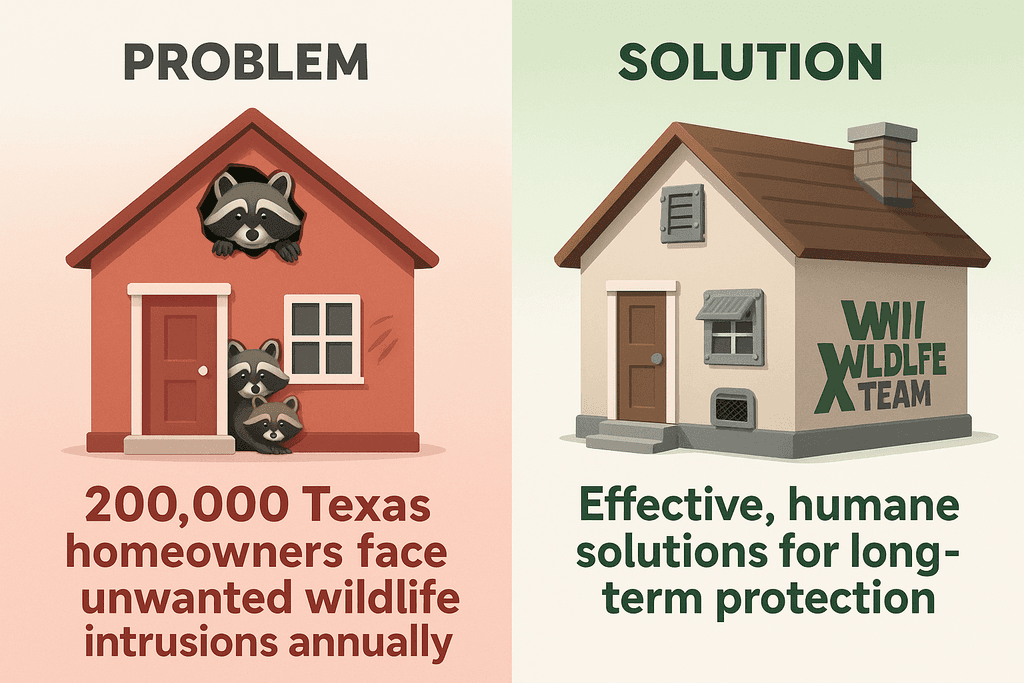
Every year, over 200,000 Texas homeowners discover unwanted wildlife living in their attics, walls, or crawl spaces. What starts as a few scratching sounds at night can quickly turn into thousands of dollars in property damage and serious health risks. The Dallas-Fort Worth area has seen a particularly sharp increase in wildlife intrusions, with raccoons, squirrels, and opossums topping the list of uninvited guests. As urban areas continue to expand into natural habitats, the line between wildlife territory and human homes keeps getting blurrier.
Why Professional Help Matters
Not everyone who claims to remove wildlife is qualified to do the job safely. In Texas, wildlife removal requires specific licensing and training that goes beyond just knowing how to set a trap. The Texas Parks and Wildlife Department mandates that anyone handling wildlife must hold proper permits and follow strict guidelines for humane treatment.
Here's what separates licensed professionals from unlicensed operators:
- State-issued permits and certifications for wildlife handling
- Training in humane trapping and relocation methods
- Knowledge of Texas wildlife laws and regulations
- Insurance coverage for property damage and liability
- Understanding of animal behavior and biology
Common Wildlife Problems in DFW
The Fort Worth and Denton areas deal with specific wildlife challenges that require professional expertise. Raccoons cause an estimated $3,000 to $8,000 in attic damage when left unchecked, tearing through insulation and leaving contaminated waste behind. Squirrels aren't much better, chewing through electrical wiring and creating serious fire hazards.
Wildlife X Team handles these situations daily across the DFW metroplex, using licensed professionals who understand both the animals and the proper removal techniques. The most common animals requiring professional removal include:
- Raccoons (responsible for 35% of wildlife calls)
- Squirrels (30% of intrusions)
- Opossums (15% of cases)
- Bats and birds (20% combined)
Industry Growth and Standards
The wildlife removal industry has grown by nearly 40% in the past decade as homeowners realize the risks of DIY approaches. What used to be a loosely regulated field now requires proper training, licensing, and adherence to humane practices. Companies like Terminix and local operators such as those on fortworthwildlife.com have entered the market, but not all maintain the same standards.
Professional services now include more than just removal. The industry has shifted toward comprehensive solutions that address:
- Initial wildlife inspection and assessment
- Humane trapping and removal
- Entry point identification and sealing
- Cleanup and sanitation of affected areas
- Long-term prevention strategies
Texas homeowners now have access to certified wildlife professionals who follow strict ethical guidelines, ensuring both effective removal and humane treatment of animals. This professionalization has made the industry safer for everyone involved, from the homeowners to the animals themselves.
What Licensing Really Means for Wildlife Removal
Most people don't realize that anyone with a trap and a truck can claim to be a wildlife removal expert. In Texas, legitimate wildlife removal requires specific state licensing that goes way beyond basic pest control credentials. The difference between a licensed professional and someone who just watched a few YouTube videos can mean the difference between solving your problem and making it much worse.
What Licensing Really Means for Wildlife Removal
State-required wildlife licenses in Texas involve extensive training, testing, and ongoing education requirements. These aren't just pieces of paper on a wall. They represent hundreds of hours of learning about animal behavior, humane handling techniques, and proper exclusion methods that actually work long-term.
Here's what separates licensed wildlife professionals from general pest control operators:
- Wildlife-specific training on handling animals like raccoons, squirrels, and opossums safely
- Knowledge of state and federal wildlife laws that govern trapping and relocation
- Insurance coverage that protects your property if something goes wrong
- Bonding requirements that give you financial recourse for substandard work
- Regular license renewals that require continuing education
The scary part is how easy it is to get fooled by unlicensed operators. They often charge less upfront, but that's because they're skipping the proper steps that prevent animals from coming back. You can verify credentials through the Texas Department of State Health Services, and any legitimate company will happily provide their license numbers.
Red flags include refusing to show credentials, offering suspiciously low prices, or pushing for immediate payment before work begins. Wildlife X Team maintains all required state licensing and carries comprehensive insurance, which is why we can back our work with a renewable lifetime warranty.
Training and Expertise That Protects Your Home
A raccoon doesn't behave like a squirrel, and a squirrel in spring acts completely different than one in fall. This kind of knowledge comes from years of hands-on experience and specialized training that you simply can't get from a weekend crash course. Professional wildlife experts understand animal psychology, seasonal behavior patterns, and species-specific habits that determine whether removal actually works or just moves the problem temporarily.

Training and Expertise That Protects Your Home
Take Jesse Bernard's situation with squirrels in his attic. He spotted one obvious entry point and almost sealed it himself. But our team found multiple other access points he never would have discovered. That's the difference between someone who knows what to look for and someone who's just guessing.
Humane removal techniques require understanding animal stress responses and family structures. A mother raccoon with babies needs a completely different approach than a lone male. DIY methods often separate mothers from their young, leading to desperate animals causing even more damage trying to reunite. Professional handlers know how to keep families together during removal and relocate them properly.
The inspection process alone reveals the gap between amateur and professional approaches. Trained experts examine:
- Roof lines and fascia boards for gnaw marks and wear patterns
- Foundation gaps and crawl space vulnerabilities
- Chimney caps and vent screens for damage
- Tree branches that provide highway access to your roof
- Signs of multiple species that might be sharing your space
Safe handling procedures protect everyone involved. Wildlife carries diseases like rabies, leptospirosis, and raccoon roundworm that can transfer to humans. Licensed professionals use proper protective equipment and follow protocols that minimize health risks. They also know how to handle aggressive animals without causing injury to themselves or the animal.
Beyond Removal: The Complete Protection Approach
Getting the animal out is actually the easy part. The real challenge is making sure nothing else moves into that same space next week. This is where most DIY attempts and cheap operators fall short. They remove the current tenant but leave the door wide open for the next one. A comprehensive approach addresses the entire problem from inspection through long-term prevention.
Wildlife X Team's Wildlife Inspection Report identifies every vulnerability in your property. This detailed assessment maps out current entry points, potential weak spots, and environmental factors that attract wildlife in the first place. It's like getting a security audit for your home, but focused on four-legged intruders instead of two-legged ones.
Professional-grade exclusion materials make all the difference. Hardware cloth, steel mesh, and commercial-grade sealants last for years, while the stuff you buy at a hardware store often fails within months. Our animal proofing services include:
- Foundation repairs that close gaps animals exploit
- Chimney caps designed to withstand determined raccoons
- Professional caulking and sealing of entry points
- Heavy-duty vent guards that don't rust or break
- Roof repairs that address both current and potential access points
Then there's the cleanup nobody wants to think about. Attic restoration after wildlife damage involves more than just sweeping up droppings. Contaminated insulation needs removal and replacement. The entire area requires proper disinfection to eliminate disease risks and odors that attract new animals. This isn't work for amateurs with a shop vac.
The cost comparison between professional prevention and repeated DIY attempts usually surprises people. Spending a few hundred dollars on proper exclusion beats spending that same amount multiple times trying to fix the problem yourself. Plus, our renewable lifetime warranty means if wildlife does find a way back in, we handle it at no additional cost.
Commercial properties face even bigger stakes. A restaurant with a rodent problem or an office building with bats in the walls can lose customers and face health department violations. That's why businesses throughout the Ft. Worth, Denton, and Granbury areas rely on licensed professionals who understand both the wildlife issues and the business implications.
Why Expertise Matters More Than Ever
Most homeowners who try DIY wildlife removal end up calling professionals anyway, but only after making the problem worse. What seems like a simple task of blocking a hole or setting a trap can quickly turn into a nightmare of trapped animals, property damage, and even legal trouble. The difference between a licensed professional and an unlicensed operator isn't just about credentials on paper. It's about understanding animal behavior, knowing local wildlife laws, and having the right tools to solve the problem without creating new ones.
The Hidden Dangers of DIY Wildlife Removal
Handling wild animals without proper training puts you at serious risk. Raccoons carry rabies, squirrel droppings can spread diseases, and even small animals will bite when cornered. But the dangers go beyond just animal bites.
- Exposure to histoplasmosis from contaminated droppings in attics and crawl spaces
- Risk of structural damage when sealing entry points incorrectly
- Potential for trapping baby animals inside walls, leading to death and odor problems
- Legal violations for handling protected species without proper permits
Many states require specific licenses to trap and relocate wildlife. Doing it yourself could result in fines up to several thousand dollars. Licensed professionals like Wildlife X Team know which animals are protected and follow all local regulations during removal.
Professional Versus DIY Approaches
The upfront cost of professional wildlife removal might seem high compared to buying a few traps at the hardware store. But when you factor in repeat visits, property repairs, and potential health costs, the math changes quickly.
Licensed Professional Services
- Complete property inspection identifies all entry points, not just obvious ones
- Humane removal methods that comply with wildlife protection laws
- Professional-grade exclusion materials that last for years
- Attic cleanup and decontamination to remove health hazards
- Warranties that guarantee protection against future invasions
DIY and Unlicensed Approaches
- Miss hidden entry points that animals continue using
- Risk trapping animals inside walls or separating mothers from babies
- Use temporary fixes that fail within months
- Leave contaminated insulation and droppings untreated
- No recourse if animals return or problems worsen
The Real Cost of Cutting Corners
A homeowner who seals one obvious hole might spend $50 on materials. But if animals find another entry point, that's another $50 plus more damage. After three or four attempts, they've spent $200 and still have wildlife in their attic. Professional services find every vulnerability during the first visit, saving time and money in the long run.
The cleanup phase is where DIY approaches fail most dramatically. Contaminated insulation needs complete removal and replacement, not just a quick spray with disinfectant. Wildlife X Team's attic restoration service handles this properly, preventing long-term health issues that could cost thousands in medical bills down the road.
Success Rates Tell the Story
Professional exclusion work comes with warranties because it works. Companies like Wildlife X Team offer renewable lifetime warranties on their animal proofing services. That level of confidence only comes from proven methods and quality materials.
- Licensed professionals achieve first-time success rates above 95% for complete wildlife exclusion
- DIY attempts typically require 3-4 tries before homeowners call professionals
- Unlicensed operators often lack insurance, leaving homeowners liable for any damage
- Professional cleanup reduces disease transmission risk by over 90% compared to surface-level DIY cleaning
The expertise gap between licensed professionals and other options isn't just about doing the job right. It's about protecting your family's health, preserving your property value, and ensuring the problem stays solved for years to come.
Protecting Your Home with the Right Expertise
When it comes to dealing with wildlife in your home, the difference between a licensed professional and someone without proper credentials can mean the difference between a solved problem and a bigger mess. Licensed trappers bring years of training, understand local wildlife laws, and know how to handle animals safely without putting your family or the animals at risk. They also know where to look for hidden entry points that most homeowners would never find on their own.
The right expertise means more than just catching an animal and leaving. It means understanding animal behavior, knowing how to prevent them from coming back, and having the insurance to protect you if something goes wrong. Wildlife X Team combines licensed professionals with detailed inspection reports and exclusion services that address the root cause of wildlife problems, not just the symptoms.
- Licensed professionals follow state regulations and ethical standards
- Proper training ensures humane treatment and effective removal
- Experience helps identify all entry points, not just the obvious ones
- Insurance coverage protects your property during the removal process
If you're hearing scratching in your attic or seeing signs of wildlife around your property, waiting usually makes the problem worse. Animals can cause thousands of dollars in damage to insulation, wiring, and structural components in just a few weeks.
You probably have questions about how the process works, what to expect during an inspection, or how to know if you're dealing with a reputable company. Let's address some of the most common concerns homeowners have when choosing a wildlife removal service.
Common Questions About Wildlife Removal Professionals
Choosing the right wildlife removal company can feel overwhelming when you're dealing with unwanted critters in your home. Most homeowners have similar concerns about licensing, costs, and what to expect during the removal process. These questions come up time and again, so we've put together straightforward answers to help you make an informed decision. Understanding what separates qualified professionals from unlicensed operators can save you money and headaches down the road.
How can I verify if a wildlife removal company is properly licensed?
Check with your state's wildlife agency or department of natural resources to confirm licensing status. In Texas, wildlife control operators need specific permits from Texas Parks and Wildlife Department. You can also ask the company directly for their license number and verify it online, which takes just a few minutes but protects you from potential liability issues.
What credentials matter most when hiring wildlife removal experts?
Look for state wildlife control permits, liability insurance, and certifications from organizations like the National Wildlife Control Operators Association. Experience with your specific animal problem matters more than general pest control credentials since raccoon removal requires different expertise than handling squirrels or bats. Companies like Wildlife X Team employ zoologists and specialists trained in humane removal methods, which ensures both effective results and ethical treatment of animals.
Does homeowners insurance typically cover professional wildlife removal?
Most standard homeowners insurance policies don't cover wildlife removal itself, but they may cover damage caused by animals. The removal and prevention work usually comes out of pocket. However, some policies cover repairs needed after removal, so it's worth checking your specific coverage before assuming you're on your own financially.
How long does professional wildlife removal usually take?
Initial removal often happens within a day or two, but complete exclusion work can take several days depending on the severity. Simple cases like a single entry point might get resolved in one visit, while complex infestations requiring attic cleanup and multiple repairs could take a week. The inspection phase helps professionals give you an accurate timeline before work begins.
What kind of warranty should a reputable company offer?
Quality companies back their work with warranties ranging from one year to lifetime guarantees on exclusion work. Wildlife X Team offers a renewable lifetime warranty, which means they'll return if animals find their way back in through the areas they sealed. Be wary of companies offering no warranty at all, as this often signals they're not confident in their work quality.
When should I call a professional instead of trying DIY removal?
Call immediately if you hear animals in your walls or attic, notice multiple entry points, or see signs of a nest with babies. DIY approaches often miss hidden entry points that professionals spot during inspections, leading to recurring problems. Animals like raccoons can be aggressive when cornered, and improper handling risks disease transmission through bites or contaminated waste, making professional removal the safer choice for most situations.