Animal Control Experts vs. DIY: Why Professional Help Matters
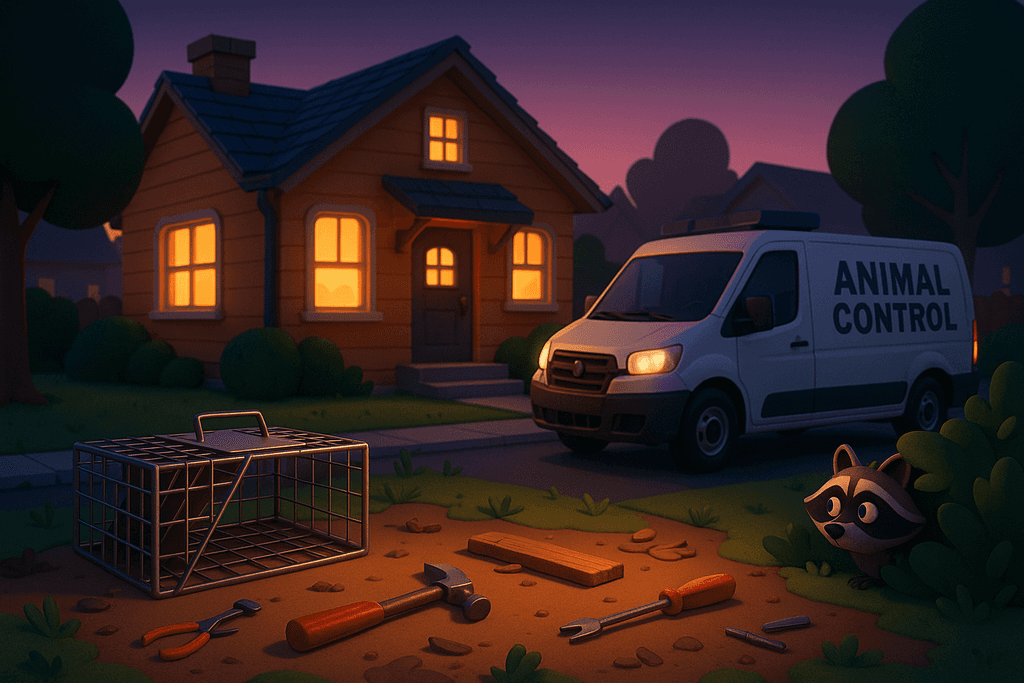
Last week, a homeowner in Fort Worth spent three hours in his attic trying to trap a raccoon with a store-bought cage, only to discover the next morning that the animal had chewed through his electrical wiring and invited two more raccoons to join the party. Many people assume wildlife removal is as simple as setting a trap and waiting, but the reality involves understanding animal behavior, identifying hidden entry points, and preventing future invasions. While DIY approaches might seem cost-effective at first, they often lead to bigger problems that require professional intervention from services like Wildlife X Team, which specializes in humane removal and long-term prevention strategies across the Dallas-Fort Worth area.
Table of Contents
- Understanding the Wildlife Problem in North Texas
- What DIY Wildlife Removal Actually Looks Like
- The Professional Advantage in Wildlife Control
- Long-Term Protection vs Quick Fixes
- Why Homeowners Choose Professional Help
- Making the Smart Choice for Your Property
- Common Questions About Wildlife Removal
Understanding the Wildlife Problem in North Texas
North Texas homeowners are dealing with more wildlife problems than ever before. As cities like Fort Worth, Denton, and Granbury continue to grow, animals that once lived in forests and fields are now showing up in attics, crawl spaces, and chimneys. What used to be an occasional problem has become a year-round issue for thousands of property owners. The Dallas-Fort Worth area sees wildlife intrusion calls spike during certain seasons, with some months bringing three times as many problems as others.
The Most Common Wildlife Intruders
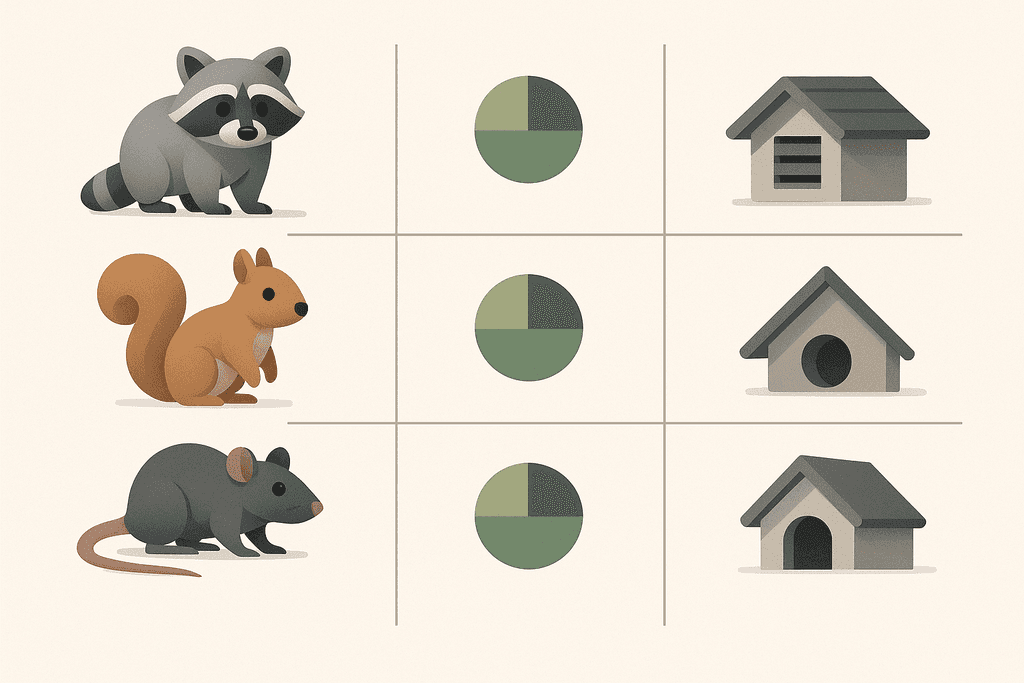
Three main animals cause most of the headaches for North Texas residents. Raccoons, squirrels, and possums have adapted surprisingly well to city life, and they're not shy about making your home their home.
Raccoons are probably the most destructive of the bunch. They can rip open roof vents, tear through soffits, and cause thousands of dollars in damage in just a few nights. These masked bandits are also strong enough to open latched doors and remove chimney caps.
- Raccoons typically weigh 15-40 pounds and can squeeze through openings as small as 4 inches
- They're most active from March through June during breeding season
- A single raccoon family can produce 3-5 gallons of waste per week in your attic
- Their droppings can carry dangerous parasites and diseases
Squirrels might seem harmless, but they cause serious problems too. They chew through electrical wiring, which creates fire hazards. They also gnaw on wood beams and can damage your home's structure over time.
When Wildlife Problems Peak
Wildlife intrusions follow predictable patterns throughout the year. Understanding these patterns helps explain why your neighbor might have had squirrels in March while you're dealing with raccoons in May. Each species has specific times when they're most likely to invade homes, usually tied to breeding seasons and weather changes.
Spring brings the highest number of calls to wildlife removal companies. Mother animals are looking for safe, warm places to raise their babies, and your attic fits the bill perfectly. Fall sees another spike as animals prepare for winter and seek shelter from dropping temperatures.
| Wildlife Species | Peak Activity Season | Common Entry Points | Average Damage Cost |
|---|---|---|---|
| Raccoons | March - June | Roof vents, chimneys, soffits | $2,000 - $5,000 |
| Squirrels | February - April, August - October | Roof edges, gable vents, gaps in siding | $1,500 - $3,500 |
| Possums | Year-round (peaks in winter) | Crawl spaces, foundation gaps, deck areas | $800 - $2,000 |
| Bats | April - August | Attic vents, gaps under roof tiles | $1,200 - $4,000 |
Why Urban Growth Means More Wildlife Encounters
The DFW metroplex adds about 150,000 new residents every year. That means more houses, more shopping centers, and more roads cutting through what used to be animal habitat. Wildlife doesn't just disappear when we build on their land though. They adapt and move closer to humans.
Animals actually find suburban neighborhoods pretty appealing. There's plenty of food in garbage cans and pet bowls. There's water in pools and decorative ponds. And there are fewer natural predators like coyotes and hawks. Your neighborhood might actually be safer and more comfortable for wildlife than the woods.
- The DFW area has grown by over 1.2 million people since 2010
- This expansion has eliminated roughly 30% of natural wildlife corridors
- Urban raccoons now outnumber their rural counterparts in many areas
- Wildlife removal calls have increased by 40% in the past five years
Companies like Wildlife X Team have seen this trend firsthand. Their Wildlife Inspection Report® often reveals that newer homes in recently developed areas face more wildlife pressure than older homes in established neighborhoods. The animals are still adjusting to where they can and can't live.
The Real Cost of Wildlife Damage
Wildlife doesn't just make noise and leave droppings. They cause serious damage that gets expensive fast. Raccoons can destroy insulation, rip up ductwork, and contaminate entire attics with urine and feces. Squirrels chew through electrical wires, which insurance companies estimate causes about 25,000 house fires each year nationwide.
The damage goes beyond what you can see too. Animal waste creates health hazards through bacteria, parasites, and diseases. Histoplasmosis from bat droppings and raccoon roundworm are both serious health threats. The longer animals stay in your home, the more damage they cause and the higher your repair costs climb.
- Structural damage from chewing and clawing through wood, insulation, and building materials
- Electrical hazards from exposed or damaged wiring that creates fire risks
- Health risks from contaminated insulation, droppings, and parasites
- Decreased property value if damage isn't properly repaired and documented
- Ongoing problems if entry points aren't sealed and animals return
Most homeowners insurance policies don't cover wildlife damage either. They consider it a maintenance issue that property owners should prevent. That means you're paying out of pocket for repairs, cleanup, and prevention work. A small problem that costs $500 to fix today could turn into a $5,000 nightmare if you wait.
What DIY Wildlife Removal Actually Looks Like
Most homeowners who hear scratching in their attic think the same thing: how hard can it be to get rid of a few animals? They head to the hardware store, grab some traps and maybe a can of repellent spray, and figure they'll have the problem solved by the weekend. The reality turns out to be much different. What seems like a simple fix often becomes a frustrating cycle of failed attempts, wasted money, and animals that keep coming back.

What DIY Wildlife Removal Actually Looks Like
The most common DIY approach involves setting a few traps near the obvious entry point and waiting. But here's what most people don't realize: wildlife rarely uses just one entrance. That hole you can see from the ground might be the main door, but there are usually several other access points hidden in places you'd never think to check.
- Store-bought traps that catch one animal while others remain in your walls
- Repellent sprays that wear off within days and rarely work as advertised
- Sealing the obvious hole while missing three others you can't see
- Removing adult animals but leaving babies behind to die in your attic
- Using methods that violate local wildlife regulations without knowing it
The danger of incomplete removal goes beyond just having animals return. When homeowners seal up entry points without making sure all animals are out first, they can trap babies inside. Those young animals will die, creating terrible odors and attracting other pests. Even worse, mother animals will tear through your roof or siding trying to get back to their young, causing damage that costs way more than professional removal would have.
There are also legal issues most people don't consider. Many areas have specific regulations about how and when you can remove certain wildlife species. Some animals are protected during breeding season. Others require special permits to relocate. Handling wildlife without proper knowledge can expose you to diseases like rabies, and one bite can turn a DIY project into a medical emergency.
The real cost comparison gets interesting when you add everything up. That $50 in traps and supplies seems cheap until the animals come back. Then you buy more supplies. Maybe you try a different approach. Eventually, after spending $200-300 and several weekends of frustration, most people end up calling professionals anyway. Now you're paying for professional service plus all the money you already wasted, not to mention any additional damage the animals caused while you were experimenting with solutions.
Real Case Study: Jesse Bernard had squirrels throwing a party in his attic. He considered closing up the obvious entry point himself, but when Wildlife X Team came out, they found a couple of other access points he never would have discovered. Months later, he's still squirrel-free because all the entry points were properly sealed, not just the visible one.
The Professional Advantage in Wildlife Control
Professional wildlife removal starts with something most homeowners skip entirely: a thorough inspection. The Wildlife Inspection Report process involves checking every potential vulnerability in your property, from the foundation to the roof line. Trained technicians know exactly where animals like to enter based on the species, the season, and your home's construction. They're looking at things like roof-to-wall junctions, soffit vents, foundation cracks, and chimney gaps that the average person wouldn't even notice.

The Professional Advantage in Wildlife Control
The equipment professionals use makes a real difference too. We're not talking about hardware store traps here. Professional-grade exclusion devices allow animals to leave but prevent them from getting back in. Humane removal techniques ensure animals aren't harmed during the process, which matters both ethically and legally.
Understanding animal behavior is where professional training really shows its value. Experts know that raccoons can remember solutions to problems for up to three years. They know squirrels can chew through materials you'd think were impenetrable. This knowledge shapes how they approach each situation, using methods that actually work long-term instead of temporary fixes that animals quickly figure out how to bypass.
Complete exclusion services go way beyond just removing the animals. Wildlife X Team handles foundation repair to close gaps where animals squeeze through. They install chimney caps and guards that keep animals out while still allowing proper ventilation. Vent guards protect your HVAC system from becoming an animal highway. Every potential entry point gets addressed with materials animals can't chew through or tear apart.
- Foundation repairs that seal gaps animals use to access crawl spaces
- Chimney protection that prevents raccoons and birds from nesting
- Professional-grade caulking and sealing that animals can't penetrate
- Vent guards designed specifically to withstand wildlife attempts at entry
- Comprehensive attic cleanup that removes contaminated insulation and waste
The attic cleanup and restoration service addresses problems DIY removal completely misses. Animal waste carries diseases and parasites. Contaminated insulation loses its effectiveness and spreads odors throughout your home. Professional restoration includes removing all contaminated materials, disinfecting the entire space, replacing damaged insulation, and sealing every entry point. This ensures your home is actually clean and safe, not just animal-free.
Long-Term Protection vs Quick Fixes
Wildlife problems almost always come back when you only address the symptoms instead of the cause. You can remove every raccoon from your attic, but if the entry points remain open, new raccoons will move in within weeks. They leave scent markers that actually attract other animals to the same location. Without proper exclusion work, you're just creating a revolving door for wildlife.
The Renewable Lifetime Warranty that Wildlife X Team offers shows the difference between professional confidence and DIY hope. This warranty guarantees long-term protection against wildlife invasions because the work is done right the first time. Every entry point is properly sealed with materials that last. If any issues arise, they're covered. You don't get that kind of assurance when you're patching holes yourself with whatever you found at the hardware store.
Prevention strategies make all the difference in stopping future invasions. Professional services identify not just current problems but potential vulnerabilities before they become problems. They understand how different seasons bring different wildlife challenges. Spring means animals looking for nesting sites, fall means animals seeking winter shelter. Proper prevention addresses these patterns before animals ever get inside.
- Professional exclusion work that lasts for years, not weeks
- Materials specifically chosen to withstand weather and animal attempts
- Warranty coverage that protects your investment long-term
- Expert knowledge of seasonal wildlife patterns and behavior
- Regular maintenance options to ensure continued protection
The total cost analysis tells an interesting story. Say you spend $300 on DIY attempts over several months. The animals keep coming back, so you finally call professionals. Now you're paying for professional service anyway, plus you've already wasted that $300. You've also dealt with months of noise, stress, and potential property damage. Compare that to calling Wildlife X Team from the start: one service call, complete removal, proper exclusion, warranty protection, and peace of mind. The professional route actually costs less when you factor in time, frustration, and guaranteed results.
For commercial properties, the stakes get even higher. Business disruption from wildlife problems can cost thousands in lost revenue. Health code violations can shut you down. Damage to inventory or equipment adds up fast. Commercial wildlife removal services from Wildlife X Team provide tailored solutions that minimize disruption and protect your business reputation. The cost of professional service is nothing compared to the cost of handling wildlife problems incorrectly when customers and employees are involved.
Time savings matter more than most people realize. Those weekends you'd spend in your attic with traps and flashlights? You get them back. The stress of hearing animals in your walls at night? Gone. The worry about whether your DIY fix actually worked? Eliminated. Professional wildlife removal gives you back your time and peace of mind while actually solving the problem instead of just postponing it.
Why Homeowners Choose Professional Help
Most people who try to handle wildlife problems themselves end up calling professionals anyway, usually after wasting time and money on solutions that don't work. The difference between a DIY approach and professional wildlife removal often comes down to one simple thing: knowing what you're actually dealing with. When Jesse Bernard called Wildlife X Team about squirrels in his attic, he thought he'd found the obvious entry point and almost sealed it himself. The professionals found multiple entry points he never would have discovered, which would have left his problem only partially solved.
The Hidden Problems Homeowners Miss
The discovery factor separates professional services from DIY attempts more than anything else. Wildlife doesn't follow the rules you'd expect, and a single visible hole rarely tells the whole story.
- Professionals identify secondary entry points that homeowners overlook
- Trained specialists recognize signs of damage before it becomes severe
- Expert inspections reveal health hazards like contaminated insulation or droppings
- Zoologists understand animal behavior patterns that predict future problems
Beth Lynch specifically mentioned being impressed that her technician Jason was a zoologist, not just someone with a ladder and some wire mesh. That level of expertise matters when you're trying to protect your family and property from animals that can carry diseases or cause structural damage.
Speed Versus Trial and Error
The testimonials from Wildlife X Team customers consistently mention how quickly problems got resolved. Mark Thompson noted the team "effectively removed the raccoons and secured my attic against future invasions," while David Lee emphasized how responsive they were with his squirrel issue.
- Professional teams complete in days what takes homeowners weeks or months
- Experts bring the right tools and materials on the first visit
- Trained specialists avoid common mistakes that make problems worse
- Companies like Wildlife X Team offer warranties that DIY solutions can't match
Health Risks You Can't See
YouTube tutorials don't mention the diseases wildlife can carry or how contaminated attic spaces affect your family's health. Professionals wear protective equipment and know proper decontamination procedures. They understand that removing the animal is only half the job, which is why services like attic cleanup and restoration exist.
- Wildlife droppings contain harmful bacteria and parasites
- Contaminated insulation spreads airborne pathogens through your home
- Direct contact with wild animals risks rabies and other serious diseases
The difference between watching a video and having actual training becomes obvious when health and safety are on the line. Wildlife X Team's comprehensive approach handles both the immediate problem and the long-term protection your property needs, something no DIY solution can guarantee.
Making the Smart Choice for Your Property
When you look at everything we've covered, the choice between DIY and professional wildlife removal comes down to more than just the upfront cost. Sure, you might save a few bucks buying traps at the hardware store, but those hidden expenses add up fast when you factor in missed entry points, contaminated insulation, and animals that keep coming back. Most homeowners who try the DIY route end up calling professionals anyway, after wasting time and money on methods that only solve part of the problem.
Professional services like Wildlife X Team handle the entire situation from start to finish. That means finding every entry point (not just the obvious ones), removing the animals safely, cleaning up the mess they left behind, and making sure they can't get back in. The difference is pretty clear when you consider that one missed hole in your roof can let in a whole new family of raccoons next season.
The peace of mind factor matters too. When you're dealing with wildlife in your attic at 2 AM, knowing that trained experts are handling it makes a real difference. Plus, with services available across the Ft. Worth, Denton, and Granbury areas, getting help doesn't mean waiting weeks for someone to show up. The Renewable Lifetime Warranty also means you're not just paying for a one-time fix.
If you're dealing with scratching sounds in your walls or droppings in your attic, the question isn't really whether to get help. It's whether you want to handle it once the right way, or keep dealing with the same problem over and over.
Common Questions About Wildlife Removal
Most homeowners dealing with wildlife problems have similar concerns about costs, timing, and whether they should tackle the problem themselves. These questions come up in almost every conversation we have with property owners who discover unwanted animals in their attics or crawl spaces. Getting clear answers upfront helps you make better decisions about protecting your home and family from wildlife damage.
How much does professional wildlife removal cost compared to DIY?
Professional wildlife removal typically costs between $300 to $1,500 depending on the severity of the infestation and the type of animal involved. DIY approaches might seem cheaper at first, but most homeowners end up spending more when they miss hidden entry points or fail to properly clean contaminated areas. Wildlife X Team provides a detailed Wildlife Inspection Report that identifies all vulnerabilities, which means you won't waste money on incomplete solutions that let animals return.
How long does the removal and exclusion process take?
Most wildlife removal projects take between 1-3 days for the initial removal and exclusion work. Attic cleanup and restoration can add another 1-2 days depending on the damage level. The timeline varies based on how many animals are present and how many entry points need sealing, but professionals work much faster than DIY attempts that can drag on for weeks.
Is wildlife removal humane and legal?
Professional wildlife removal companies follow strict state and federal regulations for handling protected species. Wildlife X Team uses humane methods that safely relocate animals without causing harm, which is both ethical and legally compliant. DIY removal often violates wildlife protection laws without homeowners realizing it, potentially resulting in fines or legal issues.
What's included in a Wildlife Inspection Report?
A comprehensive Wildlife Inspection Report documents all current entry points, potential vulnerabilities, signs of animal activity, and damage assessment. The report includes photos, detailed notes about your property's weak spots, and a customized prevention plan. This documentation helps you understand exactly what needs fixing and provides a roadmap for long-term protection.
Do warranties really cover future wildlife problems?
Quality wildlife removal companies offer renewable lifetime warranties that cover their exclusion work if animals return through sealed entry points. Wildlife X Team's warranty ensures that if wildlife gets back in through areas they've secured, they'll return to fix the problem at no additional cost. DIY solutions obviously don't come with any warranty or guarantee.
When should I call a professional instead of trying DIY?
Call a professional immediately if you hear animals in your walls or attic, notice strong odors, see droppings, or find visible damage to your home's exterior. DIY approaches work poorly for active infestations because animals are already inside and have established entry routes you probably can't find on your own. Professionals have the tools and experience to locate hidden access points that homeowners typically miss, preventing the frustrating cycle of animals returning after you think you've solved the problem.