
24/7 Animal Removal Services: Round-the-Clock Protection for Your Home

When Wildlife Won't Wait
A raccoon tearing through your ceiling insulation at 2 AM doesn't care about business hours, and neither should your wildlife removal service. Most homeowners discover they have unwanted guests during late evening or early morning hours when nocturnal animals are most active, leaving families stressed and unsure whether the situation can wait until sunrise. Wildlife X Team offers 24/7 emergency removal services across the Dallas-Fort Worth area because we understand that some problems demand immediate attention, not just for your property's protection but for your family's safety and peace of mind.
Table of Contents
- When Wildlife Won't Wait
- Why Wildlife Problems Happen After Hours
- Emergency Situations That Need Immediate Response
- What Happens During a Service Call
- The Real Cost of Waiting Until Morning
- Choosing the Right 24/7 Wildlife Service
- Protection That Never Sleeps
- Common Questions About Emergency Wildlife Removal
Why Wildlife Problems Happen After Hours
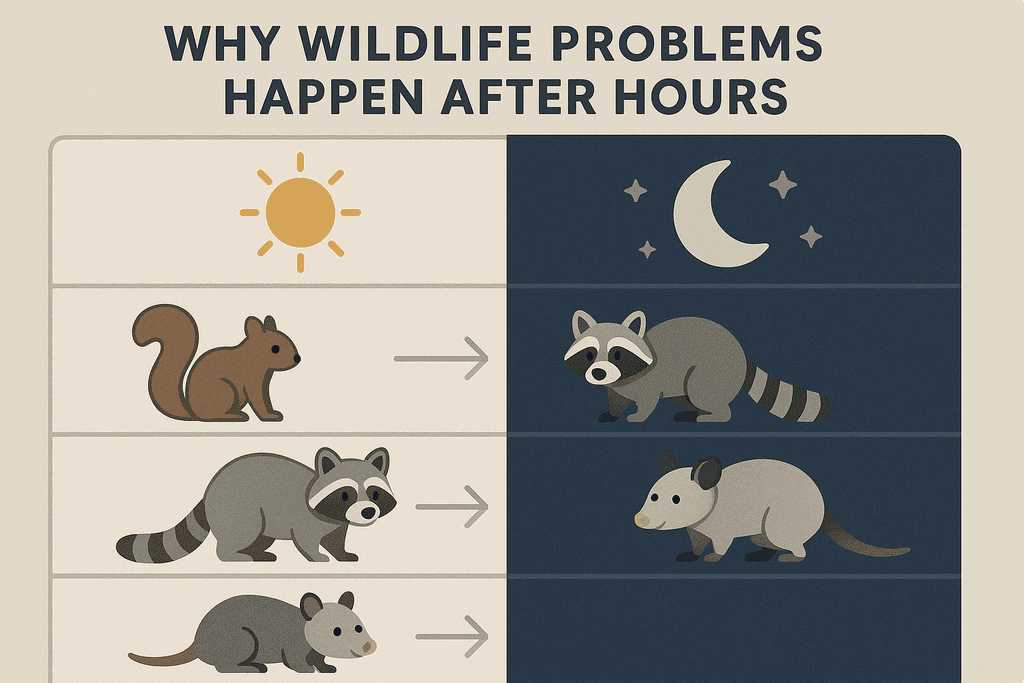
Most people don't realize that the scratching sounds in their attic at 2 AM aren't random. Animals that invade homes follow specific schedules based on their natural behavior patterns. Understanding when wildlife is most active helps explain why so many homeowners discover they have unwanted guests during evening hours. The truth is, by the time you hear those noises, the animals have likely been there for a while, just waiting until dark to make their presence known.
Nocturnal Animals and Their Schedules
The majority of nuisance wildlife that enters homes are either nocturnal or crepuscular, meaning they're most active at night or during dawn and dusk. This natural behavior pattern is why most wildlife problems get discovered after the sun goes down. When you're settling in for the evening, that's exactly when raccoons, opossums, and flying squirrels are starting their day.
Here's what makes these animals prefer nighttime activity:
- Better protection from predators in the darkness
- Cooler temperatures during summer months
- Less human activity to disturb their foraging
- Enhanced senses that work better at night
Wildlife X Team handles calls around the clock because we know animals don't follow business hours. When a raccoon decides to tear into your roof vent at midnight, waiting until morning isn't always an option.
Peak Activity Times for Common Nuisance Animals
Different animals have different schedules, which affects when you'll notice problems. Some are strictly nighttime creatures, while others might be active during twilight hours. Knowing these patterns helps homeowners understand what type of animal they're dealing with based on when they hear activity.
| Animal | Activity Pattern | Peak Hours |
|---|---|---|
| Raccoons | Nocturnal | 9 PM - 3 AM |
| Squirrels | Diurnal | Dawn and Dusk |
| Opossums | Nocturnal | 10 PM - 4 AM |
| Bats | Nocturnal | Dusk - Dawn |
| Rats/Mice | Nocturnal | 11 PM - 5 AM |
Seasonal Patterns and Shelter Seeking Behavior
Wildlife doesn't invade homes randomly throughout the year. There are specific seasons when animals actively search for shelter, and these patterns directly impact when homeowners need emergency removal services. Understanding these seasonal trends explains why some months see more wildlife calls than others.
Spring and fall are the busiest times for wildlife intrusions. In spring, animals are looking for safe places to have babies. In fall, they're searching for warm spots to spend the winter. Both scenarios lead to increased activity in attics, crawl spaces, and wall voids.
Key seasonal factors that drive animals into homes include:
- Temperature drops in fall and winter pushing animals indoors
- Breeding season in spring creating demand for nesting sites
- Food scarcity during certain months increasing desperation
- Storm damage creating new entry points animals can exploit
When Most Wildlife Calls Happen
Industry data shows that roughly 70% of wildlife removal calls come in during evening hours or first thing in the morning. This makes sense when you consider that most people are home during these times and can actually hear the animals moving around. During work hours, the house is quiet and empty, so even active animals go unnoticed.
The typical timeline for discovering a wildlife problem looks like this:
- Homeowner hears scratching or thumping sounds after dark
- Noises continue for several nights before action is taken
- Visual confirmation happens when animals are spotted entering or exiting
- Emergency call is placed when damage becomes visible or smells develop
Many homeowners try to wait it out, hoping the animals will leave on their own. Unfortunately, once wildlife finds a comfortable spot with food and shelter nearby, they rarely leave voluntarily. The longer you wait, the more damage occurs and the harder removal becomes.
Emergency Situations That Need Immediate Response
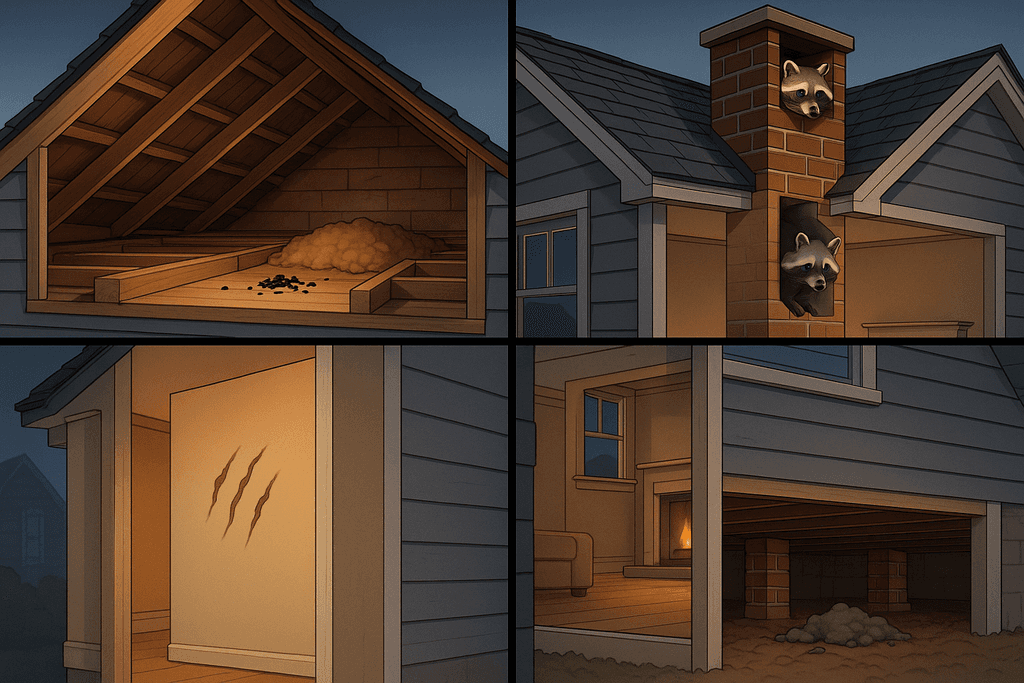
A raccoon crashed through your ceiling at 2 AM, and now it's running around your bedroom. This isn't the kind of problem that can wait until Monday morning. Wildlife emergencies happen at the worst possible times, and knowing when you need immediate help can save you from serious damage and danger. Some situations simply can't wait, and understanding the difference between a minor nuisance and a real emergency could protect your family and your home.
Emergency Situations That Need Immediate Response
Animals trapped inside your living spaces create immediate danger for everyone in the house. A panicked squirrel in your kitchen or a bat flying through your hallway puts your family at risk of bites and scratches. These animals carry diseases, and when they're scared and cornered, they become unpredictable.
- Aggressive or injured wildlife requires expert handling that most homeowners aren't equipped for
- Structural damage from chewing and clawing gets worse every hour an animal stays active in your walls
- Health hazards from contamination spread quickly through ventilation systems when animals nest in attics
- Entry points left open by wildlife allow weather, more animals, and pests to enter your home
One customer called Wildlife X Team at midnight after hearing loud scratching sounds that suddenly turned into a crash. A raccoon had fallen through their bathroom ceiling while their kids were getting ready for bed. The family couldn't use that part of their house, and the raccoon was just as scared as they were. Within two hours, the team had safely removed the animal and secured the area.
Disease transmission becomes a real concern when wildlife enters your living space. Raccoons can carry rabies, squirrels leave droppings that contain harmful bacteria, and bats pose serious health risks. The longer these animals stay in your home, the more contamination spreads.
What Happens During a Service Call
When you call Wildlife X Team in the middle of the night, you're not getting a voicemail or an answering service that takes a message. A real person answers who understands wildlife behavior and can assess your situation immediately. They'll ask specific questions about what you're hearing, where the animal is located, and whether anyone has been in direct contact with it. This initial phone assessment helps the team prepare the right equipment and approach before they even leave for your property.

What Happens During a 24/7 Service Call
Response times matter when you have an animal in your house. The team arrives prepared with humane traps, exclusion materials, and safety equipment. They know that a scared homeowner at 3 AM needs both a solution and reassurance.
On-site evaluation starts with safety protocols that protect both your family and the animal. The technician will assess entry points, identify the species, and determine the best removal method. Every situation is different, and what works for a squirrel won't work for a raccoon.
- Initial property assessment and animal identification
- Safe containment of the affected area
- Humane removal using species-appropriate techniques
- Immediate temporary exclusion to prevent re-entry
- Documentation for insurance and follow-up services
Humane removal techniques vary based on the animal and situation. The team uses one-way doors, live traps, and hands-on capture methods depending on what's safest. They never use poison or methods that cause unnecessary stress to the animal. After removal, they install temporary barriers to secure entry points until permanent repairs can be completed.
Follow-up services get scheduled before the team leaves your property. They'll explain what caused the intrusion, what needs to be repaired, and how to prevent it from happening again. The Wildlife Inspection Report identifies every vulnerability in your home, not just the obvious entry point.
The Real Cost of Waiting Until Morning
Deciding to wait until regular business hours might seem like the budget-friendly choice, but wildlife doesn't stop causing damage just because it's nighttime. In fact, most animals are more active after dark, which means they're doing the most damage while you're trying to sleep. A single raccoon can tear apart insulation, chew through electrical wiring, and create multiple new entry points in just one night. What starts as a small hole becomes a major repair job by sunrise.
Property damage escalates quickly when animals feel threatened or are searching for food. Squirrels chew constantly to keep their teeth from growing too long, and they don't care if they're gnawing on your support beams or electrical wires. Raccoons are strong enough to rip off roof shingles and tear through wood.
- Electrical fires from chewed wiring can start within hours
- Water damage from roof breaches worsens with every passing hour
- Contamination spreads through HVAC systems while animals nest
- Secondary pest infestations follow wildlife entry points
Health risks increase with every hour of exposure to wildlife in your living space. Animal droppings release airborne particles that can cause respiratory problems. Urine soaks into insulation and drywall, creating odors and health hazards that require professional cleanup. One family waited until morning to address a bat in their attic and ended up needing complete attic restoration because the contamination had spread overnight.
Insurance companies often require immediate documentation of wildlife damage. Waiting to call means waiting to start your claim, which delays repairs and reimbursement. Wildlife X Team provides detailed documentation during emergency calls that helps with insurance claims.
The cost difference between immediate response and delayed service often surprises homeowners. Emergency removal might cost slightly more for the after-hours call, but it prevents thousands in additional damage. One customer saved over $8,000 in insulation replacement by calling immediately instead of waiting until Monday. The animal was removed before it could destroy more of the attic, and temporary exclusion prevented other animals from entering through the same hole.
Stress and sleep disruption affect your entire household when wildlife is active in your walls or attic. Kids can't sleep through scratching and thumping sounds. Adults lie awake worrying about disease and damage. Getting the problem solved immediately means everyone can rest, and you're not spending days anxious about what's happening inside your walls.
Choosing the Right 24/7 Wildlife Service
Most homeowners don't realize that hiring the wrong wildlife removal company can actually make their problem worse. Some companies use harmful traps, leave entry points unsealed, or simply relocate animals without addressing why they showed up in the first place. When you're dealing with raccoons in your attic at 2 AM or squirrels chewing through your electrical wiring, you need a team that knows what they're doing. The difference between a quick fix and a lasting solution often comes down to choosing a service that treats wildlife removal as more than just catching animals and driving away.
Credentials That Actually Matter
Not all wildlife removal services are created equal. While some companies in the DFW area focus solely on trapping and removal, others like Wildlife X Team take a comprehensive approach that includes prevention and restoration. The credentials you should verify go beyond just having a business license.
- State wildlife control permits and proper insurance coverage
- Training in humane removal techniques and animal behavior
- Experience with local wildlife species common to North Texas
- Certifications in building repair and exclusion methods
- Background in attic restoration and contamination cleanup
Questions to Ask Before Signing Anything
The way a company answers your questions tells you everything about their approach. Companies like Terminix and other national chains often send out salespeople rather than actual wildlife specialists. You want someone who can explain their process in plain English and show you exactly what they'll do.
- Do you offer a detailed inspection report before starting work?
- What happens to the animals after removal?
- How do you prevent animals from returning?
- Is attic cleanup and insulation replacement included?
- What kind of warranty covers your work?
Warning Signs of Unreliable Providers
Some red flags are obvious, but others hide in the fine print. A company that promises to solve your problem in one quick visit is probably not being honest about what wildlife removal actually involves.
- Refusing to provide written estimates or warranties
- Using poison or lethal traps as the primary method
- Offering removal without inspection or prevention services
- Pressuring you to sign contracts immediately
- Unable to explain their exclusion techniques
Why Humane Methods Protect Your Investment
Humane removal isn't just about being kind to animals. It's actually the most effective long-term solution because it addresses the root cause rather than creating new problems. Wildlife X Team's approach focuses on understanding why animals chose your property and fixing those vulnerabilities permanently.
When companies use inhumane methods, they often leave dead animals in walls or create situations where babies are separated from mothers. This leads to awful odors, more damage, and additional costs down the road.
The Complete Service Advantage
The biggest mistake homeowners make is hiring someone who only does removal. You catch the raccoon, but the hole in your roof stays open for the next one. Comprehensive services that include inspection, removal, exclusion, and cleanup save you money because you're not calling someone back every few months.
- Initial inspection identifies all entry points and damage
- Safe removal of animals without harm to your property
- Professional sealing and repair of all access points
- Attic cleanup removes contamination and health hazards
- Ongoing warranty protects against future invasions
What Sets Local Experts Apart
National companies like Critter Control and Terminix operate on volume, sending technicians to multiple calls across different regions. Local specialists who focus on the DFW area understand the specific wildlife patterns in North Texas. They know that raccoons in Granbury behave differently than those in Denton, and they've seen every type of home construction common to the area.
Wildlife X Team's renewable lifetime warranty demonstrates confidence in their work that many competitors simply don't offer. When a company stands behind their exclusion work for the long term, it shows they're actually fixing problems rather than just treating symptoms.
Your Wildlife Service Evaluation Checklist
- Company provides detailed written inspection before quoting prices
- Technicians explain their humane removal methods clearly
- Service includes both removal and prevention strategies
- Attic cleanup and restoration are part of the solution
- Written warranty covers exclusion work long-term
- Company has specific experience with local DFW wildlife
- References and reviews show consistent quality work
- No high-pressure sales tactics or same-day signing requirements
- Clear explanation of what happens to removed animals
- Transparent pricing with no hidden fees for necessary repairs
Protection That Never Sleeps
Wildlife problems don't wait for business hours, and neither should your solution. When you hear scratching in your walls at midnight or discover a raccoon in your attic on Sunday morning, you need help right away. That's why having access to 24/7 wildlife removal services makes such a big difference for homeowners in the DFW area.
The peace of mind that comes from knowing someone will answer your call at any hour is hard to put a price on. Wildlife X Team provides round-the-clock service throughout Ft. Worth, Denton, Granbury, and surrounding areas, so you're never left dealing with an animal emergency alone.
Here's what matters most when it comes to emergency wildlife removal:
- Quick response times prevent animals from causing more damage
- Immediate action reduces health risks from droppings and contamination
- Professional handling keeps both you and the animals safe
- Expert assessment identifies all entry points, not just the obvious ones
The smartest move is choosing a wildlife removal service before you actually need one. When you're in the middle of an emergency, you don't have time to research companies or compare reviews. Having a trusted provider already in mind means you can act fast when problems pop up.
Of course, knowing who to call is just the first step. You probably have questions about what happens during a wildlife removal visit, how long the process takes, and what you can do to prevent future problems.
Common Questions About Emergency Wildlife Removal
When you hear scratching in your walls at 2 AM, you need answers fast. Wildlife emergencies don't follow a 9-to-5 schedule, and neither should the help you get. Here are the most common questions homeowners ask when they're dealing with unexpected animal visitors, along with straight answers that'll help you know what to expect.
How quickly can someone respond to an emergency call?
Most professional wildlife removal teams can arrive within 2-4 hours of your call, depending on your location and the time of day. Wildlife X Team offers 24/7 emergency services throughout the Ft. Worth, Denton, and Granbury areas, which means you won't be waiting until Monday morning if a raccoon breaks in on Saturday night. Response times can vary based on weather conditions and current call volume, but emergency situations involving aggressive animals or immediate safety threats get priority.
What should I do if I discover wildlife in my home at night?
Stay calm and keep your distance from the animal. Close off the room where you spotted the wildlife if possible, and keep pets and children away from the area. Don't try to trap or remove the animal yourself, as this can lead to bites or injuries. Call a 24/7 wildlife removal service right away and wait in a safe area of your home until help arrives.
Are emergency services more expensive than regular appointments?
Emergency wildlife removal typically costs more than scheduled appointments because of the immediate response and after-hours availability. However, waiting until regular business hours can sometimes lead to more damage and higher overall costs. Many companies offer transparent pricing and will give you an estimate over the phone before dispatching a technician, so you know what to expect.
Do you really remove all types of wildlife at any hour?
Yes, professional wildlife removal services handle everything from raccoons and squirrels to bats, opossums, and even snakes. Wildlife X Team uses humane removal methods for all species, regardless of when you call. The techniques might vary based on the animal and situation, but the commitment to safe, ethical removal stays the same whether it's noon or midnight.
What areas do you serve for 24/7 emergency calls?
Wildlife X Team provides round-the-clock emergency services throughout the Dallas-Fort Worth area, including Ft. Worth, Denton, Granbury, and surrounding communities. Coverage areas can affect response times, so it's worth asking about service availability in your specific neighborhood when you call.
How can I prevent future wildlife emergencies?
Prevention starts with a thorough property inspection to identify vulnerable entry points before animals find them. Professional services like Wildlife X Team's Wildlife Inspection Report can spot potential problems you'd never notice on your own. After removal, animal proofing services seal up entry points, install vent guards, and repair foundation gaps to keep wildlife out for good. Their renewable lifetime warranty means you're covered if animals try to return.